ꯔꯨꯂꯦꯠꯀꯤ ꯂꯥꯏꯔꯤꯀꯁꯤꯡ: ꯄꯥꯅꯕꯥ ꯄꯔꯤꯡ
ꯁꯥꯏꯠ ꯑꯁꯤꯅ ꯌꯨꯝꯐꯝ ꯑꯣꯏꯅ ꯂꯧꯔꯤꯕ ꯔꯨꯂꯦꯠꯀꯤ ꯂꯥꯏꯔꯤꯀꯁꯤꯡ ꯑꯃꯁꯨꯡ ꯄꯦꯄꯔꯁꯤꯡ, ꯃꯁꯤꯡ ꯀꯨꯟꯅꯤꯊꯣꯏ, ꯐꯪꯒꯗꯕ ꯃꯃꯂꯒꯤ ꯃꯇꯥꯡꯗ 1657 ꯒꯤ ꯂꯥꯏꯔꯤꯛ ꯑꯃꯗꯒꯤ 2025 ꯒꯤ ꯇꯦꯛꯁ꯭ꯠꯕꯨꯛ ꯑꯃꯐꯥꯑꯣꯕ, ꯃꯈꯣꯌ ꯈꯨꯗꯤꯡ ꯀꯔꯤꯒꯤ ꯃꯔꯨꯑꯣꯏꯕꯒꯦ ꯍꯥꯌꯕꯒꯤ ꯋꯥꯍꯩ ꯄꯔꯦꯡ ꯑꯃꯒꯥ ꯂꯣꯌꯅꯅ꯫
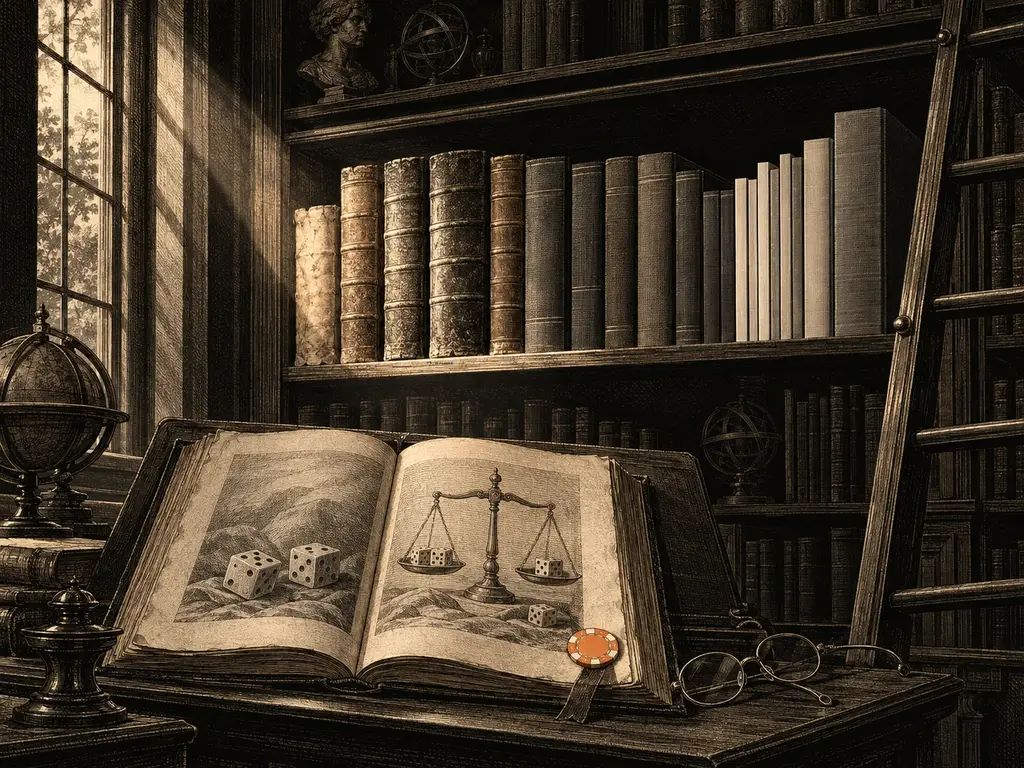
ꯃꯦꯊꯃꯦꯇꯤꯛꯁ (ꯍꯣꯏꯒꯦꯟꯁ, ꯕꯔꯅꯨꯂꯤ, ꯍꯥꯂꯃꯣꯁ, ꯐꯦꯂꯔ, ꯊꯣꯔꯞ, ꯑꯦꯄꯁ꯭ꯇꯥꯏꯟ, ꯏꯊꯤꯌꯔ, ꯑꯃꯁꯨꯡ ꯕꯣꯂꯃꯦꯟ, ꯇꯦꯂꯔ ꯑꯃꯁꯨꯡ ꯍꯨꯅꯥꯆꯦꯛꯀꯤ ꯅꯧꯕ ꯇꯦꯛꯁ꯭ꯠꯕꯨꯀꯁꯤꯡ), ꯄꯨꯋꯥꯔꯤ (ꯂꯥꯕ꯭ꯂꯦ, ꯕꯥꯔꯅꯍꯥꯔꯠ, ꯁ꯭ꯋꯥꯔꯠꯖ, ꯀꯦꯚꯅꯥꯒ, ꯃꯥꯔꯀꯁ, ꯒꯣꯜꯗꯃꯦꯟ), ꯐꯤꯖꯤꯛꯁ (ꯕꯦꯁ, ꯁ꯭ꯃꯣꯜ ꯑꯃꯁꯨꯡ ꯇ꯭ꯁꯦ) ꯑꯃꯁꯨꯡ ꯃꯈꯣꯌ ꯄꯨꯝꯅꯃꯛꯇꯒꯤ ꯍꯦꯟꯅꯥ ꯐꯕ ꯅꯣꯚꯦꯜ ꯑꯃꯈꯛ (ꯗꯣꯁ꯭ꯇꯣꯌꯦꯚꯁ꯭ꯀꯤ)꯫ ꯁꯥꯏꯠ ꯑꯁꯤꯗ ꯂꯩꯕ ꯄꯨꯝꯅꯃꯛ ꯂꯥꯏꯔꯤꯛ ꯊꯝꯃꯣꯛ ꯑꯁꯤꯗ ꯌꯨꯝꯐꯝ ꯑꯣꯏꯔꯤ꯫
ꯃꯦꯊꯃꯦꯇꯤꯛꯁ
ꯄꯨꯋꯥꯔꯤ
ꯐꯤꯖꯤꯛꯁ ꯑꯃꯁꯨꯡ ꯑꯦꯗꯚꯥꯟꯇꯦꯖ ꯄ꯭ꯂꯦ
ꯅꯣꯚꯦꯜ
ꯗꯣꯁ꯭ꯇꯣꯌꯦꯚꯁ꯭ꯀꯤ (Dostoevsky), The Gambler (1866)꯫ ꯄꯕ꯭ꯂꯤꯁꯔ ꯑꯃꯒꯤ ꯀꯟꯠꯔꯥꯛꯀꯤ ꯃꯇꯝ ꯉꯝꯈꯩ ꯑꯗꯨ ꯐꯪꯅꯕ ꯅꯨꯃꯤꯠ 26 ꯗ ꯏꯈꯤꯕ, ꯔꯨꯂꯦꯠꯀꯤ ꯃꯔꯃꯗ ꯀꯔꯖ ꯀꯌꯥ ꯊꯨꯡꯂꯕ ꯏꯕꯥ ꯑꯃꯅ; ꯖꯨꯌꯥ ꯁꯥꯟꯅꯔꯤꯕꯒꯤ ꯑꯔꯥꯟꯕ ꯋꯥꯈꯜ, ꯁꯤꯁ꯭ꯇꯦꯝ, ꯂꯦꯞꯄ ꯉꯃꯗꯕ ꯑꯃꯁꯨꯡ ꯁ꯭ꯄꯥ ꯀꯦꯁꯤꯅꯣ ꯃꯅꯨꯡꯗꯒꯤ꯫ ꯃꯊꯛꯇ ꯂꯩꯕ ꯔꯨꯂꯦꯠ ꯂꯥꯏꯔꯤꯛ ꯑꯃꯠꯇꯗꯒꯤ ꯍꯦꯟꯅꯥ ꯊꯨꯕ ꯑꯃꯁꯨꯡ ꯃꯈꯣꯌ ꯌꯥꯝꯅ ꯆꯥꯎꯕꯗꯒꯤ ꯍꯦꯟꯅꯥ ꯑꯆꯨꯝꯕ꯫
ꯄꯥꯟꯗꯝ ꯈꯨꯗꯤꯡꯒꯤꯗꯃꯛ ꯈ꯭ꯕꯥꯏꯗꯒꯤ ꯐꯕ ꯔꯨꯂꯦꯠ ꯂꯥꯏꯔꯤꯀꯁꯤꯡ
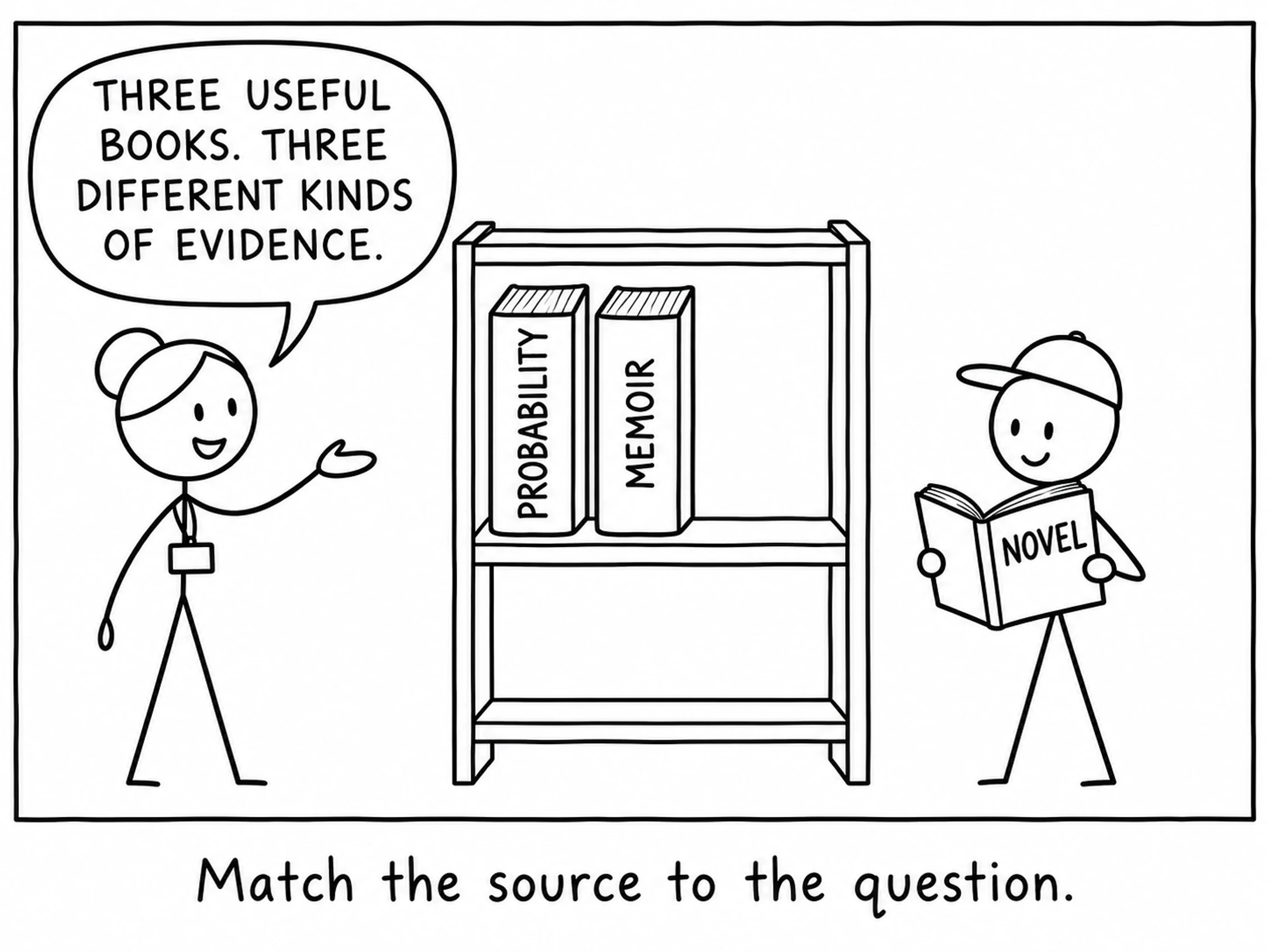
Choose by the question you want to answer. Publisher descriptions position Hunacek, Taylor and Basic Gambling Mathematics as introductory texts. Feller covers broader probabilityꯃꯦꯊꯃꯦꯇꯤꯛꯁꯊꯣꯛꯄꯒꯤ ꯈꯨꯗꯣꯡꯆꯥꯕꯃꯍꯩ ꯑꯃꯥ ꯊꯣꯛꯄꯒꯤ ꯈꯨꯗꯣꯡꯆꯥꯕ, 0 ꯗꯒꯤ 1 ꯐꯥꯑꯣꯕ ꯅꯠꯔꯒ 0% ꯗꯒꯤ 100% ꯐꯥꯑꯣꯕ꯫ ꯃꯁꯤꯡ ꯑꯃꯥ: 1/37 = 2.70%꯫ꯃꯄꯨꯡ ꯄꯥꯕꯤꯌꯨ → foundations; Ethier is a detailed reference. Preview a chapter to judge the level before buying.
For history, distinguish an author’s synthesis from a participant’s recollection. For physical prediction, distinguish an experiment from a claim that a method works at a current casino. Older books cannot establish today’s laws, operator permissions or active paytables. Use current official sources for those details.
ꯋꯥꯍꯪꯁꯤꯡ
ꯁꯤꯁ꯭ꯇꯦꯝ ꯑꯃꯥ ꯌꯣꯟꯕ ꯑꯃꯠꯇ ꯐꯕ ꯂꯩꯇꯦ꯫ ꯊꯣꯔꯄꯀꯤ 1984 ꯒꯤ ꯂꯥꯏꯔꯤꯛꯇ ꯃꯈꯣꯌ ꯀꯔꯤꯒꯤ ꯃꯥꯏꯊꯤꯕꯒꯦ ꯍꯥꯌꯕꯒꯤ ꯊꯨꯕ ꯆꯦꯞꯇꯔ ꯑꯃꯥ ꯂꯩ; ꯑꯦꯄꯁ꯭ꯇꯥꯏꯟ ꯑꯃꯁꯨꯡ ꯏꯊꯤꯌꯔꯅ ꯃꯈꯣꯌ ꯈꯨꯗꯤꯡꯒꯤ ꯃꯑꯣꯡ ꯌꯥꯎꯍꯜꯂꯤ꯫
ꯑꯅꯤꯃꯛ ꯀꯣꯄꯤꯔꯥꯏꯠꯇꯒꯤ ꯊꯥꯗꯣꯀꯈ꯭ꯔꯦ ꯑꯃꯁꯨꯡ ꯑꯣꯅꯂꯥꯏꯟꯗ ꯂꯩ꯫ ꯄꯤꯌꯔꯁꯟ ꯑꯀꯅꯕꯅ ꯊꯨꯡꯏ; ꯍꯣꯏꯒꯦꯟꯁ ꯊꯨꯏ ꯑꯃꯁꯨꯡ ꯍꯟꯗꯣꯛꯂꯕꯗ ꯉꯛꯅꯤꯡꯉꯥꯏ ꯑꯣꯏꯅ ꯄꯥꯕ ꯂꯥꯏ꯫
ꯅꯣꯛꯅꯕꯒꯤ ꯀꯃꯤꯛ
ꯁꯥꯏꯠ ꯑꯁꯤꯗ ꯂꯩꯕ ꯄꯨꯝꯅꯃꯛ ꯂꯥꯏꯔꯤꯛ ꯊꯝꯃꯣꯛ ꯑꯁꯤꯒꯤ ꯐꯨꯠꯅꯣꯠꯅꯤ꯫
ꯍꯧꯔꯛꯐꯃꯁꯤꯡ
- Ethier, S. N. The Doctrine of Chances: Probabilistic Aspects of Gambling.
- Feller, W. An Introduction to Probability Theory and Its Applications, Vol. 1.
- Halmos, P. R. “Invariants of certain stochastic transformations: the mathematical theory of gambling systems.”
- Thorp, E. O. “Optimal gambling systems for favorable games.”
- Thorp, E. O. The Mathematics of Gambling.
- Bass, T. A. The Eudaemonic Pie.
- Barnhart, R. T. Beating the Wheel.
- Bollman, M. Mathematics of the Big Four Casino Table Games: Blackjack, Baccarat, Craps, & Roulette.
- Bollman, M. Basic Gambling Mathematics: The Numbers Behind the Neon, 2nd ed.
- Taylor, D. G. Games, Gambling, and Probability: An Introduction to Mathematics, 2nd ed.
- Hunacek, M. Quantitative Literacy Through Games and Gambling.
- Marcus, R. American Roulette: How I Turned the Odds Upside Down.
- Goldman, N. Great Gambling Scams.
- Bernoulli, Smithsonian ꯅ ꯗꯤꯖꯤꯇꯦꯜ ꯇꯧꯔꯕ ꯑꯦꯗꯤꯁꯟ
- Huygens, Leiden ꯒꯤ ꯄꯨꯋꯥꯔꯤꯒꯤ ꯂꯥꯏꯔꯤꯀꯁꯤꯡ ꯑꯃꯁꯨꯡ ꯍꯟꯗꯣꯛꯄꯁꯤꯡ
- Thorp, 1969 ꯒꯤ ꯄꯦꯄꯔ, UCI ꯑꯥꯔꯀꯥꯏꯕ
- Pearson, 1900 ꯒꯤ ꯑꯍꯧꯕ ꯄꯦꯄꯔ