ꯔꯤꯆꯥꯔꯗ ꯖꯥꯔꯦꯀꯤ: ꯔꯨꯂꯦꯠ ꯁꯤꯁ꯭ꯇꯦꯝ
ꯗꯥꯛꯇꯔ ꯑꯃꯥ, ꯆꯛꯔ ꯈꯨꯗꯤꯡꯗ ꯊꯥ ꯑꯃꯒꯤ ꯅꯣꯠ ꯏꯕ, ꯑꯃꯁꯨꯡ ꯀꯦꯁꯤꯅꯣꯁꯤꯡꯕꯨ ꯈꯟꯖꯍꯟꯈꯤꯕ ꯀꯝꯞꯌꯨꯇꯔꯒꯤ ꯋꯥꯔꯤ ꯑꯃꯥ꯫
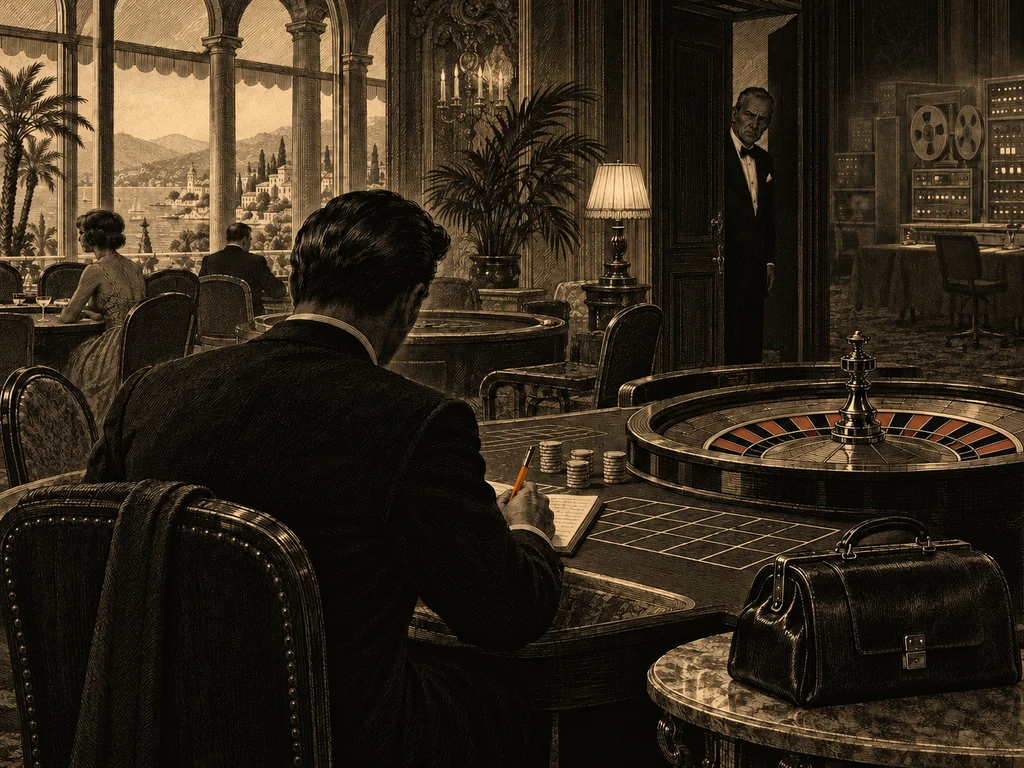
ꯖꯔꯃꯅꯤꯗ ꯄꯣꯀꯈꯤꯕ ꯑꯃꯦꯔꯤꯀꯥꯒꯤ ꯗꯥꯛꯇꯔ ꯔꯤꯆꯥꯔꯗ ꯖꯥꯔꯦꯀꯤ (Richard Jarecki, 1931–2018)ꯅ 1960ꯒꯤ ꯆꯍꯤꯁꯤꯡ ꯑꯃꯁꯨꯡ 1970ꯒꯤ ꯆꯍꯤꯁꯤꯡꯒꯤ ꯍꯧꯔꯛꯐꯃꯗ ꯌꯨꯔꯣꯄꯀꯤ ꯀꯦꯁꯤꯅꯣꯁꯤꯡꯗ ꯔꯨꯂꯦꯠ ꯆꯛꯔꯁꯤꯡ ꯏꯊꯃꯈꯤ ꯑꯃꯁꯨꯡ ꯌꯥꯝꯅꯥ ꯊꯣꯛꯂꯤꯕ ꯃꯁꯤꯡꯁꯤꯡꯗ ꯕꯦꯠ ꯊꯃꯈꯤ꯫ ꯋꯥꯔꯣꯜ ꯀꯌꯥꯒꯤ ꯃꯇꯨꯡ ꯏꯟꯅ ꯃꯍꯥꯛꯅ $1.2 ꯃꯤꯂꯤꯌꯟꯗꯒꯤ ꯍꯦꯟꯅꯥ ꯃꯥꯏꯄꯥꯀꯈꯤ; ꯃꯁꯤꯡ ꯑꯗꯨ ꯀꯅꯥꯅ ꯑꯣꯗꯤꯠ ꯇꯧꯈꯤꯗꯦ꯫ ꯃꯍꯥꯛꯅ ꯔꯤꯄꯣꯔꯇꯔꯁꯤꯡꯗ ꯂꯟꯗꯅꯒꯤ ꯀꯝꯞꯌꯨꯇꯔ ꯑꯃꯅ ꯊꯕꯛ ꯇꯧꯏ ꯍꯥꯌꯈꯤ, ꯃꯁꯤꯕꯨ 2018ꯒꯤ ꯑꯣꯕꯤꯆꯨꯌꯥꯔꯤ ꯑꯃꯁꯨꯡ ꯔꯨꯂꯦꯠꯀꯤ ꯄꯨꯋꯥꯔꯤ ꯏꯔꯤꯕ ꯔꯁꯦꯜ ꯕꯥꯔꯅꯍꯥꯔꯠꯅ ꯂꯣꯠꯄ ꯑꯃꯥ ꯍꯥꯌꯅ ꯏꯔꯤ꯫
ꯁ꯭ꯇꯦꯇꯤꯅꯗꯒꯤ ꯗꯥꯛꯇꯔ ꯑꯃꯥ
ꯔꯤꯆꯥꯔꯗ ꯕꯤꯂꯍꯦꯜꯝ ꯖꯥꯔꯦꯀꯤ 1 ꯗꯤꯁꯦꯝꯕꯔ 1931ꯗ ꯁ꯭ꯇꯦꯇꯤꯅꯗ ꯄꯣꯀꯈꯤ, ꯃꯇꯝ ꯑꯗꯨꯗ ꯖꯔꯃꯅꯤꯗ ꯂꯩꯔꯝꯃꯤ ꯑꯃꯁꯨꯡ ꯍꯧꯖꯤꯛ ꯄꯣꯂꯦꯟꯗꯀꯤ ꯁꯦꯆꯦꯆꯤꯟꯅꯤ꯫ ꯃꯍꯥꯛꯀꯤ ꯃꯄꯥ ꯗꯔꯃꯦꯇꯣꯂꯣꯖꯤꯁ꯭ꯠ ꯑꯃꯅꯤ ꯑꯃꯁꯨꯡ ꯃꯍꯥꯛꯀꯤ ꯃꯃꯥꯒꯤ ꯏꯃꯨꯡꯅ ꯁꯤꯄꯤꯡ ꯀꯝꯄꯦꯅꯤ ꯑꯃꯒꯤ ꯃꯄꯨ ꯑꯣꯏꯔꯝꯃꯤ꯫ ꯏꯃꯨꯡ ꯑꯗꯨ ꯖꯨꯏꯁ ꯑꯣꯏꯔꯝꯃꯤ ꯑꯃꯁꯨꯡ 1930ꯒꯤ ꯆꯍꯤꯁꯤꯡꯒꯤ ꯑꯔꯣꯏꯕꯗ ꯖꯔꯃꯅꯤ ꯊꯥꯗꯣꯛꯇꯨꯅ ꯆꯠꯈꯤ꯫ ꯃꯍꯥꯛ ꯅꯨꯖꯔꯁꯤꯒꯤ ꯑꯦꯖꯕꯔꯤ ꯄꯥꯔꯀꯇ ꯍꯦꯅꯒꯠꯂꯀꯈꯤ, ꯗ꯭ꯌꯨꯛ ꯌꯨꯅꯤꯚꯔꯁꯤꯇꯤꯗ ꯇꯃꯈꯤ, ꯑꯃꯁꯨꯡ ꯃꯦꯗꯤꯀꯦꯜ ꯗꯤꯒ꯭ꯔꯤꯒꯤꯗꯃꯛ ꯖꯔꯃꯅꯤꯗ ꯍꯜꯂꯀꯈꯤ, ꯃꯗꯨ ꯃꯍꯥꯛꯅ 1958ꯗ ꯍꯥꯏꯗꯦꯂꯕꯔꯒꯇ ꯂꯧꯈꯤ꯫ ꯃꯍꯥꯛꯅ 1964ꯗ ꯑꯦꯅꯦꯁ꯭ꯊꯦꯁꯤꯌꯥꯗ ꯇ꯭ꯔꯦꯟ ꯇꯧꯔꯕ ꯅꯔꯁ ꯀꯦꯔꯣꯜ ꯐꯨꯖꯦꯒ ꯂꯨꯍꯣꯡꯈꯤ꯫ 1967ꯗ ꯃꯈꯣꯌ ꯑꯅꯤ ꯍꯥꯏꯗꯦꯂꯕꯔꯒꯇ ꯆꯠꯈꯤ, ꯃꯐꯝ ꯑꯗꯨꯗ ꯃꯍꯥꯛꯅ ꯌꯨꯅꯤꯚꯔꯁꯤꯇꯤꯗ ꯐꯣꯔꯦꯟꯁꯤꯛ ꯃꯦꯗꯤꯁꯤꯅꯗ ꯔꯤꯁꯔꯆ ꯇꯧꯈꯤ꯫ 1969ꯗ ꯃꯍꯥꯛ ꯃꯁꯥꯃꯛꯅ ꯃꯍꯥꯛꯀꯤ ꯊꯕꯛ ꯑꯗꯨ ꯑꯦꯁꯣꯁꯤꯌꯦꯠ ꯔꯤꯁꯔꯆꯔ ꯍꯥꯌꯅ ꯍꯥꯌꯈꯤ, ꯄꯦꯄꯔꯁꯤꯡꯅ ꯃꯍꯥꯛꯕꯨ ꯄ꯭ꯔꯣꯐꯦꯁꯔ ꯑꯣꯏꯍꯅꯈꯤꯔꯕꯁꯨ꯫
ꯃꯑꯣꯡ
The account of the Richard Jarecki roulette system comes from Carol Jarecki’s 2018 account. The two of them and a handful of helpers wrote down the result of every spin of a chosen wheel, looking for numbers that won more often than they should because of a small fault of manufacture or wear. One wheel could take more than 10,000 spins and as long as a month, and some wheels showed nothing worth betting. She did not claim it as new: “It isn’t something he invented. It’s something he perfected.”
They played in dozens of casinos, among them Monte Carlo, Divonne-les-Bains, Baden-Baden and Sanremo, where he became a regular. The single-zeroꯆꯛꯔꯖꯤꯔꯣꯆꯞ ꯃꯥꯟꯅꯕ, ꯗꯖꯟ ꯅꯠꯔꯒ ꯀꯂꯝ ꯕꯦꯠ ꯑꯃꯠꯇꯅ ꯀꯨꯞꯇꯕ ꯑꯁꯪꯕ ꯄꯣꯀꯦꯠ ꯑꯃꯈꯛꯇ; ꯍꯥꯎꯁ ꯑꯦꯖꯀꯤ ꯍꯧꯔꯀꯐꯝꯅꯤ꯫ ꯑꯇꯣꯞꯄ ꯃꯃꯤꯡ: ꯁꯤꯡꯒꯜ ꯖꯤꯔꯣ, 0꯫ꯃꯄꯨꯡ ꯄꯥꯕꯤꯌꯨ → wheels described in these accounts have 37 pocketsꯈꯨꯠꯂꯥꯏꯄꯣꯀꯦꯠꯔꯣꯇꯔꯗ ꯂꯩꯕ ꯃꯁꯤꯡ ꯏꯔꯕ ꯀꯣꯠ 37 ꯒꯤ ꯃꯅꯨꯡꯗ ꯑꯃꯥ꯫ ꯑꯇꯣꯞꯄ ꯃꯃꯤꯡ: ꯁ꯭ꯂꯣꯠ, ꯀꯞ꯫ꯃꯄꯨꯡ ꯄꯥꯕꯤꯌꯨ →, compared with 38 on a double-zero wheel.
The 2018 obituary also reports that moving wheels between tables did not stop him: he recognized individual wheels by their nicks, scratches and other marks.
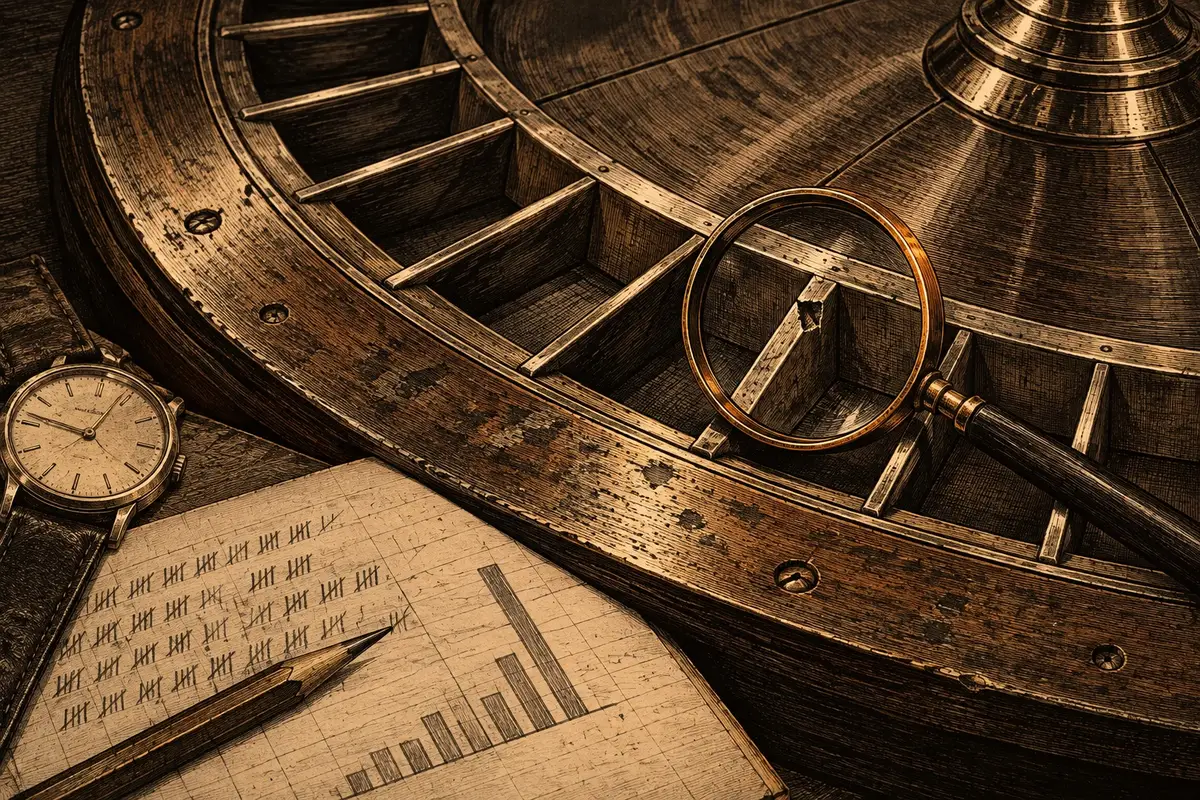
ꯀꯔꯤꯒꯤ ꯁ꯭ꯄꯤꯟ ꯂꯤꯁꯤꯡ ꯇꯔꯥ
In 10,000 independent spinsꯃꯦꯊꯃꯦꯇꯤꯛꯁꯃꯔꯤ ꯂꯩꯅꯗꯕ ꯁ꯭ꯄꯤꯟꯁꯤꯡꯍꯥꯟꯅꯒꯤ ꯃꯍꯩ ꯀꯔꯤꯒꯨꯝꯕ ꯑꯣꯏꯔꯕꯁꯨ ꯁ꯭ꯄꯤꯟ ꯈꯨꯗꯤꯡꯃꯛꯀꯤ ꯊꯣꯛꯄꯒꯤ ꯈꯨꯗꯣꯡꯆꯥꯕ ꯃꯥꯟꯅꯩ꯫ ꯋꯦꯕꯁꯥꯏꯠ ꯑꯁꯤꯒꯤ ꯊꯤꯕ ꯈꯨꯗꯤꯡꯃꯛꯀꯤ ꯌꯨꯝꯐꯝꯅꯤ꯫ꯃꯄꯨꯡ ꯄꯥꯕꯤꯌꯨ → of a uniform single-zero wheel, one number chosen in advance has an expected count of about 270 and a standard deviationꯃꯦꯊꯃꯦꯇꯤꯛꯁꯁ꯭ꯇꯦꯟꯗꯔꯗ ꯗꯤꯚꯤꯌꯦꯁꯟꯚꯦꯌꯔꯤꯌꯦꯟꯁꯀꯤ ꯁ꯭ꯀ꯭ꯋꯦꯌꯔ ꯔꯨꯠ; ꯃꯍꯩ ꯑꯃꯅ ꯐꯪꯒꯗꯕ ꯃꯃꯜꯗꯒꯤ ꯌꯥꯝꯅ ꯂꯥꯞꯄ ꯃꯑꯣꯡ꯫ꯃꯄꯨꯡ ꯄꯥꯕꯤꯌꯨ → of about 16. Seeing it 319 times is roughly three standard deviations above that expectation.
That is a reason to investigate, not proof of a profitable fault. Choosing the highest count after looking at all 37 pockets changes the test. The observed rate, 319/10,000, implies an estimated return of +14.84% at 35 to 1, but the true rate is unknown and the effect might not persist.
The table shows illustrative counts and the returns calculated from them. It is not a table of proven advantages or detection thresholds. More data can help estimate a stable effect; a fixed month of counting cannot guarantee success. See Sample Size for the assumptions a detection plan needs.
ꯈꯉꯗꯕ ꯄꯣꯠꯁꯤꯡ
An Associated Press report published on 9 February 1969 says Jarecki often bet on 33 or combinations that included it. That observation does not establish his complete betting rules, stake sizes or true advantage. It also does not verify the mechanical explanation for any particular wheel. The distinction matters: a report of where he placed chipsꯁꯦꯜꯆꯤꯞꯂꯦꯞꯂꯕ ꯁꯦꯜꯒꯤ ꯃꯃꯜ ꯇꯥꯛꯄ ꯇꯣꯀꯟ, ꯕꯦꯠ ꯊꯝꯅꯕ ꯂꯦꯑꯥꯎꯠꯇ ꯊꯝꯃꯤ꯫ ꯑꯇꯣꯞꯄ ꯃꯃꯤꯡ: ꯆꯦꯛ꯫ꯃꯄꯨꯡ ꯄꯥꯕꯤꯌꯨ → is not a measurement of the probabilities he faced.
ꯀꯝꯞꯌꯨꯇꯔꯒꯤ ꯋꯥꯔꯤ
In his 2018 obituary, Daniel Slotnik reports that Jarecki attributed his success to a University of London computer. Slotnik instead describes painstaking observation without electronic assistance, drawing on Carol Jarecki’s account and quoting Russell Barnhart. This distinction matters: measuring a wheel’s outcomes is different from using a computer to predict an individual spin.
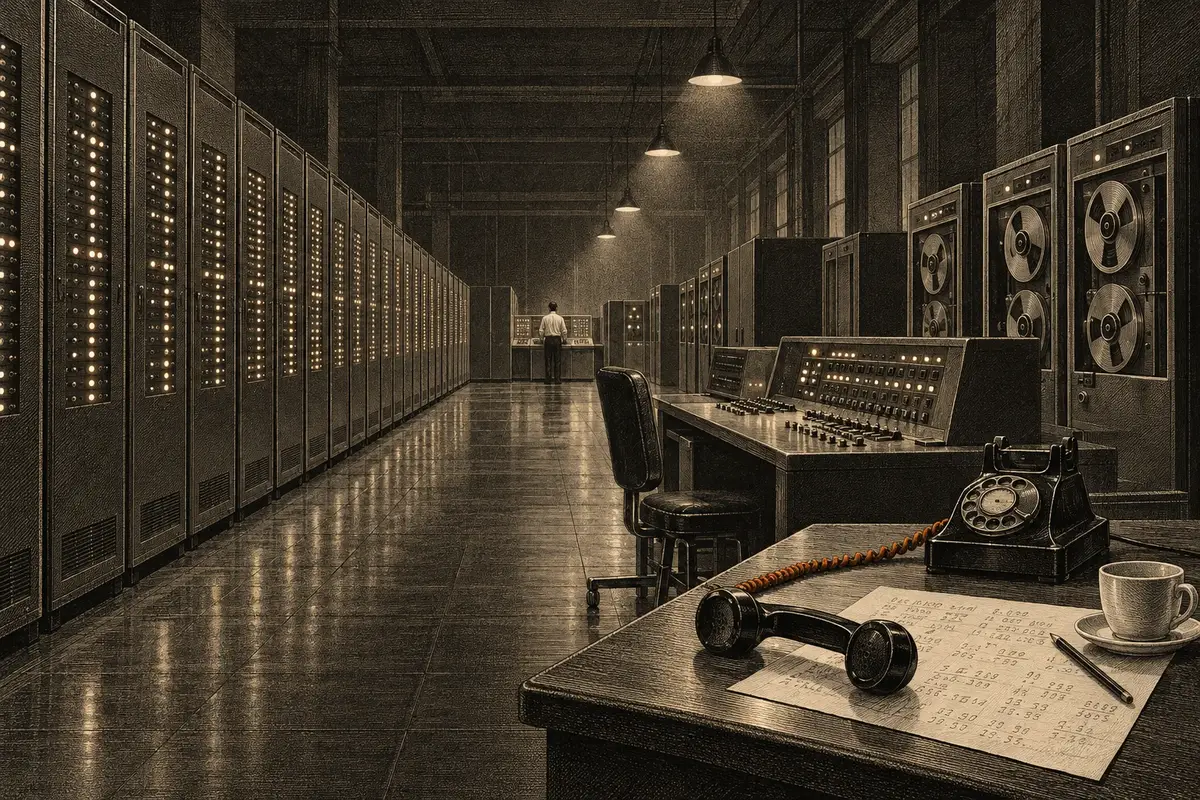
ꯁꯥꯟꯔꯦꯃꯣ, ꯅꯤꯡꯊꯝ 1969
ꯃꯍꯥꯛꯀꯤ ꯊꯕꯛꯀꯤ ꯈ꯭ꯕꯥꯏꯗꯒꯤ ꯐꯖꯅꯥ ꯏꯊꯝꯂꯕ ꯍꯞꯇꯥꯁꯤꯡ ꯑꯁꯤꯅꯤ꯫ ꯁꯍꯔ ꯑꯗꯨꯅ ꯀꯦꯁꯤꯅꯣ ꯀꯟꯠꯔꯣꯜ ꯇꯧꯔꯝꯃꯤ, ꯃꯔꯝ ꯑꯗꯨꯅ ꯑꯔꯣꯏꯕ ꯋꯥꯔꯦꯞ ꯑꯗꯨ ꯁꯍꯔꯒꯤ ꯀꯥꯎꯟꯁꯤꯂꯒꯤꯅꯤ꯫
ꯀꯦꯁꯤꯅꯣꯅ ꯃꯍꯥꯛꯕꯨ ꯅꯨꯃꯤꯠ ꯇꯔꯥꯃꯉꯥ ꯂꯥꯛꯂꯣꯏꯗꯕꯅꯤ ꯍꯥꯌꯈꯤ꯫ ꯄ꯭ꯔꯦꯁꯇ ꯄꯤꯈꯤꯕ ꯃꯔꯃꯗꯤ ꯃꯍꯥꯛꯀꯤ ꯇꯦꯕꯜꯒꯤ ꯑꯀꯣꯌꯕꯗ ꯃꯤ ꯌꯥꯝꯅꯥ ꯊꯨꯃꯖꯤꯟꯕꯅꯤ꯫ ꯔꯨꯂꯦꯠ ꯆꯛꯔꯁꯤꯡ ꯍꯣꯡꯗꯣꯀꯄ ꯐꯥꯑꯣꯕ ꯉꯥꯏꯌꯨ ꯍꯥꯌꯈꯤ ꯍꯥꯌꯅ ꯃꯍꯥꯛꯅ ꯍꯥꯌꯔꯤ꯫
ꯁꯍꯔꯒꯤ ꯀꯥꯎꯟꯁꯤꯂꯅ ꯃꯍꯥꯛꯕꯨ ꯄ꯭ꯔꯣꯐꯦꯁꯅꯦꯜ ꯖꯨꯌꯥ ꯁꯥꯟꯅꯔꯤꯕ ꯑꯣꯏꯅ ꯊꯤꯡꯈꯤ ꯑꯃꯁꯨꯡ ꯃꯍꯥꯛꯀꯤ ꯆꯉꯅꯕ ꯀꯥꯔꯗ ꯂꯧꯊꯣꯀꯈꯤ꯫
ꯃꯍꯥꯛꯀꯤ ꯂꯣꯌꯔꯁꯤꯡꯅ ꯐꯣꯔꯦꯟꯁꯤꯛ ꯃꯦꯗꯤꯁꯤꯅꯒꯤ ꯄ꯭ꯔꯣꯐꯦꯁꯔ ꯑꯃꯥ ꯄ꯭ꯔꯣꯐꯦꯁꯅꯦꯜ ꯖꯨꯌꯥ ꯁꯥꯟꯅꯔꯤꯕ ꯑꯣꯏꯕ ꯌꯥꯔꯣꯏ ꯍꯥꯌꯅ ꯋꯥꯌꯦꯜ ꯄꯤꯈꯤ꯫ ꯀꯥꯎꯟꯁꯤꯂꯅ ꯊꯤꯡꯕ ꯑꯗꯨ ꯂꯧꯊꯣꯀꯈꯤ ꯑꯃꯁꯨꯡ ꯃꯃꯜ ꯌꯥꯎꯗꯅ ꯆꯉꯕ ꯌꯥꯕ ꯏꯀꯥꯌꯈꯨꯝꯅꯕꯒꯤ ꯀꯥꯔꯗ ꯑꯃꯥ ꯋꯥꯁꯀꯄꯤꯈꯤ꯫
ꯃꯍꯥꯛ ꯌꯨꯅꯥꯏꯇꯦꯗ ꯁ꯭ꯇꯦꯠꯁꯇ ꯍꯜꯂꯀꯈꯤ꯫
ꯃꯦꯅꯦꯖꯔꯁꯤꯡꯅ ꯍꯥꯌꯈꯤꯕ
ꯊꯤꯡꯕꯒꯤ ꯃꯇꯥꯡꯗ ꯃꯍꯥꯛ ꯃꯁꯥꯃꯛꯀꯤ ꯋꯥꯍꯩ ꯑꯗꯨ ꯈ꯭ꯕꯥꯏꯗꯒꯤ ꯁꯥꯡꯅ ꯂꯩꯔꯤ: “ꯀꯦꯁꯤꯅꯣ ꯃꯦꯅꯦꯖꯔꯁꯤꯡꯅ ꯃꯥꯡꯕ ꯄꯥꯝꯗ꯭ꯔꯕꯗꯤ, ꯃꯈꯣꯌꯅ ꯃꯍꯤꯛ-ꯃꯍꯩ ꯌꯣꯟꯒꯗꯕꯅꯤ꯫” ꯃꯦ 1969ꯒꯤ ꯄꯦꯄꯔ ꯔꯤꯄꯣꯔꯠ ꯑꯃꯅ ꯀꯦꯁꯤꯅꯣꯒꯤ ꯃꯦꯅꯦꯖꯤꯡ ꯗꯥꯏꯔꯦꯛꯇꯔ ꯍꯥꯌꯅ ꯀꯧꯈꯤꯕ ꯔꯣꯕꯔꯠ ꯂꯥꯔꯗꯦꯔꯥꯅ ꯃꯍꯥꯛ “ꯌꯨꯔꯣꯄꯀꯤ ꯀꯦꯁꯤꯅꯣ ꯈꯨꯗꯤꯡꯃꯛꯀꯤꯗꯃꯛ ꯈꯨꯗꯣꯡꯊꯤꯕ ꯑꯃꯅꯤ” ꯍꯥꯌꯈꯤ ꯍꯥꯌꯅ ꯏꯔꯤ꯫ ꯑꯇꯣꯞꯄ ꯁꯣꯔꯁꯁꯤꯡꯅ ꯃꯇꯝ ꯑꯗꯨꯒꯤ ꯃꯦꯅꯦꯖꯔ ꯑꯗꯨ ꯂꯨꯏꯖꯤ ꯕꯥꯔꯇꯣꯂꯤꯅꯤ ꯍꯥꯌꯅ ꯃꯤꯡ ꯊꯣꯜꯂꯤ, ꯃꯍꯥꯛꯅ ꯖꯥꯔꯦꯀꯤꯕꯨ ꯋꯥꯈꯜ ꯁꯦꯡꯕ ꯑꯃꯁꯨꯡ ꯊꯋꯥꯏ ꯃꯄꯥꯉ꯭ꯒꯜ ꯀꯟꯕ ꯌꯥꯝꯅꯥ ꯐꯕ ꯃꯤ ꯑꯃꯅꯤ ꯍꯥꯌꯈꯤ ꯍꯥꯌꯅ ꯏꯔꯤ꯫ ꯖꯥꯔꯦꯀꯤꯅ 1969ꯗ ꯀꯦꯁꯤꯅꯣ ꯀꯌꯥꯅ ꯃꯍꯥꯛꯕꯨ ꯑꯔꯣꯟꯕ ꯑꯣꯏꯅ ꯍꯜꯂꯛꯂꯣꯏꯗꯕꯅꯤ ꯍꯥꯌꯈꯤ, ꯑꯃꯁꯨꯡ ꯑꯃꯠꯇꯅ ꯃꯍꯥꯛꯕꯨ ꯊꯥꯗꯣꯛꯅꯕ ꯌꯥꯊꯪ ꯄꯤꯈꯤꯗꯦ ꯍꯥꯌꯈꯤ꯫ ꯀꯦꯔꯣꯜ ꯖꯥꯔꯦꯀꯤꯅ ꯌꯥꯝꯅꯥ ꯃꯇꯨꯡꯗ ꯃꯄꯨꯡ ꯐꯥꯅ ꯊꯤꯡꯕ ꯑꯁꯤ ꯌꯥꯝꯅꯥ ꯈꯟꯗꯦ ꯍꯥꯌꯈꯤ, ꯃꯔꯃꯗꯤ ꯃꯍꯥꯛꯅ ꯁ꯭ꯇꯥꯐꯁꯤꯡꯒ ꯃꯔꯨꯞ ꯑꯣꯏꯅꯈꯤ꯫
ꯃꯍꯥꯛꯅ ꯀꯌꯥ ꯃꯥꯏꯄꯥꯀꯈꯤꯕꯒꯦ
ꯃꯁꯤꯡ ꯈꯨꯗꯤꯡꯃꯛ ꯍꯥꯌꯔꯤꯕ ꯋꯥꯐꯝ ꯑꯃꯅꯤ, ꯑꯃꯁꯨꯡ ꯃꯈꯣꯌ ꯆꯥꯡ ꯃꯥꯟꯅꯗꯦ꯫
ꯀꯦꯁꯤꯅꯣꯁꯤꯡꯅ ꯍꯣꯡꯗꯣꯀꯈꯤꯕ
ꯁꯥꯟꯔꯦꯃꯣꯅ ꯃꯁꯤꯒꯤ ꯇꯦꯕꯜꯁꯤꯡ ꯃꯐꯝ ꯍꯣꯡꯈꯤ, ꯃꯁꯤꯅ ꯃꯍꯥꯛꯕꯨ ꯂꯦꯞꯍꯅꯈꯤꯗꯦ꯫ 2018ꯒꯤ ꯑꯣꯕꯤꯆꯨꯌꯥꯔꯤ ꯑꯃꯅ ꯃꯗꯨꯒꯤ ꯃꯇꯨꯡꯗ ꯆꯛꯔ ꯗꯖꯟ ꯑꯅꯤ ꯃꯔꯛ ꯍꯣꯡꯗꯣꯀꯈꯤ ꯍꯥꯌꯅ ꯍꯥꯌꯔꯤ, ꯑꯃꯁꯨꯡ ꯃꯗꯨꯅ ꯂꯦꯞꯍꯅꯈꯤ꯫ ꯃꯁꯤꯅ ꯍꯥꯄꯆꯤꯜꯂꯤ ꯃꯗꯨꯗꯤ ꯄꯨꯝꯅꯃꯛ ꯑꯣꯏꯅ ꯆꯛꯔꯁꯤꯡ ꯍꯦꯟꯅꯥ ꯆꯦꯀꯁꯤꯟꯅꯥ ꯁꯦꯝꯕ ꯍꯧꯈꯤ, ꯊꯤꯒꯗꯕ ꯑꯁꯣꯏꯕ ꯍꯦꯟꯅꯥ ꯌꯥꯝꯗꯅ, ꯑꯃꯁꯨꯡ ꯃꯍꯥꯛꯀꯤ ꯀꯥꯟꯅꯕ ꯃꯥꯡꯈꯤ꯫ ꯃꯍꯥꯛꯀꯤ ꯃꯔꯃꯗ ꯀꯦꯁꯤꯅꯣ ꯑꯃꯅ ꯍꯦꯟꯅꯥ ꯐꯕ ꯆꯛꯔꯁꯤꯡ ꯑꯣꯔꯗꯔ ꯇꯧꯈꯤ ꯍꯥꯌꯕ ꯎꯠꯄ ꯁꯣꯔꯁ ꯑꯃꯠꯇ ꯂꯩꯇꯦ, ꯑꯃꯁꯨꯡ ꯆꯛꯔ ꯁꯦꯝꯕ ꯃꯤ ꯑꯃꯠꯇꯒꯤ ꯃꯃꯤꯡ ꯊꯣꯜꯂꯃꯗꯦ꯫
ꯔꯨꯂꯦꯠꯀꯤ ꯃꯇꯨꯡꯗ
ꯌꯨꯅꯥꯏꯇꯦꯗ ꯁ꯭ꯇꯦꯠꯁꯇ ꯍꯜꯂꯛꯂꯕꯥ ꯃꯇꯨꯡꯗ ꯃꯍꯥꯛꯅ ꯃꯁꯥꯒꯤ ꯑꯦꯀꯥꯎꯟꯇꯇ ꯀꯃꯣꯗꯤꯇꯤ ꯐ꯭ꯌꯨꯆꯔꯁꯤꯡ ꯌꯣꯟꯕ-ꯂꯩꯕ ꯇꯧꯈꯤ, ꯌꯥꯝꯕꯥ ꯂꯨꯄꯥ ꯑꯃꯁꯨꯡ ꯁꯅꯥ, ꯑꯃꯁꯨꯡ ꯂꯥꯁ ꯚꯦꯒꯥꯁ ꯑꯃꯁꯨꯡ ꯑꯦꯇꯂꯥꯟꯇꯤꯛ ꯁꯤꯇꯤꯗ ꯔꯨꯂꯦꯠ ꯑꯃꯁꯨꯡ ꯕ꯭ꯂꯦꯀꯖꯦꯛ ꯁꯥꯟꯅꯕ ꯃꯈꯥ ꯆꯠꯊꯈꯤ꯫ 1998 ꯃꯔꯛꯇ ꯃꯍꯥꯛ ꯃꯅꯤꯂꯥꯗ ꯆꯠꯈꯤ, ꯃꯐꯝ ꯑꯗꯨꯒꯤ ꯀꯦꯁꯤꯅꯣꯁꯤꯡ ꯃꯍꯥꯛꯅ ꯍꯦꯟꯅꯥ ꯄꯥꯝꯈꯤ꯫ ꯃꯍꯥꯛ ꯃꯐꯝ ꯑꯗꯨꯗ 25 ꯖꯨꯂꯥꯏ 2018ꯗ ꯆꯍꯤ 86 ꯑꯣꯏꯔꯀꯄꯗ ꯁꯤꯈꯤ꯫ ꯃꯍꯥꯛꯀꯤ ꯅꯨꯄꯤꯒꯤ ꯋꯥꯔꯣꯜ ꯃꯇꯨꯡ ꯏꯟꯅ ꯃꯍꯥꯛꯅ ꯑꯔꯣꯏꯕꯗ ꯁꯥꯟꯅꯈꯤꯕꯗꯤ ꯃꯃꯥꯡꯒꯤ ꯗꯤꯁꯦꯝꯕꯔꯗ ꯃꯅꯤꯂꯥꯗ ꯇꯨꯔꯅꯥꯃꯦꯟꯠ ꯑꯃꯗꯅꯤ, ꯑꯃꯁꯨꯡ ꯑꯍꯥꯅꯕ ꯑꯣꯏꯈꯤ꯫
ꯋꯥꯍꯪꯁꯤꯡ
ꯃꯇꯝ ꯑꯗꯨꯗ ꯃꯍꯥꯛꯅ ꯑꯗꯨꯃꯛ ꯍꯥꯌꯈꯤ꯫ 2018ꯒꯤ ꯑꯣꯕꯤꯆꯨꯌꯥꯔꯤ ꯑꯃꯁꯨꯡ ꯕꯥꯔꯅꯍꯥꯔꯠꯀꯤ ꯂꯥꯏꯔꯤꯛ ꯑꯅꯤꯃꯛꯅ ꯀꯝꯞꯌꯨꯇꯔ ꯑꯁꯤ ꯈꯨꯠꯅ ꯁ꯭ꯄꯤꯟꯁꯤꯡ ꯏꯊꯝꯕꯒꯤ ꯂꯣꯠꯄ ꯑꯃꯅꯤ ꯍꯥꯌꯔꯤ꯫
ꯁꯥꯟꯔꯦꯃꯣꯅ ꯖꯥꯟꯌꯨꯋꯥꯔꯤ 1969ꯗ ꯃꯍꯥꯛꯕꯨ ꯂꯥꯛꯂꯣꯏꯗꯕꯅꯤ ꯍꯥꯌꯈꯤ, ꯐꯦꯕ꯭ꯔꯨꯋꯥꯔꯤꯗ ꯊꯤꯡꯈꯤ ꯑꯃꯁꯨꯡ ꯅꯨꯃꯤꯠ ꯈꯔꯒꯤ ꯃꯅꯨꯡꯗ ꯑꯃꯨꯛ ꯍꯟꯅꯥ ꯂꯧꯁꯤꯟꯈꯤ꯫ ꯑꯇꯣꯞꯄ ꯃꯐꯃꯁꯤꯡꯗ ꯌꯥꯝꯕꯥ ꯑꯔꯣꯟꯕ ꯑꯣꯏꯅ ꯍꯜꯂꯛꯂꯣꯏꯗꯕꯅꯤ ꯍꯥꯌꯈꯤ꯫
ꯋꯥꯔꯣꯜ ꯀꯌꯥꯒꯤ ꯃꯇꯨꯡ ꯏꯟꯅ $1.2 ꯃꯤꯂꯤꯌꯟꯗꯒꯤ ꯍꯦꯟꯅꯥ꯫ ꯃꯁꯤꯡ ꯑꯁꯤ ꯄ꯭ꯔꯦꯁ ꯔꯤꯄꯣꯔꯇꯁꯤꯡ ꯑꯃꯁꯨꯡ ꯃꯤꯡ ꯊꯣꯜꯂꯃꯗꯕ ꯀꯦꯁꯤꯅꯣꯒꯤ ꯁꯣꯔꯁꯁꯤꯡꯗꯒꯤ ꯂꯥꯀꯏ ꯑꯃꯁꯨꯡ ꯀꯩꯗꯧꯉꯩꯗꯁꯨ ꯑꯣꯗꯤꯠ ꯇꯧꯈꯤꯗꯦ꯫
ꯅꯣꯛꯅꯕꯒꯤ ꯀꯃꯤꯛ
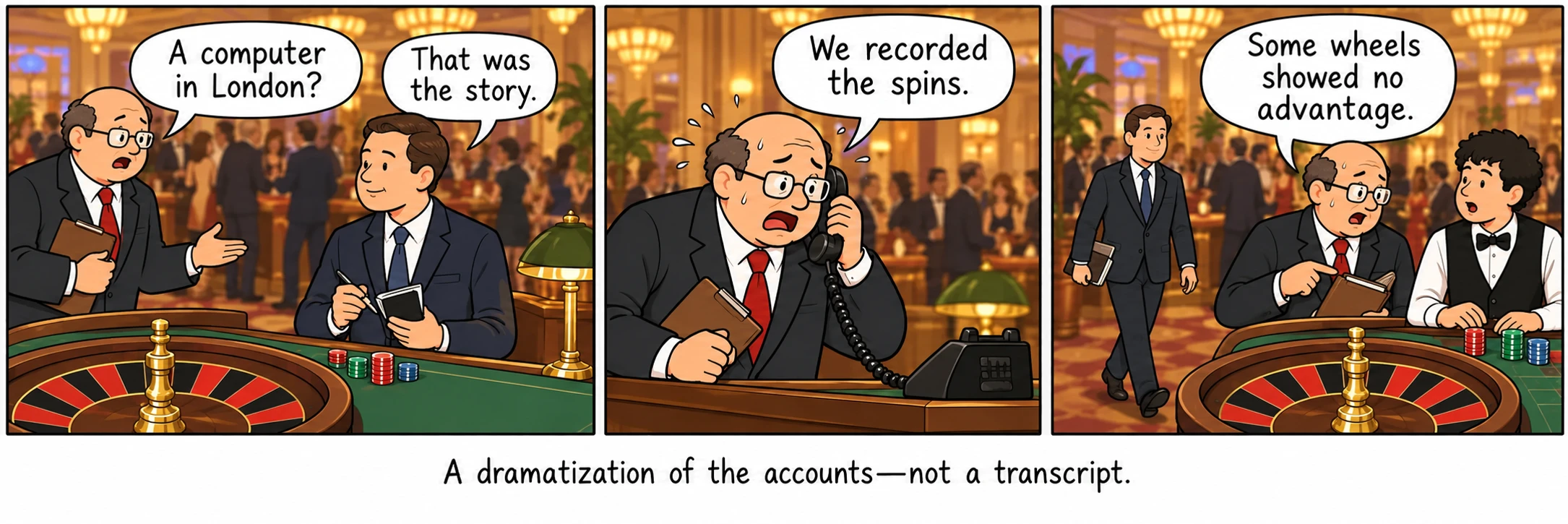
ꯀꯝꯞꯌꯨꯇꯔꯅ ꯊꯥ ꯑꯃꯒꯤ ꯃꯁꯤꯡ ꯊꯤꯕꯗꯒꯤ ꯍꯦꯟꯅꯥ ꯐꯕ ꯋꯥꯔꯤ ꯑꯃꯥ ꯁꯦꯃꯈꯤ꯫
ꯍꯧꯔꯛꯐꯃꯁꯤꯡ
- Slotnik, D. E. “Richard Jarecki, Doctor Who Conquered Roulette, Dies at 86.”
- McClain, D. L. “Carol Jarecki, Respected Chess Referee, Dies at 86.”
- United Press International. “Casino Conqueror Made to Desist.”
- Associated Press. “Winner Wins Casino Card.”
- Associated Press, “Winner Wins Casino Card”, 1969ꯒꯤ ꯐꯦꯕ꯭ꯔꯨꯋꯥꯔꯤ 9ꯒꯤ ꯑꯥꯔꯀꯥꯏꯕ
- Daniel E. Slotnik, Richard Jarecki obituary — WRAL ꯅ ꯑꯃꯨꯛ ꯍꯟꯅꯥ ꯐꯣꯡꯗꯣꯀꯈꯤꯕ New York Times ꯒꯤ ꯔꯤꯄꯣꯔꯠ