ꯀꯥꯏ-ꯁ꯭ꯀ꯭ꯋꯦꯌꯔ ꯇꯦꯁ꯭ꯠ
“ꯃꯁꯤꯡ 37 ꯑꯁꯤ ꯆꯨꯝꯃꯤꯟꯅꯕ ꯆꯛꯔ ꯑꯃꯅ ꯄꯨꯊꯣꯛꯀꯗꯕ ꯑꯗꯨꯅꯤ ꯔꯥ?” ꯍꯥꯌꯕꯒꯤ ꯃꯥꯏꯄꯥꯀꯄꯒꯤ ꯇꯦꯁ꯭ꯠ꯫
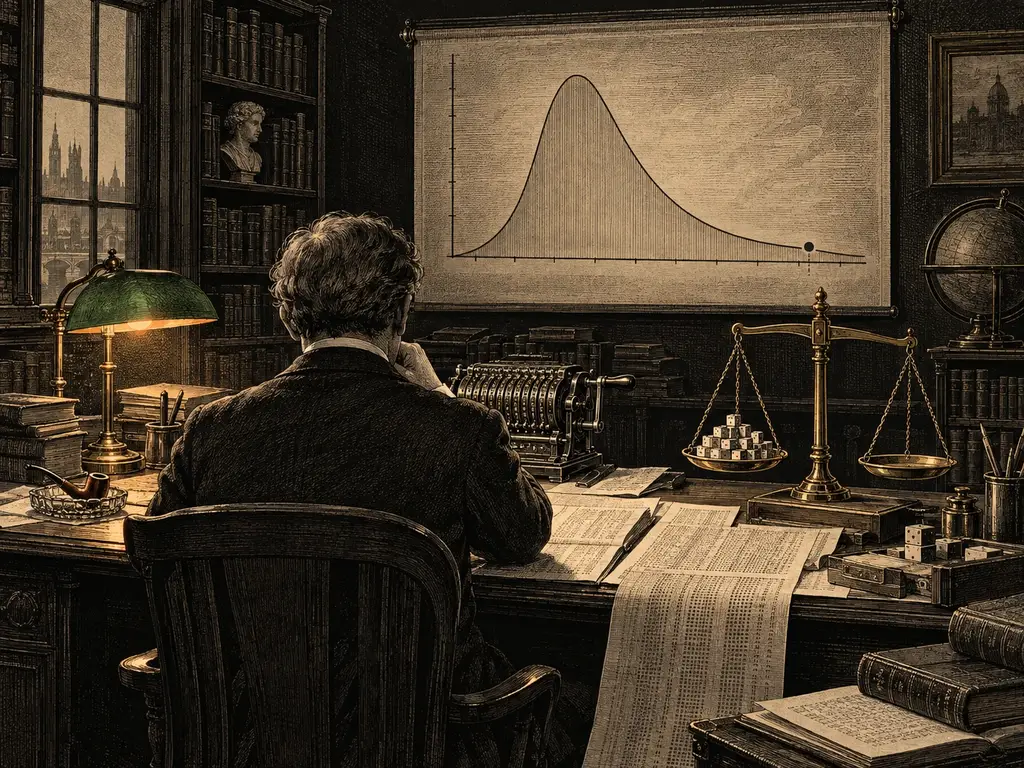
ꯄꯣꯀꯦꯠ 37 ꯄꯨꯝꯅꯃꯛꯇ χ² = Σ (ꯎꯈꯤꯕ − ꯐꯪꯒꯗꯕ)² / ꯐꯪꯒꯗꯕ꯫ p-ꯚꯦꯜꯌꯨ ꯑꯃꯥ ꯐꯪꯅꯕ ꯃꯁꯤꯕꯨ ꯗꯤꯒ꯭ꯔꯤ ꯑꯣꯐ ꯐ꯭ꯔꯤꯗꯝ 36 ꯒꯤ ꯀꯥꯏ-ꯁ꯭ꯀ꯭ꯋꯦꯌꯔ ꯗꯤꯁ꯭ꯇ꯭ꯔꯤꯕ꯭ꯌꯨꯁꯅꯒꯥ ꯆꯥꯡꯗꯝꯕꯤꯌꯨ꯫
ꯃꯁꯤ ꯊꯤꯕ
ꯄꯣꯀꯦꯠꯈꯨꯠꯂꯥꯏꯄꯣꯀꯦꯠꯔꯣꯇꯔꯗ ꯂꯩꯕ ꯃꯁꯤꯡ ꯏꯔꯕ ꯀꯣꯠ 37 ꯒꯤ ꯃꯅꯨꯡꯗ ꯑꯃꯥ꯫ ꯑꯇꯣꯞꯄ ꯃꯃꯤꯡ: ꯁ꯭ꯂꯣꯠ, ꯀꯞ꯫ꯃꯄꯨꯡ ꯄꯥꯕꯤꯌꯨ → ꯈꯨꯗꯤꯡꯒꯤ ꯐꯪꯒꯗꯕ ꯃꯁꯤꯡ ꯑꯗꯨ n/37 ꯅꯤ꯫ ꯄꯣꯀꯦꯠ ꯈꯨꯗꯤꯡꯃꯛꯀꯤꯗꯃꯛ ꯎꯈꯤꯕ ꯑꯃꯁꯨꯡ ꯐꯪꯒꯗꯕꯒꯤ ꯈꯦꯠꯅꯕ ꯑꯗꯨ ꯁ꯭ꯀ꯭ꯋꯦꯌꯔ ꯇꯧꯕꯤꯌꯨ ꯑꯃꯁꯨꯡ ꯐꯪꯒꯗꯕꯅ ꯈꯥꯌꯕꯤꯌꯨ; ꯁꯔꯨꯛ 37 ꯑꯗꯨ ꯄꯨꯟꯁꯤꯟꯕꯤꯌꯨ꯫ ꯆꯨꯝꯃꯤꯟꯅꯕ ꯆꯛꯔ ꯑꯃꯅ ꯑꯦꯚꯔꯦꯖꯗ 36 ꯃꯇꯧꯒꯤ ꯚꯦꯜꯌꯨꯁꯤꯡ ꯄꯤ (ꯗꯤꯒ꯭ꯔꯤ ꯑꯣꯐ ꯐ꯭ꯔꯤꯗꯝꯂꯦꯕꯗꯤꯒ꯭ꯔꯤ ꯑꯣꯐ ꯐ꯭ꯔꯤꯗꯝꯁ꯭ꯇꯦꯇꯤꯁ꯭ꯇꯤꯛ ꯑꯃꯗ ꯃꯔꯤ ꯂꯩꯅꯗꯕ ꯚꯦꯂꯨꯁꯤꯡꯒꯤ ꯃꯁꯤꯡ꯫ ꯄꯣꯀꯦꯠ 37 ꯒꯤ ꯀꯥꯏ-ꯁ꯭ꯀ꯭ꯋꯦꯌꯔ ꯇꯦꯁ꯭ꯠ ꯑꯃꯗ ꯃꯁꯤ 36 ꯅꯤ, ꯃꯔꯃꯗꯤ ꯊꯤꯕ ꯃꯁꯤꯡꯁꯤꯡ ꯄꯨꯟꯁꯤꯟꯂꯕꯗ ꯃꯄꯨꯡ ꯑꯗꯨ ꯑꯣꯏꯒꯗꯕꯅꯤ꯫ꯃꯄꯨꯡ ꯄꯥꯕꯤꯌꯨ →), ꯁ꯭ꯇꯦꯟꯗꯔꯗ ꯗꯤꯚꯤꯌꯦꯁꯟꯃꯦꯊꯃꯦꯇꯤꯛꯁꯁ꯭ꯇꯦꯟꯗꯔꯗ ꯗꯤꯚꯤꯌꯦꯁꯟꯚꯦꯌꯔꯤꯌꯦꯟꯁꯀꯤ ꯁ꯭ꯀ꯭ꯋꯦꯌꯔ ꯔꯨꯠ; ꯃꯍꯩ ꯑꯃꯅ ꯐꯪꯒꯗꯕ ꯃꯃꯜꯗꯒꯤ ꯌꯥꯝꯅ ꯂꯥꯞꯄ ꯃꯑꯣꯡ꯫ꯃꯄꯨꯡ ꯄꯥꯕꯤꯌꯨ → ꯈꯔꯥ 8.5꯫ 51.0 ꯗꯒꯤ ꯍꯦꯟꯕ ꯑꯁꯤ 5% ꯂꯦꯚꯦꯂꯗ ꯃꯔꯨꯑꯣꯏ; 58.6 ꯗꯒꯤ ꯍꯦꯟꯕ ꯑꯁꯤ 1% ꯗ꯫ ꯍꯨꯏꯜ ꯕꯥꯏꯌꯥꯁ ꯑꯦꯅꯥꯂꯥꯏꯖꯔꯅ ꯔꯦꯒ꯭ꯌꯨꯂꯥꯔꯥꯏꯖ ꯇꯧꯔꯕ ꯏꯟꯀꯝꯞ꯭ꯂꯤꯠ ꯒꯥꯃꯥ ꯐꯉ꯭ꯀꯁꯅꯗꯒꯤ ꯁ꯭ꯇꯦꯇꯤꯁ꯭ꯇꯤꯛ ꯑꯃꯁꯨꯡ ꯆꯨꯝꯕ p-ꯚꯦꯜꯌꯨꯂꯦꯕp-ꯚꯦꯜꯌꯨꯆꯛꯔ ꯑꯗꯨ ꯆꯨꯝꯃꯤꯟꯅꯔꯕꯗꯤ ꯎꯈꯤꯕ ꯑꯗꯨꯗꯒꯤ ꯍꯟꯊꯗꯕ ꯂꯥꯞꯊꯣꯛꯄ ꯑꯃꯥ ꯎꯕꯒꯤ ꯈꯨꯗꯣꯡꯆꯥꯕ꯫ꯃꯄꯨꯡ ꯄꯥꯕꯤꯌꯨ → ꯑꯗꯨ ꯊꯤ꯫
ꯊꯤꯔꯕ ꯈꯨꯗꯝ ꯑꯃꯥ
Consider a hypothetical sample of 1,000 independent spinsꯃꯦꯊꯃꯦꯇꯤꯛꯁꯃꯔꯤ ꯂꯩꯅꯗꯕ ꯁ꯭ꯄꯤꯟꯁꯤꯡꯍꯥꯟꯅꯒꯤ ꯃꯍꯩ ꯀꯔꯤꯒꯨꯝꯕ ꯑꯣꯏꯔꯕꯁꯨ ꯁ꯭ꯄꯤꯟ ꯈꯨꯗꯤꯡꯃꯛꯀꯤ ꯊꯣꯛꯄꯒꯤ ꯈꯨꯗꯣꯡꯆꯥꯕ ꯃꯥꯟꯅꯩ꯫ ꯋꯦꯕꯁꯥꯏꯠ ꯑꯁꯤꯒꯤ ꯊꯤꯕ ꯈꯨꯗꯤꯡꯃꯛꯀꯤ ꯌꯨꯝꯐꯝꯅꯤ꯫ꯃꯄꯨꯡ ꯄꯥꯕꯤꯌꯨ →. Each pocket has an expected count of 1,000/37 ≈ 27.03. If pocket 8 appears 41 times, its contribution to the statistic is about 7.22. Suppose the total statistic is approximately 45.2. On 36 degrees of freedom, the approximate p-value is 0.14: under the fair-wheel model, a statistic at least this large has a probabilityꯃꯦꯊꯃꯦꯇꯤꯛꯁꯊꯣꯛꯄꯒꯤ ꯈꯨꯗꯣꯡꯆꯥꯕꯃꯍꯩ ꯑꯃꯥ ꯊꯣꯛꯄꯒꯤ ꯈꯨꯗꯣꯡꯆꯥꯕ, 0 ꯗꯒꯤ 1 ꯐꯥꯑꯣꯕ ꯅꯠꯔꯒ 0% ꯗꯒꯤ 100% ꯐꯥꯑꯣꯕ꯫ ꯃꯁꯤꯡ ꯑꯃꯥ: 1/37 = 2.70%꯫ꯃꯄꯨꯡ ꯄꯥꯕꯤꯌꯨ → of about 14%. This is not significant at the 5% level, and it does not prove the wheel is fair. A pocket selected after examining these counts needs independent confirmation; another 1,000 spins is not guaranteed to resolve a small departure.
ꯂꯧꯁꯤꯡꯁꯤꯡ
The usual approximation assumes independent observations and adequate expected counts. The common five-per-cell rule gives n ≥ 185 for 37 equal pockets; it is a guideline for the approximation, not a hard boundary for all possible tests. Pooling wheels changes the population being tested. Dependence may invalidate the reference distribution without necessarily increasing the statistic.
ꯄꯤꯌꯔꯁꯟ ꯑꯃꯁꯨꯡ ꯃꯣꯟꯇꯦ ꯀꯥꯔꯂꯣ
ꯀꯥꯔꯜ ꯄꯤꯌꯔꯁꯟ (Karl Pearson) ꯅ 1900 ꯗ ꯇꯦꯁ꯭ꯠ ꯑꯁꯤ ꯐꯣꯡꯗꯣꯀꯈꯤ, ꯑꯃꯁꯨꯡ ꯃꯍꯥꯛꯀꯤ ꯑꯍꯥꯅꯕ ꯊꯤꯔꯕ ꯈꯨꯗꯃꯁꯤꯡꯒꯤ ꯃꯅꯨꯡꯗ ꯑꯃꯗꯤ ꯏꯔꯝꯕ ꯃꯣꯟꯇꯦ ꯀꯥꯔꯂꯣ ꯔꯨꯂꯦꯠ ꯁ꯭ꯄꯤꯟ 26,306 ꯅꯤ, ꯃꯈꯣꯌ ꯑꯁꯤ ꯂꯥꯀꯏꯕ ꯑꯣꯏꯅꯕ ꯌꯥꯝꯅ ꯃꯥꯟꯅꯗꯕꯅꯤ ꯍꯥꯌꯅ ꯃꯍꯥꯛꯅ ꯐꯪꯈꯤ ꯑꯃꯁꯨꯡ “ꯃꯣꯟꯇꯦ ꯀꯥꯔꯂꯣꯒꯤ ꯔꯨꯂꯦꯠ… ꯂꯥꯀꯏꯕꯒꯤ ꯁꯥꯟꯅꯕ ꯑꯃꯥ ꯅꯠꯇꯦ” ꯍꯥꯌꯅ ꯂꯥꯑꯣꯊꯣꯀꯈꯤ꯫ ꯃꯇꯨꯡꯒꯤ ꯏꯕꯥ ꯃꯤꯁꯤꯡꯅ ꯄꯤꯔꯤꯡ ꯑꯃꯒꯤꯗꯃꯛ ꯁ꯭ꯄꯤꯟꯁꯤꯡ ꯏꯈꯤꯕ ꯖꯔꯅꯥꯂꯤꯁ꯭ꯇꯁꯤꯡꯅ ꯃꯈꯣꯌꯒꯤ ꯀꯌꯥ ꯁꯦꯝꯖꯤꯟꯈꯤ ꯍꯥꯌꯅ ꯂꯦꯞꯈꯤ, ꯃꯁꯤ ꯗꯦꯇꯥ ꯀꯗꯥꯏꯗꯒꯤ ꯂꯥꯀꯈꯤꯕꯅꯣ ꯍꯥꯌꯕꯒꯤ ꯃꯇꯥꯡꯗ ꯃꯁꯥꯒꯤ ꯇꯝꯕꯤꯕ ꯑꯃꯅꯤ꯫

ꯑꯁꯦꯡꯕ ꯇꯦꯁ꯭ꯠ ꯑꯃꯥ: ꯂꯥꯁ ꯚꯦꯒꯥꯁꯇ ꯑꯣꯇꯣꯃꯦꯇꯤꯛ ꯆꯛꯔꯁꯤꯡ
A published analysis of specific automatic wheels is evidence about those recorded samples, not all automatic roulette. A non-significant uniformity test cannot prove the absence of steering, and combining several wheels does not identify the behavior of each one. Check the original study’s data and design before drawing that conclusion.
ꯀꯥꯏ-ꯁ꯭ꯀ꯭ꯋꯦꯌꯔꯒꯤ ꯃꯊꯛꯇ
ꯆꯤꯡꯅꯕ ꯄꯣꯀꯂꯤꯕ ꯄꯣꯀꯦꯠ ꯑꯃꯈꯛꯀꯤꯗꯃꯛ ꯕꯥꯏꯅꯣꯃꯤꯑꯦꯜ ꯇꯦꯁ꯭ꯠ ꯑꯃꯅ ꯍꯦꯟꯅꯥ ꯃꯄꯥꯡ ꯀꯅꯕꯅꯤ꯫ ꯆꯤꯡꯅꯕ ꯄꯣꯀꯂꯤꯕ ꯁꯔꯨꯛ ꯑꯃꯒꯤꯗꯃꯛ ꯁꯦꯛꯇꯔ ꯑꯦꯅꯥꯂꯥꯏꯁꯤꯁꯀꯤ ꯂꯃꯥꯏꯗ ꯂꯩꯕ ꯁꯦꯛꯇꯔꯆꯛꯔꯁꯦꯛꯇꯔꯆꯛꯔꯗ ꯃꯔꯛ ꯂꯩꯇꯅ ꯃꯈꯥ ꯆꯠꯅꯅ ꯂꯩꯕ ꯄꯣꯀꯦꯠꯁꯤꯡꯒꯤ ꯁꯔꯨꯛ, ꯂꯦꯑꯥꯎꯠꯇ ꯂꯩꯕ ꯀꯥꯡꯂꯨꯞ ꯑꯃꯗꯒꯤ ꯇꯣꯉꯥꯟꯅ꯫ꯃꯄꯨꯡ ꯄꯥꯕꯤꯌꯨ → z-ꯇꯦꯁ꯭ꯠ꯫ ꯀꯥꯏ-ꯁ꯭ꯀ꯭ꯋꯦꯌꯔ ꯑꯁꯤ ꯑꯣꯝꯅꯤꯕꯁ ꯇꯦꯁ꯭ꯠꯅꯤ: ꯀꯔꯤꯒꯨꯝꯕ ꯑꯃꯥ ꯆꯨꯝꯗꯦ ꯍꯥꯌꯕ ꯇꯥꯀꯏ, ꯀꯔꯤꯅꯣ ꯍꯥꯌꯕꯗꯨ ꯍꯥꯌꯗꯦ꯫ ꯑꯍꯥꯅꯕꯗ ꯃꯁꯤ ꯁꯤꯖꯤꯟꯅꯕꯤꯌꯨ, ꯃꯇꯨꯡꯗ ꯌꯦꯡꯕꯤꯌꯨ꯫
ꯐꯣꯔꯃꯨꯂꯥ
ꯋꯥꯍꯪꯁꯤꯡ
ꯃꯁꯤꯡ 37 ꯑꯗꯨ ꯄꯨꯟꯁꯤꯟꯕꯗ n ꯑꯣꯏꯒꯗꯕꯅꯤ, ꯃꯔꯝ ꯑꯗꯨꯅ 36 ꯈꯛ ꯅꯤꯡꯊꯤꯖꯅ ꯍꯣꯡꯕ ꯌꯥꯏ꯫
ꯁ꯭ꯄꯤꯟ 10,000 ꯗ ꯄꯣꯀꯦꯠ ꯑꯃꯥ 1/25 ꯗ ꯂꯥꯀꯄ ꯆꯛꯔ ꯑꯃꯅ ꯄꯣꯀꯦꯠ ꯑꯗꯨꯒꯤ ꯁꯔꯨꯛ ꯈꯛꯇꯗ 60 ꯃꯇꯧ ꯄꯤꯒꯅꯤ; χ² 100 ꯃꯇꯧ, p ꯑꯁꯦꯡꯕꯗ ꯁꯨꯟꯌ꯫
ꯇꯦꯛꯅꯤꯀꯦꯜ ꯑꯣꯏꯅ ꯌꯥꯏ, ꯄꯣꯀꯦꯠ ꯈꯨꯗꯤꯡꯗ 5.4 ꯐꯪꯒꯗꯕꯒꯥ ꯂꯣꯌꯅꯅ꯫ ꯄꯣꯀꯦꯠ ꯑꯃꯥ ꯒ꯭ꯂꯨꯅ ꯊꯤꯡꯖꯤꯜꯂꯕ ꯆꯛꯔ ꯑꯃꯗꯒꯤ ꯍꯦꯟꯗꯅ ꯃꯁꯤꯅ ꯀꯔꯤꯁꯨ ꯊꯤꯗꯣꯛꯂꯣꯏ꯫
ꯅꯣꯛꯅꯕꯒꯤ ꯀꯃꯤꯛ
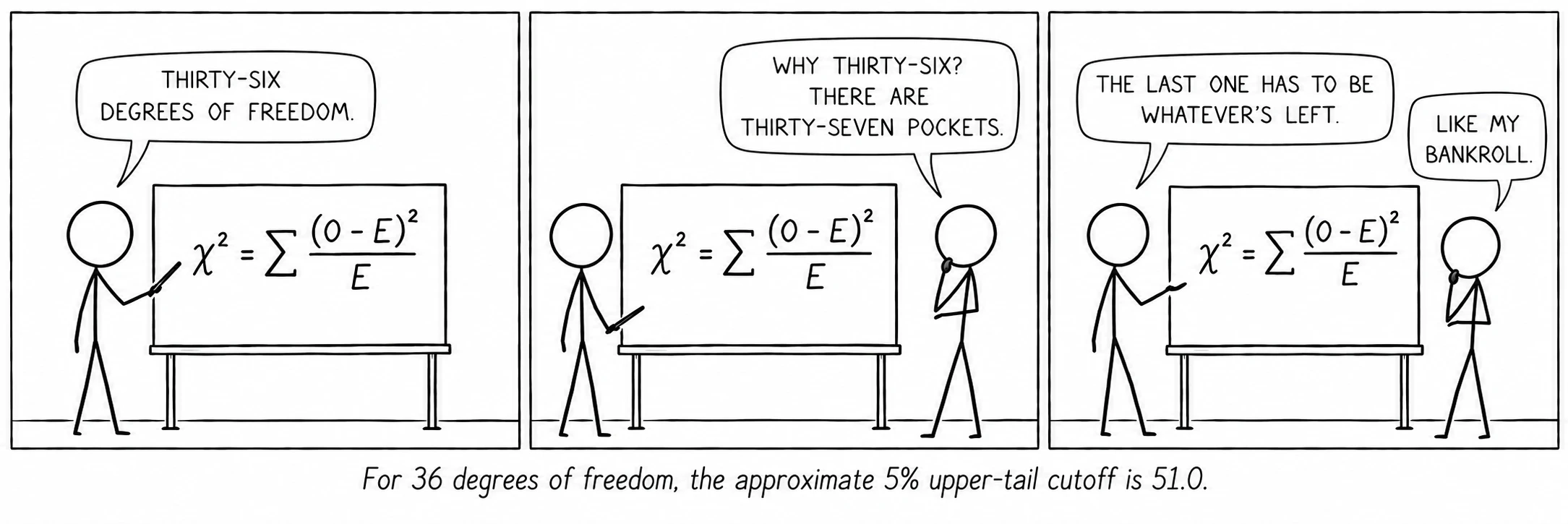
For 36 degrees of freedom, the approximate 5% upper-tail cutoff is 51.0.
ꯍꯧꯔꯛꯐꯃꯁꯤꯡ
- Pearson, K. “On the criterion that a given system of deviations from the probable…”
- Feller, W. An Introduction to Probability Theory and Its Applications, Vol. 1.