ꯔꯨꯂꯦꯠꯇ ꯃꯤꯅꯝꯕ
ꯑꯍꯥꯅꯕ ꯃꯤꯅꯝꯕ ꯔꯨꯂꯦꯠ ꯆꯛꯔꯁꯤꯡ ꯀꯦꯁꯤꯅꯣꯒꯤꯅꯤ꯫ ꯍꯧꯖꯤꯛꯇꯗꯤ ꯃꯤꯅꯝꯕ ꯑꯗꯨ ꯂꯦꯑꯥꯎꯠꯇ ꯊꯣꯀꯏ, ꯌꯥꯝꯅꯥ ꯀꯌꯥꯗ ꯗꯤꯂꯔ ꯑꯃꯒꯤ ꯃꯇꯦꯡꯒꯥ ꯂꯣꯌꯅꯅ, ꯑꯃꯁꯨꯡ ꯂꯥꯏꯁꯦꯟꯁ ꯂꯩꯕ ꯇꯦꯕꯜ ꯈꯨꯗꯤꯡꯃꯛ ꯃꯁꯤ ꯐꯥꯅꯕ ꯁꯦꯝꯕꯅꯤ꯫
ꯔꯨꯂꯦꯠꯇ ꯃꯤꯅꯝꯕꯁꯤꯡꯅ ꯄꯣꯠ ꯃꯔꯤꯕꯨ ꯂꯥꯟꯗꯥꯈꯤ: ꯆꯛꯔ, ꯕꯣꯜ ꯂꯃꯖꯤꯡꯅꯕ ꯁꯦꯝꯕ; ꯕꯦꯠ, ꯃꯍꯩꯒꯤ ꯃꯇꯨꯡꯗ ꯍꯣꯡꯗꯣꯛꯂꯕ; ꯗꯤꯂꯔ, ꯃꯇꯦꯡ ꯄꯥꯡꯅꯕ ꯁꯦꯜ ꯄꯤꯔꯕ; ꯑꯃꯁꯨꯡ ꯁꯣꯐꯇꯋꯦꯌꯔ, ꯁꯦꯜ ꯄꯤꯅꯕ ꯍꯣꯡꯗꯣꯛꯂꯕ꯫ ꯒꯦꯐ ꯇꯧꯔꯕ ꯆꯛꯔ (gaffed wheel) ꯑꯁꯤ ꯆꯍꯤ ꯆꯥꯃꯥ 19ꯁꯨꯕ ꯑꯃꯁꯨꯡ 20ꯁꯨꯕꯒꯤ ꯍꯧꯔꯛꯐꯃꯒꯤ ꯑꯥꯏꯟꯅ ꯌꯥꯗꯕ ꯖꯨꯌꯥ ꯌꯨꯃꯁꯤꯡꯗ ꯀꯦꯁꯤꯅꯣꯒꯤ ꯈꯨꯠꯂꯥꯏꯅꯤ; ꯍꯧꯖꯤꯛ ꯂꯥꯏꯁꯦꯟꯁ ꯂꯩꯕ ꯀꯦꯁꯤꯅꯣꯁꯤꯡꯅ ꯇꯦꯕꯜ ꯍꯥꯡꯗꯣꯛꯠꯔꯤꯉꯩꯗ ꯆꯛꯔ ꯈꯨꯗꯤꯡꯃꯛ ꯃꯦꯒ꯭ꯅꯦꯠ ꯂꯩꯕ-ꯂꯩꯇꯕ ꯌꯦꯡꯁꯤꯜꯂꯤ꯫ ꯍꯧꯖꯤꯛ ꯀꯣꯔꯇꯁꯤꯡꯅ ꯎꯔꯤꯕꯗꯤ ꯃꯇꯨꯡꯗ ꯊꯝꯕ ꯕꯦꯠꯁꯤꯡꯅꯤ, ꯌꯥꯝꯅꯥ ꯀꯌꯥꯗ ꯃꯤꯅꯝꯕ ꯗꯤꯂꯔ ꯑꯃꯅ ꯂꯧꯈꯤꯕ꯫ ꯕꯥꯏꯌꯥꯁ ꯂꯩꯕ ꯆꯛꯔ ꯅꯠꯔꯒꯥ ꯂꯥꯎꯊꯣꯀꯄ ꯌꯥꯕ ꯕꯣꯜ ꯑꯃꯥ ꯃꯤꯠꯅ ꯌꯦꯡꯗꯨꯅ ꯄꯥꯕ ꯑꯁꯤ ꯃꯤꯅꯝꯕ ꯅꯠꯇꯦ; ꯃꯁꯤ ꯇꯧꯅꯕ ꯈꯨꯠꯂꯥꯏ ꯁꯤꯖꯤꯟꯅꯕꯗꯤ ꯅꯦꯚꯥꯗꯥꯗ ꯀ꯭ꯔꯥꯏꯝꯅꯤ꯫
ꯇꯣꯉꯥꯟꯕ ꯋꯥꯐꯝ ꯑꯅꯤ
Observing results is different from altering a wheel or changing a bet after the outcome. That distinction matters, but calling a method “advantage play” does not settle its legality. The rules, conduct and jurisdiction all matter.
Nevada’s NRS 465.070 expressly prohibits several acts involving bets changed with knowledge of the outcome. Its separate device provision covers specified advantage devices and their intended use. The historical cases below should not be treated as legal permission for a new method.
ꯔꯨꯂꯦꯠꯇ ꯃꯤꯅꯝꯕꯒꯤ ꯃꯑꯣꯡ ꯃꯔꯤ
ꯆꯨꯝꯃꯤꯟꯅꯕ ꯁ꯭ꯄꯤꯟ ꯑꯃꯕꯨ ꯃꯐꯝ ꯃꯔꯤꯗ ꯂꯥꯟꯗꯥꯕ ꯌꯥꯏ: ꯆꯛꯔ ꯃꯁꯥꯃꯛ, ꯃꯍꯩ ꯈꯉꯂꯕ ꯃꯇꯨꯡꯒꯤ ꯕꯦꯠ, ꯕꯦꯠꯁꯤꯡ ꯂꯣꯏꯁꯤꯅꯕ ꯗꯤꯂꯔ, ꯑꯃꯁꯨꯡ ꯃꯦꯁꯤꯟ ꯑꯃꯁꯨꯡ ꯑꯣꯟꯂꯥꯏꯅꯗ ꯁꯦꯜ ꯄꯤꯕ ꯁꯣꯐꯇꯋꯦꯌꯔ꯫ ꯀꯅꯥꯅ ꯃꯤꯅꯝꯕꯒꯦ ꯍꯥꯌꯕ ꯑꯁꯤ ꯃꯇꯝꯒꯥ ꯂꯣꯌꯅꯅ ꯍꯣꯡꯂꯛꯂꯦ꯫ ꯆꯍꯤ ꯆꯥꯃꯥ 19ꯁꯨꯕꯗ ꯃꯌꯥꯝꯅꯥ ꯀꯦꯁꯤꯅꯣꯅꯤ꯫ ꯍꯧꯖꯤꯛꯇꯗꯤ ꯃꯌꯥꯝꯅꯥ ꯁꯥꯟꯅꯔꯤꯕꯁꯤꯡꯅꯤ, ꯌꯥꯝꯅꯥ ꯀꯌꯥꯗ ꯗꯤꯂꯔ ꯑꯃꯒꯤ ꯃꯇꯦꯡꯒꯥ ꯂꯣꯌꯅꯅ꯫
ꯃꯤꯅꯝꯕ ꯔꯨꯂꯦꯠ ꯆꯛꯔ, 1890ꯗꯒꯤ 1930ꯒꯤ ꯆꯍꯤꯁꯤꯡ ꯐꯥꯑꯣꯕ
Historical accounts describe wheels built for dishonest operators. In his 1890 book, John Philip Quinn describes a concealed lever connected to a leg of the roulette apparatus, altered metal dividers between pocketsꯈꯨꯠꯂꯥꯏꯄꯣꯀꯦꯠꯔꯣꯇꯔꯗ ꯂꯩꯕ ꯃꯁꯤꯡ ꯏꯔꯕ ꯀꯣꯠ 37 ꯒꯤ ꯃꯅꯨꯡꯗ ꯑꯃꯥ꯫ ꯑꯇꯣꯞꯄ ꯃꯃꯤꯡ: ꯁ꯭ꯂꯣꯠ, ꯀꯞ꯫ꯃꯄꯨꯡ ꯄꯥꯕꯤꯌꯨ →, and hidden needles that could obstruct selected pockets. These are his descriptions of cheating equipment, not evidence that every wheel of the period was rigged.
In 1912, Quinn also described electrically controlled wheels powered by a concealed battery. He suggested detecting them with a pocket compass. This is a historical account, not guidance for inspecting modern equipment.
A surviving example belongs to the Smithsonian’s National Museum of American History: a 1930s wheel made by H. C. Evans & Co. in Chicago. The museum describes an electromagnetic device activated by a dealer’s button to divert the ballꯈꯨꯠꯂꯥꯏꯕꯣꯜꯔꯣꯇꯔꯒꯤ ꯃꯥꯌꯣꯛꯇ ꯇ꯭ꯔꯦꯛꯇ ꯊꯥꯗꯣꯛꯄ ꯑꯄꯤꯛꯄ ꯕꯣꯜ꯫ ꯍꯧꯖꯤꯛꯀꯤ ꯕꯣꯜꯁꯤꯡ ꯑꯥꯏꯚꯣꯔꯤꯟ ꯅꯠꯔꯒ ꯇꯦꯐ꯭ꯂꯣꯅꯅ ꯁꯦꯝꯃꯤ, 18–21 mm꯫ꯃꯄꯨꯡ ꯄꯥꯕꯤꯌꯨ → from numbers carrying large bets.
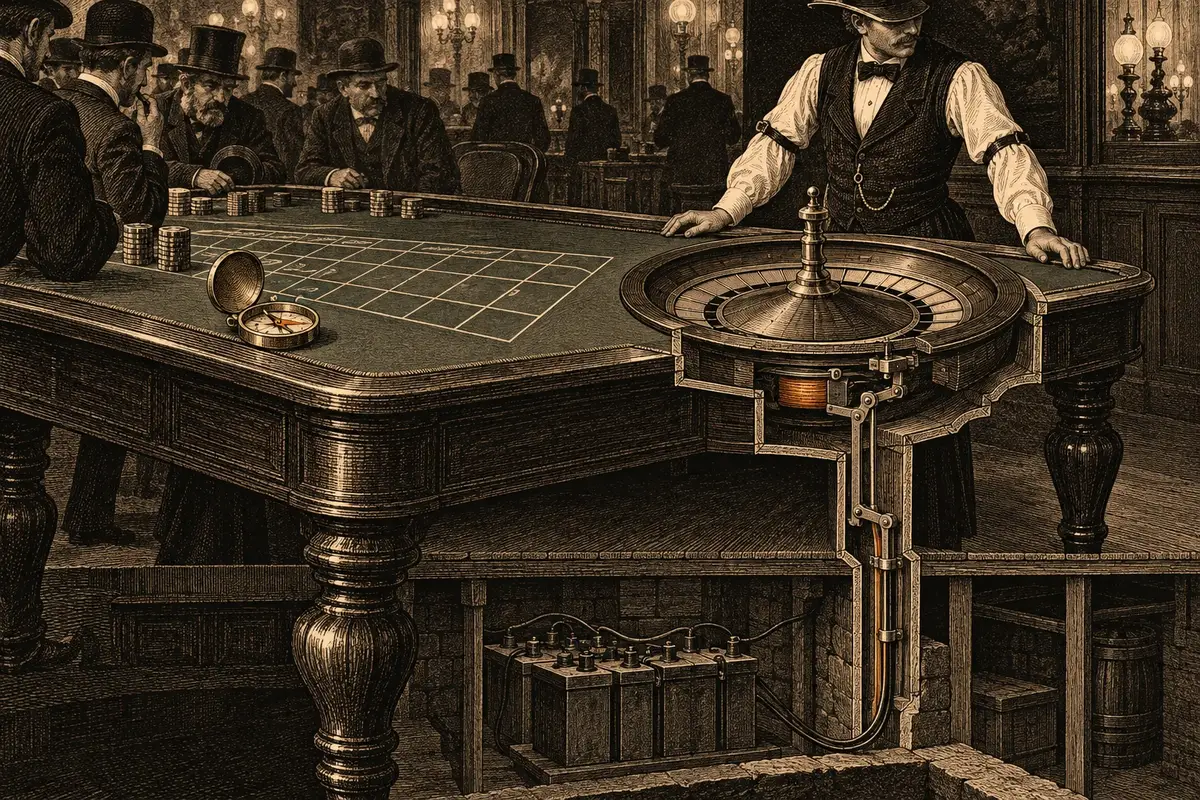
ꯂꯥꯏꯁꯦꯟꯁ ꯂꯩꯕ ꯆꯛꯔ ꯑꯃꯗ ꯃꯤꯅꯝꯕ ꯀꯔꯤꯒꯤ ꯀꯟꯅꯒꯦ
The published New Jersey rules require pre-opening inspections for interfering devices, level and free rotation, secure parts and a non-magnetic ball. They also specify adjustment records and a locked wheel cover when the table is closed. The ball rule calls for non-metallic material unless the Division approves otherwise.
These are specific regulatory requirements, not proof that every casino worldwide follows identical procedures or that misconduct is impossible. Automated result records can support an investigation, but a log is not a guarantee that every fault will be detected.
A uniform single-zeroꯆꯛꯔꯖꯤꯔꯣꯆꯞ ꯃꯥꯟꯅꯕ, ꯗꯖꯟ ꯅꯠꯔꯒ ꯀꯂꯝ ꯕꯦꯠ ꯑꯃꯠꯇꯅ ꯀꯨꯞꯇꯕ ꯑꯁꯪꯕ ꯄꯣꯀꯦꯠ ꯑꯃꯈꯛꯇ; ꯍꯥꯎꯁ ꯑꯦꯖꯀꯤ ꯍꯧꯔꯀꯐꯝꯅꯤ꯫ ꯑꯇꯣꯞꯄ ꯃꯃꯤꯡ: ꯁꯤꯡꯒꯜ ꯖꯤꯔꯣ, 0꯫ꯃꯄꯨꯡ ꯄꯥꯕꯤꯌꯨ → game with standard payoutsꯁꯦꯜꯄꯦꯑꯥꯎꯠꯃꯥꯏꯄꯥꯛꯄ ꯕꯦꯠ ꯑꯃꯅ ꯍꯜꯂꯛꯄ ꯁꯦꯜ, ꯍꯜꯂꯀꯄ ꯊꯝꯂꯕ ꯁꯦꯜꯒꯤ ꯃꯊꯛꯇ “X ꯗꯒꯤ 1” ꯍꯥꯌꯅ ꯍꯥꯌꯏ꯫ꯃꯄꯨꯡ ꯄꯥꯕꯤꯌꯨ → has a 2.70% house edgeꯃꯦꯊꯃꯦꯇꯤꯛꯁꯍꯥꯎꯁ ꯑꯦꯖꯊꯝꯂꯕ ꯁꯦꯜ ꯈꯨꯗꯤꯡꯗꯒꯤ ꯀꯦꯁꯤꯅꯣꯅ ꯑꯦꯚꯔꯦꯖꯗ ꯊꯃꯖꯤꯜꯂꯤꯕ ꯁꯔꯨꯛ: ꯌꯨꯔꯣꯄꯤꯌꯟ ꯔꯨꯂꯦꯠꯇ 2.70%꯫ꯃꯄꯨꯡ ꯄꯥꯕꯤꯌꯨ →. That is an expected return on stakes under the model, not a guarantee that the casino retains exactly that share of every session.
ꯄꯥꯁ꯭ꯠ-ꯄꯣꯁ꯭ꯇꯤꯡ
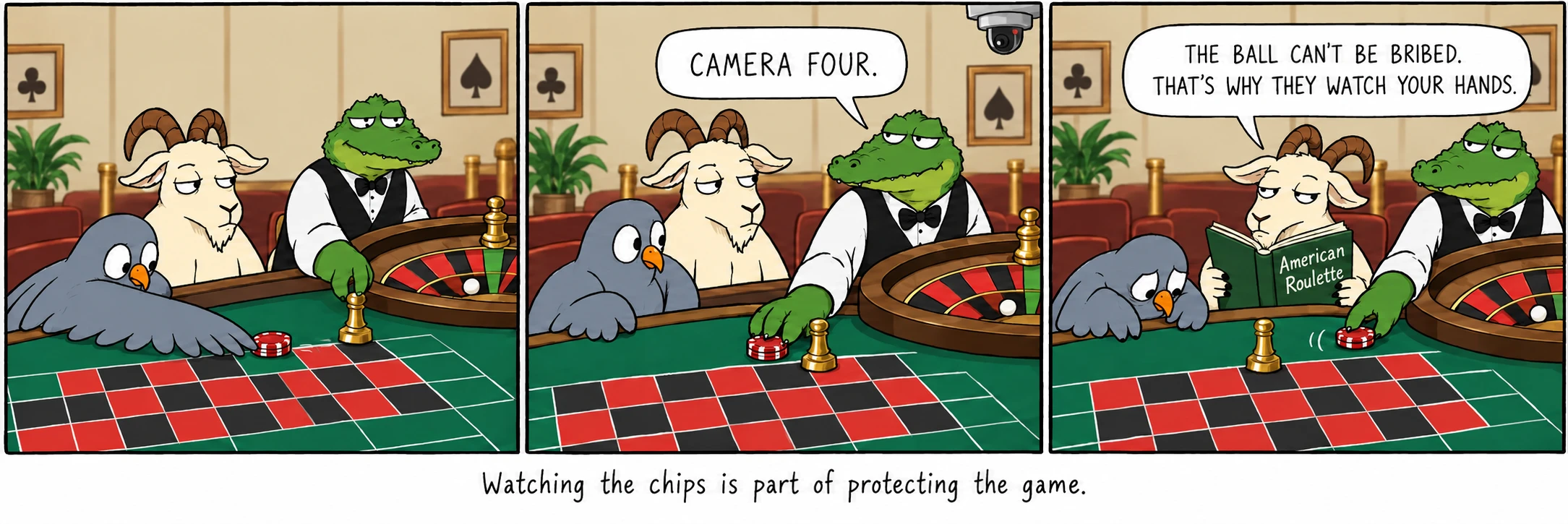
Past-posting means placing or increasing a bet after learning the outcome. Related misconduct includes removing a losing bet or falsely claiming a payout. Nevada’s statute expressly addresses these acts.
A legitimate dispute about an incorrectly recorded or paid bet should be raised with staff and handled through the venue’s review process. Moving chipsꯁꯦꯜꯆꯤꯞꯂꯦꯞꯂꯕ ꯁꯦꯜꯒꯤ ꯃꯃꯜ ꯇꯥꯛꯄ ꯇꯣꯀꯟ, ꯕꯦꯠ ꯊꯝꯅꯕ ꯂꯦꯑꯥꯎꯠꯇ ꯊꯝꯃꯤ꯫ ꯑꯇꯣꯞꯄ ꯃꯃꯤꯡ: ꯆꯦꯛ꯫ꯃꯄꯨꯡ ꯄꯥꯕꯤꯌꯨ → after betting has closed can make the original wager harder to establish.
ꯔꯤꯆꯥꯔꯗ ꯃꯥꯔꯀꯁ
Richard Marcus’s memoir describes his claimed involvement in casino cheating over many years, including roulette. It is a participant’s account, not an independently audited record of every event or claimed win. His statement that he avoided conviction should be attributed to him rather than presented as an exhaustive court-record search.
ꯁꯕꯥꯅꯥ (The Savannah)
Marcus calls one of the schemes in his account the “Savannah”. It involved concealing the value of a stake and improperly removing losing bets. The name and reported winnings belong to his account; a colorful retelling is not independent evidence of its earnings or success rate.
ꯃꯅꯨꯡꯒꯤ ꯊꯕꯛ
ꯍꯧꯖꯤꯛ ꯀꯣꯔꯇ ꯌꯧꯔꯀꯄ ꯔꯨꯂꯦꯠ ꯃꯤꯅꯝꯕ ꯃꯌꯥꯝꯗ ꯗꯤꯂꯔ ꯑꯃꯥ ꯌꯥꯎꯏ꯫ ꯌꯥꯝꯅꯥ ꯎꯕ ꯃꯑꯣꯡ ꯑꯗꯨ ꯃꯇꯨꯡꯗ ꯊꯝꯕ ꯕꯦꯠꯅꯤ: ꯕꯣꯜ ꯂꯦꯞꯂꯕ ꯃꯇꯨꯡꯗ ꯗꯤꯂꯔꯅ ꯃꯔꯨꯞ ꯑꯃꯕꯨ ꯕꯦꯠ ꯊꯝꯕ ꯅꯠꯔꯒꯥ ꯍꯥꯄꯆꯤꯟꯕ ꯌꯥꯍꯜꯂꯤ, ꯅꯠꯔꯒꯥ ꯏꯂꯦꯛꯠꯔꯣꯅꯤꯛ ꯀꯠ-ꯑꯣꯐꯀꯤ ꯃꯃꯥꯡꯗ ꯕꯦꯠ ꯑꯃꯥ ꯆꯪꯅꯕ ꯕꯣꯜ ꯑꯗꯨ ꯌꯥꯡꯅꯥ ꯊꯥꯗꯣꯀꯏ꯫ ꯁꯦꯜ ꯑꯗꯨ ꯌꯥꯝꯅꯥ ꯆꯥꯎꯕ ꯈꯟꯗꯦ, ꯑꯃꯁꯨꯡ ꯀꯦꯁꯁꯤꯡ ꯑꯁꯤ ꯌꯥꯝꯅꯥ ꯀꯌꯥꯗ ꯇꯦꯕꯜ ꯈꯨꯗꯤꯡꯃꯛꯀꯤ ꯃꯊꯛꯇ ꯂꯩꯕ ꯀꯦꯃꯦꯔꯥꯅ, ꯅꯠꯔꯒꯥ ꯗꯤꯂꯔ ꯑꯃꯒꯤ ꯇꯦꯕꯜꯗ ꯂꯦꯞꯇꯅꯥ ꯃꯥꯏꯄꯥꯛꯂꯤꯕ ꯁꯥꯟꯅꯔꯤꯕ ꯑꯃꯅ ꯃꯔꯝ ꯑꯣꯏꯗꯨꯅ ꯎꯔꯀꯏ꯫
ꯃꯦꯁꯤꯟ ꯑꯃꯁꯨꯡ ꯁꯣꯐꯇꯋꯦꯌꯔ
ꯏꯂꯦꯛꯠꯔꯣꯅꯤꯛ ꯔꯨꯂꯦꯠꯅ ꯄꯥꯟꯗꯝ ꯑꯗꯨ ꯆꯤꯞꯇꯒꯤ ꯀꯣꯗꯇ ꯍꯣꯡꯍꯜꯂꯤ꯫ 2007ꯒꯤ ꯅꯤꯡꯊꯝ ꯊꯥꯗ ꯂꯟꯗꯅꯒꯤ ꯀꯦꯁꯤꯅꯣ ꯒ꯭ꯔꯨꯞ ꯑꯃꯗ ꯊꯕꯛ ꯇꯧꯔꯤꯕ IT ꯀꯟꯠꯔꯦꯛꯇꯔ ꯑꯅꯤꯅ ꯃꯁꯤꯒꯤ ꯁꯤꯁ꯭ꯇꯦꯝ ꯑꯗꯨ ꯍꯣꯡꯗꯣꯀꯈꯤ, ꯃꯔꯝ ꯑꯗꯨꯅ ꯂꯥꯏꯕ ꯔꯨꯂꯦꯠ ꯇꯦꯕꯜꯁꯤꯡꯒꯤ ꯇꯔꯃꯤꯅꯦꯂꯁꯤꯡꯅ ꯀꯔꯤ ꯃꯁꯤꯡ ꯊꯣꯀꯂꯕꯁꯨ ꯃꯥꯏꯄꯥꯀꯄ ꯁ꯭ꯂꯤꯞ, ꯃꯈꯜ ꯈꯨꯗꯤꯡꯃꯛ £600 ꯐꯥꯑꯣꯕ, ꯄ꯭ꯔꯤꯟꯠ ꯇꯧꯈꯤ꯫ ꯃꯈꯣꯌꯅ ꯀꯦꯁꯤꯅꯣ ꯃꯔꯤꯗ £33,000 ꯃꯇꯧ ꯀꯦꯁ ꯇꯧꯈꯤ, ꯍꯨꯔꯥꯅꯕꯒꯤ ꯑꯁꯣꯏꯕ ꯌꯥꯈꯤ ꯑꯃꯁꯨꯡ 2010ꯗ ꯁꯁ꯭ꯄꯦꯟꯗ ꯇꯧꯔꯕ ꯆꯩꯔꯥꯛ ꯐꯪꯈꯤ꯫ ꯑꯣꯟꯂꯥꯏꯅꯗ, ꯁꯥꯟꯅꯔꯤꯕꯒꯤ ꯈꯨꯗꯣꯡꯊꯤꯕ ꯑꯗꯨ ꯂꯥꯏꯁꯦꯟꯁ ꯂꯩꯇꯕ ꯑꯣꯄꯔꯦꯇꯔꯅꯤ, ꯃꯁꯤꯒꯤ ꯁꯣꯐꯇꯋꯦꯌꯔ ꯀꯅꯥꯒꯨꯝꯕ ꯑꯃꯠꯇꯅ ꯇꯦꯁ꯭ꯠ ꯇꯧꯗꯦ꯫ ꯂꯥꯏꯁꯦꯟꯁ ꯂꯩꯕ ꯒꯦꯃꯁꯤꯡꯒꯤꯗꯃꯛ ꯑꯩꯈꯣꯌꯅ ꯃꯤꯅꯝꯕ ꯔꯨꯂꯦꯠ ꯖꯦꯅꯦꯔꯦꯇꯔ ꯑꯃꯒꯤ ꯔꯦꯒꯨꯂꯦꯇꯔꯒꯤ ꯐꯣꯡꯗꯣꯀꯄ ꯑꯃꯠꯇ ꯐꯪꯈꯤꯗꯦ꯫ ꯀꯣꯔꯇ ꯌꯧꯔꯀꯄꯗꯤ ꯁꯣꯐꯇꯋꯦꯌꯔ ꯑꯁꯣꯏꯕꯁꯤꯡꯅꯤ: 2021ꯗ BetMGMꯅ ꯑꯣꯟꯂꯥꯏꯟ ꯔꯨꯂꯦꯠ ꯒꯦꯝ ꯑꯃꯗ ꯃꯤꯆꯤꯒꯅꯒꯤ ꯁꯥꯟꯅꯔꯤꯕ ꯑꯃꯅ $50ꯗꯒꯤ $3.3 ꯃꯤꯂꯤꯌꯟ ꯃꯇꯧ ꯐꯥꯑꯣꯕ ꯆꯥꯎꯈꯠꯈꯤꯕ ꯑꯗꯨ ꯁꯣꯐꯇꯋꯦꯌꯔ ꯑꯁꯣꯏꯕ ꯍꯥꯌꯗꯨꯅ ꯀꯛꯊꯣꯀꯈꯤ, ꯑꯃꯁꯨꯡ 2025ꯗ ꯁ꯭ꯇꯦꯠ ꯑꯗꯨꯒꯤ ꯁꯨꯞꯔꯤꯝ ꯀꯣꯔꯇꯅ ꯃꯍꯥꯛꯀꯤ ꯀꯦꯁ ꯑꯗꯨ ꯃꯃꯥꯡꯗ ꯆꯠꯍꯅꯈꯤ꯫ ꯀꯦꯁꯤꯅꯣꯅ ꯄꯤꯕ ꯌꯥꯗꯕ ꯑꯁꯣꯏꯕ ꯑꯃꯗꯤ ꯀꯟꯠꯔꯦꯛꯇꯀꯤ ꯃꯇꯥꯡꯗ ꯌꯥꯅꯤꯡꯗꯕꯅꯤ, ꯒꯦꯝ ꯑꯗꯨ ꯃꯤꯅꯝꯕꯅꯤ ꯍꯥꯌꯕꯒꯤ ꯈꯨꯗꯝ ꯅꯠꯇꯦ꯫
ꯈꯨꯠꯂꯥꯏꯁꯤꯡ, ꯑꯃꯁꯨꯡ ꯑꯥꯏꯅꯅ ꯂꯩꯃꯥꯏ ꯀꯗꯥꯏꯗ ꯂꯩꯕꯒꯦ
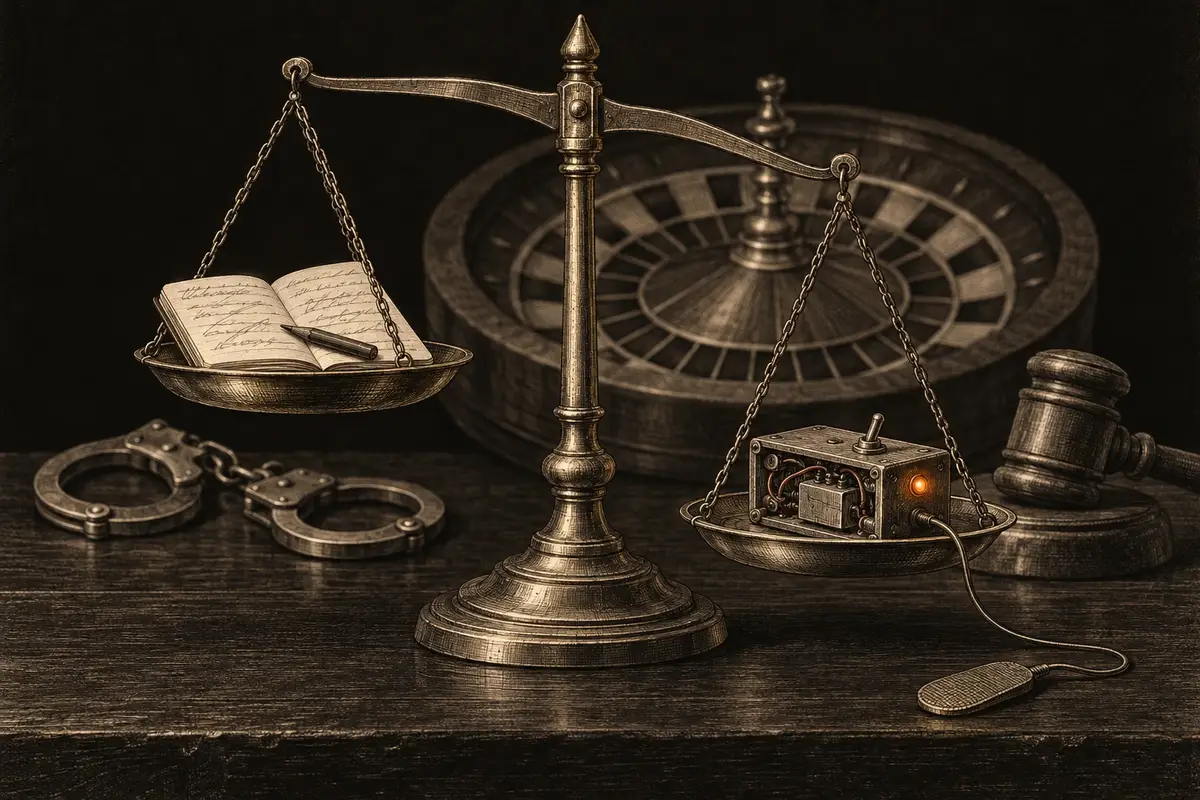
ꯕꯣꯜ ꯂꯥꯎꯊꯣꯀꯄ ꯃꯁꯥꯃꯛꯇꯗꯤ ꯃꯤꯅꯝꯕ ꯅꯠꯇꯦ꯫ ꯖꯣꯁꯦꯐ ꯖꯦꯒꯔ ꯑꯃꯁꯨꯡ ꯒꯥꯔꯁꯤꯌꯥ-ꯄꯦꯂꯥꯌꯣ ꯏꯃꯨꯡꯅ ꯇꯧꯈꯤꯕꯒꯨꯝꯅ ꯕꯥꯏꯌꯥꯁ ꯂꯩꯕ ꯆꯛꯔ ꯑꯃꯥ ꯄꯥꯕꯅ ꯀꯅꯥꯒꯨꯝꯕ ꯑꯃꯅ ꯈꯣꯃꯖꯤꯟꯕ ꯌꯥꯕ ꯏꯅꯐꯣꯃꯦꯁꯟ ꯁꯤꯖꯤꯟꯅꯩ꯫ 2004ꯗ ꯁ꯭ꯄꯦꯅꯒꯤ ꯁꯨꯞꯔꯤꯝ ꯀꯣꯔꯇꯅ ꯒꯥꯔꯁꯤꯌꯥ-ꯄꯦꯂꯥꯌꯣꯁꯤꯡꯅ ꯃꯤꯅꯝꯕ ꯅꯠꯇꯅꯥ ꯂꯧꯁꯤꯡ ꯑꯃꯁꯨꯡ ꯀꯝꯞꯌꯨꯇꯔ ꯁꯤꯖꯤꯟꯅꯈꯤ, ꯑꯃꯁꯨꯡ ꯀꯦꯁꯤꯅꯣꯒꯤ ꯂꯝꯕꯤꯗꯤ ꯃꯁꯤꯒꯤ ꯆꯛꯔꯁꯤꯡ ꯍꯣꯡꯗꯣꯛꯄꯅꯤ ꯍꯥꯌꯅ ꯋꯥꯌꯦꯜ ꯄꯤꯈꯤ꯫ ꯀꯝꯞꯌꯨꯇꯔ ꯑꯗꯨ ꯇꯦꯕꯜꯗ ꯄꯨꯕꯗꯤ ꯇꯣꯉꯥꯟꯕ ꯋꯥꯐꯝꯅꯤ꯫ ꯅꯦꯚꯥꯗꯥꯅ ꯁꯥꯟꯅꯕ ꯑꯃꯒꯤ ꯃꯍꯩ ꯂꯥꯎꯊꯣꯛꯅꯕ ꯅꯠꯔꯒꯥ ꯃꯁꯤꯒꯤ ꯄ꯭ꯔꯣꯕꯦꯕꯤꯂꯤꯇꯤ ꯌꯦꯡꯁꯤꯟꯅꯕ ꯁꯦꯝꯕ ꯈꯨꯠꯂꯥꯏ ꯑꯃꯥ ꯁꯤꯖꯤꯟꯅꯕ ꯅꯠꯔꯒꯥ ꯊꯝꯕ ꯑꯁꯤ ꯀ꯭ꯔꯥꯏꯝ ꯑꯣꯏꯍꯜꯂꯦ, ꯑꯃꯁꯨꯡ 1985ꯗꯒꯤ ꯃꯁꯤꯕꯨ ꯐꯦꯂꯣꯅꯤ ꯑꯣꯏꯅ ꯂꯧꯔꯦ꯫ ꯕ꯭ꯔꯤꯇꯦꯅꯒꯤ ꯒꯦꯝꯕ꯭ꯂꯤꯡ ꯑꯦꯛꯠ 2005ꯅ ꯃꯤꯅꯝꯕ ꯑꯁꯤ ꯑꯣꯐꯦꯟꯁ ꯑꯣꯏꯍꯜꯂꯤ ꯑꯃꯁꯨꯡ ꯃꯁꯤꯗ ꯁꯥꯟꯅꯕꯒꯤ ꯊꯧꯑꯣꯡꯗ ꯊꯥꯗꯣꯛꯄꯁꯨ ꯌꯥꯎꯕ ꯌꯥꯏ ꯍꯥꯌꯔꯤ; 2017ꯗ UK ꯁꯨꯞꯔꯤꯝ ꯀꯣꯔꯇꯅ Ivey v Gentingꯇ ꯃꯤꯅꯝꯕ ꯑꯁꯤ ꯊꯥꯖꯗꯕ ꯑꯣꯏꯒꯗꯕ ꯃꯊꯧ ꯇꯥꯗꯦ ꯍꯥꯌꯅ ꯋꯥꯌꯦꯜ ꯄꯤꯈꯤ꯫
ꯔꯨꯂꯦꯠ ꯀꯝꯄꯤꯎꯇꯔꯁꯤꯡꯒꯣꯟꯖꯥꯂꯣ ꯒꯥꯔꯁꯤꯌꯥ-ꯄꯦꯂꯥꯌꯣ: ꯔꯨꯂꯦꯠ ꯁꯤꯁ꯭ꯇꯦꯝꯖꯣꯁꯦꯐ ꯖꯦꯒꯔ: ꯃꯣꯟꯇꯦ ꯀꯥꯔꯂꯣꯗ ꯔꯨꯂꯦꯠ ꯊꯧꯔꯥꯡ
ꯃꯤꯅꯝꯕꯒꯤ ꯃꯇꯥꯡꯗ ꯏꯕ ꯈꯨꯗꯤꯡꯃꯛꯅ ꯍꯟꯖꯤꯟ ꯍꯟꯖꯤꯟ ꯍꯥꯌꯔꯤꯕ ꯋꯥꯔꯤꯁꯤꯡ
ꯔꯨꯂꯦꯠ ꯃꯤꯅꯝꯕꯁꯤꯡꯒꯤ ꯃꯇꯥꯡꯗ ꯂꯃꯥꯏ ꯌꯥꯝꯅꯥ ꯀꯌꯥꯗ ꯋꯥꯔꯤ ꯑꯅꯤ ꯊꯣꯀꯏ, ꯑꯃꯁꯨꯡ ꯑꯅꯤꯃꯛ ꯍꯧꯔꯛꯐꯝ ꯑꯃꯗ ꯆꯠꯄ ꯉꯃꯗꯦ꯫ ꯆꯍꯤ ꯆꯥꯃꯥ 19ꯁꯨꯕꯒꯤ ꯍꯧꯔꯛꯐꯃꯗ ꯆꯛꯔꯁꯤꯡ ꯃꯤꯅꯝꯈꯤ ꯑꯃꯁꯨꯡ ꯃꯍꯥꯛꯀꯤ ꯅꯨꯄꯤꯅ ꯃꯤꯅꯝꯈꯤ ꯍꯥꯌꯔꯤꯕ ꯐ꯭ꯔꯦꯟꯆ ꯃꯤ ꯄꯤꯌꯦꯔ ꯗꯨꯒꯥꯜ (Pierre Dugal) ꯑꯁꯤ ꯇꯥꯡ ꯂꯩꯇꯅꯥ, ꯀꯦꯁꯤꯅꯣ ꯂꯩꯇꯅꯥ ꯑꯃꯁꯨꯡ ꯋꯥꯌꯦꯜ ꯂꯩꯇꯅꯥ ꯊꯣꯀꯏ꯫ 1970ꯒꯤ ꯆꯍꯤꯁꯤꯡꯗ ꯁꯤꯒ꯭ꯔꯦꯠ ꯄꯦꯀꯦꯠ ꯑꯃꯗ ꯂꯣꯠꯂꯕ ꯇ꯭ꯔꯥꯟꯁꯃꯤꯇꯔ ꯑꯃꯗꯒꯤ ꯔꯦꯗꯤꯑꯣꯅ ꯆꯂꯥꯏꯕ ꯕꯣꯜ ꯑꯃꯥ ꯂꯃꯖꯤꯡꯈꯤ ꯍꯥꯌꯔꯤꯕ ꯃꯣꯅꯤꯛ ꯂꯣꯔꯦꯟ (Monique Laurent)ꯅ ꯀꯦꯁꯤꯅꯣ, ꯁꯦꯜ, “ꯐ꯭ꯔꯥꯉ꯭ꯛ 5 ꯃꯤꯂꯤꯌꯟ” ꯅꯠꯔꯒꯥ “$1 ꯃꯤꯂꯤꯌꯟ”, ꯑꯃꯁꯨꯡ ꯃꯍꯥꯛ ꯐꯥꯈꯤꯕꯔꯥ ꯍꯥꯌꯕꯗ ꯌꯥꯅꯤꯡꯗꯕ ꯚꯔꯁꯅꯁꯤꯡꯗ ꯊꯣꯀꯏ꯫ ꯑꯩꯈꯣꯌꯅ ꯑꯅꯤꯃꯛꯀꯤꯗꯃꯛ ꯃꯇꯝ ꯑꯗꯨꯒꯤ ꯄꯥꯎꯆꯦꯟ, ꯀꯣꯔꯇꯀꯤ ꯔꯦꯀꯣꯔꯗ ꯅꯠꯔꯒꯥ ꯂꯥꯏꯔꯤꯛ ꯑꯃꯠꯇ ꯐꯪꯈꯤꯗꯦ꯫ ꯑꯇꯣꯞꯄ ꯋꯥꯐꯝ ꯑꯅꯤꯗꯤ ꯑꯔꯥꯟꯕꯅꯤ: ꯒꯥꯔꯁꯤꯌꯥ-ꯄꯦꯂꯥꯌꯣꯒꯤ ꯀꯦꯁ ꯑꯗꯨ ꯁ꯭ꯄꯦꯅꯗ ꯋꯥꯌꯦꯜ ꯄꯤꯈꯤ, ꯌꯨꯅꯥꯏꯇꯦꯗ ꯁ꯭ꯇꯦꯇꯁꯀꯤ ꯁꯨꯞꯔꯤꯝ ꯀꯣꯔꯇꯅ ꯅꯠꯇꯦ, ꯑꯃꯁꯨꯡ ꯔꯤꯆꯥꯔꯗ ꯃꯥꯔꯀꯁꯅ, ꯃꯍꯥꯛꯀꯤ ꯃꯁꯥꯒꯤ ꯋꯥꯔꯤ ꯑꯃꯁꯨꯡ ꯃꯇꯨꯡꯒꯤ ꯏꯟꯇꯔꯚꯤꯌꯨꯁꯤꯡꯗ, ꯀꯩꯗꯧꯉꯩꯗꯁꯨ ꯑꯁꯣꯏꯕ ꯐꯪꯈꯤꯗꯦ꯫
ꯀꯦꯁꯤꯅꯣꯅ ꯃꯁꯤ ꯀꯔꯝꯅ ꯐꯥꯕꯒꯦ
Betting cutoffs, a marker on the winning number, payout procedures, surveillance and equipment inspections can make a wager easier to verify and misconduct harder to conceal. The exact controls depend on the venue and its regulations.
New Jersey’s equipment rules provide one concrete example. They should not be expanded into claims that every wheel records every result, every chip contains an RFID tag, or every suspicious event is automatically detected.
ꯃꯍꯧꯁꯥꯒꯤ ꯁꯥꯟꯅꯔꯤꯕ ꯑꯃꯒꯤꯗꯃꯛ ꯃꯁꯤꯒꯤ ꯑꯔꯊ
Follow the dealer’s instructions about when bets may be placed and when chips may be collected. If you think a bet or payout is wrong, ask for a review before altering the layoutꯈꯨꯠꯂꯥꯏꯂꯦꯑꯥꯎꯠꯇꯦꯕꯜꯗ ꯏꯔꯕ ꯕꯦꯠ ꯊꯝꯕꯒꯤ ꯒ꯭ꯔꯤꯗ꯫ ꯑꯇꯣꯞꯄ ꯃꯃꯤꯡ: ꯇꯦꯕꯜ, ꯐꯦꯜꯠ, ꯀ꯭ꯂꯣꯊ꯫ꯃꯄꯨꯡ ꯄꯥꯕꯤꯌꯨ →. Do not accept an offer to place a bet after the result is known.
For an online dispute, preserve the game name, round reference, account record and relevant terms. Check the operator’s license with the named regulator and follow the applicable complaint process. Licensing provides oversight; it does not guarantee a win, a flawless system or a particular outcome in a dispute.
ꯋꯥꯍꯪꯁꯤꯡ
ꯌꯥꯗꯦ꯫ ꯃꯍꯩ ꯈꯉꯂꯕ ꯃꯇꯨꯡꯗ ꯕꯦꯠ ꯍꯣꯡꯗꯣꯛꯄ ꯑꯁꯤ ꯁꯥꯟꯅꯕ ꯑꯗꯨ ꯑꯥꯏꯟꯅ ꯌꯥꯕ ꯃꯐꯝ ꯈꯨꯗꯤꯡꯗ ꯐ꯭ꯔꯣꯗꯅꯤ꯫
ꯅꯦꯚꯥꯗꯥꯗ ꯑꯁꯤꯒꯨꯝꯕ ꯈꯨꯠꯂꯥꯏ ꯁꯤꯖꯤꯟꯅꯕ ꯑꯁꯤ 1985ꯗꯒꯤ ꯐꯦꯂꯣꯅꯤꯅꯤ꯫ ꯑꯇꯣꯞꯄ ꯃꯐꯃꯁꯤꯡꯗ ꯑꯥꯏꯟ ꯇꯣꯉꯥꯟꯅꯥ ꯂꯩ; ꯑꯦꯗꯚꯥꯟꯇꯦꯖ ꯄ꯭ꯂꯦ ꯌꯦꯡꯕꯤꯌꯨ꯫
ꯃꯍꯥꯀꯄꯨ ꯀꯌꯥ ꯍꯟꯅꯥ ꯋꯥꯍꯪ ꯍꯪꯈꯤ ꯑꯃꯁꯨꯡ, ꯃꯍꯥꯛꯀꯤ ꯃꯁꯥꯒꯤ ꯋꯥꯔꯤ ꯑꯃꯁꯨꯡ ꯃꯇꯨꯡꯒꯤ ꯏꯟꯇꯔꯚꯤꯌꯨꯁꯤꯡꯗ, ꯀꯩꯗꯧꯉꯩꯗꯁꯨ ꯑꯁꯣꯏꯕ ꯐꯪꯈꯤꯗꯦ꯫ ꯃꯇꯨꯡꯗ ꯃꯍꯥꯛꯅ ꯀꯦꯁꯤꯅꯣꯁꯤꯡꯗ ꯒꯦꯝ ꯉꯥꯀꯊꯣꯀꯄꯒꯤ ꯃꯇꯥꯡꯗ ꯄꯥꯎꯇꯥꯛ ꯄꯤꯔꯦ꯫
ꯃꯃꯥꯡꯗ ꯇꯧꯈꯤ: ꯁ꯭ꯃꯤꯊꯁꯣꯅꯤꯌꯅꯗ ꯃꯁꯤꯒꯤꯗꯃꯛ ꯁꯦꯃꯈꯤꯕ 1930ꯒꯤ ꯆꯍꯤꯁꯤꯡꯒꯤ ꯆꯛꯔ ꯑꯃꯥ ꯂꯩ꯫ ꯂꯥꯏꯁꯦꯟꯁ ꯂꯩꯕ ꯀꯦꯁꯤꯅꯣꯁꯤꯡꯅ ꯇꯦꯕꯜ ꯍꯥꯡꯗꯣꯛꯠꯔꯤꯉꯩꯗ ꯃꯦꯒ꯭ꯅꯦꯠ ꯌꯦꯡꯁꯤꯜꯂꯤ, ꯑꯃꯁꯨꯡ ꯅ꯭ꯌꯨ ꯖꯔꯁꯤꯗ ꯕꯣꯜꯗ ꯃꯦꯇꯦꯜ ꯑꯃꯠꯇ ꯂꯩꯔꯣꯏꯗꯕꯅꯤ꯫
ꯀꯣꯔꯇꯇ ꯄꯨꯔꯀꯏ꯫ ꯗꯤꯂꯔꯁꯤꯡ ꯑꯃꯁꯨꯡ ꯃꯈꯣꯌꯒꯤ ꯃꯔꯨꯄꯁꯤꯡꯗ ꯌꯨꯅꯥꯏꯇꯦꯗ ꯁ꯭ꯇꯦꯇꯁ, ꯅ꯭ꯌꯨꯖꯤꯂꯦꯟꯗ, ꯏꯉ꯭ꯂꯦꯟꯗ ꯑꯃꯁꯨꯡ ꯁꯤꯡꯒꯥꯄꯨꯔꯗ ꯆꯩꯔꯥꯛ ꯄꯤꯈ꯭ꯔꯦ꯫
ꯃꯦꯊꯃꯦꯇꯤꯛꯁꯀꯥ ꯁꯥꯟꯅꯕ
ꯃꯁꯤꯁꯤꯡ ꯑꯍꯥꯅꯕꯗ ꯅꯍꯥꯛ ꯃꯁꯥꯃꯛꯅ ꯍꯣꯠꯅꯕꯤꯌꯨ꯫ ꯄꯥꯎꯈꯨꯝ ꯈꯨꯗꯤꯡꯃꯛ ꯊꯨꯡꯗꯨꯅ ꯊꯝꯂꯤ; ꯁꯦꯝ ꯁꯥꯔꯕ ꯃꯇꯃꯗ ꯍꯥꯡꯗꯣꯛꯄꯤꯌꯨ꯫
On a uniform double-zeroꯆꯛꯔꯖꯤꯔꯣꯆꯞ ꯃꯥꯟꯅꯕ, ꯗꯖꯟ ꯅꯠꯔꯒ ꯀꯂꯝ ꯕꯦꯠ ꯑꯃꯠꯇꯅ ꯀꯨꯞꯇꯕ ꯑꯁꯪꯕ ꯄꯣꯀꯦꯠ ꯑꯃꯈꯛꯇ; ꯍꯥꯎꯁ ꯑꯦꯖꯀꯤ ꯍꯧꯔꯀꯐꯝꯅꯤ꯫ ꯑꯇꯣꯞꯄ ꯃꯃꯤꯡ: ꯁꯤꯡꯒꯜ ꯖꯤꯔꯣ, 0꯫ꯃꯄꯨꯡ ꯄꯥꯕꯤꯌꯨ → wheel, place 4 chipsꯁꯦꯜꯆꯤꯞꯂꯦꯞꯂꯕ ꯁꯦꯜꯒꯤ ꯃꯃꯜ ꯇꯥꯛꯄ ꯇꯣꯀꯟ, ꯕꯦꯠ ꯊꯝꯅꯕ ꯂꯦꯑꯥꯎꯠꯇ ꯊꯝꯃꯤ꯫ ꯑꯇꯣꯞꯄ ꯃꯃꯤꯡ: ꯆꯦꯛ꯫ꯃꯄꯨꯡ ꯄꯥꯕꯤꯌꯨ → on each number from 25 to 36 and 20 chips on the third dozenꯕꯦꯠꯗꯖꯟ1–12, 13–24 ꯅꯠꯔꯒ 25–36, 2:1 ꯄꯦꯑꯥꯎꯠ꯫ꯃꯄꯨꯡ ꯄꯥꯕꯤꯌꯨ →. Find the net result when the dozen hits, the loss when it misses, and the expected lossꯃꯦꯊꯃꯦꯇꯤꯛꯁꯃꯥꯡꯒꯗꯕ ꯁꯦꯜꯐꯪꯒꯗꯕ ꯃꯃꯂꯕꯨ ꯕꯦꯠ ꯊꯝꯂꯕ ꯁꯦꯜ ꯄꯨꯝꯅꯃꯛꯅ ꯃꯅꯥꯡꯕ; ꯁꯦꯁꯟ ꯅꯠꯔꯒ ꯃꯇꯝ ꯑꯃꯒꯤ ꯃꯅꯨꯡꯗ ꯃꯥꯡꯕ ꯑꯦꯚꯔꯦꯖ ꯁꯦꯜ꯫ꯃꯄꯨꯡ ꯄꯥꯕꯤꯌꯨ → per spin.
ꯄꯥꯎꯈꯨꯝ ꯎꯠꯄ
ꯄꯥꯎꯈꯨꯝ ꯌꯥꯃꯂꯕꯗꯤ +136 ꯆꯤꯞ ꯑꯃꯁꯨꯡ ꯌꯥꯃꯗ꯭ꯔꯕꯗꯤ −68, ꯃꯔꯝ ꯑꯗꯨꯅ ꯑꯦꯚꯔꯦꯖꯗ ꯇꯤꯝ ꯑꯗꯨꯅ ꯁ꯭ꯄꯤꯟ ꯈꯨꯗꯤꯡꯗ ꯆꯤꯞ 3.58 ꯃꯥꯡꯏ, 68 ꯒꯤ ꯃꯇꯝ ꯄꯨꯝꯕꯒꯤ 5.26%꯫ ꯗꯖꯟ ꯑꯁꯤ ꯁ꯭ꯄꯤꯟ 3.2 ꯈꯔꯗ ꯑꯃꯨꯛ ꯌꯥꯀꯏ꯫
Each spin 68 chips go down. If one of 25 to 36 comes up, the 4 chips on it win 35 to 1 and come back with their stake: 144 chips. The dozen pays 2 to 1 on 20 chips: 60 back. That is 204 for 68 staked, +136. Otherwise all 68 are lost.
Average: (12 × 136 − 26 × 68)/38 = (1,632 − 1,768)/38 = −3.58 chips a spin, which is 5.26% of 68. The dozen comes up 12 times in 38, once every 3.2 spins on average.
Combining these bets changes the outcome amounts but preserves the ordinary double-zero house edgeꯃꯦꯊꯃꯦꯇꯤꯛꯁꯍꯥꯎꯁ ꯑꯦꯖꯊꯝꯂꯕ ꯁꯦꯜ ꯈꯨꯗꯤꯡꯗꯒꯤ ꯀꯦꯁꯤꯅꯣꯅ ꯑꯦꯚꯔꯦꯖꯗ ꯊꯃꯖꯤꯜꯂꯤꯕ ꯁꯔꯨꯛ: ꯌꯨꯔꯣꯄꯤꯌꯟ ꯔꯨꯂꯦꯠꯇ 2.70%꯫ꯃꯄꯨꯡ ꯄꯥꯕꯤꯌꯨ →. The expected loss is calculated on all 68 chips staked, including the overlapping coverage.
Consider a hypothetical double-zero outcome model: with probabilityꯃꯦꯊꯃꯦꯇꯤꯛꯁꯊꯣꯛꯄꯒꯤ ꯈꯨꯗꯣꯡꯆꯥꯕꯃꯍꯩ ꯑꯃꯥ ꯊꯣꯛꯄꯒꯤ ꯈꯨꯗꯣꯡꯆꯥꯕ, 0 ꯗꯒꯤ 1 ꯐꯥꯑꯣꯕ ꯅꯠꯔꯒ 0% ꯗꯒꯤ 100% ꯐꯥꯑꯣꯕ꯫ ꯃꯁꯤꯡ ꯑꯃꯥ: 1/37 = 2.70%꯫ꯃꯄꯨꯡ ꯄꯥꯕꯤꯌꯨ → s the result is forced to be non-redꯕꯦꯠꯑꯉꯥꯡꯕꯑꯉꯥꯡꯕ ꯃꯁꯤꯡ 18 ꯗ ꯊꯝꯕ ꯆꯞ ꯃꯥꯟꯅꯕ ꯕꯦꯠ꯫ ꯐ꯭ꯔꯦꯟꯆ: ꯔꯨꯖ꯫ꯃꯄꯨꯡ ꯄꯥꯕꯤꯌꯨ →; otherwise it is uniform across all 38 pocketsꯈꯨꯠꯂꯥꯏꯄꯣꯀꯦꯠꯔꯣꯇꯔꯗ ꯂꯩꯕ ꯃꯁꯤꯡ ꯏꯔꯕ ꯀꯣꯠ 37 ꯒꯤ ꯃꯅꯨꯡꯗ ꯑꯃꯥ꯫ ꯑꯇꯣꯞꯄ ꯃꯃꯤꯡ: ꯁ꯭ꯂꯣꯠ, ꯀꯞ꯫ꯃꯄꯨꯡ ꯄꯥꯕꯤꯌꯨ →. What is the expected loss on $10 at even money on red when s = 1/18? What s makes the expected loss one-third of the stake?
ꯄꯥꯎꯈꯨꯝ ꯎꯠꯄ
ꯄꯥꯎꯈꯨꯝ ꯁ꯭ꯄꯤꯟ 18 ꯗ ꯑꯃꯨꯛꯅ ꯍꯥꯎꯁ ꯑꯦꯖ ꯑꯗꯨ ꯑꯃꯨꯛ ꯑꯅꯤ ꯇꯧꯏ, 5.26% ꯗꯒꯤ 10.53%: ꯕꯦꯠ ꯈꯨꯗꯤꯡꯗ $0.53 ꯒꯤ ꯃꯍꯨꯠꯇ $1.05꯫ ꯕꯦꯠ ꯈꯨꯗꯤꯡꯒꯤ ꯑꯍꯨꯃꯗ ꯑꯃꯥ ꯊꯃꯖꯤꯟꯅꯕꯒꯤꯗꯃꯛ, ꯆꯠꯍꯟꯕ ꯑꯁꯤ ꯁ꯭ꯄꯤꯟ 27 ꯗ 8, ꯃꯇꯝ 30% ꯈꯔꯗ ꯊꯕꯛ ꯇꯧꯒꯗꯕꯅꯤ꯫
On a fair spin red wins 18 times in 38. A forced non-red result loses. Under the stated mixture, red wins with probability (1 − s) × 18/38.
With s = 1/18: (17/18) × (18/38) = 17/38. The bet wins $10 with chance 17/38 and loses $10 with chance 21/38, an average of −$40/38 = −$1.05, which is 10.53% of the stake. The fair wheel’s figure is −$20/38 = −$0.53, or 5.26%.
For a third: the bet is worth 2p − 1 of the stake, where p is the chance of winning, so 2p − 1 = −1/3 gives p = 1/3. Then (1 − s) × 18/38 = 1/3, so 1 − s = 38/54 and s = 16/54 = 8/27, about 29.6%.
This is a probability-mixture exercise. It shows how changing the win probability changes expectation; it does not establish that a physical wheel can be controlled this way.
ꯆꯠꯍꯟꯂꯕ ꯁ꯭ꯄꯤꯟꯑꯉꯥꯡꯕ ꯃꯥꯏꯄꯥꯀꯏꯀꯦꯁꯤꯅꯣꯅ ꯊꯃꯖꯤꯜꯂꯤꯑꯃꯠꯇ ꯅꯠꯇꯦ38 ꯗ 185.26%18 ꯗ 138 ꯗ 1710.53%6 ꯗ 138 ꯗ 1521.05%27 ꯗ 83 ꯗ 133.33%ꯄꯨꯝꯅꯃꯛꯀꯩꯗꯧꯉꯩꯗꯁꯨ ꯅꯠꯇꯦ100%
ꯅꯣꯛꯅꯕꯒꯤ ꯀꯃꯤꯛ
ꯆꯛꯔ ꯑꯗꯨ ꯆꯨꯝꯃꯤ, ꯃꯔꯝ ꯑꯗꯨꯅ ꯌꯦꯡꯁꯤꯟꯕ ꯑꯗꯨ ꯆꯤꯞꯁꯤꯡꯗꯅꯤ꯫
ꯍꯧꯔꯛꯐꯃꯁꯤꯡ
- Marcus, R. American Roulette: How I Turned the Odds Upside Down.
- CDC Gaming Reports. “Richard Marcus: from the wrong side of the casino tables to the right.”
- Goldman, N. Great Gambling Scams.
- Nevada Revised Statutes, chapter 465.
- Quinn, J. P. Fools of Fortune; or, Gambling and Gamblers.
- Quinn, J. P. Gambling and Gambling Devices.
- Bollman, M. Mathematics of the Big Four Casino Table Games: Blackjack, Baccarat, Craps, & Roulette.
- National Museum of American History. Roulette wheel, H. C. Evans & Co., Chicago, 1930s.
- New Jersey Administrative Code.
- Federal Bureau of Investigation, New Orleans. “Leader of conspiracy to defraud L’Auberge Casino in Lake Charles sentenced in federal court.”
- Department of Internal Affairs, New Zealand. “Hamilton Casino cheats penalised.”
- Blackpool Gazette. “Croupiers jailed for casino scam.”
- The Register. “IT contractors convicted of UK casino hack scam.”
- Marraco, M. “‘Los Pelayos’ vencen al casino en la ruleta y en el Supremo.”
- Gambling Act 2005 (c. 19).
- Ivey v Genting Casinos (UK) Ltd.
- ꯅꯦꯚꯥꯗꯥ, NRS ꯆꯦꯞꯇꯔ 465 — 2026ꯒꯤ ꯅꯣꯚꯦꯝꯕꯔ 16ꯗ ꯌꯦꯡꯁꯤꯟꯈꯤ
- ꯅ꯭ꯌꯨ ꯖꯔꯁꯤ, ꯆꯦꯞꯇꯔ 69E, ꯁꯦꯛꯁꯟ 1.8–1.9
- FBI ꯑꯥꯔꯀꯥꯏꯕ, 2012ꯒꯤ ꯑꯣꯛꯇꯣꯕꯔ 2ꯗ ꯐꯣꯡꯗꯣꯀꯈꯤ; ꯆꯩꯔꯥꯛ ꯄꯤꯈꯤꯕ ꯁꯦꯞꯇꯦꯝꯕꯔ 27
- New Zealand DIA, 2013ꯒꯤ ꯑꯒꯁ꯭ꯠ 27
- Ivey v Genting, UK Supreme Court, 2017, ꯄꯦꯔꯥꯒ꯭ꯔꯥꯐ 47–50
- Davis v BetMGM, Michigan Supreme Court, 2025ꯒꯤ ꯖꯨꯂꯥꯏ 22
- Marcus, R. American Roulette. ꯄꯥꯕ꯭ꯂꯤꯁꯔꯒꯤ ꯁꯔꯨꯛ: ꯍꯧꯗꯣꯛꯄ ꯋꯥ ꯑꯃꯁꯨꯡ Savannah ꯒꯤ ꯍꯧꯔꯀꯐꯝ꯫
- Karoul, S. Interview with Richard Marcus. Savannah ꯒꯤ ꯃꯔꯃꯗ ꯌꯥꯎꯈꯤꯕ ꯃꯤꯑꯣꯏ ꯑꯃꯒꯤ ꯋꯥꯔꯤ, ꯂꯃꯥꯏ 2꯫