ꯆꯛꯔ ꯑꯃꯥ ꯍꯛꯆꯥꯡꯒꯤ ꯃꯑꯣꯡꯗ ꯊꯥꯖꯕ
ꯀꯦꯁꯤꯅꯣꯒꯤ ꯇꯦꯛꯅꯤꯁꯤꯌꯥꯟ ꯑꯃꯅ ꯀꯔꯤ ꯆꯦꯛ ꯇꯧꯕꯒꯦ, ꯀꯔꯤ ꯈꯨꯠꯂꯥꯏꯅ, ꯑꯃꯁꯨꯡ ꯀꯌꯥ ꯃꯇꯝ ꯆꯥꯡꯒꯤ꯫ ꯃꯍꯧꯁꯥꯒꯤ ꯃꯦꯟꯇꯦꯅꯦꯟꯁꯅ ꯆꯛꯔ ꯑꯃꯥ ꯆꯨꯝꯃꯤꯟꯅ ꯊꯝꯅꯕ ꯀꯔꯝꯅ ꯃꯇꯦꯡ ꯄꯥꯡꯕꯒꯦ꯫
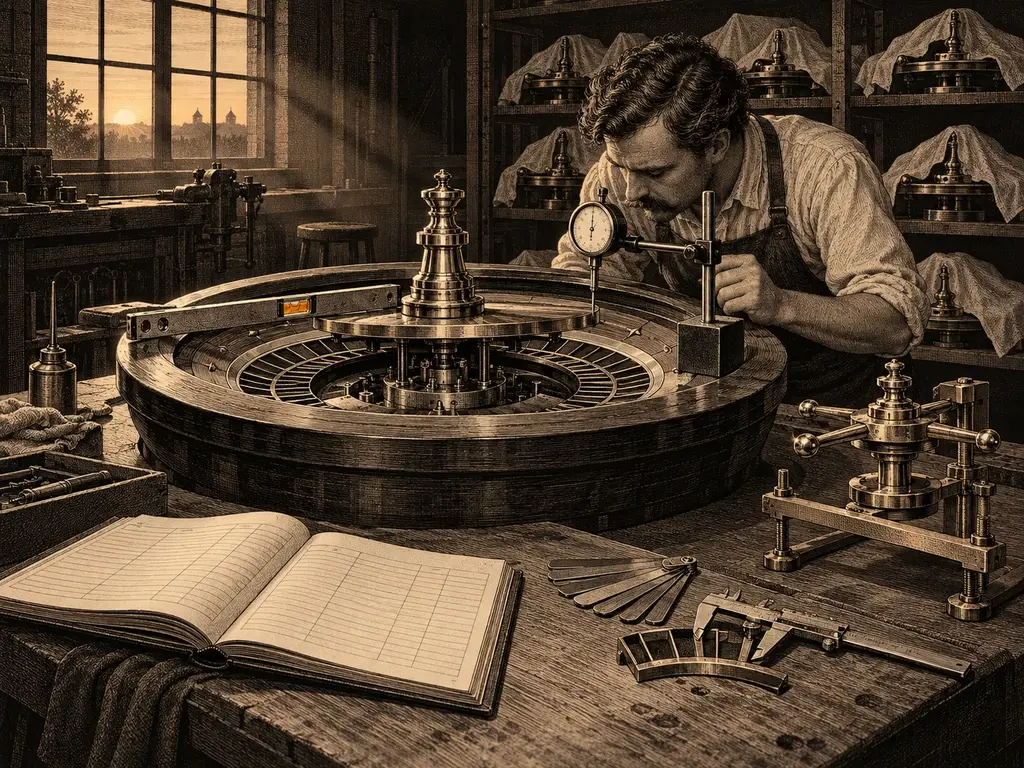
Level, moving parts, pockets, fretsꯈꯨꯠꯂꯥꯏꯐ꯭ꯔꯦꯠꯆꯛꯔꯗ ꯄꯣꯀꯦꯠ ꯑꯅꯤꯒꯤ ꯃꯔꯛꯇ ꯂꯩꯕ ꯃꯦꯇꯦꯂꯒꯤ ꯈꯥꯌꯗꯣꯛꯄ꯫ꯃꯄꯨꯡ ꯄꯥꯕꯤꯌꯨ →, the ball trackꯈꯨꯠꯂꯥꯏꯕꯣꯜ ꯇ꯭ꯔꯦꯛꯕꯣꯜ ꯑꯗꯨ ꯂꯦꯡꯕ ꯅꯦꯝꯗꯨꯅ ꯇꯥꯗ꯭ꯔꯤꯉꯩꯗ ꯆꯦꯟꯕ ꯃꯄꯥꯟꯒꯤ ꯂꯝꯕꯤ꯫ ꯑꯇꯣꯞꯄ ꯃꯃꯤꯡ: ꯃꯊꯛꯀꯤ ꯇ꯭ꯔꯦꯛ꯫ꯃꯄꯨꯡ ꯄꯥꯕꯤꯌꯨ → and the ballꯈꯨꯠꯂꯥꯏꯕꯣꯜꯔꯣꯇꯔꯒꯤ ꯃꯥꯌꯣꯛꯇ ꯇ꯭ꯔꯦꯛꯇ ꯊꯥꯗꯣꯛꯄ ꯑꯄꯤꯛꯄ ꯕꯣꯜ꯫ ꯍꯧꯖꯤꯛꯀꯤ ꯕꯣꯜꯁꯤꯡ ꯑꯥꯏꯚꯣꯔꯤꯟ ꯅꯠꯔꯒ ꯇꯦꯐ꯭ꯂꯣꯅꯅ ꯁꯦꯝꯃꯤ, 18–21 mm꯫ꯃꯄꯨꯡ ꯄꯥꯕꯤꯌꯨ → can all matter to physical behavior. Inspection methods, tolerances and schedules belong to the particular equipment and operating rules; there is no universal timetable here.
ꯀꯔꯤꯒꯤ ꯊꯥꯖꯕꯒꯦ
Physical measurements can help investigate whether equipment has changed. A tilted bowlꯈꯨꯠꯂꯥꯏꯕꯧꯜꯆꯛꯔꯒꯤ ꯂꯦꯞꯄ ꯃꯄꯥꯟꯒꯤ ꯁꯔꯨꯛ: ꯕꯣꯜ ꯇ꯭ꯔꯦꯛ ꯑꯃꯁꯨꯡ ꯑꯦꯞꯔꯟ ꯊꯝꯕ ꯎꯒꯤ ꯅꯠꯔꯒ ꯀꯝꯄꯣꯖꯤꯠꯀꯤ ꯃꯄꯥꯟꯒꯤ ꯂꯝꯕꯤ, ꯃꯁꯤꯒꯤ ꯃꯅꯨꯡꯗ ꯔꯣꯇꯔ ꯀꯣꯏ꯫ꯃꯄꯨꯡ ꯄꯥꯕꯤꯌꯨ → or damaged component changes the physical conditions, but an inspection finding alone does not quantify a winning-pocketꯈꯨꯠꯂꯥꯏꯄꯣꯀꯦꯠꯔꯣꯇꯔꯗ ꯂꯩꯕ ꯃꯁꯤꯡ ꯏꯔꯕ ꯀꯣꯠ 37 ꯒꯤ ꯃꯅꯨꯡꯗ ꯑꯃꯥ꯫ ꯑꯇꯣꯞꯄ ꯃꯃꯤꯡ: ꯁ꯭ꯂꯣꯠ, ꯀꯞ꯫ꯃꯄꯨꯡ ꯄꯥꯕꯤꯌꯨ → probabilityꯃꯦꯊꯃꯦꯇꯤꯛꯁꯊꯣꯛꯄꯒꯤ ꯈꯨꯗꯣꯡꯆꯥꯕꯃꯍꯩ ꯑꯃꯥ ꯊꯣꯛꯄꯒꯤ ꯈꯨꯗꯣꯡꯆꯥꯕ, 0 ꯗꯒꯤ 1 ꯐꯥꯑꯣꯕ ꯅꯠꯔꯒ 0% ꯗꯒꯤ 100% ꯐꯥꯑꯣꯕ꯫ ꯃꯁꯤꯡ ꯑꯃꯥ: 1/37 = 2.70%꯫ꯃꯄꯨꯡ ꯄꯥꯕꯤꯌꯨ → or establish a profitable bet. Record the measurement, instrument, date and equipment identity before drawing conclusions.
ꯀꯔꯤ ꯆꯦꯛ ꯇꯧꯕꯒꯦ
ꯃꯁꯤ ꯌꯦꯡꯁꯤꯟꯕꯒꯤ ꯆꯦꯛꯂꯤꯁ꯭ꯠ ꯑꯃꯅꯤ, ꯁꯔꯚꯤꯁ ꯃꯦꯅꯨꯌꯦꯜ ꯅꯠꯇꯦ꯫ ꯁꯦꯝꯕꯤꯔꯤꯕꯒꯤ ꯃꯑꯣꯡ ꯑꯃꯁꯨꯡ ꯃꯇꯤꯛ ꯆꯥꯕ ꯊꯕꯛ ꯇꯧꯔꯤꯕꯁꯤꯡ ꯁꯤꯖꯤꯟꯅꯕꯤꯌꯨ; ꯀꯦꯁꯤꯅꯣꯒꯤ ꯈꯨꯠꯂꯥꯏꯁꯤꯡ ꯅꯍꯥꯛ ꯃꯁꯥꯃꯛꯅ ꯁꯣꯛꯄ ꯅꯠꯔꯒꯥ ꯁꯦꯃꯗꯣꯀꯄ ꯇꯧꯒꯅꯨ꯫
ꯀꯌꯥ ꯃꯇꯝ ꯆꯥꯡꯒꯤ
A valid maintenance schedule comes from the equipment instructions and applicable operating requirements. This page does not establish daily, weekly or monthly intervals for every casino. Keep dated records of checks, findings, repairs and component changes so later measurements can be compared.
ꯍꯦꯗꯁꯤꯡ ꯍꯣꯡꯗꯣꯛꯄ
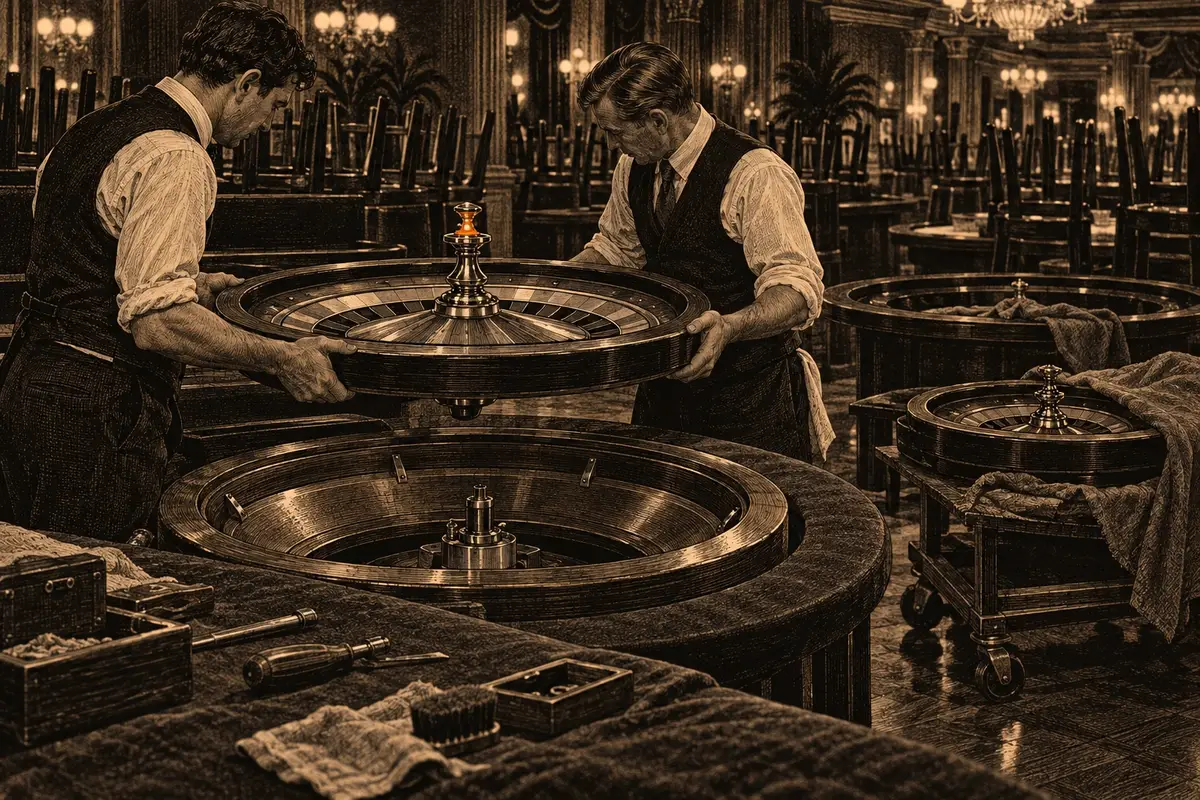
If a rotorꯈꯨꯠꯂꯥꯏꯔꯣꯇꯔꯄꯣꯀꯦꯠꯁꯤꯡ ꯄꯨꯔꯛꯄ ꯆꯛꯔꯒꯤ ꯀꯣꯏꯕ ꯁꯔꯨꯛ꯫ꯃꯄꯨꯡ ꯄꯥꯕꯤꯌꯨ → is moved to another bowl, a table name alone no longer identifies the same physical combination. A rotor-specific hypothesis may follow that rotor, while a bowl-specific hypothesis may not. Record both identities where available; do not assume a monthly swap or infer one from an ordinary dealer change.
ꯁ꯭ꯇꯦꯇꯤꯁ꯭ꯇꯤꯛꯁꯀꯤ ꯌꯦꯡꯁꯤꯟꯕ
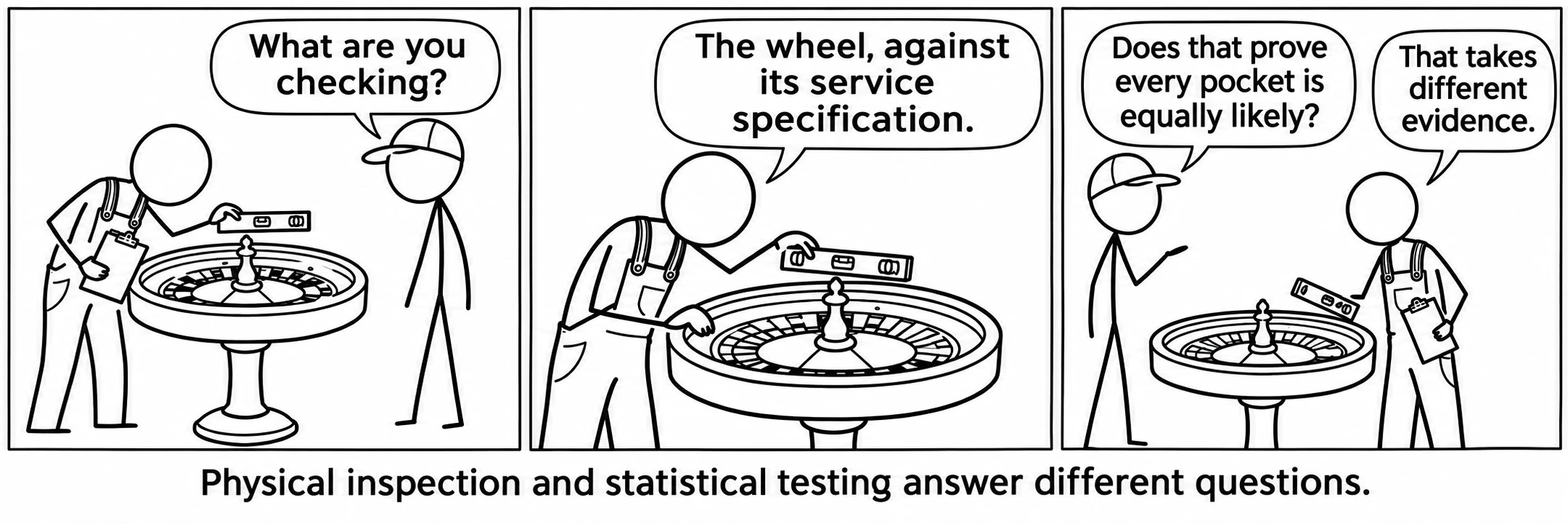
For live-dealer operations subject to the British Gambling Commission’s RTS 17, guidance covers equipment oversight and game logs that can be analyzed for performance trends. It does not specify the maintenance intervals previously listed here or guarantee detection before a player notices a pattern. Statistical monitoring and physical inspection provide different evidence.
ꯋꯥꯍꯪꯁꯤꯡ
ꯌꯥꯔꯣꯏ꯫ ꯔꯦꯒꯨꯂꯦꯇꯔꯁꯤꯡꯅ ꯌꯦꯡꯕ ꯌꯥꯏ꯫
ꯃꯊꯧ ꯇꯥꯗꯦ꯫ ꯆꯛꯔ ꯂꯩꯇꯦ꯫
ꯁꯦꯃꯒꯠꯂꯤꯕꯁꯤꯡꯅ ꯄꯣꯀꯦꯠꯁꯤꯡꯒꯤꯗꯃꯛ ꯃꯤꯂꯤꯃꯤꯇꯔ ꯑꯃꯒꯤ ꯁꯔꯨꯛ ꯈꯔꯗ ꯑꯃꯁꯨꯡ ꯂꯦꯚꯦꯂꯒꯤꯗꯃꯛ ꯗꯤꯒ꯭ꯔꯤ ꯑꯃꯒꯤ ꯇꯔꯥꯊꯣꯛ ꯈꯔꯗ ꯌꯥꯕ ꯉꯃꯈꯩ ꯍꯥꯏ꯫ ꯃꯗꯨꯒꯤ ꯃꯄꯥꯟꯗ ꯂꯩꯕ ꯀꯔꯤꯒꯨꯝꯕ ꯑꯃꯥ ꯆꯨꯃꯊꯣꯀꯏ꯫
ꯅꯣꯛꯅꯕꯒꯤ ꯀꯃꯤꯛ
ꯅꯍꯥꯛꯅ ꯊꯥꯖꯕ ꯉꯃꯗꯅꯕ ꯀꯦꯁꯤꯅꯣꯅ ꯆꯛꯔ ꯑꯗꯨ ꯊꯥꯖꯩ꯫
ꯍꯧꯔꯛꯐꯃꯁꯤꯡ
- Barnhart, R. T. Beating the Wheel.