ꯄꯥꯔꯣꯂꯤ ꯔꯨꯂꯦꯠ ꯊꯧꯔꯥꯡ (ꯔꯤꯚꯔꯁ ꯃꯥꯔꯇꯤꯟꯒꯦꯜ)
ꯄꯥꯔꯣꯂꯤꯊꯧꯔꯥꯡꯄꯥꯔꯣꯂꯤꯄꯣꯖꯤꯇꯤꯕ ꯄ꯭ꯔꯣꯒ꯭ꯔꯦꯁꯟ: ꯃꯥꯏꯄꯥꯛꯂꯕꯥ ꯃꯇꯨꯡꯗ ꯑꯅꯤ ꯊꯥꯛ ꯍꯦꯅꯒꯠꯍꯜꯂꯤ, ꯃꯥꯏꯊꯤꯔꯕꯥ ꯃꯇꯨꯡꯗ ꯅꯠꯔꯒ ꯃꯈꯥ ꯆꯠꯅꯅ ꯑꯃꯨꯛ ꯑꯍꯨꯝ ꯃꯥꯏꯄꯥꯛꯂꯕꯥ ꯃꯇꯨꯡꯗ ꯑꯍꯧꯕꯗ ꯍꯜꯂꯀꯏ꯫ ꯑꯇꯣꯞꯄ ꯃꯃꯤꯡ: ꯔꯤꯚꯔꯁ ꯃꯥꯔꯇꯤꯟꯒꯦꯜ꯫ꯃꯄꯨꯡ ꯄꯥꯕꯤꯌꯨ → ꯔꯨꯂꯦꯠ ꯊꯧꯔꯥꯡꯅ ꯃꯥꯏꯄꯥꯛꯄꯒꯤ ꯃꯇꯨꯡꯗ ꯑꯅꯤ ꯊꯥꯛ ꯇꯧꯏ ꯑꯃꯁꯨꯡ ꯃꯥꯏꯊꯤꯕꯒꯤ ꯃꯇꯨꯡꯗ ꯅꯠꯔꯒꯥ ꯃꯈꯥ ꯆꯠꯅꯕ ꯃꯥꯏꯄꯥꯛꯄ ꯑꯍꯨꯃꯒꯤ ꯃꯇꯨꯡꯗ ꯑꯍꯧꯕꯗ ꯍꯜꯂꯀꯏ꯫

It does not beat the wheel; it only changes how the losses arrive. A completed uncapped three-win cycle nets either +7 base units or −1. Winnings remain your money when you stake them again; expected loss depends on total turnover.
ꯁꯤꯁ꯭ꯇꯦꯝ ꯑꯗꯨꯗ ꯆꯠꯄ
ꯃꯥꯏꯄꯥꯛꯄ ꯑꯃꯅ ꯈꯣꯡꯊꯥꯡ ꯑꯃꯥ ꯃꯃꯥꯡꯗ ꯆꯠꯍꯜꯂꯤ꯫ ꯃꯥꯏꯊꯤꯕ ꯑꯃꯅ ꯅꯠꯔꯒ ꯑꯍꯨꯃꯁꯨꯕ ꯃꯥꯏꯄꯥꯛꯄ ꯑꯃꯅ ꯑꯍꯧꯕꯗ ꯍꯜꯂꯛꯍꯜꯂꯤ꯫
ꯊꯝꯂꯕ ꯁꯦꯜ ꯑꯃꯁꯨꯡ ꯃꯍꯩꯁꯤꯡ ꯑꯁꯤ ꯍꯧꯔꯛꯐꯃꯒꯤ ꯕꯦꯠꯀꯤ ꯌꯨꯅꯤꯠꯇꯅꯤ꯫
ꯄꯥꯔꯣꯂꯤ ꯔꯨꯂꯦꯠ ꯁꯤꯁ꯭ꯇꯦꯝꯅ ꯀꯔꯝꯅ ꯊꯕꯛ ꯇꯧꯕꯒꯦ?
Bet one unitꯁꯦꯜꯌꯨꯅꯤꯠꯁꯤꯁ꯭ꯇꯦꯝ ꯅꯠꯔꯒ ꯁꯥꯟꯅꯔꯤꯕ ꯑꯃꯅ ꯁꯤꯖꯤꯟꯅꯕ ꯃꯔꯨꯑꯣꯏꯕ ꯊꯝꯂꯕ ꯁꯦꯜ꯫ ꯄ꯭ꯔꯣꯒ꯭ꯔꯦꯁꯅꯁꯤꯡ ꯌꯨꯅꯤꯠꯇ ꯁꯟꯗꯣꯛꯂꯤ, ꯃꯔꯝ ꯑꯗꯨꯅ ꯃꯈꯣꯌ ꯀꯔꯤꯒꯨꯝꯕ ꯇꯦꯕꯜꯗ ꯆꯠꯂꯤ꯫ꯃꯄꯨꯡ ꯄꯥꯕꯤꯌꯨ →. Win, and leave it all on the table: the next bet is two. Win again, and it is four. Win a third time, collect seven units of profit and go back to one. Lose at any point and you go back to one as well. That is the whole system. If the progressionꯊꯧꯔꯥꯡꯄ꯭ꯔꯣꯒ꯭ꯔꯦꯁꯟꯃꯃꯥꯡꯒꯤ ꯃꯍꯩꯁꯤꯡꯒꯤ ꯃꯈꯥꯗ ꯊꯝꯂꯕ ꯁꯦꯜ ꯍꯣꯡꯍꯟꯕ ꯅꯤꯌꯝ ꯀꯔꯤꯒꯨꯝꯕ꯫ ꯅꯦꯒꯦꯇꯤꯕ ꯄ꯭ꯔꯣꯒ꯭ꯔꯦꯁꯅꯁꯤꯡꯅ ꯃꯥꯏꯊꯤꯔꯕꯥ ꯃꯇꯨꯡꯗ ꯍꯦꯅꯒꯠꯍꯜꯂꯤ, ꯄꯣꯖꯤꯇꯤꯕꯁꯤꯡꯅ ꯃꯥꯏꯄꯥꯛꯂꯕꯥ ꯃꯇꯨꯡꯗ꯫ꯃꯄꯨꯡ ꯄꯥꯕꯤꯌꯨ → runs without clipping, a losing cycle ends one unit below its starting balance. A loss at the four-unit stage still gives back four units from the balance immediately before that spin. Three even-money wins in a row happen with probabilityꯃꯦꯊꯃꯦꯇꯤꯛꯁꯊꯣꯛꯄꯒꯤ ꯈꯨꯗꯣꯡꯆꯥꯕꯃꯍꯩ ꯑꯃꯥ ꯊꯣꯛꯄꯒꯤ ꯈꯨꯗꯣꯡꯆꯥꯕ, 0 ꯗꯒꯤ 1 ꯐꯥꯑꯣꯕ ꯅꯠꯔꯒ 0% ꯗꯒꯤ 100% ꯐꯥꯑꯣꯕ꯫ ꯃꯁꯤꯡ ꯑꯃꯥ: 1/37 = 2.70%꯫ꯃꯄꯨꯡ ꯄꯥꯕꯤꯌꯨ → (18/37)³ = 11.5%, about one cycle in nine.
ꯁꯦꯁꯟ ꯑꯃꯥ ꯀꯔꯝꯕ ꯃꯑꯣꯡꯗ ꯎꯕꯒꯦ?
Completed cycles net −1 unit unless three consecutive wins produce +7. Over exactly 100 spins, an exact finite-state calculation gives about 38.43% net-profit probability and expected result −4.56 base units. This calculation starts at one unit, resets after a loss or three wins, and assumes enough funds with no stake clipping. Bankrollꯁꯦꯜꯕꯦꯡꯀꯔꯣꯜꯁꯥꯟꯅꯅꯕ ꯇꯣꯉꯥꯟꯅ ꯊꯝꯂꯕ ꯁꯦꯜ ꯄꯨꯝꯅꯃꯛ꯫ ꯕꯦꯡꯀꯔꯣꯜ ꯃꯦꯅꯦꯖꯃꯦꯟꯠ ꯍꯥꯌꯕꯁꯤ ꯃꯗꯨꯒꯤ ꯀꯌꯥ ꯕꯦꯠ ꯈꯨꯗꯤꯡꯗ ꯑꯃꯁꯨꯡ ꯁꯦꯁꯟ ꯈꯨꯗꯤꯡꯗ ꯈꯨꯗꯣꯡꯊꯤꯕꯗ ꯊꯃꯒꯗꯒꯦ ꯍꯥꯌꯕ ꯋꯥꯔꯦꯞ ꯂꯧꯕꯅꯤ꯫ꯃꯄꯨꯡ ꯄꯥꯕꯤꯌꯨ → limits and interrupted cycles change the distribution.
- p10 −$500
- p25 −$500
- ꯃꯤꯗꯤꯌꯥꯟ −$300
- p75 +$30
- p90 +$320
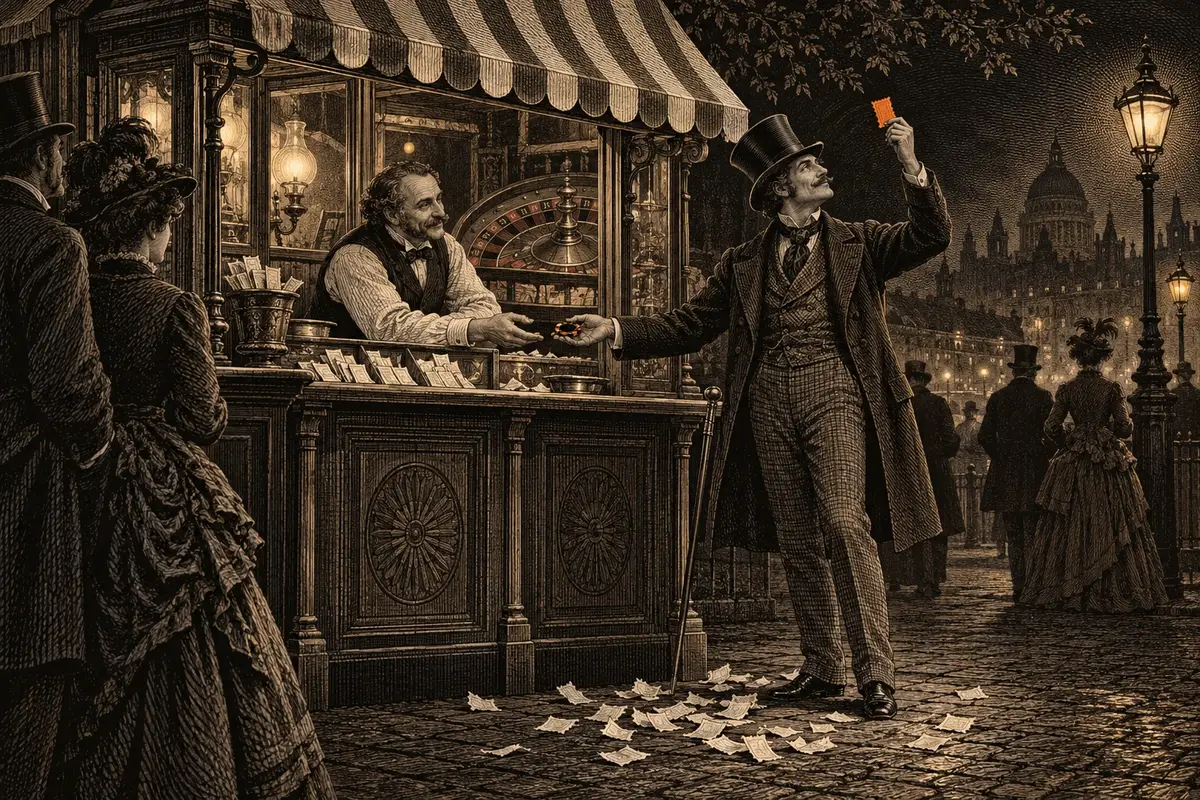
ꯄꯥꯔꯣꯂꯤ ꯁꯤꯁ꯭ꯇꯦꯝꯅ ꯊꯕꯛ ꯇꯧꯕ꯭ꯔꯥ?
It does not create a positive expected return. It changes both the distribution and turnoverꯁꯦꯜꯇꯔꯅꯑꯣꯚꯔꯁꯦꯁꯟ ꯅꯠꯔꯒ ꯃꯇꯝ ꯑꯃꯒꯤ ꯃꯅꯨꯡꯗ ꯕꯦꯠ ꯊꯝꯂꯕ ꯁꯦꯜ ꯄꯨꯝꯅꯃꯛ, ꯑꯃꯨꯛ ꯍꯟꯅꯥ ꯊꯝꯂꯕ ꯃꯥꯏꯄꯥꯛꯇꯨꯅ ꯐꯪꯂꯕ ꯁꯦꯜꯁꯨ ꯌꯥꯎꯅ꯫ ꯑꯇꯣꯞꯄ ꯃꯃꯤꯡ: ꯍꯦꯟꯗꯜ, ꯑꯦꯛꯁꯟ꯫ꯃꯄꯨꯡ ꯄꯥꯕꯤꯌꯨ →, so expected session loss can change. Let p = 18/37. Win 7 with probability p³ = 0.115; lose 1 with probability 1 − p³ = 0.885. Expected result per cycle: 8p³ − 1 = −0.078909 units. Expected units wagered per cycle: 1 + 2p + 4p² = 1 + 0.973 + 0.947 = 2.92. Using unrounded values, −0.078909 / 2.919649 = −1/37. This is the standard single-zeroꯆꯛꯔꯖꯤꯔꯣꯆꯞ ꯃꯥꯟꯅꯕ, ꯗꯖꯟ ꯅꯠꯔꯒ ꯀꯂꯝ ꯕꯦꯠ ꯑꯃꯠꯇꯅ ꯀꯨꯞꯇꯕ ꯑꯁꯪꯕ ꯄꯣꯀꯦꯠ ꯑꯃꯈꯛꯇ; ꯍꯥꯎꯁ ꯑꯦꯖꯀꯤ ꯍꯧꯔꯀꯐꯝꯅꯤ꯫ ꯑꯇꯣꯞꯄ ꯃꯃꯤꯡ: ꯁꯤꯡꯒꯜ ꯖꯤꯔꯣ, 0꯫ꯃꯄꯨꯡ ꯄꯥꯕꯤꯌꯨ → expected lossꯃꯦꯊꯃꯦꯇꯤꯛꯁꯃꯥꯡꯒꯗꯕ ꯁꯦꯜꯐꯪꯒꯗꯕ ꯃꯃꯂꯕꯨ ꯕꯦꯠ ꯊꯝꯂꯕ ꯁꯦꯜ ꯄꯨꯝꯅꯃꯛꯅ ꯃꯅꯥꯡꯕ; ꯁꯦꯁꯟ ꯅꯠꯔꯒ ꯃꯇꯝ ꯑꯃꯒꯤ ꯃꯅꯨꯡꯗ ꯃꯥꯡꯕ ꯑꯦꯚꯔꯦꯖ ꯁꯦꯜ꯫ꯃꯄꯨꯡ ꯄꯥꯕꯤꯌꯨ → per unit wagered.
The tempting thought is that the pressed chipsꯁꯦꯜꯆꯤꯞꯂꯦꯞꯂꯕ ꯁꯦꯜꯒꯤ ꯃꯃꯜ ꯇꯥꯛꯄ ꯇꯣꯀꯟ, ꯕꯦꯠ ꯊꯝꯅꯕ ꯂꯦꯑꯥꯎꯠꯇ ꯊꯝꯃꯤ꯫ ꯑꯇꯣꯞꯄ ꯃꯃꯤꯡ: ꯆꯦꯛ꯫ꯃꯄꯨꯡ ꯄꯥꯕꯤꯌꯨ → are the casino’s money, so staking them costs nothing. They are yours from the moment they are paid, and each one put back on the table carries the same 2.70%.
ꯃꯈꯥ ꯆꯠꯅꯕ ꯃꯥꯏꯄꯥꯛꯄ ꯃꯔꯤ ꯉꯥꯏꯔꯕꯗꯗꯤ ꯀꯔꯝꯅꯣ?
Consider an explicit four-win model: independent standard single-zero bets on redꯕꯦꯠꯑꯉꯥꯡꯕꯑꯉꯥꯡꯕ ꯃꯁꯤꯡ 18 ꯗ ꯊꯝꯕ ꯆꯞ ꯃꯥꯟꯅꯕ ꯕꯦꯠ꯫ ꯐ꯭ꯔꯦꯟꯆ: ꯔꯨꯖ꯫ꯃꯄꯨꯡ ꯄꯥꯕꯤꯌꯨ →, one-unit base, no table limitꯇꯦꯕꯜꯇꯦꯕꯜꯒꯤ ꯉꯝꯈꯩꯌꯥꯍꯜꯂꯤꯕ ꯈ꯭ꯕꯥꯏꯗꯒꯤ ꯅꯦꯝꯕ ꯑꯃꯁꯨꯡ ꯈ꯭ꯕꯥꯏꯗꯒꯤ ꯋꯥꯡꯕ ꯕꯦꯠ꯫ ꯈ꯭ꯕꯥꯏꯗꯒꯤ ꯋꯥꯡꯕ ꯉꯝꯈꯩ ꯑꯗꯨꯅ ꯑꯅꯤ ꯊꯥꯛ ꯍꯦꯅꯒꯠꯍꯟꯕ ꯄ꯭ꯔꯣꯒ꯭ꯔꯦꯁꯅꯁꯤꯡ ꯊꯤꯡꯏ꯫ꯃꯄꯨꯡ ꯄꯥꯕꯤꯌꯨ →, and stopping at the first completed four-win cycle or when the bankroll is exhausted. Four wins turn one unit into 16, a net gain of 15, with probability p = (18/37)⁴ ≈ 5.6012%. Each failed cycle loses one unit. With 15 starting units, the chance of completing a four-win cycle before ruin is 1 − (1 − p)¹⁵ ≈ 57.9%. That is higher than the 48.6% win probability of a single 15-unit red bet, but the rewards differ. Conditional on completing the cycle before ruin, the average net session gain is about 9.1 units after earlier failed cycles. Including failures, expected net result is about −1.07 units, versus −15/37 ≈ −0.41 for the single bet. A greater success probability does not imply a better expected return.
ꯀꯗꯥꯏꯗ ꯂꯦꯞꯄꯒꯦ ꯍꯥꯌꯕꯅ ꯃꯔꯨ ꯑꯣꯏꯕ꯭ꯔꯥ?
ꯃꯑꯣꯡ ꯑꯗꯨꯒꯤꯗꯃꯛꯈꯛ꯫ ꯃꯥꯏꯄꯥꯛꯄ ꯑꯅꯤ ꯐꯥꯑꯣꯕꯒꯤ ꯄꯥꯔꯣꯂꯤ (3 ꯂꯧꯕ) ꯅꯠꯔꯒ ꯃꯥꯏꯄꯥꯛꯄ ꯃꯔꯤ ꯐꯥꯑꯣꯕꯒꯤ ꯄꯥꯔꯣꯂꯤ (15 ꯂꯧꯕ) ꯅ ꯊꯣꯛꯄꯒꯤ ꯔꯦꯠ ꯑꯃꯁꯨꯡ ꯈꯨꯗꯣꯜ ꯑꯗꯨ ꯍꯣꯡꯗꯣꯀꯏ, ꯑꯦꯖ ꯑꯗꯨ ꯍꯣꯡꯗꯣꯀꯗꯦ꯫ ꯁ꯭ꯇ꯭ꯔꯦꯠ-ꯑꯞ ꯕꯦꯠ ꯑꯃꯗ “ꯄꯥꯔꯂꯦ” (35 ꯗꯒꯤ 1 ꯒꯤ ꯃꯥꯏꯄꯥꯛꯄ ꯑꯗꯨ ꯊꯝꯂꯤꯕ) ꯑꯁꯤ p = 1/37 ꯑꯃꯁꯨꯡ ꯃꯈꯥ ꯆꯠꯅꯕ ꯊꯣꯛꯄ ꯑꯅꯤꯗ 1,295 ꯗꯒꯤ 1 ꯒꯤ ꯄꯦꯑꯥꯎꯠꯁꯦꯜꯄꯦꯑꯥꯎꯠꯃꯥꯏꯄꯥꯛꯄ ꯕꯦꯠ ꯑꯃꯅ ꯍꯜꯂꯛꯄ ꯁꯦꯜ, ꯍꯜꯂꯀꯄ ꯊꯝꯂꯕ ꯁꯦꯜꯒꯤ ꯃꯊꯛꯇ “X ꯗꯒꯤ 1” ꯍꯥꯌꯅ ꯍꯥꯌꯏ꯫ꯃꯄꯨꯡ ꯄꯥꯕꯤꯌꯨ → ꯂꯩꯕ ꯋꯥꯈꯜ ꯑꯗꯨꯃꯛꯅꯤ, ꯃꯔꯝ ꯑꯗꯨꯅ ꯃꯁꯤ ꯌꯥꯝꯅꯥ ꯋꯥꯔꯤ ꯑꯃꯈꯛꯇꯅꯤ, ꯇꯧꯔꯤꯕ ꯊꯕꯛ ꯅꯠꯇꯦ꯫
ꯀꯅꯥꯅ ꯃꯁꯤ ꯈꯅꯕꯒꯦ, ꯑꯃꯁꯨꯡ ꯀꯔꯤꯒꯤꯅꯣ?
The rule limits a completed losing cycle to one base unit below its starting balance, provided stakes are not clipped. Repeated failed cycles can still exhaust a bankroll, and a loss after wins gives back accumulated gains. Under the stated fair-wheel model, expected loss is 1/37 of expected turnover; a session need not lose exactly that fraction.
ꯁꯤꯃꯨꯂꯦꯇꯔ · ꯄꯥꯔꯣꯂꯤ
$1,000ꯒꯤ ꯕꯦꯡꯀꯔꯣꯜꯗꯒꯤ ꯍꯧꯔꯒꯥ ꯆꯞ ꯃꯥꯟꯅꯕ ꯕꯦꯠꯁꯤꯡꯒꯤ ꯁꯦꯁꯟ 2,000꯫
ꯍꯧꯔꯛꯐꯃꯒꯤ ꯕꯦꯠ $10 · ꯇꯦꯕꯜꯒꯤ ꯉꯝꯈꯩ $500 · ꯁꯦꯁꯟ ꯈꯨꯗꯤꯡꯗ ꯁ꯭ꯄꯤꯟ 100
ꯋꯥꯍꯪꯁꯤꯡ
ꯑꯃꯨꯛꯇ ꯑꯋꯥꯕ ꯄꯨꯔꯛꯄ ꯃꯥꯡꯈꯤꯕ ꯁꯦꯜ ꯑꯃꯥ ꯄꯨꯊꯣꯀꯄ ꯉꯃꯗꯕ ꯃꯑꯣꯡꯗ ꯍꯦꯟꯅꯥ ꯑꯁꯣꯏꯕ ꯌꯥꯎꯗꯦ꯫ ꯍꯦꯟꯅꯥ ꯌꯥꯎꯗꯕ ꯅꯠꯇꯦ: ꯊꯝꯂꯕ ꯌꯨꯅꯤꯠ ꯈꯨꯗꯤꯡꯒꯤ ꯃꯥꯡꯒꯗꯕ ꯁꯦꯜ ꯑꯁꯤ ꯆꯞ ꯃꯥꯟꯅꯩ꯫
ꯃꯦꯊꯃꯦꯇꯤꯛꯁꯀꯤ ꯃꯑꯣꯡꯗ ꯀꯔꯤꯒꯨꯝꯕ ꯂꯦꯞꯄꯒꯤ ꯃꯐꯝ ꯑꯃꯅ ꯆꯞ ꯃꯥꯟꯅꯅ ꯊꯕꯛ ꯇꯧꯏ꯫ ꯑꯍꯨꯝ ꯑꯁꯤ ꯆꯠꯅꯕꯤ ꯑꯣꯏꯔꯦ, ꯃꯔꯃꯗꯤ ꯈꯨꯗꯣꯜ ꯑꯗꯨ (ꯌꯨꯅꯤꯠ 7) ꯉꯥꯏꯕꯒꯤ ꯃꯃꯜ ꯂꯩꯕꯒꯨꯝ ꯐꯥꯑꯣꯏ ꯑꯃꯁꯨꯡ ꯊꯣꯛꯄꯒꯤ ꯔꯦꯠ ꯑꯗꯨ (11.5%) ꯑꯥꯁꯥ ꯂꯩꯇꯕ ꯅꯠꯇꯦ꯫
ꯅꯣꯛꯅꯕꯒꯤ ꯀꯃꯤꯛ
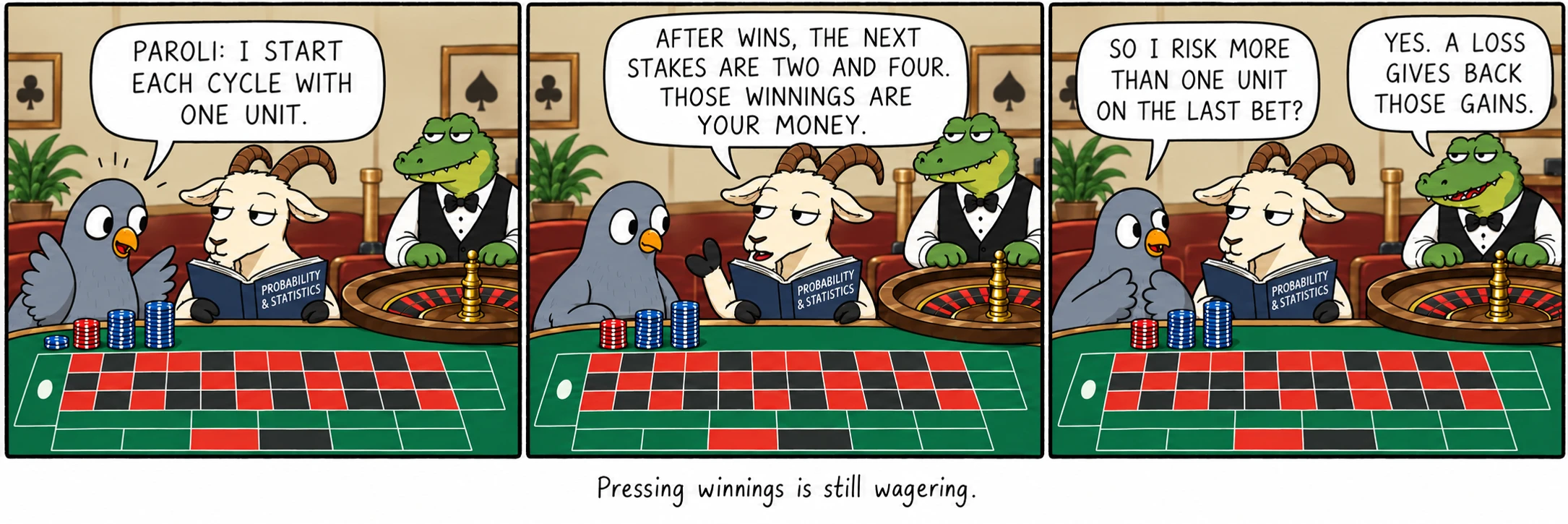
ꯃꯥꯏꯄꯥꯛꯇꯨꯅ ꯐꯪꯂꯕ ꯁꯦꯜ ꯃꯈꯥ ꯆꯠꯊꯕꯁꯨ ꯕꯦꯠ ꯊꯝꯕꯅꯤ꯫
ꯍꯧꯔꯛꯐꯃꯁꯤꯡ
- RouletteDoc꯫ ꯔꯨꯂꯦꯠ ꯊꯧꯔꯥꯡꯁꯤꯡꯒꯤ ꯄꯨꯝꯅꯃꯛ ꯌꯦꯡꯕ꯫
- Roulette77꯫ ꯊꯧꯔꯥꯡꯒꯤ ꯃꯔꯣꯜ ꯑꯃꯁꯨꯡ ꯈꯨꯗꯃꯁꯤꯡ꯫
- Ethier, S. N. The Doctrine of Chances: Probabilistic Aspects of Gambling.
- Epstein, R. A. The Theory of Gambling and Statistical Logic, 2nd ed.
- Taylor, D. G. Games, Gambling, and Probability: An Introduction to Mathematics, 2nd ed.