ꯈꯣꯡꯊꯥꯡ ꯈꯣꯡꯊꯥꯡ: 1-3-2-6
Bet 1, 3, 2 and 6 unitsꯁꯦꯜꯌꯨꯅꯤꯠꯁꯤꯁ꯭ꯇꯦꯝ ꯅꯠꯔꯒ ꯁꯥꯟꯅꯔꯤꯕ ꯑꯃꯅ ꯁꯤꯖꯤꯟꯅꯕ ꯃꯔꯨꯑꯣꯏꯕ ꯊꯝꯂꯕ ꯁꯦꯜ꯫ ꯄ꯭ꯔꯣꯒ꯭ꯔꯦꯁꯅꯁꯤꯡ ꯌꯨꯅꯤꯠꯇ ꯁꯟꯗꯣꯛꯂꯤ, ꯃꯔꯝ ꯑꯗꯨꯅ ꯃꯈꯣꯌ ꯀꯔꯤꯒꯨꯝꯕ ꯇꯦꯕꯜꯗ ꯆꯠꯂꯤ꯫ꯃꯄꯨꯡ ꯄꯥꯕꯤꯌꯨ → after consecutive wins, resetting after a loss. Five worked attempts show every possible ending.
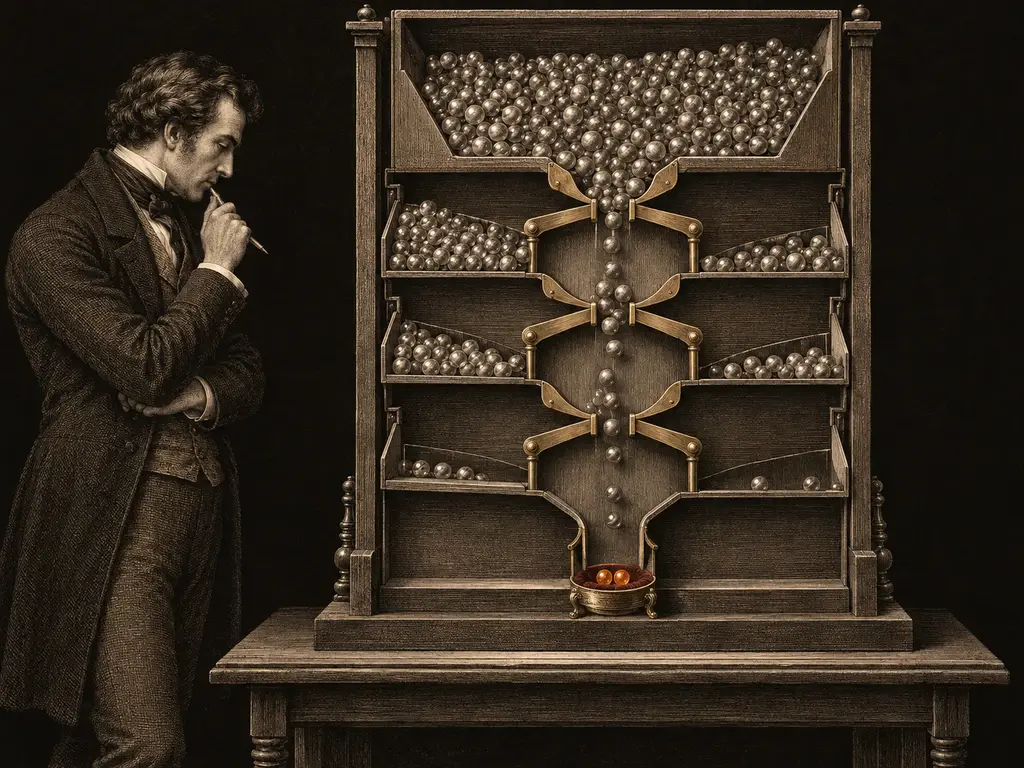
At a $10 unit, the five possible attempt results are −$10, −$20, +$20, $0 and +$120. This constructed example includes each ending once and finishes $110 ahead. Those endings are not equally likely.
ꯁꯤꯁ꯭ꯇꯦꯝ ꯑꯗꯨꯗ ꯆꯠꯄ
ꯃꯥꯏꯄꯥꯛꯄ ꯑꯃꯅ ꯈꯣꯡꯊꯥꯡ ꯑꯃꯥ ꯃꯃꯥꯡꯗ ꯆꯠꯍꯜꯂꯤ꯫ ꯃꯥꯏꯊꯤꯕ ꯑꯃꯅ ꯅꯠꯔꯒ ꯃꯔꯤꯁꯨꯕ ꯃꯥꯏꯄꯥꯛꯄ ꯑꯃꯅ ꯑꯍꯧꯕꯗ ꯍꯜꯂꯛꯍꯜꯂꯤ꯫
ꯊꯝꯂꯕ ꯁꯦꯜ ꯑꯃꯁꯨꯡ ꯃꯍꯩꯁꯤꯡ ꯑꯁꯤ ꯍꯧꯔꯛꯐꯃꯒꯤ ꯕꯦꯠꯀꯤ ꯌꯨꯅꯤꯠꯇꯅꯤ꯫
ꯊꯧꯔꯥꯡ
Use redꯕꯦꯠꯑꯉꯥꯡꯕꯑꯉꯥꯡꯕ ꯃꯁꯤꯡ 18 ꯗ ꯊꯝꯕ ꯆꯞ ꯃꯥꯟꯅꯕ ꯕꯦꯠ꯫ ꯐ꯭ꯔꯦꯟꯆ: ꯔꯨꯖ꯫ꯃꯄꯨꯡ ꯄꯥꯕꯤꯌꯨ → on a standard single-zeroꯆꯛꯔꯖꯤꯔꯣꯆꯞ ꯃꯥꯟꯅꯕ, ꯗꯖꯟ ꯅꯠꯔꯒ ꯀꯂꯝ ꯕꯦꯠ ꯑꯃꯠꯇꯅ ꯀꯨꯞꯇꯕ ꯑꯁꯪꯕ ꯄꯣꯀꯦꯠ ꯑꯃꯈꯛꯇ; ꯍꯥꯎꯁ ꯑꯦꯖꯀꯤ ꯍꯧꯔꯀꯐꯝꯅꯤ꯫ ꯑꯇꯣꯞꯄ ꯃꯃꯤꯡ: ꯁꯤꯡꯒꯜ ꯖꯤꯔꯣ, 0꯫ꯃꯄꯨꯡ ꯄꯥꯕꯤꯌꯨ → wheel. Stake $10, then $30, $20 and $60 after successive wins. Reset to $10 after any loss or after the fourth win. The five possible endings are L, W L, W W L, W W W L and W W W W. We place them back to back to make the accounting visible; this is not a random sample.
ꯁ꯭ꯄꯤꯟ 1–30
ꯍꯣꯠꯅꯕ ꯇꯔꯥꯅꯤꯄꯥꯟ꯫ ꯇꯔꯥꯅ ꯑꯍꯥꯅꯕ ꯈꯣꯡꯊꯥꯡꯗ ꯃꯥꯏꯊꯤꯈꯤ (ꯈꯨꯗꯤꯡꯗ −$10), ꯃꯉꯥꯅ ꯑꯅꯤꯁꯨꯕ ꯈꯣꯡꯊꯥꯡꯗ (ꯈꯨꯗꯤꯡꯗ −$20), ꯑꯅꯤꯅ ꯑꯍꯨꯃꯁꯨꯕ ꯈꯣꯡꯊꯥꯡꯗ (ꯈꯨꯗꯤꯡꯗ +$20), ꯑꯃꯅ ꯁ꯭ꯄꯤꯟ 27–30 ꯗ ꯂꯣꯏꯁꯤꯟꯈꯤ (ꯑꯉꯥꯡꯕ ꯑꯉꯥꯡꯕ ꯑꯉꯥꯡꯕ ꯑꯉꯥꯡꯕ, +$120)꯫ ꯁ꯭ꯄꯤꯟ 30 ꯒꯤ ꯃꯇꯨꯡꯗ ꯃꯍꯩ −$40, ꯁ꯭ꯄꯤꯟ 26 ꯗ −$160 ꯑꯣꯏꯔꯝꯃꯤ꯫ ꯂꯣꯏꯁꯤꯅꯈꯤꯕ ꯃꯊꯧ ꯑꯗꯨꯅ ꯁꯤꯁ꯭ꯇꯦꯝ ꯑꯗꯨ ꯊꯕꯛ ꯇꯧꯔꯤ ꯍꯥꯌꯅ ꯐꯥꯑꯣꯍꯅꯈꯤ; ꯑꯁꯦꯡꯕꯗꯤ ꯃꯁꯤ 5.6% ꯑꯗꯨ ꯃꯁꯥꯒꯤ ꯃꯇꯃꯗ ꯂꯥꯀꯄꯈꯛꯅꯤ꯫
ꯁ꯭ꯄꯤꯟ 31–60
ꯍꯣꯠꯅꯕ ꯇꯔꯥꯃꯉꯥ: ꯑꯃꯅ ꯁ꯭ꯄꯤꯟ 44–47 ꯗ ꯂꯣꯏꯁꯤꯟꯗꯨꯅ +$120 ꯐꯪꯈꯤ, ꯑꯅꯤꯅ ꯃꯔꯤꯁꯨꯕ ꯈꯣꯡꯊꯥꯡ ꯌꯧꯔꯒ ꯃꯐꯝ ꯑꯗꯨꯗ ꯃꯥꯏꯊꯤꯈꯤ (ꯈꯨꯗꯤꯡꯗ ꯃꯍꯩ $0: +$60 ꯃꯥꯏꯄꯥꯛꯈꯤ, ꯃꯇꯨꯡꯗ $60 ꯊꯝꯗꯨꯅ ꯃꯥꯡꯈꯤ)꯫ ꯁꯔꯨꯛ ꯑꯁꯤꯒꯤ ꯃꯍꯩ −$10; ꯑꯔꯣꯏꯕ −$50; ꯈ꯭ꯕꯥꯏꯗꯒꯤ ꯋꯥꯡꯕ ꯁ꯭ꯄꯤꯟ 47 ꯗ +$80꯫ ꯍꯣꯠꯅꯕ 33 ꯗ ꯂꯣꯏꯁꯤꯅꯕ ꯑꯅꯤ, ꯐꯪꯒꯗꯕ 1.8 ꯒ ꯆꯥꯡꯗꯝꯅꯕꯗ: ꯆꯨꯝꯃꯤꯟꯅꯕ ꯁꯦꯝꯄꯜ ꯑꯃꯅꯤ꯫
ꯁꯦꯟꯒꯤ ꯍꯤꯁꯥꯕ
The ledger totals $350 wagered and +$110 net, leaving $1,110 from a $1,000 starting balance. At each spin, the expected lossꯃꯦꯊꯃꯦꯇꯤꯛꯁꯃꯥꯡꯒꯗꯕ ꯁꯦꯜꯐꯪꯒꯗꯕ ꯃꯃꯂꯕꯨ ꯕꯦꯠ ꯊꯝꯂꯕ ꯁꯦꯜ ꯄꯨꯝꯅꯃꯛꯅ ꯃꯅꯥꯡꯕ; ꯁꯦꯁꯟ ꯅꯠꯔꯒ ꯃꯇꯝ ꯑꯃꯒꯤ ꯃꯅꯨꯡꯗ ꯃꯥꯡꯕ ꯑꯦꯚꯔꯦꯖ ꯁꯦꯜ꯫ꯃꯄꯨꯡ ꯄꯥꯕꯤꯌꯨ → under these standard single-zero rules is the stake divided by 37. Because later bets or stopping can depend on earlier results, expected session loss depends on expected total turnoverꯁꯦꯜꯇꯔꯅꯑꯣꯚꯔꯁꯦꯁꯟ ꯅꯠꯔꯒ ꯃꯇꯝ ꯑꯃꯒꯤ ꯃꯅꯨꯡꯗ ꯕꯦꯠ ꯊꯝꯂꯕ ꯁꯦꯜ ꯄꯨꯝꯅꯃꯛ, ꯑꯃꯨꯛ ꯍꯟꯅꯥ ꯊꯝꯂꯕ ꯃꯥꯏꯄꯥꯛꯇꯨꯅ ꯐꯪꯂꯕ ꯁꯦꯜꯁꯨ ꯌꯥꯎꯅ꯫ ꯑꯇꯣꯞꯄ ꯃꯃꯤꯡ: ꯍꯦꯟꯗꯜ, ꯑꯦꯛꯁꯟ꯫ꯃꯄꯨꯡ ꯄꯥꯕꯤꯌꯨ →. A single worked sequence does not establish the average session result.
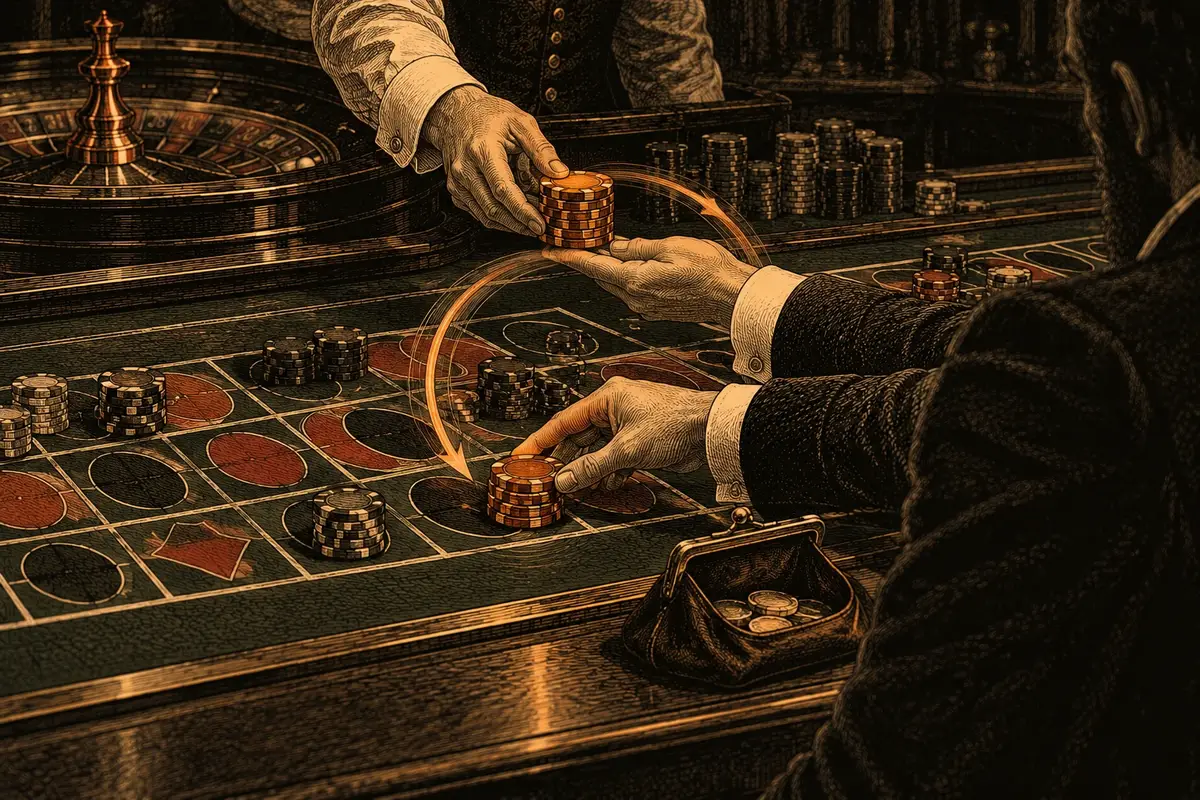
ꯁꯦꯁꯟ ꯑꯁꯤꯅ ꯎꯠꯂꯤꯕ
The chance of completing a new attempt is (18/37)⁴, about 5.60%. Conditional on already having three wins, the chance of the fourth win is still 18/37, about 48.65%. Later bets are not free: every stake can be lost, even when the attempt remains ahead overall.
ꯋꯥꯍꯪꯁꯤꯡ
The stake sizes and attempt payoffs differ. Under 1–3–2–6, a third-step loss leaves +2 units and a fourth-step loss leaves zero. Under 1–2–4–8, any failed attempt ends one unit down. Neither removes the house edgeꯃꯦꯊꯃꯦꯇꯤꯛꯁꯍꯥꯎꯁ ꯑꯦꯖꯊꯝꯂꯕ ꯁꯦꯜ ꯈꯨꯗꯤꯡꯗꯒꯤ ꯀꯦꯁꯤꯅꯣꯅ ꯑꯦꯚꯔꯦꯖꯗ ꯊꯃꯖꯤꯜꯂꯤꯕ ꯁꯔꯨꯛ: ꯌꯨꯔꯣꯄꯤꯌꯟ ꯔꯨꯂꯦꯠꯇ 2.70%꯫ꯃꯄꯨꯡ ꯄꯥꯕꯤꯌꯨ →.
ꯈꯔꯥ ꯃꯥꯡꯂꯤ, ꯆꯣꯡꯊꯣꯀꯄ ꯑꯃꯥ ꯅꯠꯔꯒ ꯑꯅꯤꯒ ꯂꯣꯌꯅꯅ꯫ ꯌꯨꯅꯤꯠ ꯑꯁꯤꯗ ꯁ꯭ꯄꯤꯟ 60 ꯒꯤ ꯃꯇꯨꯡꯗ ꯁꯦꯁꯟ ꯃꯉꯥꯗ ꯃꯇꯧ ꯀꯨꯞꯅ ꯑꯅꯤꯈꯛ ꯀꯥꯟꯅꯗꯨꯅ ꯂꯣꯏꯁꯤꯜꯂꯤ꯫
That defines a different rule. The next red still has probabilityꯃꯦꯊꯃꯦꯇꯤꯛꯁꯊꯣꯛꯄꯒꯤ ꯈꯨꯗꯣꯡꯆꯥꯕꯃꯍꯩ ꯑꯃꯥ ꯊꯣꯛꯄꯒꯤ ꯈꯨꯗꯣꯡꯆꯥꯕ, 0 ꯗꯒꯤ 1 ꯐꯥꯑꯣꯕ ꯅꯠꯔꯒ 0% ꯗꯒꯤ 100% ꯐꯥꯑꯣꯕ꯫ ꯃꯁꯤꯡ ꯑꯃꯥ: 1/37 = 2.70%꯫ꯃꯄꯨꯡ ꯄꯥꯕꯤꯌꯨ → 18/37, even after four reds. The probability of five reds from the start is (18/37)⁵, about 2.72%; those are different questions.
ꯅꯣꯛꯅꯕꯒꯤ ꯀꯃꯤꯛ
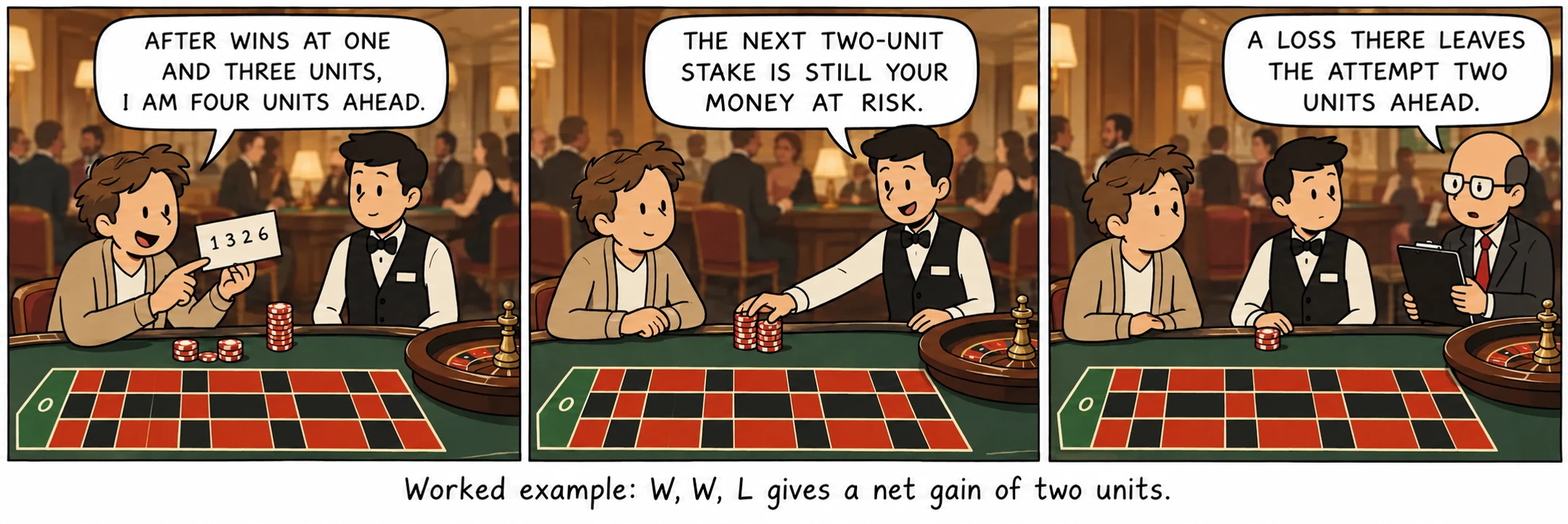
ꯃꯈꯥ ꯇꯥꯅ ꯃꯥꯏꯄꯥꯛꯄ ꯃꯔꯤ: 5.6%꯫ ꯃꯊꯧ ꯑꯗꯨꯅ ꯀꯔꯝꯅ ꯐꯥꯑꯣꯕꯒꯦ ꯍꯥꯌꯕꯈꯛ ꯂꯦꯞꯄꯤ꯫
ꯍꯧꯔꯛꯐꯃꯁꯤꯡ
- Ethier, S. N. The Doctrine of Chances: Probabilistic Aspects of Gambling.