ꯂꯥꯏꯔꯤꯛ ꯁꯦꯝꯕꯗ ꯔꯨꯂꯦꯠ
ꯅꯣꯚꯦꯜ ꯏꯕꯁꯤꯡꯅ ꯁꯦꯜ, ꯌꯥꯝꯅꯥ ꯄꯥꯝꯕ ꯑꯃꯁꯨꯡ ꯂꯥꯛꯀꯤ ꯃꯇꯥꯡꯗ ꯏꯅꯕ ꯔꯨꯂꯦꯠ ꯀꯔꯝꯅ ꯁꯤꯖꯤꯟꯅꯕꯒꯦ꯫
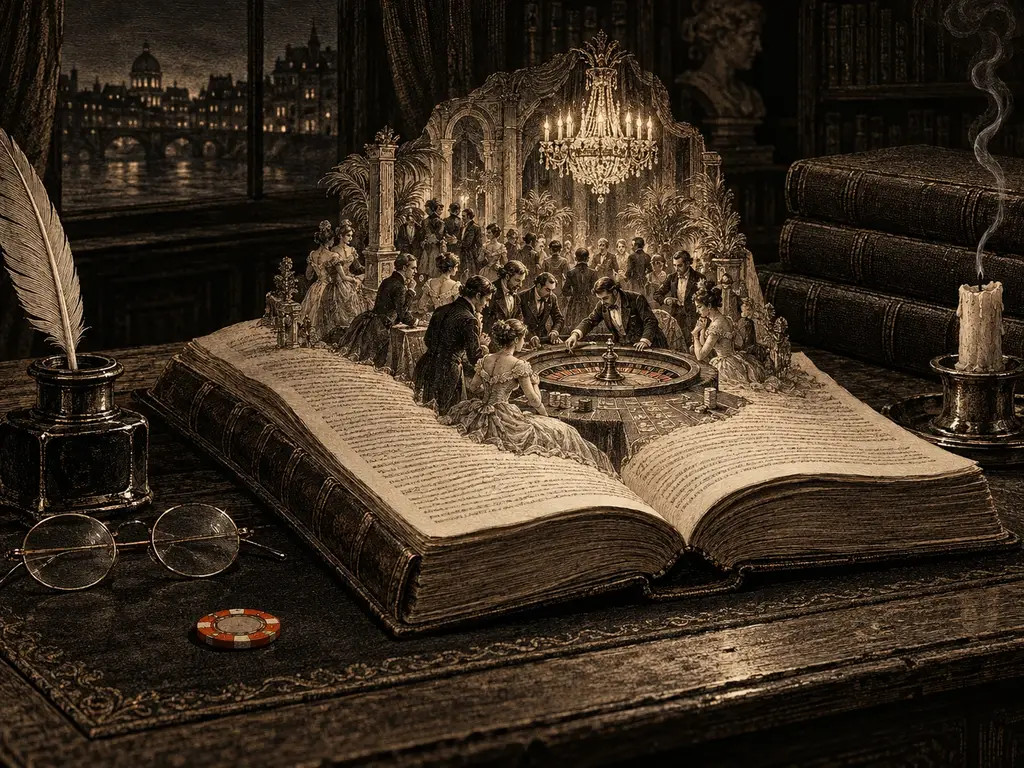
ꯗꯣꯁ꯭ꯇꯣꯌꯦꯚꯁ꯭ꯀꯤꯒꯤ The Gamblerꯗꯒꯤ ꯖꯦꯛ ꯂꯟꯗꯅꯒꯤ ꯀ꯭ꯂꯣꯟꯗꯥꯏꯛ ꯑꯃꯁꯨꯡ ꯐ꯭ꯂꯦꯃꯤꯡꯒꯤ Casino Royale ꯐꯥꯑꯣꯕ, ꯐꯤꯛꯁꯅꯗ ꯂꯩꯕ ꯔꯨꯂꯦꯠ ꯑꯁꯤ ꯁꯥꯟꯅꯔꯤꯕꯒꯤ ꯃꯇꯥꯡꯗꯅꯤ, ꯆꯛꯔꯒꯤ ꯃꯇꯥꯡꯗ ꯅꯠꯇꯦ꯫ ꯃꯁꯤꯒꯤ ꯈ꯭ꯕꯥꯏꯗꯒꯤ ꯐꯕ ꯑꯗꯨꯅ ꯑꯔꯥꯟꯕ ꯋꯥꯈꯜ, ꯂꯦꯞꯄ ꯉꯃꯗꯕ ꯄꯥꯝꯕ ꯑꯃꯁꯨꯡ ꯁꯤꯁ꯭ꯇꯦꯝ ꯑꯗꯨ ꯃꯅꯨꯡꯗꯒꯤ ꯐꯣꯡꯗꯣꯛꯂꯤ, ꯊꯧꯔꯥꯡꯒꯤ ꯂꯥꯏꯔꯤꯛ ꯑꯄꯤꯀꯄꯁꯤꯡꯅ ꯀꯩꯗꯧꯉꯩꯗꯁꯨ ꯌꯧꯕ ꯉꯃꯗꯕ ꯆꯨꯝꯅꯥ꯫
ꯂꯥꯕ꯭ꯂꯦ, 1801
La Roulette, ou Histoire d’un joueur is listed under Jacques Lablée in the catalog of an 1802 edition. It is a historical source worth distinguishing from later summaries that give different titles or dates. The catalog alone does not prove it contains the first-ever full description of roulette.
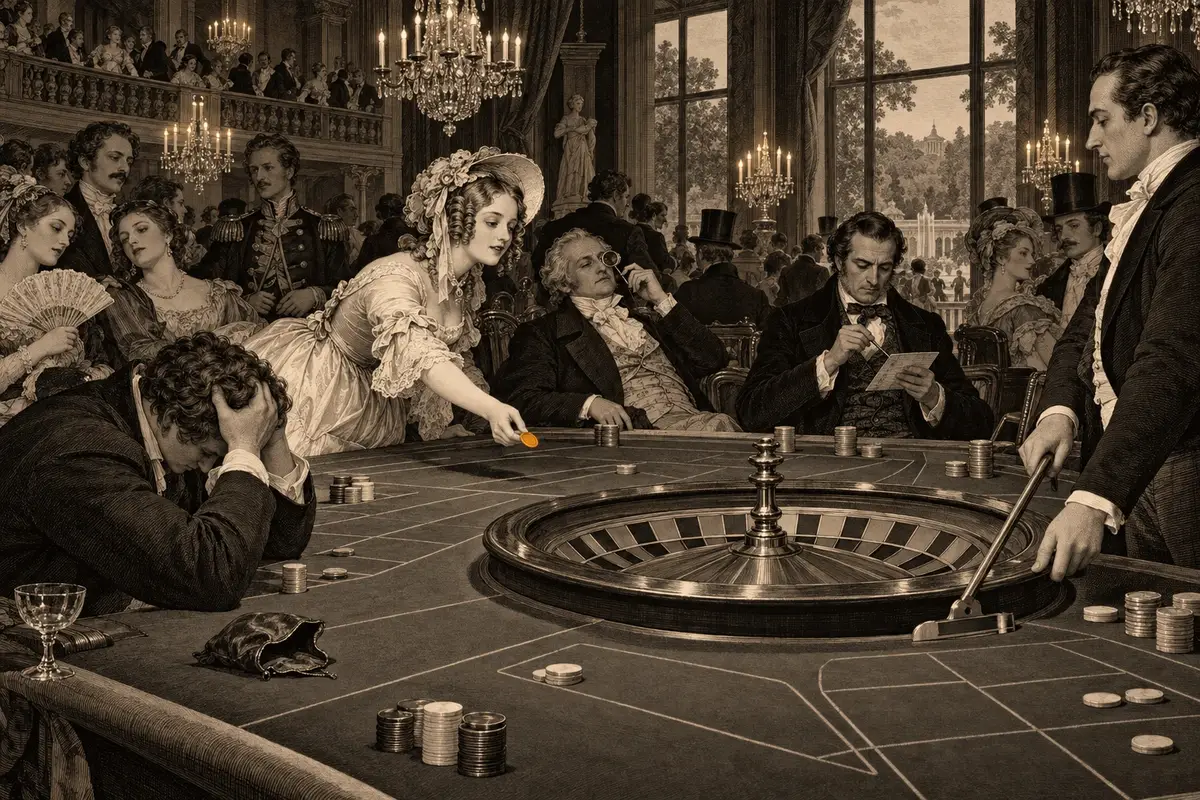
ꯗꯣꯁ꯭ꯇꯣꯌꯦꯚꯁ꯭ꯀꯤ, 1866
The Gambler follows Alexei through a fictional resort and the pressures surrounding gambling. Its narrator’s confidence should not be mistaken for the author’s endorsement of a strategy. See the separate Roulettenburg page for the grandmother’s zeroꯆꯛꯔꯖꯤꯔꯣꯆꯞ ꯃꯥꯟꯅꯕ, ꯗꯖꯟ ꯅꯠꯔꯒ ꯀꯂꯝ ꯕꯦꯠ ꯑꯃꯠꯇꯅ ꯀꯨꯞꯇꯕ ꯑꯁꯪꯕ ꯄꯣꯀꯦꯠ ꯑꯃꯈꯛꯇ; ꯍꯥꯎꯁ ꯑꯦꯖꯀꯤ ꯍꯧꯔꯀꯐꯝꯅꯤ꯫ ꯑꯇꯣꯞꯄ ꯃꯃꯤꯡ: ꯁꯤꯡꯒꯜ ꯖꯤꯔꯣ, 0꯫ꯃꯄꯨꯡ ꯄꯥꯕꯤꯌꯨ → bets and Alexei’s win.
ꯊꯦꯀꯔꯦ ꯑꯃꯁꯨꯡ ꯁ꯭ꯄꯥꯁꯤꯡ
Vanity Fair ꯑꯁꯤ ꯖꯔꯃꯟ ꯁ꯭ꯄꯥ ꯁꯍꯔ ꯑꯃꯒꯤ ꯇꯦꯕꯜꯁꯤꯡꯗ ꯕꯦꯀꯤ ꯁꯥꯔꯄꯀꯥ ꯂꯣꯌꯅꯅ ꯂꯣꯏꯁꯤꯜꯂꯤ, ꯑꯃꯁꯨꯡ ꯆꯦꯞꯇꯔ ꯑꯗꯨ 1840ꯒꯤ ꯆꯍꯤꯁꯤꯡꯗ ꯔꯨꯂꯦꯠ ꯆꯛꯔ ꯑꯃꯒꯤ ꯃꯅꯥꯛꯇ ꯀꯅꯥ ꯐꯝꯂꯝꯃꯤ ꯍꯥꯌꯕꯒꯤ ꯃꯌꯦꯛ ꯁꯦꯡꯕ ꯁ꯭ꯀꯦꯆ ꯑꯃꯅꯤ: ꯃꯥꯡꯂꯕꯁꯤꯡ, ꯑꯥꯁꯥ ꯇꯧꯔꯤꯕꯁꯤꯡ, ꯅꯨꯡꯉꯥꯏꯇꯕꯁꯤꯡ ꯑꯃꯁꯨꯡ ꯄ꯭ꯔꯣꯐꯦꯁꯅꯦꯂꯁꯤꯡ꯫ ꯊꯦꯀꯔꯦꯅ ꯃꯁꯤ ꯎꯈꯤ; ꯕꯥꯗꯦꯟ-ꯕꯥꯗꯦꯟ ꯑꯁꯤ ꯏꯉ꯭ꯂꯤꯁ ꯈꯣꯉꯆꯠ ꯆꯠꯄ ꯈꯨꯗꯤꯡꯃꯛꯀꯤ ꯂꯝꯕꯤꯗ ꯂꯩꯈꯤ꯫ ꯇꯨꯔꯒꯦꯅꯦꯚꯀꯤ Smoke (1867)ꯁꯨ ꯀꯥ ꯑꯗꯨꯃꯛꯇ ꯊꯣꯀꯏ꯫
ꯖꯦꯛ ꯂꯟꯗꯟ, 1912
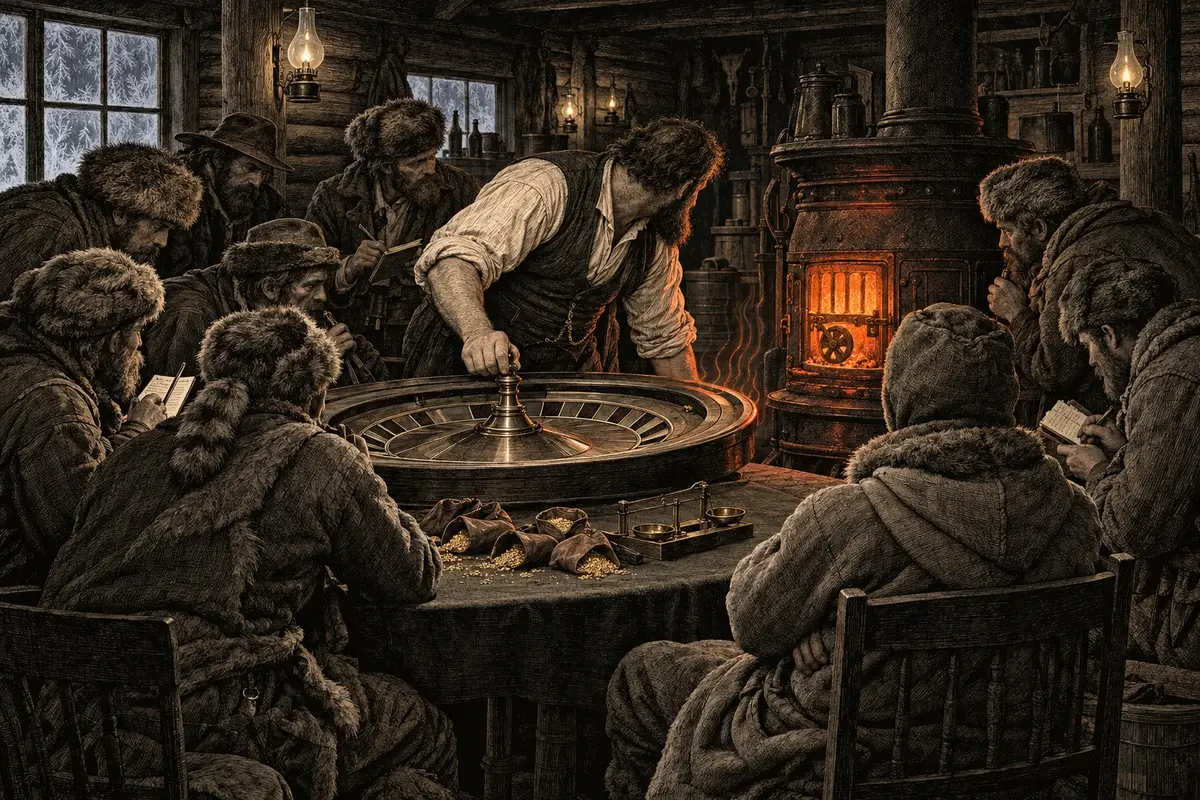
In “Shorty Dreams”, collected in Smoke Bellew, Smoke repeatedly wins at a particular table and sells his explanation to the game owners for $30,000. The ending links his predictions to the wheel’s position when the ballꯈꯨꯠꯂꯥꯏꯕꯣꯜꯔꯣꯇꯔꯒꯤ ꯃꯥꯌꯣꯛꯇ ꯇ꯭ꯔꯦꯛꯇ ꯊꯥꯗꯣꯛꯄ ꯑꯄꯤꯛꯄ ꯕꯣꯜ꯫ ꯍꯧꯖꯤꯛꯀꯤ ꯕꯣꯜꯁꯤꯡ ꯑꯥꯏꯚꯣꯔꯤꯟ ꯅꯠꯔꯒ ꯇꯦꯐ꯭ꯂꯣꯅꯅ ꯁꯦꯝꯃꯤ, 18–21 mm꯫ꯃꯄꯨꯡ ꯄꯥꯕꯤꯌꯨ → is launched; Big Burke then notices that a nearby stove has warped the wheel.
That is the story’s explanation, not a measured experiment. A relationship between launch conditions and results is different from a pocketꯈꯨꯠꯂꯥꯏꯄꯣꯀꯦꯠꯔꯣꯇꯔꯗ ꯂꯩꯕ ꯃꯁꯤꯡ ꯏꯔꯕ ꯀꯣꯠ 37 ꯒꯤ ꯃꯅꯨꯡꯗ ꯑꯃꯥ꯫ ꯑꯇꯣꯞꯄ ꯃꯃꯤꯡ: ꯁ꯭ꯂꯣꯠ, ꯀꯞ꯫ꯃꯄꯨꯡ ꯄꯥꯕꯤꯌꯨ → merely appearing too often overall. The scene illustrates the distinction between observing a physical effect and changing stake sizes, but does not prove that its exact trick works on a real wheel or that Jagger used the same mechanism.
ꯐ꯭ꯂꯦꯃꯤꯡ, 1953
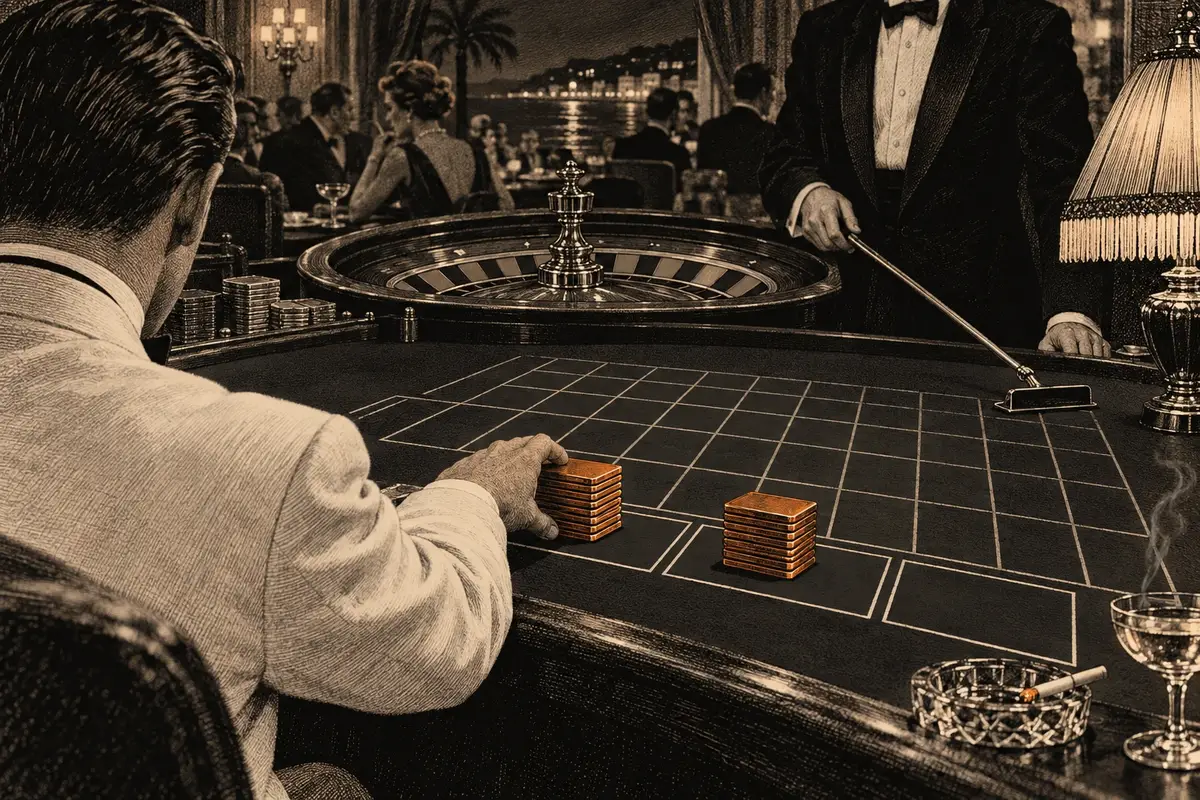
In chapter 7 of Casino Royale, Bond initially stakes the maximum on each of the first two dozensꯕꯦꯠꯗꯖꯟ1–12, 13–24 ꯅꯠꯔꯒ 25–36, 2:1 ꯄꯦꯑꯥꯎꯠ꯫ꯃꯄꯨꯡ ꯄꯥꯕꯤꯌꯨ → and wins six of seven spins. He then changes to the first and last dozens. This is not the 19–36, 13–18 and zero layoutꯈꯨꯠꯂꯥꯏꯂꯦꯑꯥꯎꯠꯇꯦꯕꯜꯗ ꯏꯔꯕ ꯕꯦꯠ ꯊꯝꯕꯒꯤ ꯒ꯭ꯔꯤꯗ꯫ ꯑꯇꯣꯞꯄ ꯃꯃꯤꯡ: ꯇꯦꯕꯜ, ꯐꯦꯜꯠ, ꯀ꯭ꯂꯣꯊ꯫ꯃꯄꯨꯡ ꯄꯥꯕꯤꯌꯨ → often marketed under his name. The scene also shows Bond consulting past results: a fictional win is not validation of that habit.
For an independent uniform single-zero model, both standard layouts retain the 2.70% house edgeꯃꯦꯊꯃꯦꯇꯤꯛꯁꯍꯥꯎꯁ ꯑꯦꯖꯊꯝꯂꯕ ꯁꯦꯜ ꯈꯨꯗꯤꯡꯗꯒꯤ ꯀꯦꯁꯤꯅꯣꯅ ꯑꯦꯚꯔꯦꯖꯗ ꯊꯃꯖꯤꯜꯂꯤꯕ ꯁꯔꯨꯛ: ꯌꯨꯔꯣꯄꯤꯌꯟ ꯔꯨꯂꯦꯠꯇ 2.70%꯫ꯃꯄꯨꯡ ꯄꯥꯕꯤꯌꯨ → per unitꯁꯦꯜꯌꯨꯅꯤꯠꯁꯤꯁ꯭ꯇꯦꯝ ꯅꯠꯔꯒ ꯁꯥꯟꯅꯔꯤꯕ ꯑꯃꯅ ꯁꯤꯖꯤꯟꯅꯕ ꯃꯔꯨꯑꯣꯏꯕ ꯊꯝꯂꯕ ꯁꯦꯜ꯫ ꯄ꯭ꯔꯣꯒ꯭ꯔꯦꯁꯅꯁꯤꯡ ꯌꯨꯅꯤꯠꯇ ꯁꯟꯗꯣꯛꯂꯤ, ꯃꯔꯝ ꯑꯗꯨꯅ ꯃꯈꯣꯌ ꯀꯔꯤꯒꯨꯝꯕ ꯇꯦꯕꯜꯗ ꯆꯠꯂꯤ꯫ꯃꯄꯨꯡ ꯄꯥꯕꯤꯌꯨ → wagered. Covering two dozens means covering 24 of 37 possible results, not two thirds of all outcomes. The Strategy section explains the distributions.
ꯅꯟ-ꯐꯤꯛꯁꯟ
ꯊꯣꯃꯁ ꯕꯥꯁꯀꯤ The Eudaemonic Pie (1985)ꯅ ꯈꯣꯡꯎꯄꯀꯤ ꯀꯝꯞꯌꯨꯇꯔꯁꯤꯡꯒꯤ ꯋꯥꯔꯤ ꯇꯥꯀꯏ ꯑꯃꯁꯨꯡ ꯃꯍꯧꯁꯥꯒꯤ ꯄꯥꯔꯤꯕꯒꯤꯗꯃꯛ ꯔꯨꯂꯦꯠ ꯐꯤꯖꯤꯛꯁꯀꯤ ꯈ꯭ꯕꯥꯏꯗꯒꯤ ꯐꯕ ꯂꯥꯏꯔꯤꯛꯅꯤ꯫ ꯔꯤꯆꯥꯔꯗ ꯑꯦꯄꯁ꯭ꯇꯥꯏꯟ ꯑꯃꯁꯨꯡ ꯁ꯭ꯇꯨꯌꯥꯔꯠ ꯏꯊꯤꯌꯔꯅ ꯑꯀꯅꯕ ꯃꯦꯊꯃꯦꯇꯤꯛꯁ ꯏꯈꯤ꯫ ꯔꯁꯦꯜ ꯕꯥꯔꯅꯍꯥꯔꯠꯀꯤ Beating the Wheel (1992)ꯅ ꯕꯥꯏꯌꯥꯁ ꯄ꯭ꯂꯦꯒꯤ ꯄꯨꯋꯥꯔꯤ ꯈꯣꯃꯖꯤꯜꯂꯤ꯫ ꯁꯤꯁ꯭ꯇꯦꯝꯁꯤꯡ ꯀꯔꯤꯒꯤ ꯐꯠꯇꯕꯒꯦ ꯍꯥꯌꯕꯒꯤ ꯄꯥꯕ ꯌꯥꯕ ꯂꯥꯏꯔꯤꯛ ꯀꯅꯥꯒꯨꯝꯕ ꯑꯃꯠꯇꯅ ꯏꯈꯤꯗꯦ, ꯃꯔꯃꯗꯤ ꯃꯁꯤ ꯂꯃꯥꯏ ꯑꯃꯗ ꯆꯪꯏ, ꯃꯗꯨ ꯋꯦꯕꯁꯥꯏꯠ ꯑꯁꯤꯗ ꯂꯩ꯫
ꯐꯤꯛꯁꯅꯅ ꯈꯉꯕ
ꯁꯤꯁ꯭ꯇꯦꯝ ꯑꯁꯤ ꯀꯟꯠꯔꯣꯜ ꯇꯧꯔꯤꯕꯒꯨꯝ ꯐꯥꯎꯕꯒꯤ ꯃꯑꯣꯡ ꯑꯃꯅꯤ꯫ ꯃꯥꯏꯄꯥꯀꯄ ꯑꯃꯅ ꯂꯧꯁꯤꯡꯒꯨꯝ ꯐꯥꯎꯍꯜꯂꯤ꯫ ꯆꯠꯊꯕ ꯉꯃꯗꯕ ꯁ꯭ꯇ꯭ꯔꯤꯛ ꯑꯗꯨ ꯆꯠꯊꯔꯤ꯫ ꯇꯁꯦꯡꯅꯃꯛ ꯃꯥꯏꯄꯥꯀꯄ ꯁꯥꯟꯅꯔꯤꯕ ꯑꯃꯈꯛ ꯑꯗꯨ ꯆꯛꯔꯗ ꯑꯁꯣꯏꯕ ꯐꯪꯈꯤꯕ ꯑꯗꯨꯅꯤ, ꯑꯃꯁꯨꯡ ꯃꯍꯥꯛꯅ ꯌꯥꯡꯅꯥ ꯌꯣꯟꯒꯗꯕꯅꯤ꯫ ꯃꯍꯩ ꯑꯗꯨ ꯃꯈꯣꯌꯒꯤ ꯈꯨꯠꯇ ꯂꯩꯇꯕꯗ ꯃꯤꯑꯣꯏ ꯑꯃꯅ ꯀꯅꯥꯅꯣ ꯍꯥꯌꯕ ꯎꯠꯄ ꯃꯐꯝ ꯑꯗꯨ ꯇꯦꯕꯜꯅꯤ꯫ ꯃꯦꯊꯃꯦꯇꯤꯛꯁꯅ ꯃꯁꯤꯡꯗ ꯋꯥꯐꯝ ꯑꯗꯨꯃꯛ ꯍꯥꯌꯔꯤ; ꯅꯣꯚꯦꯜ ꯏꯕꯁꯤꯡꯅ ꯃꯈꯣꯌꯕꯨ ꯑꯍꯥꯅꯕꯗ ꯍꯥꯌꯈꯤ꯫
ꯋꯥꯍꯪꯁꯤꯡ
The Gambler꯫ ꯃꯁꯤ ꯊꯨꯅ ꯑꯃꯁꯨꯡ ꯃꯁꯤꯗ ꯋꯥꯐꯝ ꯄꯨꯝꯅꯃꯛ ꯂꯩ꯫
ꯌꯥꯝꯅꯥ ꯅꯛꯅꯅ꯫ ꯗꯣꯁ꯭ꯇꯣꯌꯦꯚꯁ꯭ꯀꯤꯒꯤ ꯃꯁꯥꯒꯤ ꯃꯥꯡꯈꯤꯕ ꯁꯦꯜ, ꯃꯍꯥꯛꯀꯤ ꯁ꯭ꯇꯦꯅꯣꯒ꯭ꯔꯥꯐꯔ (ꯃꯍꯥꯛꯅ ꯂꯨꯍꯣꯡꯈꯤꯕ) ꯑꯃꯁꯨꯡ ꯁ꯭ꯄꯥꯒꯤ ꯐꯤꯚꯝ ꯄꯨꯝꯅꯃꯛ ꯃꯐꯝ ꯑꯗꯨꯗ ꯂꯩ꯫
ꯅꯠꯇꯦ꯫ Casino Royaleꯗ ꯕꯣꯟꯗꯅ ꯗꯖꯟ ꯑꯅꯤꯗ ꯕꯦꯠ ꯊꯝꯃꯤ꯫ 19–36, 13–18 ꯑꯃꯁꯨꯡ ꯖꯤꯔꯣꯗ ꯁꯟꯗꯣꯛꯄ ꯕꯦꯠ ꯑꯗꯨꯗ ꯃꯇꯨꯡꯗ ꯑꯇꯣꯞꯄ ꯃꯤ ꯑꯃꯅ ꯃꯍꯥꯛꯀꯤ ꯃꯃꯤꯡ ꯄꯤꯈꯤ꯫
ꯌꯥꯏ꯫ ꯀꯣꯛꯂꯕ ꯅꯠꯔꯒꯥ ꯅꯦꯛꯂꯕ ꯆꯛꯔ ꯑꯃꯥ ꯑꯁꯤ ꯖꯦꯒꯔꯅ ꯃꯣꯟꯇꯦ ꯀꯥꯔꯂꯣꯗ ꯁꯤꯖꯤꯟꯅꯈꯤꯕ ꯑꯗꯨꯃꯛꯅꯤ ꯑꯃꯁꯨꯡ ꯂꯦꯕ ꯁꯦꯛꯁꯅꯅ ꯃꯗꯨ ꯀꯔꯝꯅ ꯐꯪꯒꯗꯒꯦ ꯇꯥꯀꯄꯤ꯫ ꯗꯣꯂꯥꯔ ꯂꯤꯁꯤꯡ ꯀꯨꯟꯊꯔꯥ ꯑꯗꯨ ꯁꯦꯝꯅꯥ ꯁꯦꯝꯕ ꯁꯔꯨꯛꯅꯤ꯫
ꯅꯣꯛꯅꯕꯒꯤ ꯀꯃꯤꯛ
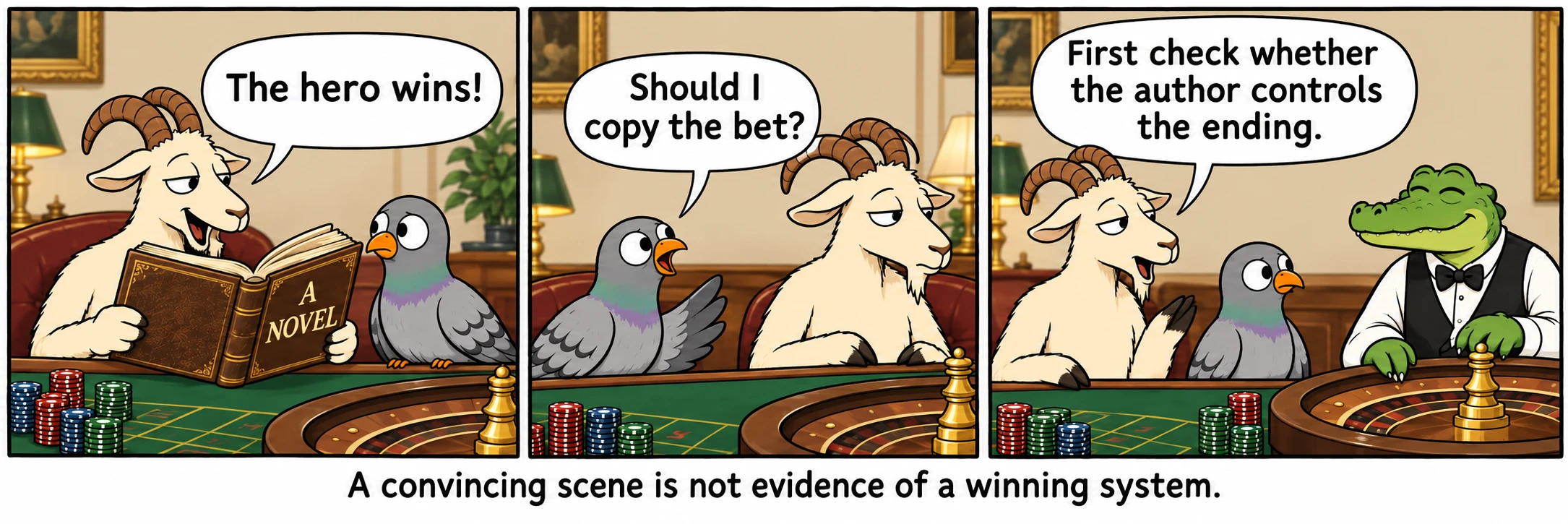
ꯅꯣꯚꯦꯜ ꯏꯕꯁꯤꯡꯅ ꯈꯉꯈꯤ꯫ ꯃꯈꯣꯌꯗꯁꯨ ꯃꯇꯦꯡ ꯄꯥꯡꯈꯤꯗꯦ꯫
ꯍꯧꯔꯛꯐꯃꯁꯤꯡ
- Lablée, J. La Roulette, ou le Jour.
- London, J. Smoke Bellew.
- Bass, T. A. The Eudaemonic Pie.
- Barnhart, R. T. Beating the Wheel.
- Kavanagh, T. M. Dice, Cards, Wheels: A Different History of French Culture.