ꯔꯨꯂꯦꯠꯇ ꯕꯦꯠ ꯁꯟꯗꯣꯛꯄ ꯑꯃꯁꯨꯡ ꯍꯦꯖꯤꯡ
ꯃꯍꯩꯁꯤꯡ “ꯀꯚꯔ” ꯇꯧꯅꯕ ꯃꯁꯥꯒꯤ ꯃꯥꯌꯣꯛꯇ ꯕꯦꯠ ꯊꯝꯕ ꯑꯁꯤ ꯉꯥꯀꯊꯣꯛꯂꯕ ꯑꯣꯏꯅ ꯐꯥꯑꯣꯏ꯫ ꯃꯁꯤ 2.70% ꯑꯗꯨꯃꯛꯅꯤ, ꯆꯤꯞ ꯍꯦꯟꯅꯥ ꯌꯥꯝꯕꯗ ꯄꯤꯕ꯫
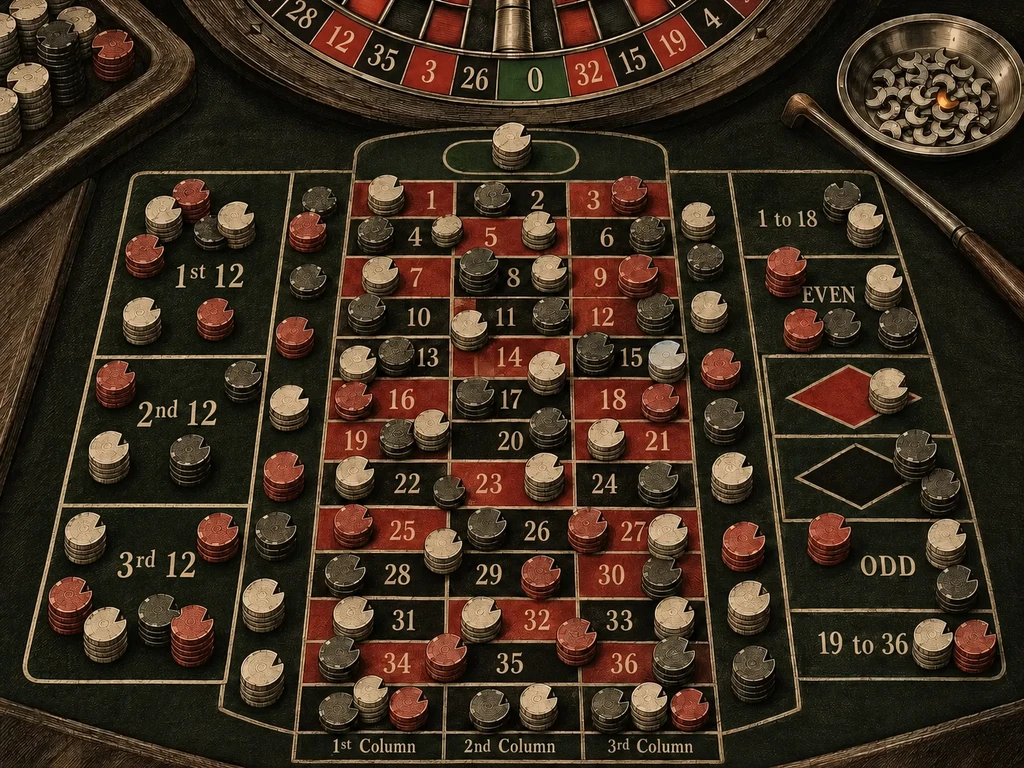
Combining bets changes their net outcomes. Adding chips increases expected loss under the same rules; redistributing a fixed total stake preserves expected loss but can change varianceꯃꯦꯊꯃꯦꯇꯤꯛꯁꯚꯦꯌꯔꯤꯌꯦꯟꯁꯃꯍꯩꯁꯤꯡ ꯐꯪꯒꯗꯕ ꯃꯃꯂꯒꯤ ꯑꯀꯣꯌꯕꯗ ꯀꯌꯥ ꯁꯟꯗꯣꯛꯅ ꯂꯩꯕꯒꯦ ꯍꯥꯌꯕꯒꯤ ꯆꯥꯡ꯫ ꯁ꯭ꯇ꯭ꯔꯦꯠ-ꯑꯞꯇ ꯋꯥꯡꯏ, ꯆꯞ ꯃꯥꯟꯅꯕ ꯕꯦꯠꯁꯤꯡꯗ ꯅꯦꯝꯏ꯫ꯃꯄꯨꯡ ꯄꯥꯕꯤꯌꯨ → and profit probability.
ꯔꯨꯂꯦꯠ ꯍꯦꯖꯤꯡ ꯊꯧꯔꯥꯡꯒꯤ ꯃꯔꯨꯑꯣꯏꯕ ꯋꯥꯈꯜ
A chipꯁꯦꯜꯆꯤꯞꯂꯦꯞꯂꯕ ꯁꯦꯜꯒꯤ ꯃꯃꯜ ꯇꯥꯛꯄ ꯇꯣꯀꯟ, ꯕꯦꯠ ꯊꯝꯅꯕ ꯂꯦꯑꯥꯎꯠꯇ ꯊꯝꯃꯤ꯫ ꯑꯇꯣꯞꯄ ꯃꯃꯤꯡ: ꯆꯦꯛ꯫ꯃꯄꯨꯡ ꯄꯥꯕꯤꯌꯨ → on redꯕꯦꯠꯑꯉꯥꯡꯕꯑꯉꯥꯡꯕ ꯃꯁꯤꯡ 18 ꯗ ꯊꯝꯕ ꯆꯞ ꯃꯥꯟꯅꯕ ꯕꯦꯠ꯫ ꯐ꯭ꯔꯦꯟꯆ: ꯔꯨꯖ꯫ꯃꯄꯨꯡ ꯄꯥꯕꯤꯌꯨ → and a chip on columnꯕꯦꯠꯀꯂꯝꯂꯦꯑꯥꯎꯠꯀꯤ ꯊꯣꯡꯅꯥꯡꯒꯤ ꯀꯂꯝ ꯑꯃꯗ ꯂꯩꯕ ꯃꯁꯤꯡ ꯇꯔꯥꯅꯤꯊꯣꯏ, 2:1 ꯄꯦꯑꯥꯎꯠ꯫ꯃꯄꯨꯡ ꯄꯥꯕꯤꯌꯨ → 3 cover 22 distinct numbers, but coverage is not the same as a net profit: some winning chips merely offset losing ones. The stake sizes and overlap determine the full distribution. Adding a bet can increase absolute swings even if it feels like protection.
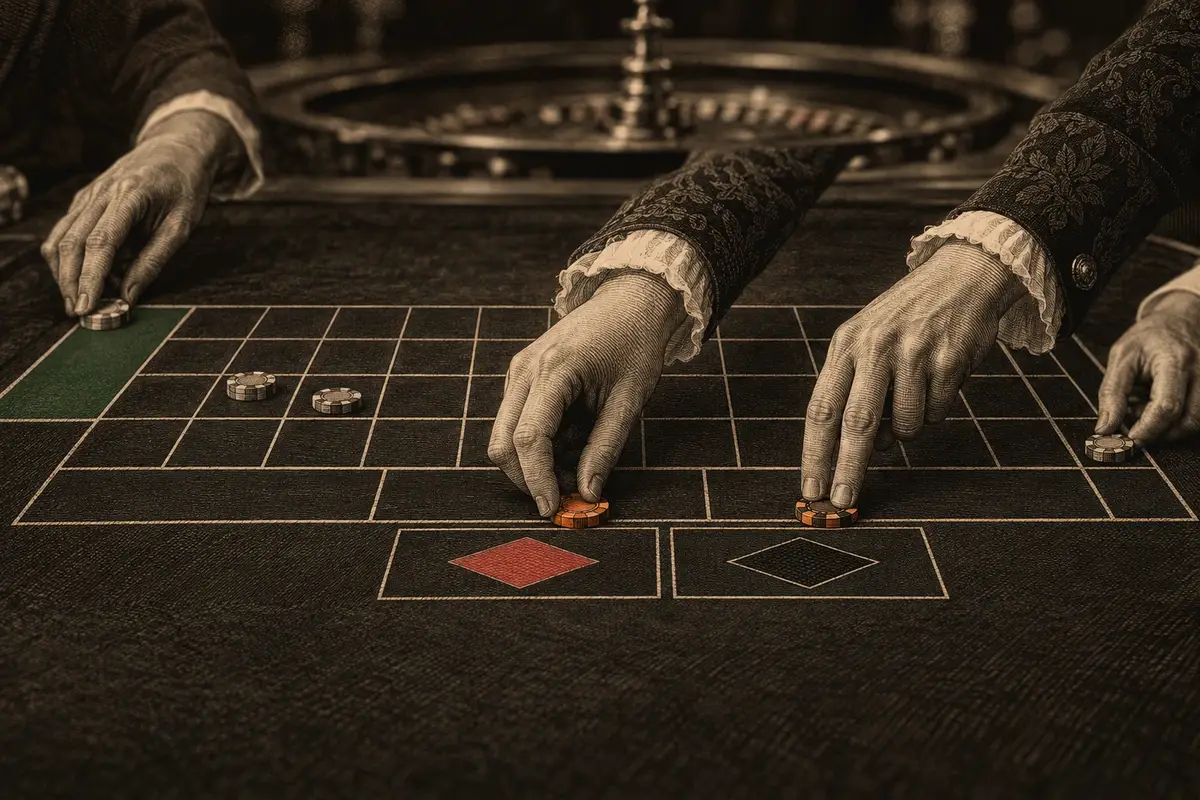
ꯃꯁꯤꯡ ꯊꯤꯕ
Expected valuesꯃꯦꯊꯃꯦꯇꯤꯛꯁꯐꯪꯒꯗꯕ ꯃꯃꯜꯃꯇꯝ ꯁꯥꯡꯅ ꯌꯦꯡꯂꯕꯗ ꯕꯦꯠ ꯑꯃꯒꯤ ꯑꯦꯚꯔꯦꯖ ꯃꯍꯩ꯫ ꯃꯔꯨꯑꯣꯏꯕ ꯌꯨꯔꯣꯄꯤꯌꯟ ꯕꯦꯠ ꯈꯨꯗꯤꯡꯗ ꯊꯝꯂꯕ ꯁꯦꯜꯒꯤ −1/37꯫ꯃꯄꯨꯡ ꯄꯥꯕꯤꯌꯨ → add. Red is −1/37 of its stake; the column chip is −1/37 of its stake; together they are −1/37 of the total. Profit probabilityꯃꯦꯊꯃꯦꯇꯤꯛꯁꯊꯣꯛꯄꯒꯤ ꯈꯨꯗꯣꯡꯆꯥꯕꯃꯍꯩ ꯑꯃꯥ ꯊꯣꯛꯄꯒꯤ ꯈꯨꯗꯣꯡꯆꯥꯕ, 0 ꯗꯒꯤ 1 ꯐꯥꯑꯣꯕ ꯅꯠꯔꯒ 0% ꯗꯒꯤ 100% ꯐꯥꯑꯣꯕ꯫ ꯃꯁꯤꯡ ꯑꯃꯥ: 1/37 = 2.70%꯫ꯃꯄꯨꯡ ꯄꯥꯕꯤꯌꯨ → need not increase: $10 on red plus $5 on column 3 still profits on only the 18 red numbers. The Bet Builder tool enumerates all 37 outcomes for any set of chips and shows the distribution and the expected return for the chosen total stake.
ꯑꯉꯥꯡꯕ ꯑꯃꯁꯨꯡ ꯑꯃꯨꯕ
Equal stakes on red and blackꯕꯦꯠꯑꯃꯨꯕꯑꯃꯨꯕ ꯃꯁꯤꯡ 18 ꯗ ꯊꯝꯕ ꯆꯞ ꯃꯥꯟꯅꯕ ꯕꯦꯠ꯫ ꯐ꯭ꯔꯦꯟꯆ: ꯅꯣꯌꯥꯔ꯫ꯃꯄꯨꯡ ꯄꯥꯕꯤꯌꯨ → break even on every nonzero result and lose both stakes on zeroꯆꯛꯔꯖꯤꯔꯣꯆꯞ ꯃꯥꯟꯅꯕ, ꯗꯖꯟ ꯅꯠꯔꯒ ꯀꯂꯝ ꯕꯦꯠ ꯑꯃꯠꯇꯅ ꯀꯨꯞꯇꯕ ꯑꯁꯪꯕ ꯄꯣꯀꯦꯠ ꯑꯃꯈꯛꯇ; ꯍꯥꯎꯁ ꯑꯦꯖꯀꯤ ꯍꯧꯔꯀꯐꯝꯅꯤ꯫ ꯑꯇꯣꯞꯄ ꯃꯃꯤꯡ: ꯁꯤꯡꯒꯜ ꯖꯤꯔꯣ, 0꯫ꯃꯄꯨꯡ ꯄꯥꯕꯤꯌꯨ →. Under standard single-zero rules the net-profit probability is zero and the edge is 1/37 of the total. Covering all numbers can also guarantee a loss: 12 unitsꯁꯦꯜꯌꯨꯅꯤꯠꯁꯤꯁ꯭ꯇꯦꯝ ꯅꯠꯔꯒ ꯁꯥꯟꯅꯔꯤꯕ ꯑꯃꯅ ꯁꯤꯖꯤꯟꯅꯕ ꯃꯔꯨꯑꯣꯏꯕ ꯊꯝꯂꯕ ꯁꯦꯜ꯫ ꯄ꯭ꯔꯣꯒ꯭ꯔꯦꯁꯅꯁꯤꯡ ꯌꯨꯅꯤꯠꯇ ꯁꯟꯗꯣꯛꯂꯤ, ꯃꯔꯝ ꯑꯗꯨꯅ ꯃꯈꯣꯌ ꯀꯔꯤꯒꯨꯝꯕ ꯇꯦꯕꯜꯗ ꯆꯠꯂꯤ꯫ꯃꯄꯨꯡ ꯄꯥꯕꯤꯌꯨ → on each dozenꯕꯦꯠꯗꯖꯟ1–12, 13–24 ꯅꯠꯔꯒ 25–36, 2:1 ꯄꯦꯑꯥꯎꯠ꯫ꯃꯄꯨꯡ ꯄꯥꯕꯤꯌꯨ → and 1 on zero stakes 37 and returns 36 whichever pocketꯈꯨꯠꯂꯥꯏꯄꯣꯀꯦꯠꯔꯣꯇꯔꯗ ꯂꯩꯕ ꯃꯁꯤꯡ ꯏꯔꯕ ꯀꯣꯠ 37 ꯒꯤ ꯃꯅꯨꯡꯗ ꯑꯃꯥ꯫ ꯑꯇꯣꯞꯄ ꯃꯃꯤꯡ: ꯁ꯭ꯂꯣꯠ, ꯀꯞ꯫ꯃꯄꯨꯡ ꯄꯥꯕꯤꯌꯨ → wins.
ꯃꯃꯤꯡ ꯂꯩꯕ ꯁꯤꯁ꯭ꯇꯦꯝ ꯑꯃꯥ: ꯕꯣꯍꯦꯃꯤꯌꯥ (1959)
Consider one unit on black and one on the third column, which holds eight red numbers and only four black ones (6, 15, 24, 33). On a standard double-zero wheel, 38 such spins have expected lossꯃꯦꯊꯃꯦꯇꯤꯛꯁꯃꯥꯡꯒꯗꯕ ꯁꯦꯜꯐꯪꯒꯗꯕ ꯃꯃꯂꯕꯨ ꯕꯦꯠ ꯊꯝꯂꯕ ꯁꯦꯜ ꯄꯨꯝꯅꯃꯛꯅ ꯃꯅꯥꯡꯕ; ꯁꯦꯁꯟ ꯅꯠꯔꯒ ꯃꯇꯝ ꯑꯃꯒꯤ ꯃꯅꯨꯡꯗ ꯃꯥꯡꯕ ꯑꯦꯚꯔꯦꯖ ꯁꯦꯜ꯫ꯃꯄꯨꯡ ꯄꯥꯕꯤꯌꯨ → 4 units, not a guaranteed result. Count the outcomes on a European wheel. A black number in the third column wins both bets, +3; a red one wins the column and loses black, +1; any other black wins black and loses the column, 0; the other ten reds and the zero lose both, −2. Using the expected counts over 37 independent spinsꯃꯦꯊꯃꯦꯇꯤꯛꯁꯃꯔꯤ ꯂꯩꯅꯗꯕ ꯁ꯭ꯄꯤꯟꯁꯤꯡꯍꯥꯟꯅꯒꯤ ꯃꯍꯩ ꯀꯔꯤꯒꯨꯝꯕ ꯑꯣꯏꯔꯕꯁꯨ ꯁ꯭ꯄꯤꯟ ꯈꯨꯗꯤꯡꯃꯛꯀꯤ ꯊꯣꯛꯄꯒꯤ ꯈꯨꯗꯣꯡꯆꯥꯕ ꯃꯥꯟꯅꯩ꯫ ꯋꯦꯕꯁꯥꯏꯠ ꯑꯁꯤꯒꯤ ꯊꯤꯕ ꯈꯨꯗꯤꯡꯃꯛꯀꯤ ꯌꯨꯝꯐꯝꯅꯤ꯫ꯃꯄꯨꯡ ꯄꯥꯕꯤꯌꯨ → gives 12 + 8 + 0 − 22 = −2 units on 74 staked, 2.70%, as for every combination. The chance of a win or break-evenꯃꯦꯊꯃꯦꯇꯤꯛꯁꯕ꯭ꯔꯦꯛ-ꯏꯚꯟꯕꯦꯠ ꯑꯃꯒꯤ ꯐꯪꯒꯗꯕ ꯃꯃꯜ ꯆꯨꯃꯊꯣꯛꯅ ꯖꯤꯔꯣ ꯑꯣꯏꯕ ꯃꯐꯝ, ꯃꯔꯝ ꯑꯗꯨꯅ ꯀꯅꯥꯒꯨꯝꯕ ꯃꯥꯏꯀꯩ ꯑꯃꯠꯇꯗ ꯑꯦꯖ ꯂꯩꯇꯦ꯫ ꯌꯥꯝꯅ ꯄꯦꯑꯥꯎꯠ ꯑꯃ ꯅꯠꯔꯒ ꯖꯦꯀꯄꯣꯠꯀꯤ ꯆꯥꯎꯕ ꯑꯃꯅꯤ꯫ꯃꯄꯨꯡ ꯄꯥꯕꯤꯌꯨ → result is 26/37. Changing the stakes to 3 on black and 2 on the column changes the outcomes and total expected loss, while preserving the standard single-zero edge per unit.
ꯄ꯭ꯔꯣꯒ꯭ꯔꯦꯁꯟ ꯑꯃꯕꯨ ꯍꯦꯖ ꯇꯧꯕ
Adding or moving bets changes which outcomes recover previous losses, and can change both the probability and size of an unfinished-cycle loss. It does not make the previous loss part of the next spin’s odds. Under standard single-zero rules, extra turnoverꯁꯦꯜꯇꯔꯅꯑꯣꯚꯔꯁꯦꯁꯟ ꯅꯠꯔꯒ ꯃꯇꯝ ꯑꯃꯒꯤ ꯃꯅꯨꯡꯗ ꯕꯦꯠ ꯊꯝꯂꯕ ꯁꯦꯜ ꯄꯨꯝꯅꯃꯛ, ꯑꯃꯨꯛ ꯍꯟꯅꯥ ꯊꯝꯂꯕ ꯃꯥꯏꯄꯥꯛꯇꯨꯅ ꯐꯪꯂꯕ ꯁꯦꯜꯁꯨ ꯌꯥꯎꯅ꯫ ꯑꯇꯣꯞꯄ ꯃꯃꯤꯡ: ꯍꯦꯟꯗꯜ, ꯑꯦꯛꯁꯟ꯫ꯃꯄꯨꯡ ꯄꯥꯕꯤꯌꯨ → adds expected cost.
ꯄꯦꯇꯔꯟ ꯑꯁꯤꯒꯤ ꯃꯃꯜ ꯍꯦꯟꯅꯥ ꯋꯥꯡꯕ ꯃꯇꯝ: ꯗꯤꯂꯔ ꯑꯃꯒꯤ ꯁꯦꯛꯇꯔ ꯁꯤꯁ꯭ꯇꯦꯝ
On a double-zero wheel one cover costs more than the rest. Consider a spread aimed at two arcs of the standard American wheel: the eight pockets 2, 0, 28, 9, 26, 30, 11, 7 and, opposite them, 1, 00, 27, 10, 25, 29, 12, 8. On that wheel the two arcs happen to fall into layoutꯈꯨꯠꯂꯥꯏꯂꯦꯑꯥꯎꯠꯇꯦꯕꯜꯗ ꯏꯔꯕ ꯕꯦꯠ ꯊꯝꯕꯒꯤ ꯒ꯭ꯔꯤꯗ꯫ ꯑꯇꯣꯞꯄ ꯃꯃꯤꯡ: ꯇꯦꯕꯜ, ꯐꯦꯜꯠ, ꯀ꯭ꯂꯣꯊ꯫ꯃꯄꯨꯡ ꯄꯥꯕꯤꯌꯨ → blocks, so three chips cover them: one on the five-number bet (0, 00, 1, 2, 3), one on the six lineꯕꯦꯠꯁꯤꯛꯁ ꯂꯥꯏꯟꯌꯨꯝꯂꯣꯟꯅꯕ ꯂꯥꯏꯟ ꯑꯅꯤꯗ ꯂꯩꯕ ꯃꯁꯤꯡ ꯇꯔꯨꯛ, 5:1 ꯄꯦꯑꯥꯎꯠ꯫ ꯐ꯭ꯔꯦꯟꯆ: ꯁꯤꯖꯦꯟ꯫ꯃꯄꯨꯡ ꯄꯥꯕꯤꯌꯨ → 7–12 and one on the six line 25–30. That is 17 numbers, the two arcs plus 3, for three chips. The catch is the first chip. The layout has no bet on 0, 00, 1 and 2 alone, and the five-number bet is the one American bet priced at 7.89% instead of 5.26%. It pulls the whole pattern to −7/38 of a unit on 3 units staked, 6.14%. For standard double-zero payoutsꯁꯦꯜꯄꯦꯑꯥꯎꯠꯃꯥꯏꯄꯥꯛꯄ ꯕꯦꯠ ꯑꯃꯅ ꯍꯜꯂꯛꯄ ꯁꯦꯜ, ꯍꯜꯂꯀꯄ ꯊꯝꯂꯕ ꯁꯦꯜꯒꯤ ꯃꯊꯛꯇ “X ꯗꯒꯤ 1” ꯍꯥꯌꯅ ꯍꯥꯌꯏ꯫ꯃꯄꯨꯡ ꯄꯥꯕꯤꯌꯨ → without a special zero rule, these other constituent bets have a 5.26% edge; this one costs more because it includes it.
ꯔꯨꯂꯦꯠ ꯗꯤꯂꯔꯁꯤꯡꯅ ꯃꯁꯤꯡ ꯄꯥꯟꯗꯝ ꯊꯝꯗꯨꯅ ꯊꯣꯛꯍꯟꯕ ꯉꯃꯒꯗ꯭ꯔꯥ? ꯑꯔꯥꯟꯕ ꯊꯥꯖꯕꯑꯃꯦꯔꯤꯀꯟ ꯔꯨꯂꯦꯠ ꯆꯛꯔ ꯑꯃꯁꯨꯡ ꯅꯤꯌꯝꯁꯤꯡ
ꯀꯚꯔ ꯇꯧꯕ ꯑꯁꯤ ꯃꯇꯧ ꯆꯥꯕ ꯃꯇꯝ
ꯃꯑꯣꯡ ꯑꯗꯨ ꯅꯍꯥꯛꯅ ꯄꯥꯝꯂꯤꯕ ꯃꯇꯝꯗ: ꯃꯃꯜ ꯍꯣꯡꯗꯦ ꯍꯥꯌꯕ ꯈꯉꯂꯗꯨꯅ, ꯃꯇꯝ ꯁꯥꯡꯕ ꯅꯤꯡꯊꯤꯕ ꯁꯦꯁꯟ ꯑꯃꯒꯤꯗꯃꯛ ꯃꯥꯏꯄꯥꯛꯄꯒꯤ ꯃꯆꯥꯛ ꯋꯥꯡꯕ꯫ ꯖꯦꯃꯁ ꯕꯣꯟꯗ ꯁ꯭ꯞꯔꯦꯗ ꯑꯃꯁꯨꯡ ꯗꯖꯟ ꯑꯅꯤꯒꯤ ꯁꯥꯟꯅꯕ ꯑꯁꯤ ꯔꯨꯂꯦꯠ ꯁ꯭ꯞꯔꯦꯗ ꯕꯦꯇꯤꯡꯒꯤ ꯑꯆꯨꯝꯕ ꯃꯈꯂꯁꯤꯡꯅꯤ꯫ ꯑꯆꯨꯝꯕ ꯅꯠꯇꯕ ꯃꯈꯜ ꯑꯗꯨꯗꯤ ꯀꯚꯔ ꯄꯦꯇꯔꯟ ꯑꯃꯅ “ꯃꯥꯏꯊꯤꯕ ꯉꯝꯗꯦ” ꯍꯥꯌꯅ ꯍꯥꯌꯕ ꯀꯔꯤꯒꯨꯝꯕ ꯄꯦꯝꯐꯂꯦꯠ ꯑꯃꯅꯤ; ꯃꯁꯤꯡ ꯊꯤꯕꯅ ꯄꯦꯇꯔꯟ ꯈꯨꯗꯤꯡꯃꯛꯅ ꯊꯝꯂꯕ ꯁꯦꯜꯒꯤ 2.70% ꯃꯥꯡꯏ ꯍꯥꯌꯅ ꯍꯥꯌꯔꯤ꯫
ꯋꯥꯍꯪꯁꯤꯡ
La partageꯅꯤꯌꯝꯂꯥ ꯄꯥꯔꯇꯥꯖꯐ꯭ꯔꯦꯟꯆ ꯅꯤꯌꯝ: ꯖꯤꯔꯣ ꯊꯣꯛꯂꯕꯗꯤ ꯆꯞ ꯃꯥꯟꯅꯕ ꯕꯦꯠꯀꯤ ꯊꯝꯂꯕ ꯁꯦꯜꯒꯤ ꯁꯔꯨꯛ ꯑꯍꯦꯟꯕ ꯍꯜꯂꯀꯏ꯫ ꯕꯦꯠ ꯑꯗꯨꯁꯤꯡꯒꯤ ꯍꯥꯎꯁ ꯑꯦꯖ 1.35% ꯐꯥꯑꯣꯕ ꯁꯔꯨꯛ ꯑꯅꯤꯗ ꯊꯥꯖꯤꯜꯂꯤ꯫ꯃꯄꯨꯡ ꯄꯥꯕꯤꯌꯨ → gives eligible single-zero even-money betsꯕꯦꯠꯆꯞ ꯃꯥꯟꯅꯕ ꯕꯦꯠꯑꯉꯥꯡꯕ/ꯑꯃꯨꯕ, ꯕꯤꯖꯣꯔ/ꯖꯣꯔ, ꯑꯋꯥꯡꯕ/ꯑꯅꯦꯝꯕ꯫ ꯃꯁꯤꯡ 18, 1:1 ꯄꯦꯑꯥꯎꯠ꯫ꯃꯄꯨꯡ ꯄꯥꯕꯤꯌꯨ → a 1/74 edge. Mixing them with ordinary 1/37 bets produces a stake-weighted edge between those values. Check actual rules, not just the table name.
ꯍꯟꯊꯍꯜꯂꯤ꯫ ꯃꯁꯤꯅ ꯂꯧꯕ ꯑꯗꯨ ꯃꯗꯨꯅꯤ, ꯑꯃꯁꯨꯡ ꯃꯗꯨ ꯈꯛꯇꯅꯤ꯫
ꯃꯁꯤ ꯈꯨꯗꯤꯡꯃꯛꯀꯤ EV −2.70% ꯂꯩꯕ ꯕꯦꯠ ꯑꯅꯤꯅꯤ꯫ ꯃꯈꯣꯌ ꯌꯥꯝꯅ ꯅꯨꯡꯉꯥꯏꯏ꯫
ꯅꯣꯛꯅꯕꯒꯤ ꯀꯃꯤꯛ
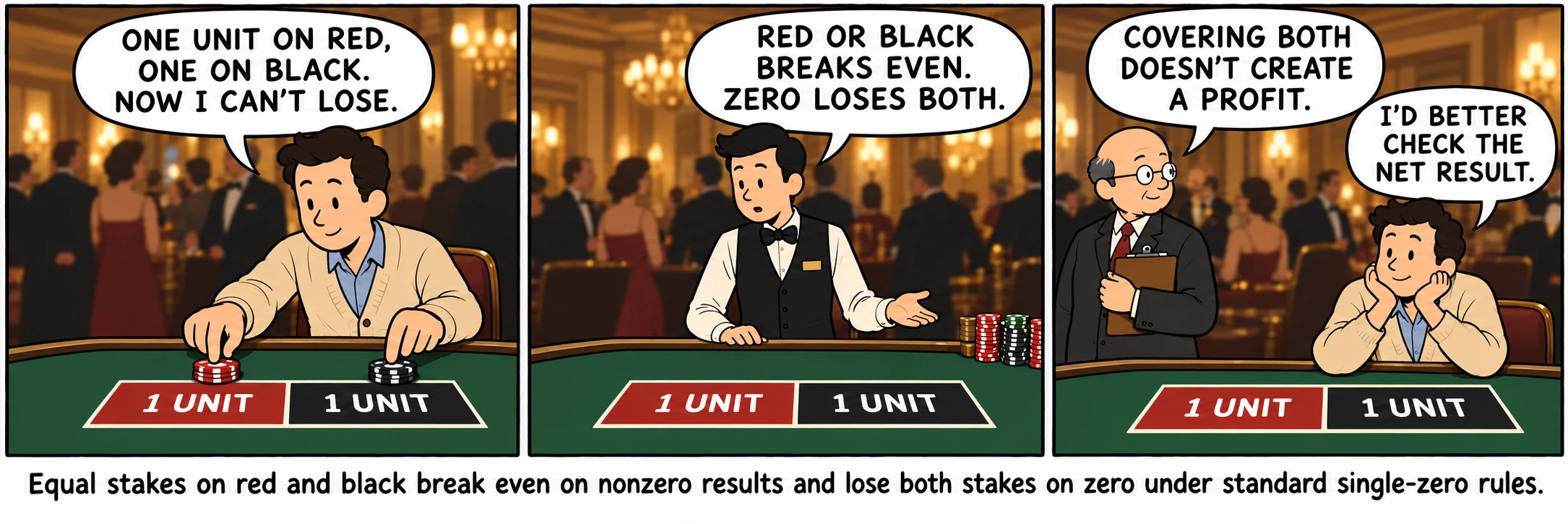
ꯀꯚꯔ ꯇꯧꯕꯅ ꯃꯑꯣꯡ ꯍꯣꯡꯗꯣꯀꯏ꯫ ꯃꯃꯜ ꯑꯗꯨ ꯆꯤꯞ ꯈꯨꯗꯤꯡꯃꯛꯇ ꯂꯩ꯫
ꯍꯧꯔꯛꯐꯃꯁꯤꯡ
- RouletteDoc. Roulette strategies overview.
- Roulette77. Roulette strategies overview.
- Ethier, S. N. The Doctrine of Chances: Probabilistic Aspects of Gambling.
- Bollman, M. Mathematics of the Big Four Casino Table Games: Blackjack, Baccarat, Craps, & Roulette.
- Bollman, M. Basic Gambling Mathematics: The Numbers Behind the Neon, 2nd ed.
- Epstein, R. A. The Theory of Gambling and Statistical Logic, 2nd ed.
- Scarne, J. Scarne’s Complete Guide to Gambling.