ꯈꯣꯡꯊꯥꯡ ꯈꯣꯡꯊꯥꯡ: ꯗꯥꯂꯥꯝꯕꯦꯌꯔꯒ ꯂꯣꯌꯅꯕ ꯅꯨꯃꯤꯗꯥꯡ ꯑꯃꯥ
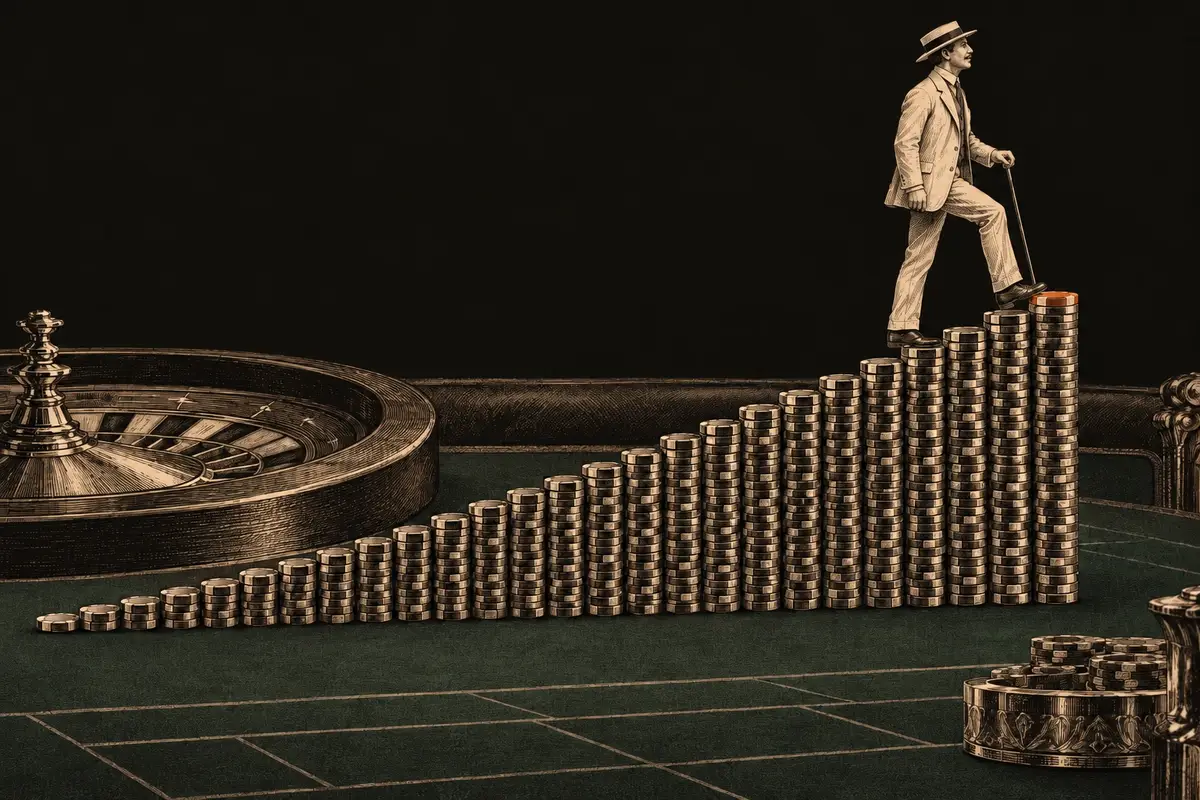
Add one $5 unit after a loss and remove one after a win. An 18-spin example shows how the order of results changes the stakes.

ꯌꯨꯅꯤꯠ ꯑꯃꯗ $5 ꯊꯝꯗꯨꯅ ꯁꯤꯃꯨꯂꯦꯠ ꯇꯧꯔꯕ ꯁ꯭ꯄꯤꯟ 100 ꯒꯤ ꯗꯥꯂꯥꯝꯕꯦꯌꯔ ꯁꯦꯁꯟ ꯑꯃꯥ꯫ ꯊꯝꯂꯕ ꯁꯦꯜ ꯑꯗꯨ ꯑꯃꯨꯛ ꯃꯉꯥ $5 ꯗ ꯍꯜꯂꯀꯈꯤ, ꯐꯠꯇꯕ ꯃꯇꯝ ꯑꯃꯗ $80 ꯐꯥꯑꯣꯕ ꯀꯥꯈꯤ, ꯑꯃꯁꯨꯡ $55 ꯗ ꯂꯣꯏꯁꯤꯅꯈꯤ, ꯁꯦꯁꯟ ꯑꯗꯨ $40 ꯃꯥꯡꯗꯨꯅ꯫ ꯆꯥꯡ ꯃꯥꯟꯅꯕꯒꯨꯝ ꯐꯥꯑꯣꯍꯟꯕ ꯑꯗꯨꯕꯨ ꯆꯥꯡ ꯃꯥꯟꯅꯗꯕ ꯁꯤꯁ꯭ꯇꯦꯝ꯫
ꯁꯤꯁ꯭ꯇꯦꯝ ꯑꯗꯨꯗ ꯆꯠꯄ
ꯃꯥꯏꯊꯤꯕ ꯑꯃꯅ ꯈꯣꯡꯊꯥꯡ ꯑꯃꯥ ꯃꯊꯛꯇ ꯆꯠꯍꯜꯂꯤ꯫ ꯃꯥꯏꯄꯥꯛꯄ ꯑꯃꯅ ꯈꯣꯡꯊꯥꯡ ꯑꯃꯥ ꯃꯇꯨꯡꯗ ꯍꯜꯂꯛꯍꯜꯂꯤ꯫
ꯊꯝꯂꯕ ꯁꯦꯜ ꯑꯃꯁꯨꯡ ꯃꯍꯩꯁꯤꯡ ꯑꯁꯤ ꯍꯧꯔꯛꯐꯃꯒꯤ ꯕꯦꯠꯀꯤ ꯌꯨꯅꯤꯠꯇꯅꯤ꯫
ꯊꯧꯔꯥꯡ
On a standard single-zeroꯆꯛꯔꯖꯤꯔꯣꯆꯞ ꯃꯥꯟꯅꯕ, ꯗꯖꯟ ꯅꯠꯔꯒ ꯀꯂꯝ ꯕꯦꯠ ꯑꯃꯠꯇꯅ ꯀꯨꯞꯇꯕ ꯑꯁꯪꯕ ꯄꯣꯀꯦꯠ ꯑꯃꯈꯛꯇ; ꯍꯥꯎꯁ ꯑꯦꯖꯀꯤ ꯍꯧꯔꯀꯐꯝꯅꯤ꯫ ꯑꯇꯣꯞꯄ ꯃꯃꯤꯡ: ꯁꯤꯡꯒꯜ ꯖꯤꯔꯣ, 0꯫ꯃꯄꯨꯡ ꯄꯥꯕꯤꯌꯨ → wheel, bet $5 on redꯕꯦꯠꯑꯉꯥꯡꯕꯑꯉꯥꯡꯕ ꯃꯁꯤꯡ 18 ꯗ ꯊꯝꯕ ꯆꯞ ꯃꯥꯟꯅꯕ ꯕꯦꯠ꯫ ꯐ꯭ꯔꯦꯟꯆ: ꯔꯨꯖ꯫ꯃꯄꯨꯡ ꯄꯥꯕꯤꯌꯨ →. After a loss, add $5 to the next stake. After a win, subtract $5, with a $5 minimum. Start with a $500 practice balance and a $100 stake limit. Red wins on 18 of 37 pocketsꯈꯨꯠꯂꯥꯏꯄꯣꯀꯦꯠꯔꯣꯇꯔꯗ ꯂꯩꯕ ꯃꯁꯤꯡ ꯏꯔꯕ ꯀꯣꯠ 37 ꯒꯤ ꯃꯅꯨꯡꯗ ꯑꯃꯥ꯫ ꯑꯇꯣꯞꯄ ꯃꯃꯤꯡ: ꯁ꯭ꯂꯣꯠ, ꯀꯞ꯫ꯃꯄꯨꯡ ꯄꯥꯕꯤꯌꯨ →; the other 19 lose. A previous loss does not make the next win more likely.
ꯁ꯭ꯄꯤꯟ 1–30
The selected sequence is W L L L W W L L W L W W L L L W W W. W means red; L means blackꯕꯦꯠꯑꯃꯨꯕꯑꯃꯨꯕ ꯃꯁꯤꯡ 18 ꯗ ꯊꯝꯕ ꯆꯞ ꯃꯥꯟꯅꯕ ꯕꯦꯠ꯫ ꯐ꯭ꯔꯦꯟꯆ: ꯅꯣꯌꯥꯔ꯫ꯃꯄꯨꯡ ꯄꯥꯕꯤꯌꯨ → or zero. Read the stake before each result, then update the next stake. These are chosen outcomes for a worked example, not a sampled session.
ꯁ꯭ꯄꯤꯟ 31–65
ꯐꯠꯇꯕ ꯃꯇꯝ꯫ ꯑꯉꯥꯡꯕ ꯅꯠꯇꯕ 22 ꯒ ꯆꯥꯡꯗꯝꯅꯕꯗ ꯑꯉꯥꯡꯕ ꯇꯔꯥꯍꯨꯝ, ꯃꯈꯥ ꯇꯥꯅ ꯃꯥꯏꯊꯤꯕ ꯇꯔꯦꯠ ꯌꯥꯎꯅ꯫ ꯁ꯭ꯄꯤꯟ 41 ꯗ $5 ꯗꯒꯤ ꯊꯝꯂꯕ ꯁꯦꯜ ꯑꯗꯨ ꯌꯨꯅꯤꯠ ꯑꯃꯃꯃꯒ $80 ꯐꯥꯑꯣꯕ ꯀꯥꯈꯤ, ꯑꯃꯁꯨꯡ $75 ꯒꯤ ꯃꯥꯡꯕ ꯈꯨꯗꯤꯡꯅ ꯃꯃꯥꯡꯒꯤ $5 ꯒꯤ ꯃꯥꯏꯄꯥꯛꯄ ꯇꯔꯥꯃꯉꯥ ꯃꯨꯠꯊꯠꯈꯤ꯫ ꯁꯔꯨꯛ ꯑꯁꯤꯒꯤ ꯃꯍꯩ −$485; ꯄꯨꯝꯅꯃꯛ −$465꯫ ꯁ꯭ꯄꯤꯟ ꯑꯃꯠꯇꯗ ꯑꯆꯧꯕ ꯀꯔꯤꯁꯨ ꯊꯣꯀꯈꯤꯗꯦ; ꯇꯞꯅ ꯀꯥꯕ ꯑꯗꯨꯅ ꯃꯁꯤ ꯇꯧꯈꯤ꯫
ꯁꯦꯟꯒꯤ ꯍꯤꯁꯥꯕ
The ledger totals $270 wagered and +$40 net, leaving $540 from a $500 starting balance. At each spin, the expected lossꯃꯦꯊꯃꯦꯇꯤꯛꯁꯃꯥꯡꯒꯗꯕ ꯁꯦꯜꯐꯪꯒꯗꯕ ꯃꯃꯂꯕꯨ ꯕꯦꯠ ꯊꯝꯂꯕ ꯁꯦꯜ ꯄꯨꯝꯅꯃꯛꯅ ꯃꯅꯥꯡꯕ; ꯁꯦꯁꯟ ꯅꯠꯔꯒ ꯃꯇꯝ ꯑꯃꯒꯤ ꯃꯅꯨꯡꯗ ꯃꯥꯡꯕ ꯑꯦꯚꯔꯦꯖ ꯁꯦꯜ꯫ꯃꯄꯨꯡ ꯄꯥꯕꯤꯌꯨ → under these standard single-zero rules is the stake divided by 37. Because later bets or stopping can depend on earlier results, expected session loss depends on expected total turnoverꯁꯦꯜꯇꯔꯅꯑꯣꯚꯔꯁꯦꯁꯟ ꯅꯠꯔꯒ ꯃꯇꯝ ꯑꯃꯒꯤ ꯃꯅꯨꯡꯗ ꯕꯦꯠ ꯊꯝꯂꯕ ꯁꯦꯜ ꯄꯨꯝꯅꯃꯛ, ꯑꯃꯨꯛ ꯍꯟꯅꯥ ꯊꯝꯂꯕ ꯃꯥꯏꯄꯥꯛꯇꯨꯅ ꯐꯪꯂꯕ ꯁꯦꯜꯁꯨ ꯌꯥꯎꯅ꯫ ꯑꯇꯣꯞꯄ ꯃꯃꯤꯡ: ꯍꯦꯟꯗꯜ, ꯑꯦꯛꯁꯟ꯫ꯃꯄꯨꯡ ꯄꯥꯕꯤꯌꯨ →. A single worked sequence does not establish the average session result.
ꯁꯦꯁꯟ ꯑꯁꯤꯅ ꯎꯠꯂꯤꯕ
An adjacent loss followed by a win at the next, larger stake gains one unitꯁꯦꯜꯌꯨꯅꯤꯠꯁꯤꯁ꯭ꯇꯦꯝ ꯅꯠꯔꯒ ꯁꯥꯟꯅꯔꯤꯕ ꯑꯃꯅ ꯁꯤꯖꯤꯟꯅꯕ ꯃꯔꯨꯑꯣꯏꯕ ꯊꯝꯂꯕ ꯁꯦꯜ꯫ ꯄ꯭ꯔꯣꯒ꯭ꯔꯦꯁꯅꯁꯤꯡ ꯌꯨꯅꯤꯠꯇ ꯁꯟꯗꯣꯛꯂꯤ, ꯃꯔꯝ ꯑꯗꯨꯅ ꯃꯈꯣꯌ ꯀꯔꯤꯒꯨꯝꯕ ꯇꯦꯕꯜꯗ ꯆꯠꯂꯤ꯫ꯃꯄꯨꯡ ꯄꯥꯕꯤꯌꯨ →. But not every loss is followed immediately by a win, and the $5 floor also matters. Larger stakes can deepen a drawdownꯁꯦꯜꯗ꯭ꯔꯣꯗꯥꯎꯟꯁꯦꯁꯟ ꯑꯃꯒꯤ ꯃꯅꯨꯡꯗ ꯕꯦꯡꯀꯔꯣꯜꯒꯤ ꯈ꯭ꯕꯥꯏꯗꯒꯤ ꯋꯥꯡꯕ ꯃꯐꯝꯗꯒꯤ ꯃꯇꯨꯡꯒꯤ ꯅꯦꯝꯕ ꯃꯐꯝ ꯐꯥꯑꯣꯕ ꯇꯥꯕ꯫ ꯃꯦꯛꯁꯤꯃꯝ ꯗ꯭ꯔꯣꯗꯥꯎꯟ ꯍꯥꯌꯕꯁꯤ ꯑꯁꯨꯝꯕ ꯇꯥꯕꯁꯤꯡꯒꯤ ꯃꯅꯨꯡꯗ ꯈ꯭ꯕꯥꯏꯗꯒꯤ ꯆꯥꯎꯕꯅꯤ꯫ꯃꯄꯨꯡ ꯄꯥꯕꯤꯌꯨ →, and a table limitꯇꯦꯕꯜꯇꯦꯕꯜꯒꯤ ꯉꯝꯈꯩꯌꯥꯍꯜꯂꯤꯕ ꯈ꯭ꯕꯥꯏꯗꯒꯤ ꯅꯦꯝꯕ ꯑꯃꯁꯨꯡ ꯈ꯭ꯕꯥꯏꯗꯒꯤ ꯋꯥꯡꯕ ꯕꯦꯠ꯫ ꯈ꯭ꯕꯥꯏꯗꯒꯤ ꯋꯥꯡꯕ ꯉꯝꯈꯩ ꯑꯗꯨꯅ ꯑꯅꯤ ꯊꯥꯛ ꯍꯦꯅꯒꯠꯍꯟꯕ ꯄ꯭ꯔꯣꯒ꯭ꯔꯦꯁꯅꯁꯤꯡ ꯊꯤꯡꯏ꯫ꯃꯄꯨꯡ ꯄꯥꯕꯤꯌꯨ → or insufficient balance can stop the progressionꯊꯧꯔꯥꯡꯄ꯭ꯔꯣꯒ꯭ꯔꯦꯁꯟꯃꯃꯥꯡꯒꯤ ꯃꯍꯩꯁꯤꯡꯒꯤ ꯃꯈꯥꯗ ꯊꯝꯂꯕ ꯁꯦꯜ ꯍꯣꯡꯍꯟꯕ ꯅꯤꯌꯝ ꯀꯔꯤꯒꯨꯝꯕ꯫ ꯅꯦꯒꯦꯇꯤꯕ ꯄ꯭ꯔꯣꯒ꯭ꯔꯦꯁꯅꯁꯤꯡꯅ ꯃꯥꯏꯊꯤꯔꯕꯥ ꯃꯇꯨꯡꯗ ꯍꯦꯅꯒꯠꯍꯜꯂꯤ, ꯄꯣꯖꯤꯇꯤꯕꯁꯤꯡꯅ ꯃꯥꯏꯄꯥꯛꯂꯕꯥ ꯃꯇꯨꯡꯗ꯫ꯃꯄꯨꯡ ꯄꯥꯕꯤꯌꯨ →. There is no automatic balancing force in independent spinsꯃꯦꯊꯃꯦꯇꯤꯛꯁꯃꯔꯤ ꯂꯩꯅꯗꯕ ꯁ꯭ꯄꯤꯟꯁꯤꯡꯍꯥꯟꯅꯒꯤ ꯃꯍꯩ ꯀꯔꯤꯒꯨꯝꯕ ꯑꯣꯏꯔꯕꯁꯨ ꯁ꯭ꯄꯤꯟ ꯈꯨꯗꯤꯡꯃꯛꯀꯤ ꯊꯣꯛꯄꯒꯤ ꯈꯨꯗꯣꯡꯆꯥꯕ ꯃꯥꯟꯅꯩ꯫ ꯋꯦꯕꯁꯥꯏꯠ ꯑꯁꯤꯒꯤ ꯊꯤꯕ ꯈꯨꯗꯤꯡꯃꯛꯀꯤ ꯌꯨꯝꯐꯝꯅꯤ꯫ꯃꯄꯨꯡ ꯄꯥꯕꯤꯌꯨ →.
ꯋꯥꯍꯪꯁꯤꯡ
ꯌꯥꯝꯅ ꯈꯟꯗꯕꯗꯈꯛ꯫ ꯊꯝꯂꯕ ꯁꯦꯜ ꯑꯗꯨ ꯃꯥꯏꯊꯤꯕ ꯈꯨꯗꯤꯡꯗ ꯌꯨꯅꯤꯠ ꯑꯃꯈꯛ ꯍꯦꯜꯂꯤ, ꯑꯅꯤ ꯊꯥꯛ ꯑꯣꯏꯗꯦ, ꯃꯔꯝ ꯑꯗꯨꯅ ꯉꯝꯈꯩ ꯌꯧꯅꯕꯒꯤꯗꯃꯛ ꯌꯥꯝꯅ ꯁꯥꯡꯕ ꯐꯠꯇꯕ ꯁ꯭ꯇ꯭ꯔꯤꯛ ꯑꯃꯥ ꯃꯊꯧ ꯇꯥꯏ꯫
A cap limits the next permitted stake. Decide in advance whether reaching it means stopping or using a modified rule. That changes the session behavior, not the probabilityꯃꯦꯊꯃꯦꯇꯤꯛꯁꯊꯣꯛꯄꯒꯤ ꯈꯨꯗꯣꯡꯆꯥꯕꯃꯍꯩ ꯑꯃꯥ ꯊꯣꯛꯄꯒꯤ ꯈꯨꯗꯣꯡꯆꯥꯕ, 0 ꯗꯒꯤ 1 ꯐꯥꯑꯣꯕ ꯅꯠꯔꯒ 0% ꯗꯒꯤ 100% ꯐꯥꯑꯣꯕ꯫ ꯃꯁꯤꯡ ꯑꯃꯥ: 1/37 = 2.70%꯫ꯃꯄꯨꯡ ꯄꯥꯕꯤꯌꯨ → of red.
ꯃꯍꯥꯛꯅ 1754 ꯗ ꯍꯦꯗ ꯃꯈꯥ ꯇꯥꯅ ꯊꯣꯀꯄꯒꯤ ꯃꯇꯨꯡꯗ ꯇꯦꯜ ꯊꯣꯛꯄꯒꯤ ꯈꯨꯗꯣꯡꯆꯥꯕ ꯍꯦꯟꯅꯥ ꯋꯥꯡꯏ ꯍꯥꯌꯅ ꯋꯥꯌꯦꯜ ꯄꯤꯈꯤ꯫ ꯃꯍꯥꯛꯀꯥ ꯌꯥꯅꯈꯤꯕ ꯖꯨꯌꯥ ꯁꯥꯟꯅꯔꯤꯕꯁꯤꯡꯅ ꯁꯤꯁ꯭ꯇꯦꯝ ꯑꯁꯤꯗ ꯃꯍꯥꯛꯀꯤ ꯃꯤꯡ ꯊꯣꯅꯈꯤ꯫ ꯃꯍꯥꯛ ꯂꯥꯡꯇꯛꯅꯔꯃꯒꯅꯤ꯫
ꯅꯣꯛꯅꯕꯒꯤ ꯀꯃꯤꯛ
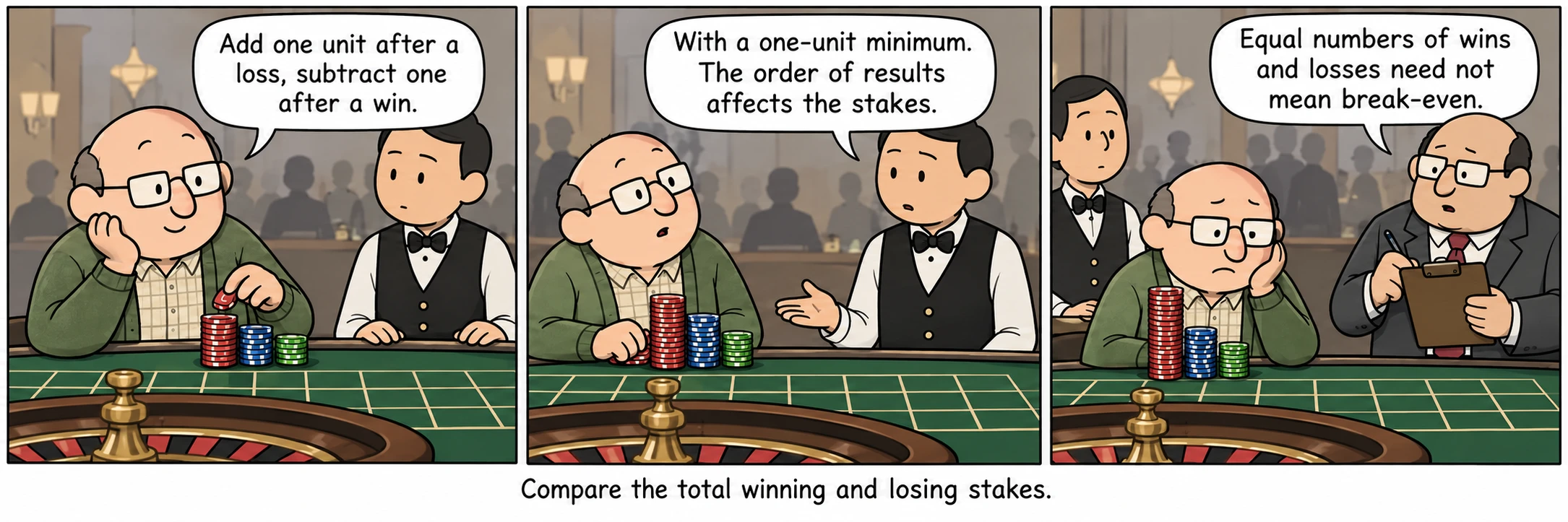
ꯈ꯭ꯕꯥꯏꯗꯒꯤ ꯇꯞꯅ ꯆꯠꯄ ꯁꯤꯁ꯭ꯇꯦꯝ꯫ ꯂꯥꯟꯊꯣꯛꯇꯥ ꯆꯦꯟꯊꯔꯛꯇꯅ ꯇꯞꯅ ꯆꯠꯀꯥꯏ꯫
ꯍꯧꯔꯛꯐꯃꯁꯤꯡ
- d’Alembert, J. “Croix ou pile.”
- Ethier, S. N. The Doctrine of Chances: Probabilistic Aspects of Gambling.