ꯔꯨꯂꯦꯠ ꯁꯤꯁ꯭ꯇꯦꯝꯁꯤꯡꯒꯤ ꯄꯨꯋꯥꯔꯤ
ꯊꯝꯂꯕ ꯁꯦꯜ ꯍꯣꯡꯗꯣꯛꯅꯕ ꯅꯤꯌꯝꯁꯤꯡ ꯏꯔꯝꯕ ꯃꯤꯑꯣꯏꯁꯤꯡꯒꯤ ꯆꯍꯤ ꯆꯥꯃꯥ ꯑꯅꯤ꯫
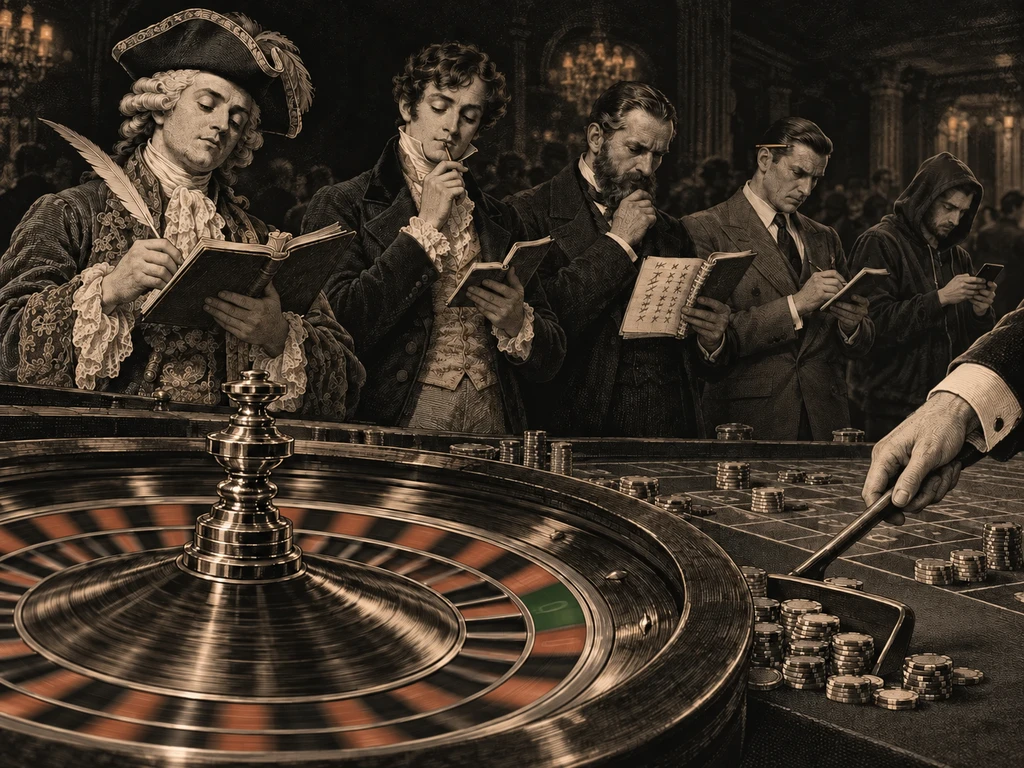
ꯃꯥꯔꯇꯤꯟꯒꯦꯜ ꯆꯍꯤ ꯆꯥꯃꯥ 18ꯁꯨꯕꯒꯤꯅꯤ; ꯗꯥꯂꯥꯝꯕꯦꯌꯔ ꯃꯗꯨ ꯄꯥꯝꯗꯕ ꯃꯦꯊꯃꯦꯇꯤꯁꯤꯌꯟ ꯑꯃꯒꯤ ꯃꯃꯤꯡꯗ ꯊꯣꯅꯈꯤ; ꯂꯥꯕꯨꯁꯦꯌꯔ ꯚꯤꯛꯇꯣꯔꯤꯌꯥꯒꯤ ꯃꯇꯃꯒꯤ ꯔꯥꯖꯅꯤꯇꯤꯒꯤ ꯃꯤꯑꯣꯏ ꯑꯃꯒꯤ ꯍꯕꯤꯅꯤ꯫ ꯃꯈꯣꯌ ꯑꯃꯠꯇꯅ ꯃꯇꯝ ꯑꯗꯨꯗꯁꯨ ꯊꯕꯛ ꯇꯧꯈꯤꯗꯦ꯫
ꯃꯥꯔꯇꯤꯟꯒꯦꯜ
The 1762 Académie française dictionary records martingaleꯊꯧꯔꯥꯡꯃꯥꯔꯇꯤꯟꯒꯦꯜꯃꯥꯏꯊꯤꯕ ꯈꯨꯗꯤꯡꯒꯤ ꯃꯇꯨꯡꯗ ꯕꯦꯠ ꯑꯗꯨ ꯑꯅꯤ ꯊꯥꯛ ꯍꯦꯅꯒꯠꯍꯟꯕ ꯄ꯭ꯔꯣꯒ꯭ꯔꯦꯁꯟ꯫ ꯃꯁꯤꯅ ꯀꯔꯤ ꯇꯧꯕꯒꯦ ꯑꯃꯁꯨꯡ ꯀꯔꯤ ꯇꯧꯗꯕꯒꯦ ꯍꯥꯌꯕ ꯊꯧꯔꯥꯡꯒꯤ ꯁꯦꯛꯁꯅꯗ ꯌꯦꯡꯕꯤꯌꯨ꯫ꯃꯄꯨꯡ ꯄꯥꯕꯤꯌꯨ → as a gambling term for staking what has been lost. Its 1878 edition explicitly describes doubling after a loss and also uses the word more broadly for betting schemes. These entries document usage; they do not identify a single inventor.
Today the familiar doubling progressionꯊꯧꯔꯥꯡꯄ꯭ꯔꯣꯒ꯭ꯔꯦꯁꯟꯃꯃꯥꯡꯒꯤ ꯃꯍꯩꯁꯤꯡꯒꯤ ꯃꯈꯥꯗ ꯊꯝꯂꯕ ꯁꯦꯜ ꯍꯣꯡꯍꯟꯕ ꯅꯤꯌꯝ ꯀꯔꯤꯒꯨꯝꯕ꯫ ꯅꯦꯒꯦꯇꯤꯕ ꯄ꯭ꯔꯣꯒ꯭ꯔꯦꯁꯅꯁꯤꯡꯅ ꯃꯥꯏꯊꯤꯔꯕꯥ ꯃꯇꯨꯡꯗ ꯍꯦꯅꯒꯠꯍꯜꯂꯤ, ꯄꯣꯖꯤꯇꯤꯕꯁꯤꯡꯅ ꯃꯥꯏꯄꯥꯛꯂꯕꯥ ꯃꯇꯨꯡꯗ꯫ꯃꯄꯨꯡ ꯄꯥꯕꯤꯌꯨ → aims to recover previous losses and gain one starting unitꯁꯦꯜꯌꯨꯅꯤꯠꯁꯤꯁ꯭ꯇꯦꯝ ꯅꯠꯔꯒ ꯁꯥꯟꯅꯔꯤꯕ ꯑꯃꯅ ꯁꯤꯖꯤꯟꯅꯕ ꯃꯔꯨꯑꯣꯏꯕ ꯊꯝꯂꯕ ꯁꯦꯜ꯫ ꯄ꯭ꯔꯣꯒ꯭ꯔꯦꯁꯅꯁꯤꯡ ꯌꯨꯅꯤꯠꯇ ꯁꯟꯗꯣꯛꯂꯤ, ꯃꯔꯝ ꯑꯗꯨꯅ ꯃꯈꯣꯌ ꯀꯔꯤꯒꯨꯝꯕ ꯇꯦꯕꯜꯗ ꯆꯠꯂꯤ꯫ꯃꯄꯨꯡ ꯄꯥꯕꯤꯌꯨ → when a win arrives. A finite bankrollꯁꯦꯜꯕꯦꯡꯀꯔꯣꯜꯁꯥꯟꯅꯅꯕ ꯇꯣꯉꯥꯟꯅ ꯊꯝꯂꯕ ꯁꯦꯜ ꯄꯨꯝꯅꯃꯛ꯫ ꯕꯦꯡꯀꯔꯣꯜ ꯃꯦꯅꯦꯖꯃꯦꯟꯠ ꯍꯥꯌꯕꯁꯤ ꯃꯗꯨꯒꯤ ꯀꯌꯥ ꯕꯦꯠ ꯈꯨꯗꯤꯡꯗ ꯑꯃꯁꯨꯡ ꯁꯦꯁꯟ ꯈꯨꯗꯤꯡꯗ ꯈꯨꯗꯣꯡꯊꯤꯕꯗ ꯊꯃꯒꯗꯒꯦ ꯍꯥꯌꯕ ꯋꯥꯔꯦꯞ ꯂꯧꯕꯅꯤ꯫ꯃꯄꯨꯡ ꯄꯥꯕꯤꯌꯨ → or table limitꯇꯦꯕꯜꯇꯦꯕꯜꯒꯤ ꯉꯝꯈꯩꯌꯥꯍꯜꯂꯤꯕ ꯈ꯭ꯕꯥꯏꯗꯒꯤ ꯅꯦꯝꯕ ꯑꯃꯁꯨꯡ ꯈ꯭ꯕꯥꯏꯗꯒꯤ ꯋꯥꯡꯕ ꯕꯦꯠ꯫ ꯈ꯭ꯕꯥꯏꯗꯒꯤ ꯋꯥꯡꯕ ꯉꯝꯈꯩ ꯑꯗꯨꯅ ꯑꯅꯤ ꯊꯥꯛ ꯍꯦꯅꯒꯠꯍꯟꯕ ꯄ꯭ꯔꯣꯒ꯭ꯔꯦꯁꯅꯁꯤꯡ ꯊꯤꯡꯏ꯫ꯃꯄꯨꯡ ꯄꯥꯕꯤꯌꯨ → can stop the sequence first. The Strategy section shows how those limits affect a session.

ꯗꯥꯂꯥꯝꯕꯦꯌꯔ
The progression bearing d’Alembert’s name raises the stake by one unit after a loss and lowers it after a win. The name alone does not prove who devised or endorsed the betting rule.
Its mathematical issue is straightforward: on independent spinsꯃꯦꯊꯃꯦꯇꯤꯛꯁꯃꯔꯤ ꯂꯩꯅꯗꯕ ꯁ꯭ꯄꯤꯟꯁꯤꯡꯍꯥꯟꯅꯒꯤ ꯃꯍꯩ ꯀꯔꯤꯒꯨꯝꯕ ꯑꯣꯏꯔꯕꯁꯨ ꯁ꯭ꯄꯤꯟ ꯈꯨꯗꯤꯡꯃꯛꯀꯤ ꯊꯣꯛꯄꯒꯤ ꯈꯨꯗꯣꯡꯆꯥꯕ ꯃꯥꯟꯅꯩ꯫ ꯋꯦꯕꯁꯥꯏꯠ ꯑꯁꯤꯒꯤ ꯊꯤꯕ ꯈꯨꯗꯤꯡꯃꯛꯀꯤ ꯌꯨꯝꯐꯝꯅꯤ꯫ꯃꯄꯨꯡ ꯄꯥꯕꯤꯌꯨ →, a run of one outcome does not make the opposite outcome due. A famous namesake does not change that assumption or the payoutꯁꯦꯜꯄꯦꯑꯥꯎꯠꯃꯥꯏꯄꯥꯛꯄ ꯕꯦꯠ ꯑꯃꯅ ꯍꯜꯂꯛꯄ ꯁꯦꯜ, ꯍꯜꯂꯀꯄ ꯊꯝꯂꯕ ꯁꯦꯜꯒꯤ ꯃꯊꯛꯇ “X ꯗꯒꯤ 1” ꯍꯥꯌꯅ ꯍꯥꯌꯏ꯫ꯃꯄꯨꯡ ꯄꯥꯕꯤꯌꯨ →.
ꯂꯥꯕꯨꯁꯦꯌꯔ
The cancellation system uses a list of numbers to determine the next stake. A win removes entries and a loss adds an entry; the Strategy section sets out the rules and examples. Historical stories about its namesake should be distinguished from evidence that the method creates an advantage.
A sequence may clear with a profit, but a losing run can leave a growing list and larger required stakes. How often it clears depends on the starting list, bankroll, limits and stopping rule. There is no universal success percentage.
ꯆꯍꯤ ꯆꯥꯃꯥ 20ꯁꯨꯕ
A simulation can show how a specified system behaves under a chosen wheel model. It cannot test every possible rule, and a finite run need not return exactly the theoretical house edgeꯃꯦꯊꯃꯦꯇꯤꯛꯁꯍꯥꯎꯁ ꯑꯦꯖꯊꯝꯂꯕ ꯁꯦꯜ ꯈꯨꯗꯤꯡꯗꯒꯤ ꯀꯦꯁꯤꯅꯣꯅ ꯑꯦꯚꯔꯦꯖꯗ ꯊꯃꯖꯤꯜꯂꯤꯕ ꯁꯔꯨꯛ: ꯌꯨꯔꯣꯄꯤꯌꯟ ꯔꯨꯂꯦꯠꯇ 2.70%꯫ꯃꯄꯨꯡ ꯄꯥꯕꯤꯌꯨ →.
For independent uniform single-zeroꯆꯛꯔꯖꯤꯔꯣꯆꯞ ꯃꯥꯟꯅꯕ, ꯗꯖꯟ ꯅꯠꯔꯒ ꯀꯂꯝ ꯕꯦꯠ ꯑꯃꯠꯇꯅ ꯀꯨꯞꯇꯕ ꯑꯁꯪꯕ ꯄꯣꯀꯦꯠ ꯑꯃꯈꯛꯇ; ꯍꯥꯎꯁ ꯑꯦꯖꯀꯤ ꯍꯧꯔꯀꯐꯝꯅꯤ꯫ ꯑꯇꯣꯞꯄ ꯃꯃꯤꯡ: ꯁꯤꯡꯒꯜ ꯖꯤꯔꯣ, 0꯫ꯃꯄꯨꯡ ꯄꯥꯕꯤꯌꯨ → spins with standard full-loss-on-zero payouts, each unit staked has expected net return −1/37. For a bounded session whose stakes are chosen using information available before each spin, adding the conditional expectations gives expected lossꯃꯦꯊꯃꯦꯇꯤꯛꯁꯃꯥꯡꯒꯗꯕ ꯁꯦꯜꯐꯪꯒꯗꯕ ꯃꯃꯂꯕꯨ ꯕꯦꯠ ꯊꯝꯂꯕ ꯁꯦꯜ ꯄꯨꯝꯅꯃꯛꯅ ꯃꯅꯥꯡꯕ; ꯁꯦꯁꯟ ꯅꯠꯔꯒ ꯃꯇꯝ ꯑꯃꯒꯤ ꯃꯅꯨꯡꯗ ꯃꯥꯡꯕ ꯑꯦꯚꯔꯦꯖ ꯁꯦꯜ꯫ꯃꯄꯨꯡ ꯄꯥꯕꯤꯌꯨ → equal to 1/37 of expected turnoverꯁꯦꯜꯇꯔꯅꯑꯣꯚꯔꯁꯦꯁꯟ ꯅꯠꯔꯒ ꯃꯇꯝ ꯑꯃꯒꯤ ꯃꯅꯨꯡꯗ ꯕꯦꯠ ꯊꯝꯂꯕ ꯁꯦꯜ ꯄꯨꯝꯅꯃꯛ, ꯑꯃꯨꯛ ꯍꯟꯅꯥ ꯊꯝꯂꯕ ꯃꯥꯏꯄꯥꯛꯇꯨꯅ ꯐꯪꯂꯕ ꯁꯦꯜꯁꯨ ꯌꯥꯎꯅ꯫ ꯑꯇꯣꯞꯄ ꯃꯃꯤꯡ: ꯍꯦꯟꯗꯜ, ꯑꯦꯛꯁꯟ꯫ꯃꯄꯨꯡ ꯄꯥꯕꯤꯌꯨ →. Stopping or changing stakes can change the distribution of results, but not create positive expectation under those assumptions. Other payouts, such as la partageꯅꯤꯌꯝꯂꯥ ꯄꯥꯔꯇꯥꯖꯐ꯭ꯔꯦꯟꯆ ꯅꯤꯌꯝ: ꯖꯤꯔꯣ ꯊꯣꯛꯂꯕꯗꯤ ꯆꯞ ꯃꯥꯟꯅꯕ ꯕꯦꯠꯀꯤ ꯊꯝꯂꯕ ꯁꯦꯜꯒꯤ ꯁꯔꯨꯛ ꯑꯍꯦꯟꯕ ꯍꯜꯂꯀꯏ꯫ ꯕꯦꯠ ꯑꯗꯨꯁꯤꯡꯒꯤ ꯍꯥꯎꯁ ꯑꯦꯖ 1.35% ꯐꯥꯑꯣꯕ ꯁꯔꯨꯛ ꯑꯅꯤꯗ ꯊꯥꯖꯤꯜꯂꯤ꯫ꯃꯄꯨꯡ ꯄꯥꯕꯤꯌꯨ →, need their own calculation.
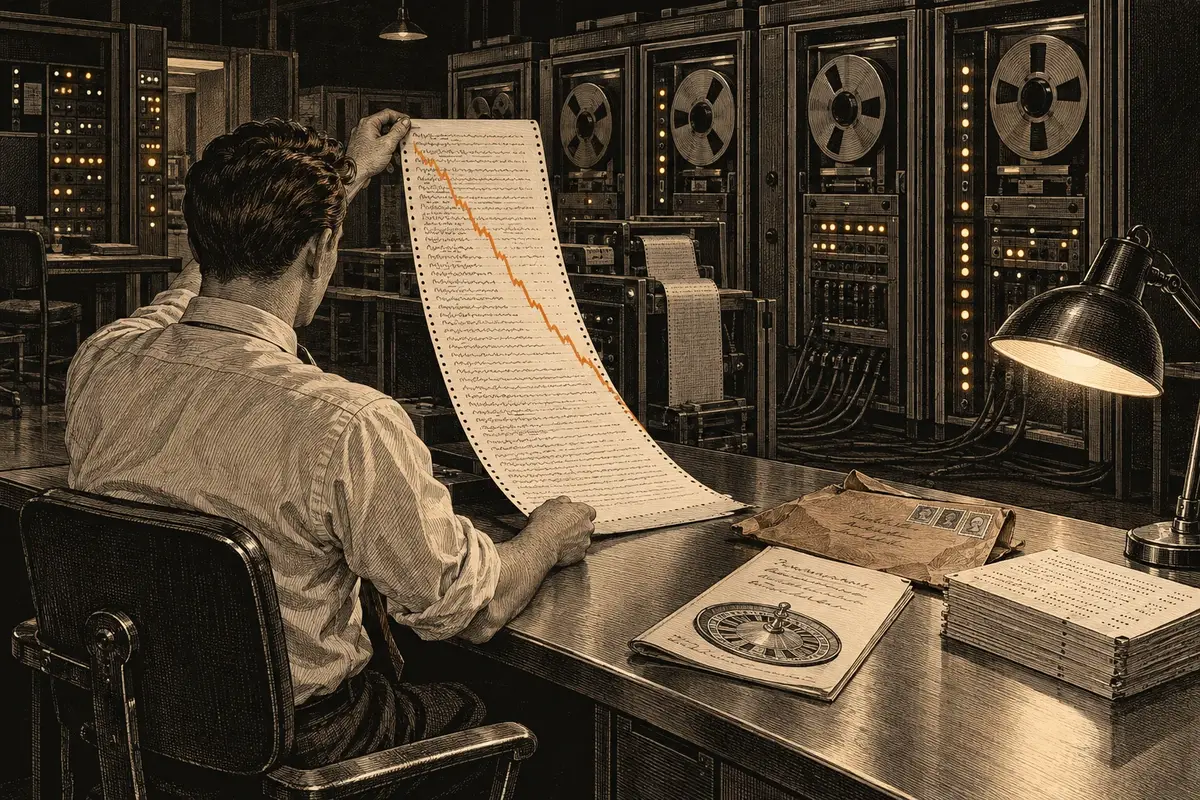
ꯑꯔꯥꯟꯕ ꯊꯥꯖꯕ: ꯃꯇꯝ ꯄꯨꯝꯕꯗ ꯃꯥꯏꯄꯥꯛꯄ ꯔꯨꯂꯦꯠ ꯊꯧꯔꯥꯡꯐꯤꯕꯣꯅꯥꯆꯤ ꯔꯨꯂꯦꯠ ꯊꯧꯔꯥꯡ
ꯃꯈꯣꯌ ꯀꯔꯤꯒꯤ ꯍꯤꯡꯂꯤꯕꯒꯦ
A demonstration can end in profit without showing that the method has an edge. Some rules favor frequent small wins at the cost of occasional large losses; others do the reverse. The proportions depend on the exact rules and limits.
When comparing systems, look at all completed sessions, total stakes, losses and stopping conditions. A selected winning example leaves out the information needed to assess the claim.
ꯌꯣꯟꯅꯕ ꯁꯤꯁ꯭ꯇꯦꯝꯁꯤꯡ
Systems have also been sold with elaborate names and entry rules. The examples below illustrate the arithmetic of specific rules; they are not evidence of who first invented or marketed them. Waiting for a pattern does not alter the next independent spin’s probabilities.
ꯁꯤꯁ꯭ꯇꯦꯝ ꯅꯠꯇꯕ ꯑꯗꯨ
ꯂꯦꯞꯄꯒꯤ ꯅꯤꯌꯝꯁꯤꯡ: ꯀꯌꯥ ꯃꯥꯡꯒꯅꯤ ꯅꯠꯔꯒ ꯃꯥꯏꯄꯥꯛꯀꯅꯤ ꯍꯥꯌꯕ ꯃꯃꯥꯡꯗ ꯂꯦꯞꯊꯣꯛꯇꯨꯅ ꯊꯣꯔꯛꯀꯗꯕꯅꯤ꯫ ꯃꯈꯣꯌꯁꯤꯡ ꯑꯁꯤ ꯌꯥꯝꯅꯥ ꯀꯌꯥ ꯁꯤꯁ꯭ꯇꯦꯝ ꯑꯃꯒꯤ ꯁꯔꯨꯛ ꯑꯃꯥ ꯑꯣꯏꯅ ꯌꯣꯟꯏ ꯑꯃꯁꯨꯡ ꯀꯔꯤꯒꯨꯝꯕ ꯑꯃꯥ ꯇꯧꯕ ꯁꯔꯨꯛ ꯑꯃꯈꯛꯇꯅꯤ, ꯃꯔꯃꯗꯤ ꯃꯈꯣꯌꯅ ꯇꯔꯅꯑꯣꯚꯔ ꯍꯟꯊꯍꯜꯂꯤ꯫ ꯃꯈꯣꯌꯒꯤ ꯃꯃꯤꯡ ꯊꯣꯅꯈꯤꯕ ꯃꯤꯑꯣꯏ ꯑꯃꯠꯇ ꯂꯩꯇꯦ, ꯃꯁꯤ ꯃꯥꯟꯅꯩ꯫
ꯋꯥꯍꯪꯁꯤꯡ
ꯃꯥꯔꯇꯤꯟꯒꯦꯜ, ꯆꯍꯤ ꯆꯥꯃꯥ ꯑꯃꯥ ꯅꯠꯔꯒ ꯃꯗꯨꯗꯒꯤ ꯍꯦꯟꯅꯥ꯫ ꯃꯥꯏꯊꯤꯕꯒꯤ ꯃꯇꯨꯡꯗ ꯑꯅꯤ ꯊꯥꯛ ꯍꯥꯄꯆꯤꯟꯕ ꯑꯁꯤ ꯃꯤ ꯈꯨꯗꯤꯡꯃꯛꯅ ꯑꯍꯥꯅꯕ ꯈꯟꯕ ꯋꯥꯈꯜꯂꯣꯟꯅꯤ꯫
ꯗꯥꯂꯥꯝꯕꯦꯌꯔꯅ ꯈ꯭ꯕꯥꯏꯗꯒꯤ ꯅꯛꯅꯥ ꯌꯧꯈꯤ, ꯆꯥꯏꯔꯥꯛ ꯑꯣꯏꯅ꯫ ꯄꯥꯁ꯭ꯀꯦꯜ, ꯐꯔꯃꯥ, ꯍꯣꯏꯒꯦꯟꯁ, ꯕꯔꯅꯨꯂꯤ ꯑꯃꯁꯨꯡ ꯂꯥꯞꯂꯥꯁ ꯄꯨꯝꯅꯃꯛꯅ ꯃꯈꯣꯌ ꯀꯔꯤꯒꯤ ꯃꯥꯏꯊꯤꯕꯒꯦ ꯍꯥꯌꯕ ꯇꯥꯛꯈꯤ꯫
ꯃꯔꯃꯗꯤ ꯁꯦꯁꯟ ꯌꯥꯝꯕꯥ ꯃꯥꯏꯄꯥꯀꯏ, ꯑꯃꯁꯨꯡ ꯃꯥꯏꯄꯥꯛꯄ ꯁꯦꯁꯟ ꯑꯃꯒꯤ ꯚꯤꯗꯤꯑꯣ ꯁꯦꯝꯕ ꯌꯥꯝꯅꯥ ꯌꯥꯝꯕ꯫
ꯅꯣꯛꯅꯕꯒꯤ ꯀꯃꯤꯛ
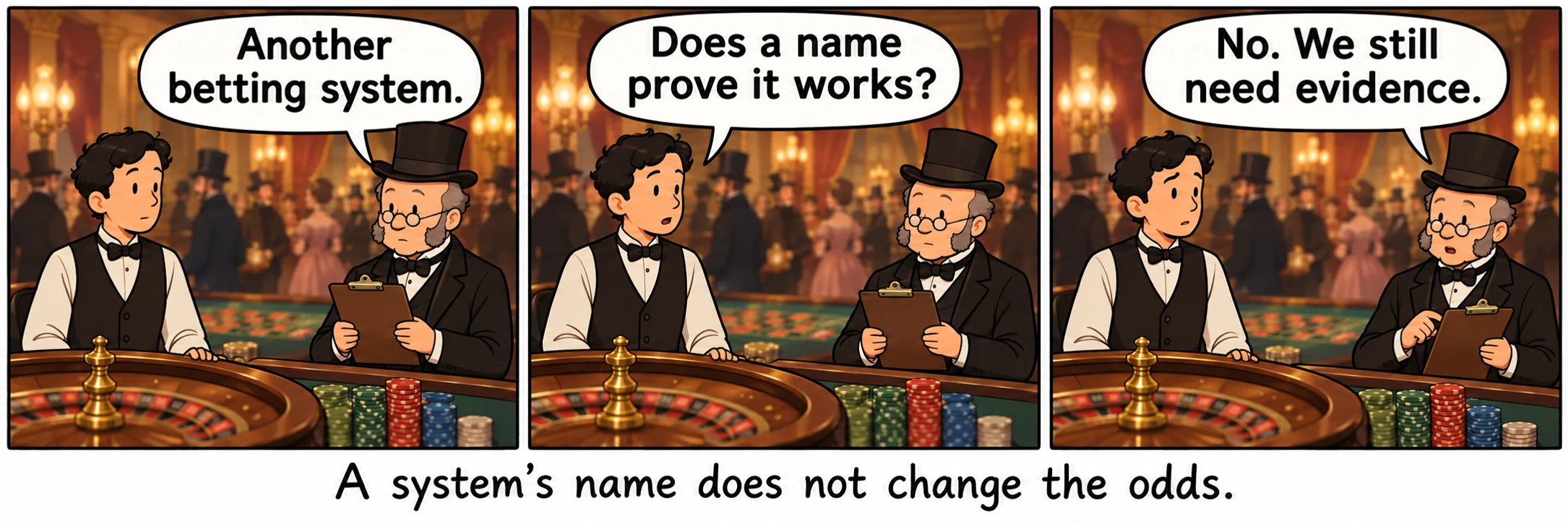
ꯆꯍꯤ ꯆꯥꯃꯥ ꯑꯅꯤꯒꯤ ꯃꯃꯤꯡꯁꯤꯡ꯫ ꯃꯁꯤꯡ ꯑꯃꯈꯛ꯫
ꯍꯧꯔꯛꯐꯃꯁꯤꯡ
- Thorp, E. O. “Optimal gambling systems for favorable games.”
- Thorp, E. O. The Mathematics of Gambling.
- Doob, J. L. “Note on probability.”
- Halmos, P. R. “Invariants of certain stochastic transformations: the mathematical theory of gambling systems.”
- d’Alembert, J. “Croix ou pile.”
- Schwartz, D. G. Roll the Bones: The History of Gambling.
- Kavanagh, T. M. Dice, Cards, Wheels: A Different History of French Culture.
- Bollman, M. Mathematics of the Big Four Casino Table Games: Blackjack, Baccarat, Craps, & Roulette.
- Académie française, martingale, 1762
- Académie française, martingale, 1878