ꯈꯣꯡꯊꯥꯡ ꯈꯣꯡꯊꯥꯡ: ꯕꯣꯟꯗꯀꯤ ꯕꯦꯠ ꯁꯟꯗꯣꯛꯄ
ꯑꯋꯥꯡꯕꯗ $140, ꯁꯤꯛꯁ ꯂꯥꯏꯟ 13–18 ꯗ $50, ꯖꯤꯔꯣꯗ $10: ꯁ꯭ꯄꯤꯟ ꯑꯃꯗ $200, ꯃꯁꯤꯡ 25 ꯀꯨꯞꯁꯤꯜꯂꯤ꯫ ꯖꯦꯃꯁ ꯕꯣꯟꯗꯀꯤ ꯕꯦꯠ ꯁꯟꯗꯣꯛꯄ, ꯁ꯭ꯄꯤꯟ ꯀꯨꯟꯒꯤꯗꯃꯛ꯫
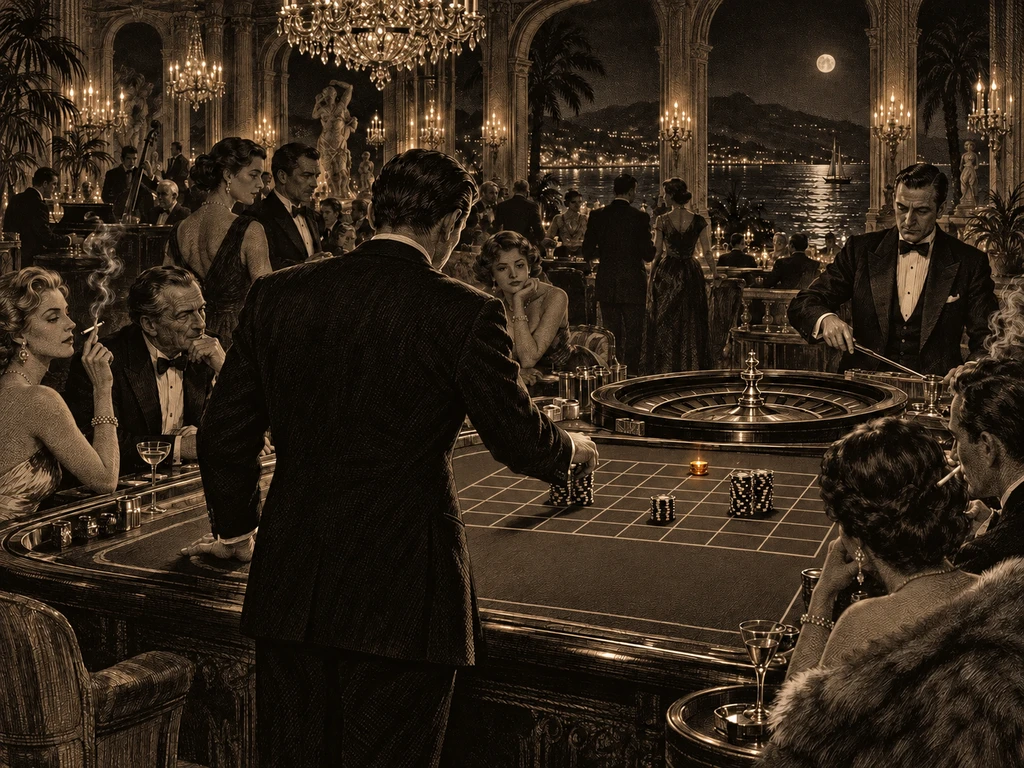
ꯖꯦꯃꯁ ꯕꯣꯟꯗ ꯊꯧꯔꯥꯡ ꯍꯥꯌꯅ ꯌꯣꯟꯂꯤꯕ ꯕꯦꯠ ꯁꯟꯗꯣꯛꯄ ꯑꯗꯨꯒꯤ ꯁꯤꯃꯨꯂꯦꯠ ꯇꯧꯔꯕ ꯁ꯭ꯄꯤꯟ 20 ꯒꯤ ꯁꯦꯁꯟ ꯑꯃꯥ꯫ $80 ꯒꯤ ꯃꯥꯏꯄꯥꯛꯄ ꯇꯔꯥꯅꯤꯊꯣꯏ, $100 ꯒꯤ ꯁꯤꯛꯁ ꯂꯥꯏꯟ ꯊꯣꯀꯄ ꯑꯍꯨꯝ, $160 ꯒꯤ ꯖꯤꯔꯣ ꯑꯃꯥ, ꯑꯃꯁꯨꯡ 1–12 ꯗ $200 ꯒꯤ ꯃꯥꯏꯊꯤꯕ ꯃꯔꯤ꯫ ꯃꯍꯩ +$620, ꯀꯩꯗꯧꯉꯩꯗꯁꯨ $40 ꯗꯒꯤ ꯍꯦꯟꯅꯥ ꯃꯥꯡꯈꯤꯗꯦ꯫ ꯕꯦꯠ ꯁꯟꯗꯣꯛꯄ ꯑꯁꯤꯅ ꯆꯛꯔꯒꯤ ꯁꯔꯨꯛ ꯑꯍꯨꯃꯗ ꯑꯅꯤꯒꯤ ꯃꯇꯧ ꯀꯨꯞꯅ ꯀꯨꯞꯁꯤꯜꯂꯤ꯫ ꯀꯨꯞꯁꯤꯟꯗꯕ ꯃꯁꯤꯡ ꯑꯃꯥ ꯊꯣꯀꯄꯗ ꯊꯝꯂꯕ ꯁꯦꯜ $200 ꯄꯨꯝꯅꯃꯛ ꯃꯥꯡꯏ꯫
ꯊꯧꯔꯥꯡ
Use a standard single-zeroꯆꯛꯔꯖꯤꯔꯣꯆꯞ ꯃꯥꯟꯅꯕ, ꯗꯖꯟ ꯅꯠꯔꯒ ꯀꯂꯝ ꯕꯦꯠ ꯑꯃꯠꯇꯅ ꯀꯨꯞꯇꯕ ꯑꯁꯪꯕ ꯄꯣꯀꯦꯠ ꯑꯃꯈꯛꯇ; ꯍꯥꯎꯁ ꯑꯦꯖꯀꯤ ꯍꯧꯔꯀꯐꯝꯅꯤ꯫ ꯑꯇꯣꯞꯄ ꯃꯃꯤꯡ: ꯁꯤꯡꯒꯜ ꯖꯤꯔꯣ, 0꯫ꯃꯄꯨꯡ ꯄꯥꯕꯤꯌꯨ → table: $140 on 19–36, $50 on the six lineꯕꯦꯠꯁꯤꯛꯁ ꯂꯥꯏꯟꯌꯨꯝꯂꯣꯟꯅꯕ ꯂꯥꯏꯟ ꯑꯅꯤꯗ ꯂꯩꯕ ꯃꯁꯤꯡ ꯇꯔꯨꯛ, 5:1 ꯄꯦꯑꯥꯎꯠ꯫ ꯐ꯭ꯔꯦꯟꯆ: ꯁꯤꯖꯦꯟ꯫ꯃꯄꯨꯡ ꯄꯥꯕꯤꯌꯨ → 13–18, and $10 on zero. A high number nets +$80, a six-line hit +$100, zero +$160, and 1–12 loses $200. Each net includes all three bets. The expected result is (18×80 + 6×100 + 160 − 12×200)/37 = −$200/37, about −$5.41 per spin.
ꯁ꯭ꯄꯤꯟ 1–10
The first ten chosen numbers are 19, 27, 7, 33, 15, 0, 23, 31, 11 and 29. They contain six highs, one six-line hit, one zero and two uncovered numbers. Net: 6×$80 + $100 + $160 − 2×$200 = +$340.

ꯁ꯭ꯄꯤꯟ 11–20
The next ten numbers are 5, 22, 36, 14, 20, 2, 28, 34, 17 and 25. Six highs, two six-line hits and two uncovered numbers add $280. The twenty-spin result is +$620. It is a chosen winning example, not evidence that the spread has positive expected valueꯃꯦꯊꯃꯦꯇꯤꯛꯁꯐꯪꯒꯗꯕ ꯃꯃꯜꯃꯇꯝ ꯁꯥꯡꯅ ꯌꯦꯡꯂꯕꯗ ꯕꯦꯠ ꯑꯃꯒꯤ ꯑꯦꯚꯔꯦꯖ ꯃꯍꯩ꯫ ꯃꯔꯨꯑꯣꯏꯕ ꯌꯨꯔꯣꯄꯤꯌꯟ ꯕꯦꯠ ꯈꯨꯗꯤꯡꯗ ꯊꯝꯂꯕ ꯁꯦꯜꯒꯤ −1/37꯫ꯃꯄꯨꯡ ꯄꯥꯕꯤꯌꯨ →.
ꯁꯦꯟꯒꯤ ꯍꯤꯁꯥꯕ
Total wagered: 20 × $200 = $4,000. Actual example result: +$620. For that fixed number of independent bets at the same stakes, expected result is −$108.11. The expected result is an average over possible sequences, not a fee deducted from this particular balance.
ꯁꯦꯁꯟ ꯑꯁꯤꯅ ꯎꯠꯂꯤꯕ
The spread wins on 25 of 37 numbers, about 67.57%, but a missed spin loses the full $200. Covering more numbers changes the payoutꯁꯦꯜꯄꯦꯑꯥꯎꯠꯃꯥꯏꯄꯥꯛꯄ ꯕꯦꯠ ꯑꯃꯅ ꯍꯜꯂꯛꯄ ꯁꯦꯜ, ꯍꯜꯂꯀꯄ ꯊꯝꯂꯕ ꯁꯦꯜꯒꯤ ꯃꯊꯛꯇ “X ꯗꯒꯤ 1” ꯍꯥꯌꯅ ꯍꯥꯌꯏ꯫ꯃꯄꯨꯡ ꯄꯥꯕꯤꯌꯨ → distribution. On standard single-zero rules, the house edgeꯃꯦꯊꯃꯦꯇꯤꯛꯁꯍꯥꯎꯁ ꯑꯦꯖꯊꯝꯂꯕ ꯁꯦꯜ ꯈꯨꯗꯤꯡꯗꯒꯤ ꯀꯦꯁꯤꯅꯣꯅ ꯑꯦꯚꯔꯦꯖꯗ ꯊꯃꯖꯤꯜꯂꯤꯕ ꯁꯔꯨꯛ: ꯌꯨꯔꯣꯄꯤꯌꯟ ꯔꯨꯂꯦꯠꯇ 2.70%꯫ꯃꯄꯨꯡ ꯄꯥꯕꯤꯌꯨ → remains 1/37 of the total stake. Over a fixed twenty spins, the standard deviationꯃꯦꯊꯃꯦꯇꯤꯛꯁꯁ꯭ꯇꯦꯟꯗꯔꯗ ꯗꯤꯚꯤꯌꯦꯁꯟꯚꯦꯌꯔꯤꯌꯦꯟꯁꯀꯤ ꯁ꯭ꯀ꯭ꯋꯦꯌꯔ ꯔꯨꯠ; ꯃꯍꯩ ꯑꯃꯅ ꯐꯪꯒꯗꯕ ꯃꯃꯜꯗꯒꯤ ꯌꯥꯝꯅ ꯂꯥꯞꯄ ꯃꯑꯣꯡ꯫ꯃꯄꯨꯡ ꯄꯥꯕꯤꯌꯨ → is about $606.15; that describes spread, not a guaranteed range.
ꯋꯥꯍꯪꯁꯤꯡ
Only the $140 high bet gets half back on zero. The zero result becomes +$230. Expected lossꯃꯦꯊꯃꯦꯇꯤꯛꯁꯃꯥꯡꯒꯗꯕ ꯁꯦꯜꯐꯪꯒꯗꯕ ꯃꯃꯂꯕꯨ ꯕꯦꯠ ꯊꯝꯂꯕ ꯁꯦꯜ ꯄꯨꯝꯅꯃꯛꯅ ꯃꯅꯥꯡꯕ; ꯁꯦꯁꯟ ꯅꯠꯔꯒ ꯃꯇꯝ ꯑꯃꯒꯤ ꯃꯅꯨꯡꯗ ꯃꯥꯡꯕ ꯑꯦꯚꯔꯦꯖ ꯁꯦꯜ꯫ꯃꯄꯨꯡ ꯄꯥꯕꯤꯌꯨ → falls to $130/37, about $3.51 per $200 spin: a blended edge of about 1.76%.
For standard single-zero bets, yes: the expected losses add to 1/37 of the total stake. Under la partageꯅꯤꯌꯝꯂꯥ ꯄꯥꯔꯇꯥꯖꯐ꯭ꯔꯦꯟꯆ ꯅꯤꯌꯝ: ꯖꯤꯔꯣ ꯊꯣꯛꯂꯕꯗꯤ ꯆꯞ ꯃꯥꯟꯅꯕ ꯕꯦꯠꯀꯤ ꯊꯝꯂꯕ ꯁꯦꯜꯒꯤ ꯁꯔꯨꯛ ꯑꯍꯦꯟꯕ ꯍꯜꯂꯀꯏ꯫ ꯕꯦꯠ ꯑꯗꯨꯁꯤꯡꯒꯤ ꯍꯥꯎꯁ ꯑꯦꯖ 1.35% ꯐꯥꯑꯣꯕ ꯁꯔꯨꯛ ꯑꯅꯤꯗ ꯊꯥꯖꯤꯜꯂꯤ꯫ꯃꯄꯨꯡ ꯄꯥꯕꯤꯌꯨ →, changing the proportion in even-money betsꯕꯦꯠꯆꯞ ꯃꯥꯟꯅꯕ ꯕꯦꯠꯑꯉꯥꯡꯕ/ꯑꯃꯨꯕ, ꯕꯤꯖꯣꯔ/ꯖꯣꯔ, ꯑꯋꯥꯡꯕ/ꯑꯅꯦꯝꯕ꯫ ꯃꯁꯤꯡ 18, 1:1 ꯄꯦꯑꯥꯎꯠ꯫ꯃꯄꯨꯡ ꯄꯥꯕꯤꯌꯨ → changes the blended edge.
ꯍꯣꯌ꯫ ꯅꯍꯥꯛꯅ ꯁ꯭ꯄꯤꯟ ꯈꯨꯗꯤꯡꯗ ꯃꯁꯤꯡ 25 ꯑꯗꯨꯃꯛꯇ $200 ꯊꯝꯃꯤ꯫ ꯃꯥꯏꯄꯥꯛꯄ ꯅꯠꯔꯒ ꯃꯥꯏꯊꯤꯕꯒꯤ ꯃꯇꯨꯡꯗ ꯁꯦꯟꯒꯤ ꯆꯥꯡ ꯅꯠꯔꯒ ꯈꯅꯕ ꯃꯁꯤꯡꯁꯤꯡ ꯍꯣꯡꯗꯦ꯫
ꯅꯣꯛꯅꯕꯒꯤ ꯀꯃꯤꯛ
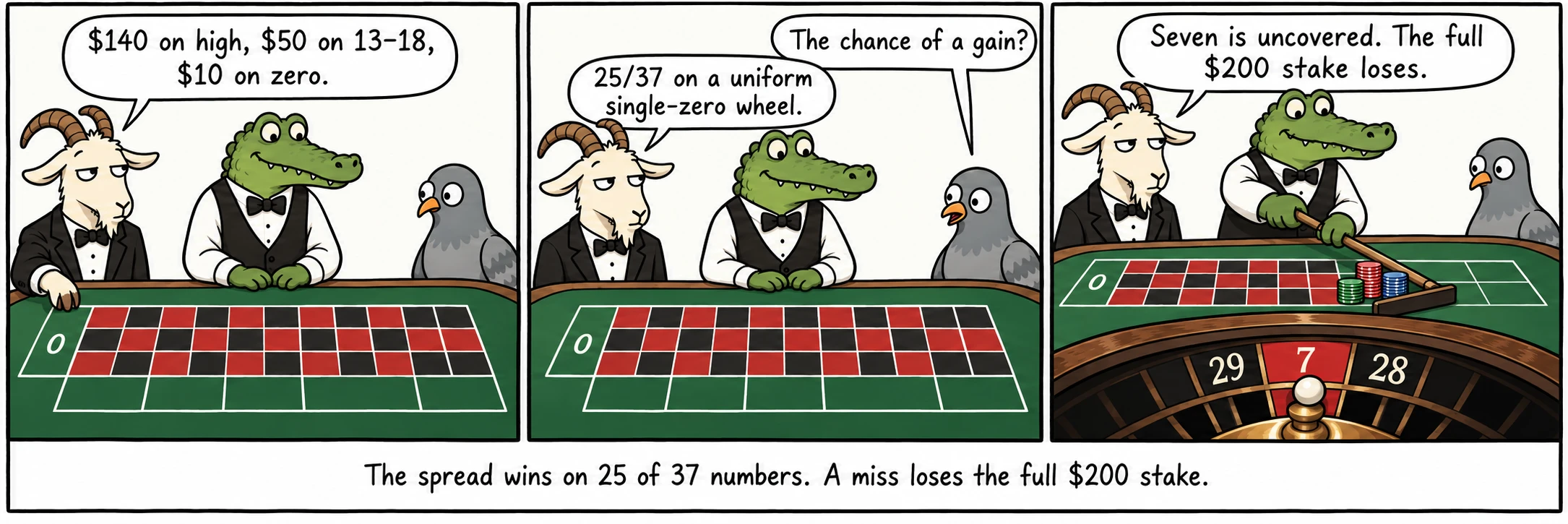
The spread wins on 25 of 37 numbers. A miss loses the full $200 stake.
ꯍꯧꯔꯛꯐꯃꯁꯤꯡ
- Fleming, I. Casino Royale.
- Ethier, S. N. The Doctrine of Chances: Probabilistic Aspects of Gambling.