ꯌꯨꯔꯣꯄꯤꯌꯟ ꯔꯨꯂꯦꯠ
ꯄꯣꯀꯦꯠ ꯀꯨꯟꯊꯔꯥꯇꯔꯦꯠ, ꯖꯤꯔꯣ ꯑꯃꯥ, 2.70%꯫ ꯆꯥꯡꯗꯝꯅꯅꯕ ꯆꯛꯔ꯫
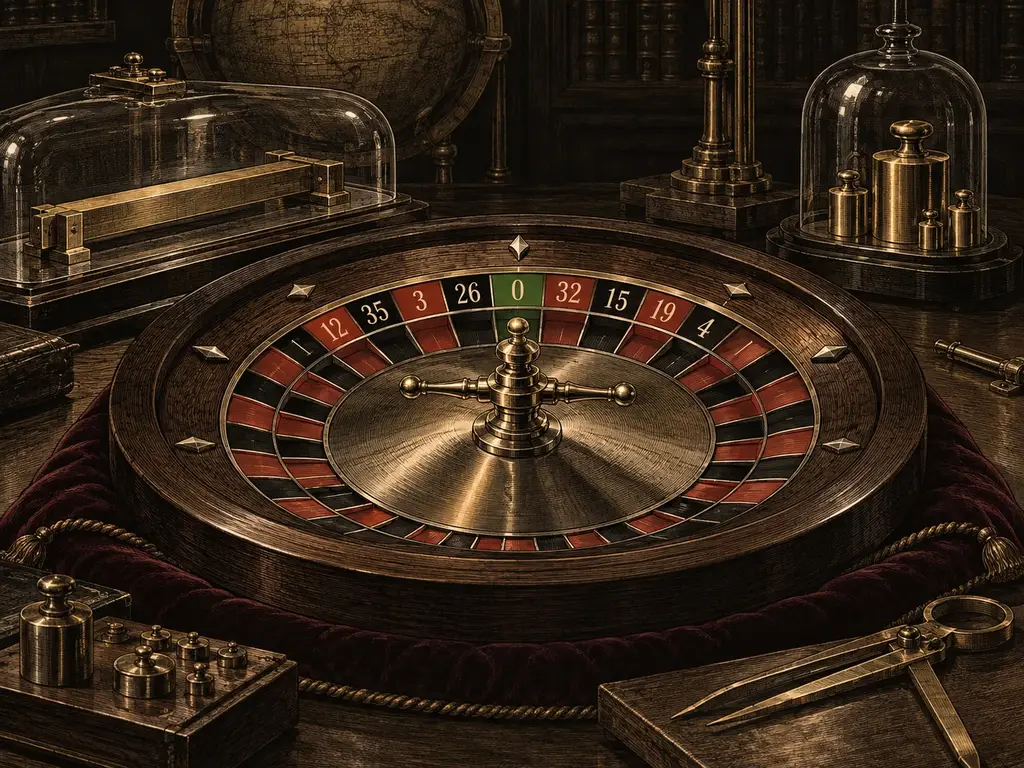
On a fair single-zero wheel, a standard bet covering n numbers pays 36/n − 1 to 1 and has a house edge of 1/37, about 2.70%. Special payouts and zero-return rules can change that figure.
ꯀꯗꯥꯏꯗ ꯐꯪꯒꯅꯤ
Single-zeroꯆꯛꯔꯖꯤꯔꯣꯆꯞ ꯃꯥꯟꯅꯕ, ꯗꯖꯟ ꯅꯠꯔꯒ ꯀꯂꯝ ꯕꯦꯠ ꯑꯃꯠꯇꯅ ꯀꯨꯞꯇꯕ ꯑꯁꯪꯕ ꯄꯣꯀꯦꯠ ꯑꯃꯈꯛꯇ; ꯍꯥꯎꯁ ꯑꯦꯖꯀꯤ ꯍꯧꯔꯀꯐꯝꯅꯤ꯫ ꯑꯇꯣꯞꯄ ꯃꯃꯤꯡ: ꯁꯤꯡꯒꯜ ꯖꯤꯔꯣ, 0꯫ꯃꯄꯨꯡ ꯄꯥꯕꯤꯌꯨ → roulette is offered on casino floors and online. A title or location alone does not establish its rules: count the pocketsꯈꯨꯠꯂꯥꯏꯄꯣꯀꯦꯠꯔꯣꯇꯔꯗ ꯂꯩꯕ ꯃꯁꯤꯡ ꯏꯔꯕ ꯀꯣꯠ 37 ꯒꯤ ꯃꯅꯨꯡꯗ ꯑꯃꯥ꯫ ꯑꯇꯣꯞꯄ ꯃꯃꯤꯡ: ꯁ꯭ꯂꯣꯠ, ꯀꯞ꯫ꯃꯄꯨꯡ ꯄꯥꯕꯤꯌꯨ → and check the payoutꯁꯦꯜꯄꯦꯑꯥꯎꯠꯃꯥꯏꯄꯥꯛꯄ ꯕꯦꯠ ꯑꯃꯅ ꯍꯜꯂꯛꯄ ꯁꯦꯜ, ꯍꯜꯂꯀꯄ ꯊꯝꯂꯕ ꯁꯦꯜꯒꯤ ꯃꯊꯛꯇ “X ꯗꯒꯤ 1” ꯍꯥꯌꯅ ꯍꯥꯌꯏ꯫ꯃꯄꯨꯡ ꯄꯥꯕꯤꯌꯨ → table and treatment of zero.
ꯖꯤꯔꯣ ꯑꯃꯒꯤ ꯃꯃꯜ: ꯁꯤꯡꯒꯜ ꯖꯤꯔꯣ ꯔꯨꯂꯦꯠ ꯆꯛꯔ
On a fair wheel, a straight upꯕꯦꯠꯁ꯭ꯇ꯭ꯔꯦꯠ-ꯑꯞꯃꯁꯤꯡ ꯑꯃꯈꯛꯇ, 35:1 ꯄꯦꯑꯥꯎꯠ꯫ꯃꯄꯨꯡ ꯄꯥꯕꯤꯌꯨ → wins with probabilityꯃꯦꯊꯃꯦꯇꯤꯛꯁꯊꯣꯛꯄꯒꯤ ꯈꯨꯗꯣꯡꯆꯥꯕꯃꯍꯩ ꯑꯃꯥ ꯊꯣꯛꯄꯒꯤ ꯈꯨꯗꯣꯡꯆꯥꯕ, 0 ꯗꯒꯤ 1 ꯐꯥꯑꯣꯕ ꯅꯠꯔꯒ 0% ꯗꯒꯤ 100% ꯐꯥꯑꯣꯕ꯫ ꯃꯁꯤꯡ ꯑꯃꯥ: 1/37 = 2.70%꯫ꯃꯄꯨꯡ ꯄꯥꯕꯤꯌꯨ → 1/37 and pays 35 to 1. Its expected net result per unitꯁꯦꯜꯌꯨꯅꯤꯠꯁꯤꯁ꯭ꯇꯦꯝ ꯅꯠꯔꯒ ꯁꯥꯟꯅꯔꯤꯕ ꯑꯃꯅ ꯁꯤꯖꯤꯟꯅꯕ ꯃꯔꯨꯑꯣꯏꯕ ꯊꯝꯂꯕ ꯁꯦꯜ꯫ ꯄ꯭ꯔꯣꯒ꯭ꯔꯦꯁꯅꯁꯤꯡ ꯌꯨꯅꯤꯠꯇ ꯁꯟꯗꯣꯛꯂꯤ, ꯃꯔꯝ ꯑꯗꯨꯅ ꯃꯈꯣꯌ ꯀꯔꯤꯒꯨꯝꯕ ꯇꯦꯕꯜꯗ ꯆꯠꯂꯤ꯫ꯃꯄꯨꯡ ꯄꯥꯕꯤꯌꯨ → is 35/37 − 36/37 = −1/37 ≈ −2.70%. The standard bets in the table have the same expected result: each covers n of the 37 pockets and pays 36/n − 1 to 1. This assumes no special treatment of zero. The sequence of numbers around the wheel is the one used throughout this site: 0 32 15 19 4 21 2 25 17 34 6 27 13 36 11 30 8 23 10 5 24 16 33 1 20 14 31 9 22 18 29 7 28 12 35 3 26.
ꯑꯇꯣꯞꯄꯁꯤꯡꯒ ꯆꯥꯡꯗꯝꯅꯕꯗ
La partageꯅꯤꯌꯝꯂꯥ ꯄꯥꯔꯇꯥꯖꯐ꯭ꯔꯦꯟꯆ ꯅꯤꯌꯝ: ꯖꯤꯔꯣ ꯊꯣꯛꯂꯕꯗꯤ ꯆꯞ ꯃꯥꯟꯅꯕ ꯕꯦꯠꯀꯤ ꯊꯝꯂꯕ ꯁꯦꯜꯒꯤ ꯁꯔꯨꯛ ꯑꯍꯦꯟꯕ ꯍꯜꯂꯀꯏ꯫ ꯕꯦꯠ ꯑꯗꯨꯁꯤꯡꯒꯤ ꯍꯥꯎꯁ ꯑꯦꯖ 1.35% ꯐꯥꯑꯣꯕ ꯁꯔꯨꯛ ꯑꯅꯤꯗ ꯊꯥꯖꯤꯜꯂꯤ꯫ꯃꯄꯨꯡ ꯄꯥꯕꯤꯌꯨ → on the same fair single-zero wheel halves the even-money edge by returning half the stake on zero. Standard double-zero even-money betsꯕꯦꯠꯆꯞ ꯃꯥꯟꯅꯕ ꯕꯦꯠꯑꯉꯥꯡꯕ/ꯑꯃꯨꯕ, ꯕꯤꯖꯣꯔ/ꯖꯣꯔ, ꯑꯋꯥꯡꯕ/ꯑꯅꯦꯝꯕ꯫ ꯃꯁꯤꯡ 18, 1:1 ꯄꯦꯑꯥꯎꯠ꯫ꯃꯄꯨꯡ ꯄꯥꯕꯤꯌꯨ → instead have an edge of 2/38, about 5.26%, almost twice the standard single-zero figure. Most numbered bets are familiar across the three formats, but the zero area, available combination bets and special rules can differ.
ꯌꯨꯔꯣꯄꯤꯌꯟ ꯔꯨꯂꯦꯠ ꯆꯛꯔꯗ ꯀꯣꯜ ꯕꯦꯠꯁꯤꯡ
Traditional sectorꯆꯛꯔꯁꯦꯛꯇꯔꯆꯛꯔꯗ ꯃꯔꯛ ꯂꯩꯇꯅ ꯃꯈꯥ ꯆꯠꯅꯅ ꯂꯩꯕ ꯄꯣꯀꯦꯠꯁꯤꯡꯒꯤ ꯁꯔꯨꯛ, ꯂꯦꯑꯥꯎꯠꯇ ꯂꯩꯕ ꯀꯥꯡꯂꯨꯞ ꯑꯃꯗꯒꯤ ꯇꯣꯉꯥꯟꯅ꯫ꯃꯄꯨꯡ ꯄꯥꯕꯤꯌꯨ → bets (voisins, tiers, orphelinsꯐ꯭ꯔꯦꯟꯆ · ꯁꯦꯛꯇꯔꯑꯣꯔꯐꯦꯂꯦꯟ“ꯃꯆꯥ ꯅꯨꯄꯥꯡꯕꯁꯤꯡ”: ꯚꯣꯌꯥꯖꯦꯟ ꯑꯃꯁꯨꯡ ꯇꯤꯌꯦꯌꯔꯅ ꯀꯨꯞꯇꯨꯅ ꯂꯩꯔꯤꯕ ꯃꯁꯤꯡ ꯅꯤꯄꯥꯟ: 17, 34, 6 ꯑꯃꯁꯨꯡ 1, 20, 14, 31, 9꯫ꯃꯄꯨꯡ ꯄꯥꯕꯤꯌꯨ →, neighborsꯕꯦꯠꯌꯨꯝꯂꯣꯟꯅꯕ ꯕꯦꯠꯆꯛꯔꯗ ꯃꯁꯤꯡ ꯑꯃꯥ ꯑꯃꯁꯨꯡ ꯃꯗꯨꯒꯤ ꯅꯥꯀꯜ ꯑꯅꯤꯃꯛꯇ ꯂꯩꯕ ꯄꯣꯀꯦꯠ ꯑꯅꯤ ꯑꯅꯤ, ꯁ꯭ꯇ꯭ꯔꯦꯠ-ꯑꯞ ꯆꯤꯞ ꯃꯉꯥ꯫ꯃꯄꯨꯡ ꯄꯥꯕꯤꯌꯨ →) use the wheel sequence to group numbers. A game may offer them through a racetrackꯇꯦꯕꯜꯔꯦꯁꯇ꯭ꯔꯦꯛꯂꯥꯏꯕ ꯑꯃꯁꯨꯡ ꯏꯂꯦꯛꯠꯔꯣꯅꯤꯛ ꯂꯦꯑꯥꯎꯠꯁꯤꯡꯗ ꯃꯁꯤꯡꯁꯤꯡ ꯆꯛꯔꯒꯤ ꯃꯊꯪ ꯃꯇꯨꯡ ꯏꯟꯅ ꯎꯠꯄ ꯑꯣꯚꯦꯜ ꯃꯑꯣꯡꯒꯤ ꯁꯔꯨꯛ, ꯌꯨꯝꯂꯣꯟꯅꯕ ꯑꯃꯁꯨꯡ ꯁꯦꯛꯇꯔ ꯕꯦꯠꯁꯤꯡ ꯇꯦꯞ ꯑꯃꯈꯛꯇꯅ ꯊꯝꯅꯕ ꯁꯤꯖꯤꯟꯅꯩ꯫ꯃꯄꯨꯡ ꯄꯥꯕꯤꯌꯨ → or special-bets panel; check which combinations are available. When these combinations use standard component bets on a fair single-zero wheel, their house edgeꯃꯦꯊꯃꯦꯇꯤꯛꯁꯍꯥꯎꯁ ꯑꯦꯖꯊꯝꯂꯕ ꯁꯦꯜ ꯈꯨꯗꯤꯡꯗꯒꯤ ꯀꯦꯁꯤꯅꯣꯅ ꯑꯦꯚꯔꯦꯖꯗ ꯊꯃꯖꯤꯜꯂꯤꯕ ꯁꯔꯨꯛ: ꯌꯨꯔꯣꯄꯤꯌꯟ ꯔꯨꯂꯦꯠꯇ 2.70%꯫ꯃꯄꯨꯡ ꯄꯥꯕꯤꯌꯨ → is also about 2.70% of the total stake.
ꯃꯃꯤꯡꯁꯤꯡꯒꯤ ꯃꯇꯥꯡꯗ
The game name alone does not settle the rules. Count the pockets and check the payout table and treatment of zero. On a fair single-zero wheel, la partage reduces the even-money edge to 1/74, about 1.35%. Other special rules need their own calculation.
ꯋꯥꯍꯪꯁꯤꯡ
For standard even-money bets, a fair single-zero table with la partage has a lower house edge than one where zero loses the whole stake: about 1.35% versus 2.70%. Compare the rules and payouts of the particular games rather than ranking them by name alone.
ꯂꯥꯏꯕ ꯇꯦꯕꯜ ꯌꯥꯝꯅ ꯃꯔꯥꯛꯇ ꯌꯥꯏ꯫ RNG ꯇꯦꯕꯜ ꯈꯔꯅ ꯃꯈꯣꯌꯕꯨ ꯊꯥꯗꯣꯀꯏ꯫
ꯅꯣꯛꯅꯕꯒꯤ ꯀꯃꯤꯛ
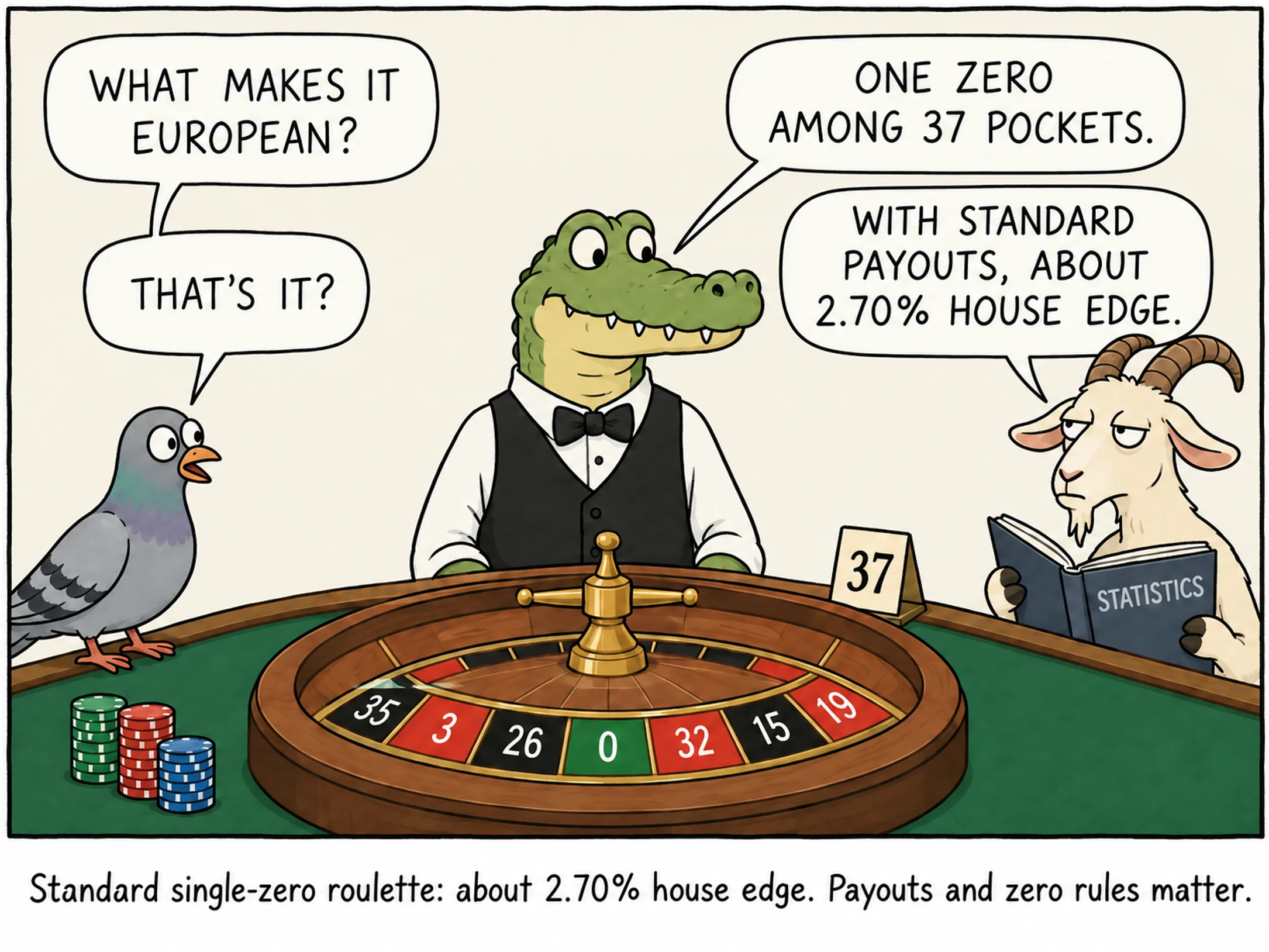
ꯆꯥꯡꯗꯝꯅꯅꯕ ꯆꯛꯔ꯫ ꯖꯤꯔꯣ ꯑꯃꯥ, 2.70%꯫
ꯍꯧꯔꯛꯐꯃꯁꯤꯡ
- Ethier, S. N. The Doctrine of Chances: Probabilistic Aspects of Gambling.