ꯒꯣꯟꯖꯥꯂꯣ ꯒꯥꯔꯁꯤꯌꯥ-ꯄꯦꯂꯥꯌꯣ: ꯔꯨꯂꯦꯠ ꯁꯤꯁ꯭ꯇꯦꯝ
ꯔꯦꯀꯣꯔꯗ ꯄ꯭ꯔꯣꯗ꯭ꯌꯨꯁꯔ ꯑꯃꯥ, ꯅꯣꯠ ꯏꯔꯤꯕ ꯏꯃꯨꯡ ꯑꯃꯥ, ꯑꯃꯁꯨꯡ ꯀꯦꯁꯤꯅꯣꯗ ꯃꯁꯥꯒꯤ ꯆꯛꯔꯁꯤꯡ ꯌꯦꯡꯁꯤꯟꯅꯕ ꯍꯥꯌꯈꯤꯕ ꯁꯨꯞꯔꯤꯝ ꯀꯣꯔꯠ ꯑꯃꯥ꯫
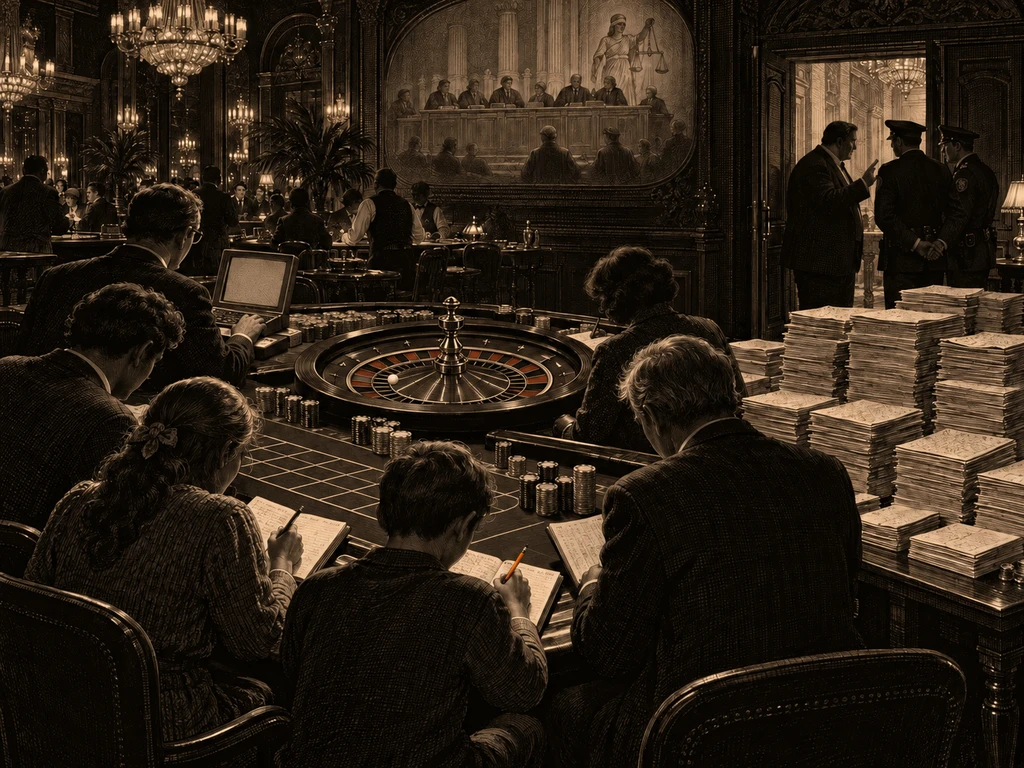
ꯁ꯭ꯄꯦꯅꯒꯤ ꯔꯦꯀꯣꯔꯗ ꯄ꯭ꯔꯣꯗ꯭ꯌꯨꯁꯔ ꯑꯃꯁꯨꯡ ꯐꯤꯜꯝ ꯗꯥꯏꯔꯦꯛꯇꯔ ꯒꯣꯟꯖꯥꯂꯣ ꯒꯥꯔꯁꯤꯌꯥ-ꯄꯦꯂꯥꯌꯣ (Gonzalo García-Pelayo, ꯄꯣꯛꯈꯤꯕ 1947)ꯅ ꯏꯃꯨꯡꯒꯤ ꯇꯤꯝ ꯑꯃꯥ ꯂꯨꯆꯤꯡꯈꯤ; ꯃꯈꯣꯌꯅ 1991ꯒꯤ ꯑꯔꯣꯏꯕꯗꯒꯤ ꯀꯦꯁꯤꯅꯣ ꯒ꯭ꯔꯥꯟ ꯃꯥꯗ꯭ꯔꯤꯗꯇ ꯆꯛꯔ ꯈꯨꯗꯤꯡꯃꯛꯇ ꯁ꯭ꯄꯤꯟ 5,000 ꯃꯇꯧ ꯏꯔꯀꯈꯤ ꯑꯃꯁꯨꯡ ꯃꯃꯥꯡꯗ ꯆꯠꯂꯤꯕ ꯄꯣꯀꯦꯠꯁꯤꯡꯗ ꯕꯦꯠ ꯊꯃꯈꯤ꯫ ꯃꯍꯥꯛꯀꯤ ꯋꯥꯐꯝꯗ ꯀꯦꯁꯤꯅꯣ ꯀꯌꯥꯗꯒꯤ ꯃꯥꯏꯄꯥꯛꯇꯨꯅ ꯐꯪꯂꯕ ꯁꯦꯜ ꯑꯗꯨ ꯄꯦꯁꯦꯇꯥ ꯃꯤꯂꯤꯌꯟ 200ꯗꯒꯤ 250 ꯐꯥꯑꯣꯕꯅꯤ꯫ ꯀꯦꯁꯤꯅꯣꯅ ꯏꯃꯨꯡ ꯑꯗꯨ ꯊꯤꯡꯈꯤ, ꯁꯔꯀꯥꯔꯅ ꯊꯤꯡꯕ ꯑꯗꯨ ꯂꯧꯊꯣꯀꯈꯤ, ꯑꯃꯁꯨꯡ 2004ꯗ ꯁꯨꯞꯔꯤꯝ ꯀꯣꯔꯇꯅ ꯁꯥꯟꯅꯔꯤꯕꯁꯤꯡꯒꯤ ꯃꯥꯌꯀꯩꯗ ꯂꯦꯞꯈꯤ꯫
ꯀꯦꯁꯤꯅꯣꯒꯤ ꯃꯃꯥꯡꯗ
ꯒꯣꯟꯖꯥꯂꯣ ꯒꯥꯔꯁꯤꯌꯥ-ꯄꯦꯂꯥꯌꯣ 25 ꯖꯨꯟ 1947ꯗ ꯃꯥꯗ꯭ꯔꯤꯗꯇ ꯄꯣꯛꯈꯤ ꯑꯃꯁꯨꯡ ꯑꯟꯗꯂꯨꯁꯤꯌꯥꯒꯤ ꯍꯦꯔꯦꯖ ꯑꯃꯁꯨꯡ ꯁꯦꯚꯤꯜꯗ ꯆꯥꯎꯈꯤ꯫ ꯃꯍꯥꯛꯅ ꯐꯤꯜꯝ ꯀꯌꯥ ꯗꯥꯏꯔꯦꯛꯇ ꯇꯧꯈꯤ, ꯃꯈꯣꯌꯒꯤ ꯃꯅꯨꯡꯗ Manuela (1976) ꯑꯃꯁꯨꯡ Vivir en Sevilla (1978) ꯌꯥꯎꯏ, ꯑꯃꯁꯨꯡ 1974ꯗ ꯒꯣꯡ (Gong) ꯀꯧꯕ ꯔꯦꯀꯣꯔꯗ ꯂꯦꯕꯦꯜ ꯁꯦꯃꯈꯤ, ꯃꯐꯝ ꯑꯗꯨꯗ ꯃꯍꯥꯛꯅ ꯇ꯭ꯔꯤꯌꯥꯅꯥ, ꯂꯣꯂꯦ ꯏ ꯃꯥꯅꯨꯌꯦꯜ ꯑꯃꯁꯨꯡ ꯃꯥꯔꯤꯌꯥ ꯍꯤꯃꯦꯅꯦꯖꯒꯤ ꯔꯦꯀꯣꯔꯗꯁꯤꯡ ꯄ꯭ꯔꯣꯗ꯭ꯌꯨꯁ ꯇꯧꯈꯤ꯫ ꯃꯁꯥꯒꯤ ꯊꯤꯕꯗ ꯃꯍꯥꯛꯅ ꯔꯦꯀꯣꯔꯗ 150 ꯃꯇꯧ ꯄ꯭ꯔꯣꯗ꯭ꯌꯨꯁ ꯇꯧꯈꯤ꯫ ꯄꯥꯎꯆꯦꯟ ꯈꯔꯅ ꯏꯈꯤꯕꯒꯨꯝꯅ ꯃꯍꯥꯛ ꯃꯦꯊꯃꯦꯇꯤꯁꯤꯌꯟ ꯅꯠꯇꯦ: 2004ꯗ ꯕꯤꯖꯤꯅꯦꯁ ꯄꯥꯎꯆꯦꯟ ꯁꯤꯟꯀꯣ ꯗꯤꯌꯥꯁ (Cinco Días)ꯗ ꯃꯍꯥꯛꯅ ꯍꯥꯌꯈꯤ ꯃꯗꯨꯗꯤ ꯃꯍꯥꯛꯀꯤ ꯂꯩꯔꯤꯕꯗꯤ ꯁ꯭ꯀꯨꯂꯒꯤ ꯃꯦꯊꯃꯦꯇꯤꯛꯁ ꯑꯃꯁꯨꯡ ꯄ꯭ꯔꯣꯕꯦꯕꯤꯂꯤꯇꯤꯒꯤꯃꯦꯊꯃꯦꯇꯤꯛꯁꯊꯣꯛꯄꯒꯤ ꯈꯨꯗꯣꯡꯆꯥꯕꯃꯍꯩ ꯑꯃꯥ ꯊꯣꯛꯄꯒꯤ ꯈꯨꯗꯣꯡꯆꯥꯕ, 0 ꯗꯒꯤ 1 ꯐꯥꯑꯣꯕ ꯅꯠꯔꯒ 0% ꯗꯒꯤ 100% ꯐꯥꯑꯣꯕ꯫ ꯃꯁꯤꯡ ꯑꯃꯥ: 1/37 = 2.70%꯫ꯃꯄꯨꯡ ꯄꯥꯕꯤꯌꯨ → ꯃꯇꯥꯡꯗ ꯂꯥꯏꯔꯤꯛ ꯑꯃꯥ ꯅꯠꯔꯒꯥ ꯑꯅꯤꯈꯛꯇꯅꯤ꯫ ꯃꯍꯥꯛꯅ ꯍꯥꯌꯔꯤꯕꯗꯤ, ꯕ꯭ꯂꯦꯀꯖꯦꯛꯇ ꯃꯥꯏꯊꯤꯕ ꯃꯇꯨꯡꯗ ꯔꯨꯂꯦꯠ ꯇꯃꯒꯗꯕꯒꯤ ꯋꯥꯈꯜ ꯑꯗꯨ ꯂꯥꯀꯈꯤ꯫
ꯇꯤꯝ
ꯄꯦꯂꯥꯌꯣ ꯏꯃꯨꯡꯒꯤ ꯔꯨꯂꯦꯠ ꯁꯤꯁ꯭ꯇꯦꯝ ꯑꯁꯤꯗ ꯃꯤ ꯌꯥꯝꯅꯥ ꯃꯊꯧ ꯇꯥꯈꯤ, ꯑꯃꯁꯨꯡ ꯁꯥꯟꯅꯔꯤꯕꯁꯤꯡ ꯑꯗꯨ ꯃꯍꯥꯛꯀꯤ ꯃꯔꯤ ꯂꯩꯅꯕꯁꯤꯡꯅꯤ꯫ ꯃꯍꯥꯛꯀꯤ ꯃꯁꯥꯒꯤ ꯋꯦꯕꯁꯥꯏꯇꯇ ꯃꯆꯥꯅꯨꯄꯥ ꯏꯚꯥꯟ, ꯃꯆꯥꯅꯨꯄꯤ ꯚꯥꯅꯦꯁꯥ ꯑꯃꯁꯨꯡ ꯃꯆꯥ ꯃꯅꯥꯛꯀꯤ ꯃꯆꯥꯅꯨꯄꯥ ꯀ꯭ꯔꯤꯁ꯭ꯇꯤꯌꯥꯟ ꯑꯃꯁꯨꯡ ꯃꯥꯔꯀꯣꯁꯀꯤ ꯃꯃꯤꯡ ꯌꯥꯎꯏ; ꯑꯇꯣꯞꯄ ꯋꯥꯔꯤꯁꯤꯡꯗ ꯒꯤꯌꯦꯔꯃꯣ ꯑꯃꯁꯨꯡ ꯍꯥꯏꯃꯦꯁꯨ ꯍꯥꯄꯆꯤꯜꯂꯤ꯫ ꯀꯦꯁꯤꯅꯣꯒꯤ ꯊꯤꯡꯕ ꯑꯗꯨꯅ ꯃꯤ ꯇꯔꯨꯛ ꯌꯥꯎꯈꯤ, ꯑꯃꯁꯨꯡ ꯃꯇꯨꯡꯗ ꯃꯍꯥꯛꯅ ꯍꯥꯌꯔꯀꯄꯗꯤ ꯒ꯭ꯔꯨꯞ ꯑꯗꯨ ꯃꯔꯤ ꯂꯩꯅꯕ ꯍꯦꯟꯅꯥ ꯑꯃꯁꯨꯡ ꯅꯨꯡꯁꯤꯕ ꯃꯔꯨꯞ ꯈꯔꯒꯥ ꯂꯣꯌꯅꯅ ꯃꯤ ꯇꯔꯥꯅꯤꯊꯣꯏ ꯐꯥꯑꯣꯕ ꯆꯥꯎꯈꯠꯂꯀꯈꯤ꯫ ꯃꯈꯣꯌꯅ ꯃꯁꯥꯕꯨ ꯐ꯭ꯂꯣꯇꯤꯌꯥ (flotilla) ꯍꯥꯌꯅ ꯀꯧꯈꯤ꯫
ꯊꯕꯛ ꯑꯗꯨ ꯌꯦꯟꯊꯣꯛꯈꯤ꯫ ꯈꯔꯅ ꯆꯛꯔ ꯑꯃꯒꯤ ꯃꯅꯥꯛꯇ ꯐꯝꯗꯨꯅ ꯃꯁꯤꯡꯁꯤꯡ ꯏꯔꯝꯃꯤ; ꯃꯈꯣꯌꯅ ꯂꯣꯏꯔꯕ ꯃꯇꯨꯡꯗ ꯊꯣꯛꯂꯛꯂꯒꯥ ꯑꯅꯧꯕ ꯃꯤꯁꯤꯡꯅ ꯕꯦꯠ ꯊꯝꯅꯕ ꯆꯉꯂꯛꯂꯝꯃꯤ, ꯀꯦꯁꯤꯅꯣꯅ ꯑꯅꯤꯕꯨ ꯃꯔꯤ ꯁꯝꯅꯍꯟꯗꯅꯕ꯫ ꯃꯍꯥꯛ ꯃꯁꯥꯃꯛꯅ ꯕꯦꯠ ꯊꯝꯕ ꯌꯥꯝꯅꯥ ꯈꯟꯗꯅꯥ ꯂꯩꯈꯤ꯫ ꯑꯇꯣꯞꯄꯁꯤꯡꯅ ꯁꯥꯟꯗꯨꯅ ꯃꯍꯩ ꯑꯗꯨ ꯃꯍꯥꯛꯇ ꯐꯣꯟ ꯇꯧꯔꯝꯃꯤ꯫ ꯃꯇꯨꯡꯗ ꯃꯈꯣꯌꯅ ꯀꯦꯁꯤꯅꯣꯁꯤꯡꯅ ꯈꯉꯗꯕ ꯃꯔꯨꯄꯁꯤꯡ ꯁꯤꯖꯤꯟꯅꯈꯤ, ꯃꯈꯣꯌꯕꯨ ꯁꯕꯃꯦꯔꯤꯟ (submarines) ꯍꯥꯌꯅ ꯀꯧꯈꯤ꯫
ꯃꯑꯣꯡ, ꯃꯍꯥꯛꯀꯤ ꯋꯥꯍꯩꯗ
García-Pelayo says he began with the idea that manufacturing differences could affect a wheel’s results. In his 2024 interview, he describes turning from the dealer’s throw to the wheel itself. A physical imperfection does not, by itself, establish a bias large enough to overcome the payoutꯁꯦꯜꯄꯦꯑꯥꯎꯠꯃꯥꯏꯄꯥꯛꯄ ꯕꯦꯠ ꯑꯃꯅ ꯍꯜꯂꯛꯄ ꯁꯦꯜ, ꯍꯜꯂꯀꯄ ꯊꯝꯂꯕ ꯁꯦꯜꯒꯤ ꯃꯊꯛꯇ “X ꯗꯒꯤ 1” ꯍꯥꯌꯅ ꯍꯥꯌꯏ꯫ꯃꯄꯨꯡ ꯄꯥꯕꯤꯌꯨ → disadvantage.
In his later interviews, he describes recording about 5,000 results per wheel over roughly fifteen days of long shifts. This is his account of the team’s sampling effort, not a guarantee that 5,000 observations will reveal a profitable bias.
He counts in “positives”. A number that comes up once in 36 spins breaks even at 35 to 1, so it scores nothing; every hit beyond that is one positive. He then compares a wheel’s positives with what fair wheels produce in a computer simulation, using a program he wrote himself. As a reviewer of the family’s book reports it, there are two limits: one that 95% of simulated fair wheels stay under, and a higher limit that 99.95% stay under. He treats the higher limit as strong evidence of bias. A simulated threshold still depends on the model and test procedure; it cannot make a conclusion certain.
By his figures a biased wheelꯂꯦꯕꯕꯥꯏꯌꯥꯁ ꯂꯩꯕ ꯆꯛꯔꯁꯛꯇꯝꯒꯤ ꯑꯁꯣꯏꯕꯁꯤꯡꯅ ꯄꯣꯀꯦꯠ ꯈꯔꯕꯨ 1/37 ꯗꯒꯤ ꯍꯦꯟꯅꯥ ꯊꯣꯛꯍꯟꯕ ꯆꯛꯔ꯫ ꯌꯥꯝꯅ ꯌꯥꯝꯗꯦ, ꯊꯝꯂꯕ ꯁ꯭ꯄꯤꯟ ꯂꯤꯁꯤꯡ ꯀꯌꯥꯅ ꯈꯛꯇꯃꯛ ꯈꯉꯕ ꯉꯝꯃꯤ꯫ꯃꯄꯨꯡ ꯄꯥꯕꯤꯌꯨ → had between nine and twelve numbers running ahead. The best pocketꯈꯨꯠꯂꯥꯏꯄꯣꯀꯦꯠꯔꯣꯇꯔꯗ ꯂꯩꯕ ꯃꯁꯤꯡ ꯏꯔꯕ ꯀꯣꯠ 37 ꯒꯤ ꯃꯅꯨꯡꯗ ꯑꯃꯥ꯫ ꯑꯇꯣꯞꯄ ꯃꯃꯤꯡ: ꯁ꯭ꯂꯣꯠ, ꯀꯞ꯫ꯃꯄꯨꯡ ꯄꯥꯕꯤꯌꯨ → he ever found won once in 28 spins, anything better than once in 35 was worth a bet, and the mix gave an advantage of about 6%. These are his reported figures, not independently verified estimates supplied by a casino or regulator.
ꯀꯔꯤꯒꯤ ꯁ꯭ꯄꯤꯟ 5,000, ꯑꯃꯁꯨꯡ ꯀꯔꯤꯒꯤ ꯆꯛꯔ ꯄꯨꯝꯅꯃꯛ
For one pocket on a uniform independent single-zeroꯆꯛꯔꯖꯤꯔꯣꯆꯞ ꯃꯥꯟꯅꯕ, ꯗꯖꯟ ꯅꯠꯔꯒ ꯀꯂꯝ ꯕꯦꯠ ꯑꯃꯠꯇꯅ ꯀꯨꯞꯇꯕ ꯑꯁꯪꯕ ꯄꯣꯀꯦꯠ ꯑꯃꯈꯛꯇ; ꯍꯥꯎꯁ ꯑꯦꯖꯀꯤ ꯍꯧꯔꯀꯐꯝꯅꯤ꯫ ꯑꯇꯣꯞꯄ ꯃꯃꯤꯡ: ꯁꯤꯡꯒꯜ ꯖꯤꯔꯣ, 0꯫ꯃꯄꯨꯡ ꯄꯥꯕꯤꯌꯨ → wheel, 5,000 spins give an expected count of 135.14 with a standard deviationꯃꯦꯊꯃꯦꯇꯤꯛꯁꯁ꯭ꯇꯦꯟꯗꯔꯗ ꯗꯤꯚꯤꯌꯦꯁꯟꯚꯦꯌꯔꯤꯌꯦꯟꯁꯀꯤ ꯁ꯭ꯀ꯭ꯋꯦꯌꯔ ꯔꯨꯠ; ꯃꯍꯩ ꯑꯃꯅ ꯐꯪꯒꯗꯕ ꯃꯃꯜꯗꯒꯤ ꯌꯥꯝꯅ ꯂꯥꯞꯄ ꯃꯑꯣꯡ꯫ꯃꯄꯨꯡ ꯄꯥꯕꯤꯌꯨ → of 11.47. If its true probability were 1/28, its expected count would instead be 178.57—but an actual sample would fluctuate around that value. Neither a large observed count nor a small p-valueꯂꯦꯕp-ꯚꯦꯜꯌꯨꯆꯛꯔ ꯑꯗꯨ ꯆꯨꯝꯃꯤꯟꯅꯔꯕꯗꯤ ꯎꯈꯤꯕ ꯑꯗꯨꯗꯒꯤ ꯍꯟꯊꯗꯕ ꯂꯥꯞꯊꯣꯛꯄ ꯑꯃꯥ ꯎꯕꯒꯤ ꯈꯨꯗꯣꯡꯆꯥꯕ꯫ꯃꯄꯨꯡ ꯄꯥꯕꯤꯌꯨ → proves a fault with certainty.
A true probability of 1/33 would give an expected count of 151.52 and an expected net return of about +9.09% at 35 to 1. That expected count is only about 1.43 standard deviations above the uniform mean, so it can be difficult to distinguish the two models from this sample alone.
Inspecting all 37 pockets creates a selection problem: even a uniform wheel has a highest count. A valid analysis must account for which pockets or groups were tested and selected. A whole-wheel chi-square testꯂꯦꯕꯀꯥꯏ-ꯁ꯭ꯀ꯭ꯋꯦꯌꯔ ꯇꯦꯁ꯭ꯠꯄꯣꯀꯦꯠ ꯈꯨꯗꯤꯡꯗ ꯎꯈꯤꯕ ꯊꯣꯛꯄꯁꯤꯡꯕꯨ ꯐꯪꯒꯗꯕ n/37 ꯒ ꯆꯥꯡꯗꯝꯅꯕ ꯁ꯭ꯇꯦꯇꯤꯁ꯭ꯇꯤꯀꯦꯜ ꯇꯦꯁ꯭ꯠ꯫ ꯆꯛꯔ ꯑꯃꯗ ꯕꯥꯏꯌꯥꯁ ꯂꯩꯕꯔꯥ ꯍꯥꯌꯕ ꯋꯥꯌꯦꯜ ꯇꯧꯅꯕ ꯁꯤꯖꯤꯟꯅꯩ꯫ꯃꯄꯨꯡ ꯄꯥꯕꯤꯌꯨ → can assess departure from uniformity, but does not by itself identify a profitable pocket or prove that the pattern will continue.
ꯁꯦꯜ
The winnings are reported claims, not audited results. In a 2004 Cinco Días interview, García-Pelayo put the total at €1.2 million, with about €1,800 to start and a loss of €60,000 on one day. Those figures describe his account of the experience, not independently verified profits.
In his 2024 La Nación interview, he recalled playing in Barcelona and Austria and making two trips to Las Vegas, one for roulette and one for poker. He said the Las Vegas trips covered their costs. That recollection does not establish the effect of the second zero.
At a 35:1 payout, a straight-up bet breaks even at a true hit probability of 1/36 on either wheel. Compared with a uniform baseline, that requires a relative increase of 2.78% above 1/37 on single-zero roulette, or 5.56% above 1/38 on double-zero roulette. Profit requires a probability above that threshold; sample results alone do not establish it.
ꯀꯦꯁꯤꯅꯣꯅ ꯇꯧꯈꯤꯕ
ꯀꯦꯁꯤꯅꯣ ꯒ꯭ꯔꯥꯟ ꯃꯥꯗ꯭ꯔꯤꯗ ꯁꯍꯔꯒꯤ ꯃꯄꯥꯟꯗ ꯂꯩꯕ ꯇꯣꯔꯦꯂꯣꯗꯣꯅꯦꯁꯇ ꯂꯩ, ꯑꯃꯁꯨꯡ ꯁ꯭ꯄꯦꯅꯒꯤ ꯄꯥꯎꯆꯦꯅꯁꯤꯡꯅ ꯃꯁꯤꯕꯨ ꯌꯥꯝꯅꯥ ꯀꯦꯁꯤꯅꯣ ꯗꯦ ꯃꯥꯗ꯭ꯔꯤꯗ ꯍꯥꯌꯅꯈꯛ ꯀꯧꯏ꯫ ꯏꯃꯨꯡꯒꯤ ꯋꯥꯔꯤꯗ, ꯑꯍꯥꯅꯕꯗ ꯀꯦꯁꯤꯅꯣꯅ ꯆꯛꯔꯁꯤꯡ ꯑꯗꯨ ꯍꯣꯡꯗꯣꯀꯈꯤ ꯑꯃꯁꯨꯡ ꯃꯈꯣꯌꯒꯤ ꯁꯔꯨꯛ ꯈꯔꯥ ꯍꯣꯡꯗꯣꯀꯈꯤ, ꯃꯔꯝ ꯑꯗꯨꯅ ꯆꯛꯔ ꯈꯨꯗꯤꯡꯃꯛ ꯑꯃꯨꯛ ꯍꯟꯅꯥ ꯇꯃꯒꯗꯕ ꯑꯣꯏꯈꯤ꯫ ꯃꯗꯨꯒꯤ ꯃꯇꯨꯡꯗ ꯁ꯭ꯄꯦꯅꯒꯤ ꯀꯦꯁꯤꯅꯣ ꯔꯦꯒꯨꯂꯦꯁꯅꯒꯤ ꯑꯥꯔꯇꯤꯀꯜ ꯑꯃꯒꯤ ꯃꯈꯥꯗ ꯁꯥꯟꯅꯔꯤꯕꯁꯤꯡ ꯑꯗꯨ ꯊꯤꯡꯈꯤ; ꯑꯥꯔꯇꯤꯀꯜ ꯑꯗꯨꯅ ꯁꯥꯟꯅꯕꯗ ꯑꯔꯥꯟꯕ ꯊꯕꯛ ꯇꯧꯒꯅꯤ ꯍꯥꯌꯅ ꯈꯜꯂꯤꯕ ꯃꯤꯁꯤꯡꯕꯨ ꯀꯦꯁꯤꯅꯣꯅ ꯌꯥꯗꯕ ꯌꯥꯍꯜꯂꯤ꯫ 2000ꯒꯤ ꯔꯤꯄꯣꯔꯠ ꯑꯃꯅ ꯍꯥꯌꯔꯤꯕꯗꯤ ꯀꯦꯁꯤꯅꯣꯒꯤ ꯋꯥꯐꯝ ꯑꯗꯨ ꯃꯁꯤꯅꯤ: ꯒ꯭ꯔꯨꯞ ꯑꯗꯨꯅ ꯃꯍꯩ ꯈꯨꯗꯤꯡꯃꯛ ꯀꯌꯥ ꯊꯣꯀꯄꯒꯦ ꯍꯥꯌꯕ ꯊꯤꯗꯨꯅ ꯃꯇꯝ ꯁꯥꯡꯅ ꯆꯪꯈꯤ, ꯃꯍꯩ ꯂꯥꯎꯊꯣꯛꯅꯕ ꯀꯝꯞꯌꯨꯇꯔ ꯄ꯭ꯔꯣꯒ꯭ꯔꯥꯝ ꯑꯃꯥ ꯁꯤꯖꯤꯟꯅꯈꯤ, ꯑꯃꯁꯨꯡ ꯃꯁꯤꯅꯥ ꯑꯦꯗꯚꯥꯟꯇꯦꯖ ꯑꯃꯒꯥ ꯂꯣꯌꯅꯅ ꯁꯥꯟꯈꯤ꯫ ꯑꯇꯣꯞꯄ ꯁꯥꯟꯅꯔꯤꯕꯁꯤꯡꯅ ꯃꯈꯣꯌꯒꯤ ꯕꯦꯠꯁꯤꯡ ꯀꯣꯄꯤ ꯇꯧꯈꯤ ꯍꯥꯌꯅꯁꯨ ꯋꯥꯀꯠꯈꯤ꯫
ꯑꯇꯣꯞꯄ ꯀꯦꯁꯤꯅꯣꯁꯤꯡꯗꯁꯨ ꯆꯦꯀꯁꯤꯟꯍꯅꯈꯤ꯫ ꯏꯃꯨꯡ ꯑꯁꯤꯅ ꯍꯥꯌꯔꯤꯕꯗꯤ ꯃꯥꯏꯄꯥꯀꯄ ꯅꯨꯃꯤꯗꯥꯡ ꯑꯃꯒꯤ ꯃꯇꯨꯡꯗ ꯚꯤꯌꯦꯅꯥꯗ ꯊꯣꯀꯍꯟꯅꯕ ꯍꯥꯌꯈꯤ, ꯑꯃꯁꯨꯡ 2012ꯗ ꯃꯍꯥꯛꯅ ꯍꯥꯌꯈꯤ ꯃꯗꯨꯗꯤ ꯐ꯭ꯔꯥꯟꯁ ꯑꯃꯁꯨꯡ ꯗꯦꯟꯃꯥꯔꯀꯇ ꯃꯈꯣꯌꯕꯨ ꯍꯧꯖꯤꯛ ꯐꯥꯑꯣꯕ ꯊꯤꯡꯂꯤ꯫
ꯀꯣꯔꯇꯇ ꯆꯍꯤ ꯇꯔꯥ
ꯀꯦꯁꯤꯅꯣꯅ ꯏꯃꯨꯡ ꯑꯗꯨꯒꯤ ꯃꯊꯛꯇ ꯀꯦꯁ ꯇꯧꯈꯤꯗꯦ꯫ ꯏꯃꯨꯡ ꯑꯗꯨꯅ ꯊꯤꯡꯕ ꯑꯗꯨꯒꯤ ꯃꯇꯥꯡꯗ ꯃꯥꯗ꯭ꯔꯤꯗꯇ ꯂꯩꯕ ꯁꯔꯀꯥꯔꯒꯤ ꯑꯣꯐꯤꯁꯇ ꯋꯥꯀꯠꯈꯤ, ꯑꯣꯐꯤꯁ ꯑꯗꯨꯅ ꯃꯗꯨ ꯆꯨꯝꯗꯦ ꯍꯥꯌꯅ ꯋꯥꯌꯦꯜ ꯄꯤꯈꯤ, ꯑꯃꯁꯨꯡ ꯁꯔꯀꯥꯔꯒꯤ ꯋꯥꯔꯦꯞ ꯑꯗꯨꯒꯤ ꯃꯥꯌꯣꯛꯇ ꯀꯣꯔꯇꯇ ꯆꯠꯈꯤꯕꯗꯤ ꯀꯦꯁꯤꯅꯣꯅꯤ꯫
ꯏꯃꯨꯡ ꯑꯗꯨꯅ ꯀꯦꯁꯤꯅꯣ ꯒ꯭ꯔꯥꯟ ꯃꯥꯗ꯭ꯔꯤꯗꯇ ꯆꯛꯔꯁꯤꯡ ꯏꯔꯕ ꯍꯧꯏ꯫
ꯃꯈꯣꯌꯅ ꯂꯦꯞꯇꯅꯥ ꯃꯥꯏꯄꯥꯀꯏ꯫ ꯕꯥꯔꯁꯦꯂꯣꯅꯥ ꯑꯣꯂꯤꯝꯄꯤꯛꯀꯤ ꯃꯇꯝꯗ ꯇꯤꯝ ꯑꯃꯅ ꯃꯥꯗ꯭ꯔꯤꯗꯇ ꯑꯃꯁꯨꯡ ꯑꯇꯣꯞꯄ ꯑꯃꯅ ꯕꯥꯔꯁꯦꯂꯣꯅꯥꯗ ꯁꯥꯟꯏ꯫
ꯀꯦꯁꯤꯅꯣꯅ ꯃꯈꯣꯌꯒꯤ ꯃꯅꯨꯡꯗꯒꯤ ꯃꯤ ꯇꯔꯨꯛ ꯊꯤꯡꯏ꯫
ꯃꯥꯗ꯭ꯔꯤꯗꯇ ꯂꯩꯕ ꯁꯔꯀꯥꯔꯒꯤ ꯑꯣꯐꯤꯁꯅ ꯊꯤꯡꯕ ꯑꯗꯨ ꯆꯨꯝꯗꯦ ꯍꯥꯌꯅ ꯂꯥꯎꯊꯣꯀꯏ꯫ ꯀꯦꯁꯤꯅꯣꯅ ꯀꯣꯔꯇꯇ ꯆꯠꯂꯤ꯫
ꯃꯥꯗ꯭ꯔꯤꯗꯀꯤ ꯍꯥꯏ ꯀꯣꯔꯠ ꯑꯣꯐ ꯖꯁ꯭ꯇꯤꯁꯅ ꯀꯦꯁꯤꯅꯣꯒꯤ ꯆꯦꯂꯦꯟꯖ ꯑꯗꯨ ꯌꯥꯗꯕ ꯇꯥꯀꯏ꯫
ꯁꯨꯞꯔꯤꯝ ꯀꯣꯔꯇꯅ ꯀꯦꯁꯤꯅꯣꯒꯤ ꯑꯄꯤꯜ ꯑꯗꯨ ꯌꯥꯗꯦ꯫
ꯐꯤꯆꯔ ꯐꯤꯜꯝ The Pelayos ꯁ꯭ꯄꯦꯅꯗ ꯊꯣꯀꯏ꯫
ꯁꯨꯞꯔꯤꯝ ꯀꯣꯔꯇꯅ ꯍꯥꯌꯈꯤꯕ
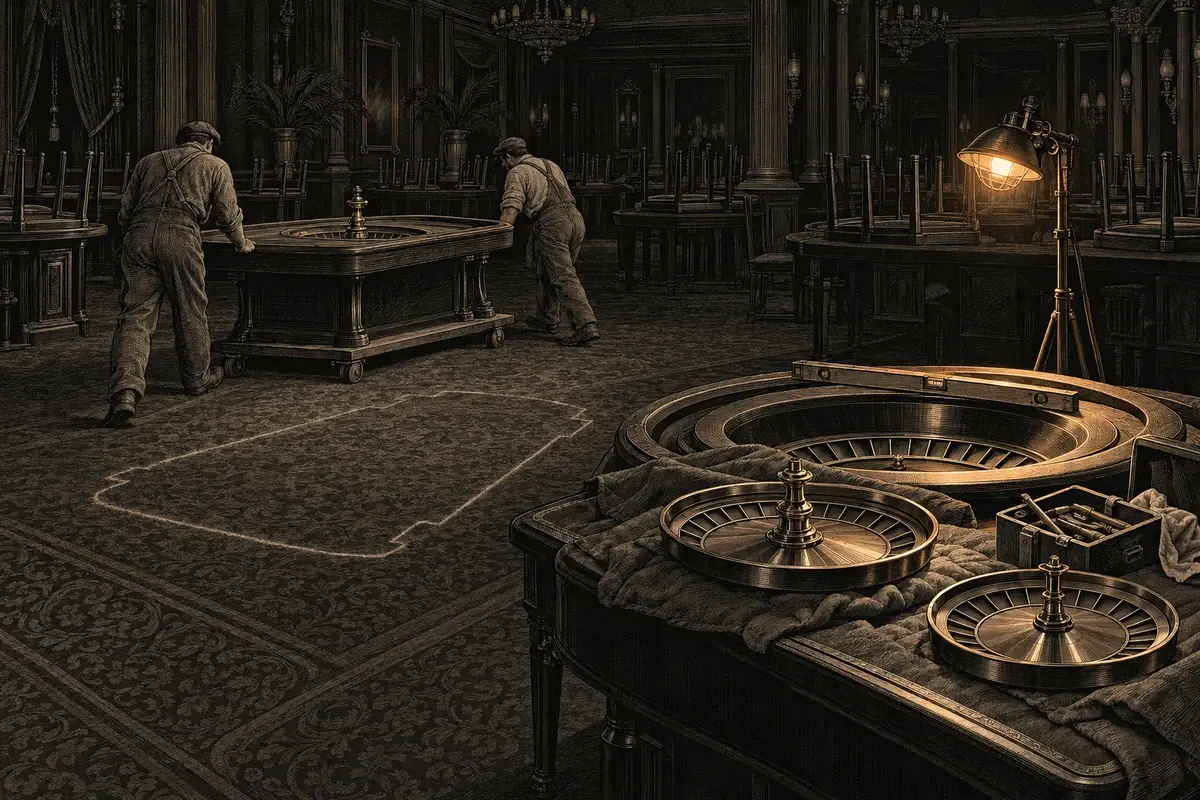
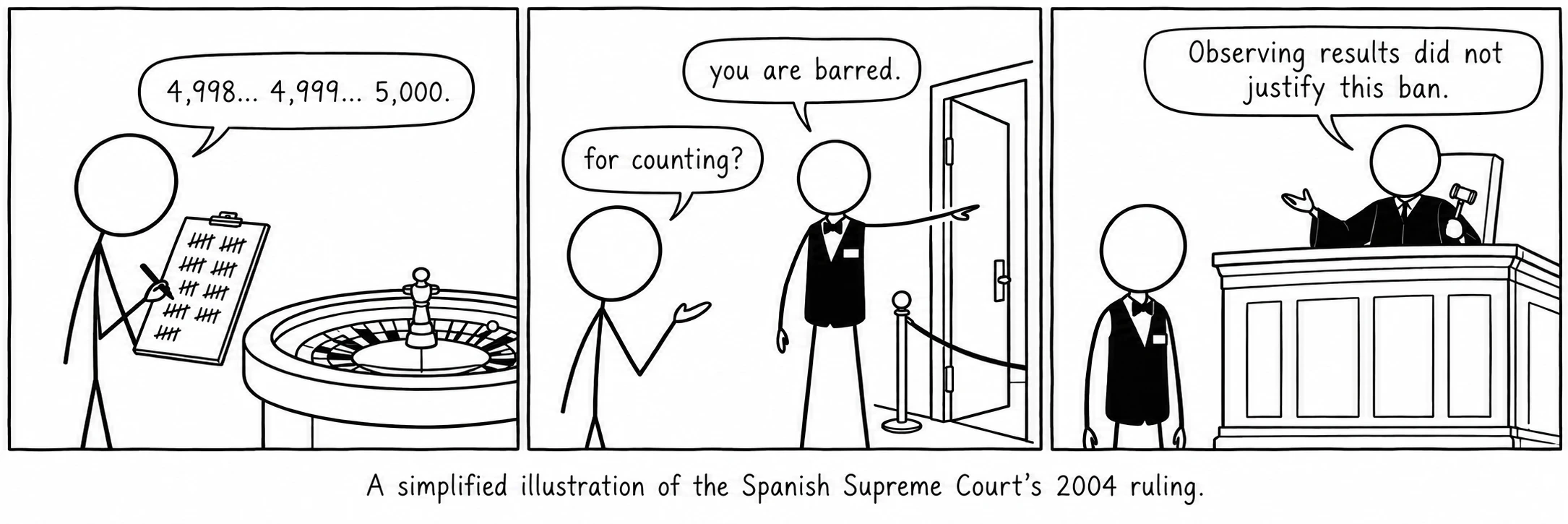
In its judgment of 11 June 2004, the Supreme Court rejected Casino Gran Madrid’s appeal. It found that the players had observed results and used computing techniques without manipulating the wheel, placing late bets or interfering with the ballꯈꯨꯠꯂꯥꯏꯕꯣꯜꯔꯣꯇꯔꯒꯤ ꯃꯥꯌꯣꯛꯇ ꯇ꯭ꯔꯦꯛꯇ ꯊꯥꯗꯣꯛꯄ ꯑꯄꯤꯛꯄ ꯕꯣꯜ꯫ ꯍꯧꯖꯤꯛꯀꯤ ꯕꯣꯜꯁꯤꯡ ꯑꯥꯏꯚꯣꯔꯤꯟ ꯅꯠꯔꯒ ꯇꯦꯐ꯭ꯂꯣꯅꯅ ꯁꯦꯝꯃꯤ, 18–21 mm꯫ꯃꯄꯨꯡ ꯄꯥꯕꯤꯌꯨ →. That conduct did not justify this ban under the casino regulation at issue.
The judgment identified equipment changes as a lawful response. It did not create a worldwide right to play or establish a current rule for every casino. Read the decision as a ruling on this dispute, not general permission to use any prediction technique.
ꯔꯨꯂꯦꯠꯀꯤ ꯃꯇꯨꯡꯗ
ꯃꯍꯥꯛꯅ ꯌꯨꯅꯥꯏꯇꯦꯗ ꯁ꯭ꯇꯦꯠꯁꯇ ꯄꯣꯀꯔ ꯇꯃꯈꯤ ꯑꯃꯁꯨꯡ 1996ꯗ ꯃꯥꯗ꯭ꯔꯤꯗꯇ ꯇꯦꯛꯁꯥꯁ ꯍꯣꯜꯗꯦꯝ ꯀ꯭ꯂꯕ ꯑꯃꯥ ꯍꯥꯡꯗꯣꯀꯈꯤ; 2001ꯗ ꯑꯦꯜ ꯃꯨꯟꯗꯣ (El Mundo)ꯅ ꯔꯤꯄꯣꯔꯠ ꯇꯧꯈꯤ ꯃꯗꯨꯗꯤ ꯆꯍꯤ ꯑꯗꯨꯒꯤ ꯃꯥꯂꯦꯃꯒꯤ ꯆꯦꯝꯄꯤꯌꯟ ꯀꯥꯔꯂꯣꯁ ꯃꯣꯔꯇꯦꯟꯁꯦꯅꯅ ꯁꯥꯟꯅꯕ ꯑꯗꯨ ꯃꯐꯝ ꯑꯗꯨꯗ ꯇꯃꯈꯤ꯫ 2004 ꯐꯥꯑꯣꯕꯗ ꯃꯍꯥꯛ ꯑꯣꯟꯂꯥꯏꯟ ꯄꯣꯀꯔꯗꯒꯤ ꯍꯤꯡꯂꯝꯃꯤ, ꯑꯃꯁꯨꯡ ꯃꯇꯨꯡꯗ ꯁ꯭ꯄꯣꯔꯠꯁ ꯕꯦꯇꯤꯡꯗ ꯂꯥꯀꯈꯤ꯫ ꯏꯚꯥꯅꯒꯥ ꯂꯣꯌꯅꯅ ꯃꯍꯥꯛꯅ La fabulosa historia de los Pelayos (2003) ꯏꯈꯤ꯫ ꯍꯤꯁ꯭ꯇ꯭ꯔꯤ ꯆꯦꯅꯦꯜꯅ ꯃꯁꯤꯒꯤ ꯁꯤꯔꯤꯖ Breaking Vegasꯇ ꯋꯥꯔꯤ ꯑꯁꯤ ꯇꯥꯀꯈꯤ, ꯑꯃꯁꯨꯡ ꯑꯦꯗꯨꯌꯥꯔꯗ ꯀꯣꯔꯇꯦꯁꯅ The Pelayos (2012) ꯑꯣꯏꯅ ꯐꯤꯜꯝ ꯁꯦꯃꯈꯤ꯫ ꯆꯍꯤ ꯑꯗꯨꯃꯛꯇꯗ ꯃꯍꯥꯛ ꯐꯤꯜꯝ ꯗꯥꯏꯔꯦꯛꯇ ꯇꯧꯕꯗ ꯍꯜꯂꯀꯈꯤ꯫
ꯁꯣꯏꯗꯅꯥ ꯈꯉꯗꯕ
ꯄꯦꯂꯥꯌꯣꯁꯤꯡꯒꯤ ꯃꯇꯥꯡꯗ ꯌꯥꯝꯅꯥ ꯍꯥꯌꯔꯤꯕ ꯋꯥꯐꯝ ꯑꯍꯨꯃꯒꯤ ꯏꯃꯨꯡ ꯑꯁꯤꯗꯒꯤ ꯍꯦꯟꯕ ꯍꯧꯔꯛꯐꯝ ꯂꯩꯇꯦ, ꯅꯠꯔꯒꯥ ꯀꯔꯤꯒꯨꯝꯕ ꯑꯃꯠꯇ ꯂꯩꯇꯦ꯫ ꯏꯉ꯭ꯂꯤꯁ ꯁꯦꯝꯕ ꯃꯤ ꯑꯃꯅ ꯃꯈꯣꯌꯒꯤ ꯃꯥꯌꯣꯛꯇ ꯑꯈꯟꯅꯕ ꯆꯛꯔ ꯑꯃꯥ, “ꯑꯦꯟꯇꯤ-ꯄꯦꯂꯥꯌꯣ ꯔꯨꯂꯦꯠ” ꯑꯃꯥ ꯁꯦꯃꯈꯤ ꯍꯥꯌꯅ ꯃꯍꯥꯛꯅ ꯍꯥꯌꯔꯤ; ꯁꯦꯝꯕ ꯃꯤ ꯅꯠꯔꯒꯥ ꯀꯦꯁꯤꯅꯣ ꯑꯃꯠꯇꯅ ꯃꯁꯤ ꯁꯣꯏꯗꯅꯥ ꯍꯥꯌꯈꯤꯗꯦ꯫ ꯏꯃꯨꯡ ꯑꯁꯤ ꯈꯛꯇꯒꯤ ꯃꯔꯝꯅ ꯌꯨꯔꯣꯄꯀꯤ ꯀꯦꯁꯤꯅꯣꯁꯤꯡꯅ ꯃꯈꯣꯌꯒꯤ ꯃꯦꯟꯇꯦꯅꯦꯟꯁ ꯍꯣꯡꯗꯣꯀꯈꯤ ꯍꯥꯌꯕ ꯀꯔꯤꯒꯨꯝꯕ ꯑꯃꯠꯇꯅ ꯎꯠꯇꯦ꯫ ꯑꯃꯁꯨꯡ ꯂꯥꯏꯔꯤꯛ ꯑꯗꯨꯗ ꯂꯩꯕ ꯉꯝꯈꯩꯁꯤꯡꯒꯤ ꯇꯦꯕꯜꯁꯤꯡ ꯑꯗꯨ ꯂꯃꯥꯏ ꯑꯁꯤꯒꯤꯗꯃꯛ ꯌꯦꯡꯁꯤꯟꯕ ꯉꯃꯈꯤꯗꯦ, ꯃꯔꯝ ꯑꯗꯨꯅ ꯃꯐꯝ ꯑꯁꯤꯗ ꯃꯈꯣꯌꯕꯨ ꯔꯤꯚꯤꯌꯨ ꯏꯔꯤꯕ ꯑꯃꯅ ꯐꯣꯡꯗꯣꯀꯈꯤꯕꯒꯨꯝꯅꯈꯛ ꯐꯣꯡꯗꯣꯛꯂꯤ꯫
ꯋꯥꯍꯪꯁꯤꯡ
ꯇꯧꯈꯤꯗꯦ꯫ ꯀꯦꯁꯤꯅꯣꯅ ꯃꯈꯣꯌꯕꯨ ꯊꯤꯡꯈꯤ, ꯁꯔꯀꯥꯔꯅ ꯊꯤꯡꯕ ꯑꯗꯨ ꯂꯧꯊꯣꯀꯈꯤ, ꯑꯃꯁꯨꯡ ꯀꯦꯁꯤꯅꯣꯅ ꯁꯔꯀꯥꯔꯕꯨ ꯀꯣꯔꯇꯇ ꯄꯨꯈꯤ꯫ ꯃꯁꯤ 2000ꯗ ꯃꯥꯏꯊꯤꯈꯤ ꯑꯃꯁꯨꯡ 2004ꯗ ꯁꯨꯞꯔꯤꯝ ꯀꯣꯔꯇꯇ ꯑꯃꯨꯛ ꯍꯟꯅꯥ ꯃꯥꯏꯊꯤꯈꯤ꯫
ꯆꯛꯔ ꯑꯃꯥ ꯌꯦꯡꯁꯤꯟꯗꯨꯅ ꯃꯁꯤꯅ ꯎꯠꯂꯤꯕꯗ ꯕꯦꯠ ꯊꯝꯕ ꯑꯁꯤ ꯁ꯭ꯄꯦꯅꯒꯤ ꯀꯦꯁꯤꯅꯣ ꯔꯦꯒꯨꯂꯦꯁꯅꯒꯤ ꯃꯈꯥꯗ ꯑꯔꯥꯟꯕ ꯊꯕꯛ ꯅꯠꯇꯦ, ꯃꯔꯝ ꯑꯗꯨꯅ ꯊꯤꯡꯕ ꯑꯁꯤ ꯆꯨꯝꯗꯦ ꯍꯥꯌꯅ ꯋꯥꯌꯦꯜ ꯄꯤꯈꯤ꯫ ꯑꯇꯣꯞꯄ ꯂꯩꯕꯥꯀꯁꯤꯡꯒꯤꯗꯃꯛ ꯀꯔꯤꯒꯨꯝꯕ ꯑꯃꯠꯇ ꯂꯧꯁꯤꯟꯈꯤꯗꯦ꯫
2004ꯗ ꯃꯍꯥꯛꯅ ꯍꯥꯌꯈꯤ ꯃꯗꯨꯗꯤ ꯃꯇꯝ ꯑꯗꯨꯗ ꯃꯁꯤꯅ 2.7% ꯄꯤꯔꯝꯃꯤ, ꯃꯃꯥꯡꯗꯗꯤ 6% ꯐꯥꯑꯣꯕ ꯌꯧꯈꯤ, ꯑꯃꯁꯨꯡ ꯃꯥꯗ꯭ꯔꯤꯗꯇ ꯃꯁꯤ ꯍꯣꯠꯅꯈꯤꯕ ꯃꯍꯥꯛꯅ ꯈꯉꯕ ꯃꯤꯁꯤꯡꯅ ꯐꯠꯇꯅꯥ ꯇꯧꯈꯤ ꯑꯃꯁꯨꯡ ꯃꯥꯡꯈꯤ꯫
ꯅꯣꯛꯅꯕꯒꯤ ꯀꯃꯤꯛ
ꯀꯦꯁꯤꯅꯣꯗ ꯀꯣꯔꯇꯀꯤ ꯄꯥꯎꯇꯥꯛ: ꯆꯛꯔ ꯑꯗꯨ ꯁꯦꯃꯗꯣꯛꯄꯤꯌꯨ, ꯃꯤꯔꯣꯅꯒꯤ ꯂꯤꯁ꯭ꯠ ꯅꯠꯇꯦ꯫
ꯍꯧꯔꯛꯐꯃꯁꯤꯡ
- Tribunal Supremo, Sala de lo Contencioso-Administrativo.
- Hernández, J. A. “El clan de los Pelayo gana la apuesta.”
- Sampedro, J. “Los ‘tecnotahúres’ vuelven al casino.”
- Cadena SER. “Los Pelayo ya pueden entrar en el Casino de Madrid.”
- Mazo, V. “Pelayos contra el Ibex 35.”
- Semana. “El terror de la ruleta.”
- Solomita, M. “La increíble historia de Gonzalo García-Pelayo, el hombre que venció a la ruleta.”
- Wille, G. “Hicimos saltar la banca.”
- Ibáñez, Á. “La Fabulosa Historia de Los Pelayos.”
- Mazarrasa, L. ꯁ꯭ꯄꯦꯅꯗ ꯄꯣꯀꯔꯒꯤ ꯃꯇꯥꯡꯗ ꯐꯤꯆꯔ꯫
- García-Pelayo, G. “Análisis de una ruleta.”
- Supreme Court, ꯑꯄꯤꯜ 4288/2000, 2004ꯒꯤ ꯖꯨꯟ 11 — Iberley ꯅ ꯑꯃꯨꯛ ꯍꯟꯅꯥ ꯐꯣꯡꯗꯣꯀꯈꯤꯕ ꯋꯥꯌꯦꯜ
- García-Pelayo, 2024ꯒꯤ La Nación ꯏꯟꯇꯔꯚꯤꯌꯨ, ꯃꯍꯥꯛꯀꯤ ꯋꯦꯕꯁꯥꯏꯇꯇ ꯑꯃꯨꯛ ꯍꯟꯅꯥ ꯐꯣꯡꯗꯣꯀꯈꯤ
- Conociendo Directores 59: Gonzalo García Pelayo. ꯃꯍꯥꯛꯀꯤ ꯋꯦꯕꯁꯥꯏꯇꯇ ꯑꯃꯨꯛ ꯍꯟꯅꯥ ꯐꯣꯡꯗꯣꯀꯈꯤꯕ ꯄꯨꯟꯁꯤꯒꯤ ꯋꯥꯔꯤ꯫
- Mazo, V. Pelayos contra el Ibex 35. Cinco Días, 1 July 2004.
- Fundación Formentor. Gonzalo García Pelayo, ꯌꯥꯎꯔꯤꯕꯒꯤ ꯄꯨꯟꯁꯤꯒꯤ ꯋꯥꯔꯤ, 2022꯫