ꯔꯨꯂꯦꯠ ꯇꯦꯕꯜꯒꯤ ꯉꯝꯈꯩꯁꯤꯡ
Roulette table limitsꯇꯦꯕꯜꯇꯦꯕꯜꯒꯤ ꯉꯝꯈꯩꯌꯥꯍꯜꯂꯤꯕ ꯈ꯭ꯕꯥꯏꯗꯒꯤ ꯅꯦꯝꯕ ꯑꯃꯁꯨꯡ ꯈ꯭ꯕꯥꯏꯗꯒꯤ ꯋꯥꯡꯕ ꯕꯦꯠ꯫ ꯈ꯭ꯕꯥꯏꯗꯒꯤ ꯋꯥꯡꯕ ꯉꯝꯈꯩ ꯑꯗꯨꯅ ꯑꯅꯤ ꯊꯥꯛ ꯍꯦꯅꯒꯠꯍꯟꯕ ꯄ꯭ꯔꯣꯒ꯭ꯔꯦꯁꯅꯁꯤꯡ ꯊꯤꯡꯏ꯫ꯃꯄꯨꯡ ꯄꯥꯕꯤꯌꯨ →: how to read minimum stakes, maximum bets and payout caps.
ꯇꯦꯕꯜ ꯈꯨꯗꯤꯡꯃꯛꯅ ꯈ꯭ꯕꯥꯏꯗꯒꯤ ꯅꯦꯝꯕ ꯑꯃꯁꯨꯡ ꯈ꯭ꯕꯥꯏꯗꯒꯤ ꯋꯥꯡꯕ ꯉꯝꯈꯩ ꯊꯝꯃꯤ꯫ ꯈ꯭ꯕꯥꯏꯗꯒꯤ ꯅꯦꯝꯕ ꯉꯝꯈꯩ ꯑꯁꯤ ꯃꯄꯥꯟꯒꯤ ꯕꯦꯠ ꯈꯨꯗꯤꯡꯗ ꯑꯃꯁꯨꯡ ꯃꯅꯨꯡꯒꯤ ꯆꯤꯞꯁꯤꯡꯒꯤ ꯄꯨꯝꯂꯣꯟꯗ ꯁꯤꯖꯤꯟꯅꯩ; ꯈ꯭ꯕꯥꯏꯗꯒꯤ ꯋꯥꯡꯕ ꯉꯝꯈꯩ ꯑꯁꯤ ꯃꯍꯧꯁꯥꯅ ꯕꯦꯠꯀꯤ ꯃꯈꯜ ꯃꯈꯜꯒꯤ ꯈꯦꯠꯅꯩ꯫ ꯉꯝꯈꯩꯁꯤꯡꯅ ꯁ꯭ꯄꯤꯟ ꯈꯨꯗꯤꯡꯒꯤ ꯀꯦꯁꯤꯅꯣꯒꯤ ꯈꯨꯗꯣꯡꯊꯤꯕ ꯊꯤꯡꯏ; ꯗꯕꯜ ꯇꯧꯕ ꯁꯤꯁ꯭ꯇꯦꯝꯁꯤꯡ ꯃꯥꯏꯊꯤꯍꯅꯕ ꯑꯁꯤ ꯃꯗꯨꯒꯤ ꯃꯄꯥꯟꯒꯤ ꯃꯍꯩꯅꯤ꯫
ꯁꯥꯏꯟ ꯄꯥꯕ
A sign reads, for example: “Minimum $5. Inside $5 total. Maximum $500 outside, $100 straight upꯕꯦꯠꯁ꯭ꯇ꯭ꯔꯦꯠ-ꯑꯞꯃꯁꯤꯡ ꯑꯃꯈꯛꯇ, 35:1 ꯄꯦꯑꯥꯎꯠ꯫ꯃꯄꯨꯡ ꯄꯥꯕꯤꯌꯨ →.” Under those example terms, each outside betꯕꯦꯠꯃꯄꯥꯟꯒꯤ ꯕꯦꯠꯒ꯭ꯔꯤꯗꯀꯤ ꯃꯄꯥꯟꯗ ꯂꯩꯕ ꯕꯀꯁꯁꯤꯡꯗ ꯊꯝꯕ ꯕꯦꯠ: ꯗꯖꯟꯁꯤꯡ, ꯀꯂꯝꯁꯤꯡ ꯑꯃꯁꯨꯡ ꯆꯞ ꯃꯥꯟꯅꯕ ꯕꯦꯠꯁꯤꯡ꯫ꯃꯄꯨꯡ ꯄꯥꯕꯤꯌꯨ → must meet $5 and inside chipsꯁꯦꯜꯆꯤꯞꯂꯦꯞꯂꯕ ꯁꯦꯜꯒꯤ ꯃꯃꯜ ꯇꯥꯛꯄ ꯇꯣꯀꯟ, ꯕꯦꯠ ꯊꯝꯅꯕ ꯂꯦꯑꯥꯎꯠꯇ ꯊꯝꯃꯤ꯫ ꯑꯇꯣꯞꯄ ꯃꯃꯤꯡ: ꯆꯦꯛ꯫ꯃꯄꯨꯡ ꯄꯥꯕꯤꯌꯨ → must total at least $5. Other tables can use different rules. A $500 straight-up bet would win $17,500, which helps explain why stake limits can differ by payoutꯁꯦꯜꯄꯦꯑꯥꯎꯠꯃꯥꯏꯄꯥꯛꯄ ꯕꯦꯠ ꯑꯃꯅ ꯍꯜꯂꯛꯄ ꯁꯦꯜ, ꯍꯜꯂꯀꯄ ꯊꯝꯂꯕ ꯁꯦꯜꯒꯤ ꯃꯊꯛꯇ “X ꯗꯒꯤ 1” ꯍꯥꯌꯅ ꯍꯥꯌꯏ꯫ꯃꯄꯨꯡ ꯄꯥꯕꯤꯌꯨ →; a stake limit and an overall payout cap are separate restrictions.
ꯉꯝꯈꯩꯁꯤꯡ ꯀꯔꯤꯒꯤ ꯂꯩꯕꯒꯦ
On standard single-zeroꯆꯛꯔꯖꯤꯔꯣꯆꯞ ꯃꯥꯟꯅꯕ, ꯗꯖꯟ ꯅꯠꯔꯒ ꯀꯂꯝ ꯕꯦꯠ ꯑꯃꯠꯇꯅ ꯀꯨꯞꯇꯕ ꯑꯁꯪꯕ ꯄꯣꯀꯦꯠ ꯑꯃꯈꯛꯇ; ꯍꯥꯎꯁ ꯑꯦꯖꯀꯤ ꯍꯧꯔꯀꯐꯝꯅꯤ꯫ ꯑꯇꯣꯞꯄ ꯃꯃꯤꯡ: ꯁꯤꯡꯒꯜ ꯖꯤꯔꯣ, 0꯫ꯃꯄꯨꯡ ꯄꯥꯕꯤꯌꯨ → bets, the casino’s expected return is 1/37 of the amount wagered. Actual profit is not guaranteed over any finite session. Maximum stakes and payout caps limit the amount exposed to one result. That is a mathematical effect of limits, not a complete explanation of how an operator sets them.
ꯉꯝꯈꯩꯁꯤꯡ ꯑꯃꯁꯨꯡ ꯁꯤꯁ꯭ꯇꯦꯝꯁꯤꯡ
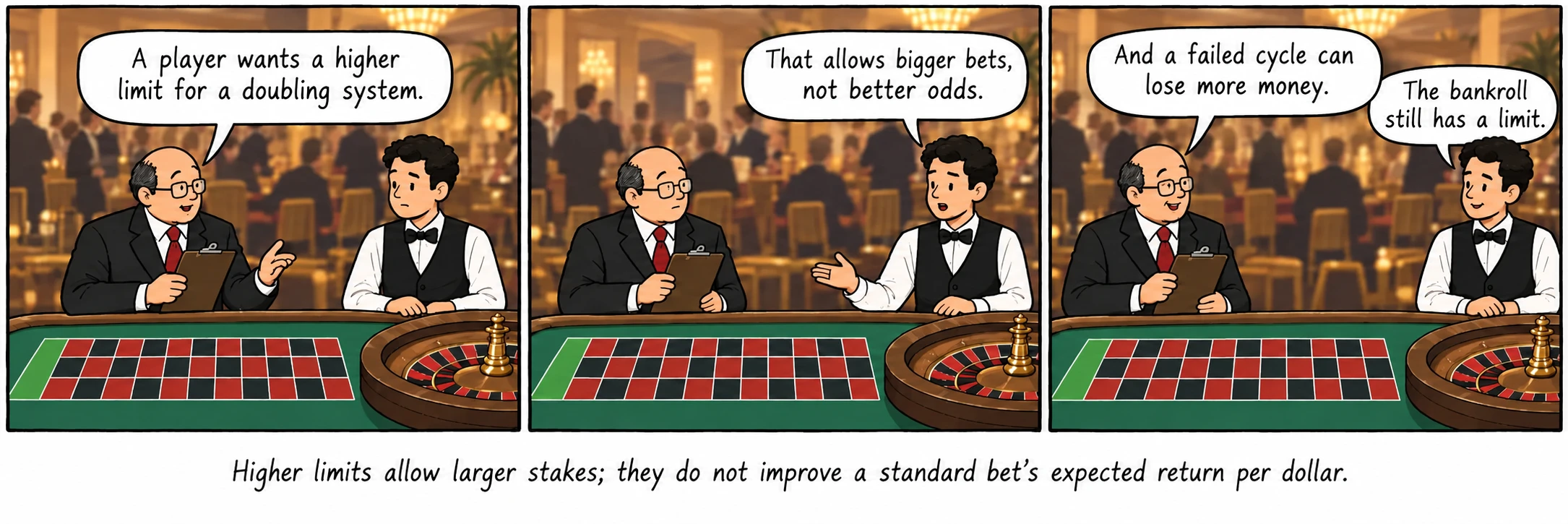
A doubling progressionꯊꯧꯔꯥꯡꯄ꯭ꯔꯣꯒ꯭ꯔꯦꯁꯟꯃꯃꯥꯡꯒꯤ ꯃꯍꯩꯁꯤꯡꯒꯤ ꯃꯈꯥꯗ ꯊꯝꯂꯕ ꯁꯦꯜ ꯍꯣꯡꯍꯟꯕ ꯅꯤꯌꯝ ꯀꯔꯤꯒꯨꯝꯕ꯫ ꯅꯦꯒꯦꯇꯤꯕ ꯄ꯭ꯔꯣꯒ꯭ꯔꯦꯁꯅꯁꯤꯡꯅ ꯃꯥꯏꯊꯤꯔꯕꯥ ꯃꯇꯨꯡꯗ ꯍꯦꯅꯒꯠꯍꯜꯂꯤ, ꯄꯣꯖꯤꯇꯤꯕꯁꯤꯡꯅ ꯃꯥꯏꯄꯥꯛꯂꯕꯥ ꯃꯇꯨꯡꯗ꯫ꯃꯄꯨꯡ ꯄꯥꯕꯤꯌꯨ → meets the maximum after a handful of losses: six from $10 at $500, nine at $5,000. Players often conclude that the limit is what stops Martingaleꯊꯧꯔꯥꯡꯃꯥꯔꯇꯤꯟꯒꯦꯜꯃꯥꯏꯊꯤꯕ ꯈꯨꯗꯤꯡꯒꯤ ꯃꯇꯨꯡꯗ ꯕꯦꯠ ꯑꯗꯨ ꯑꯅꯤ ꯊꯥꯛ ꯍꯦꯅꯒꯠꯍꯟꯕ ꯄ꯭ꯔꯣꯒ꯭ꯔꯦꯁꯟ꯫ ꯃꯁꯤꯅ ꯀꯔꯤ ꯇꯧꯕꯒꯦ ꯑꯃꯁꯨꯡ ꯀꯔꯤ ꯇꯧꯗꯕꯒꯦ ꯍꯥꯌꯕ ꯊꯧꯔꯥꯡꯒꯤ ꯁꯦꯛꯁꯅꯗ ꯌꯦꯡꯕꯤꯌꯨ꯫ꯃꯄꯨꯡ ꯄꯥꯕꯤꯌꯨ → working. It is not; the arithmetic is. The maximum changes which stakes can be placed and how much can be lost in a failed cycle. It does not improve the expected return of each standard bet. Different limits can change total turnoverꯁꯦꯜꯇꯔꯅꯑꯣꯚꯔꯁꯦꯁꯟ ꯅꯠꯔꯒ ꯃꯇꯝ ꯑꯃꯒꯤ ꯃꯅꯨꯡꯗ ꯕꯦꯠ ꯊꯝꯂꯕ ꯁꯦꯜ ꯄꯨꯝꯅꯃꯛ, ꯑꯃꯨꯛ ꯍꯟꯅꯥ ꯊꯝꯂꯕ ꯃꯥꯏꯄꯥꯛꯇꯨꯅ ꯐꯪꯂꯕ ꯁꯦꯜꯁꯨ ꯌꯥꯎꯅ꯫ ꯑꯇꯣꯞꯄ ꯃꯃꯤꯡ: ꯍꯦꯟꯗꯜ, ꯑꯦꯛꯁꯟ꯫ꯃꯄꯨꯡ ꯄꯥꯕꯤꯌꯨ → and expected session loss.
ꯃꯅꯨꯡꯒꯤ ꯄꯨꯝꯂꯣꯟ
If the posted inside minimum is a combined $5, five $1 chips on separate numbers meet it. A separate $5 outside minimum would still exclude a $1 redꯕꯦꯠꯑꯉꯥꯡꯕꯑꯉꯥꯡꯕ ꯃꯁꯤꯡ 18 ꯗ ꯊꯝꯕ ꯆꯞ ꯃꯥꯟꯅꯕ ꯕꯦꯠ꯫ ꯐ꯭ꯔꯦꯟꯆ: ꯔꯨꯖ꯫ꯃꯄꯨꯡ ꯄꯥꯕꯤꯌꯨ → bet. Do not assume this convention applies everywhere. Confirm the rules before placing chips, and check any rejected-bet message online.
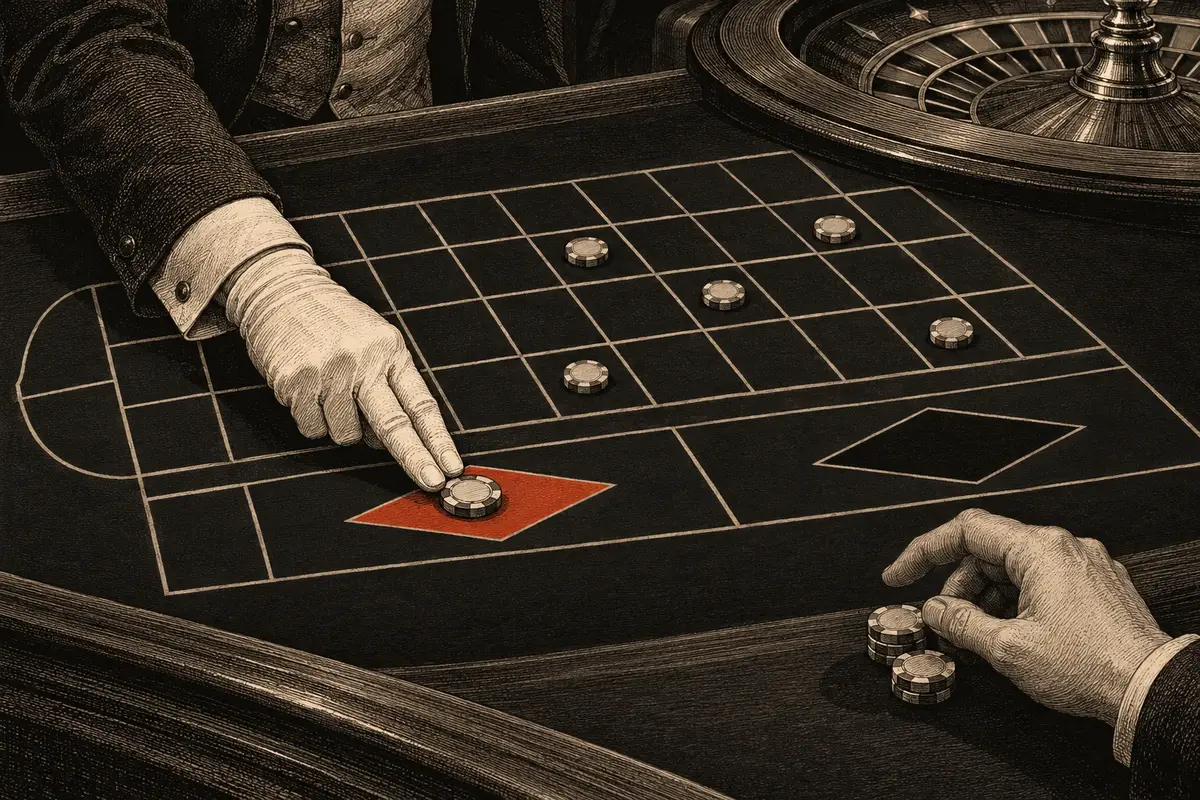
ꯉꯝꯈꯩꯒꯤ ꯃꯇꯨꯡ ꯏꯟꯅ ꯇꯦꯕꯜ ꯈꯅꯕ
ꯈ꯭ꯕꯥꯏꯗꯒꯤ ꯅꯦꯝꯕ ꯉꯝꯈꯩꯅ ꯅꯍꯥꯛꯀꯤ ꯊꯨꯅꯕ ꯂꯦꯞꯄꯤ: ꯈ꯭ꯕꯥꯏꯗꯒꯤ ꯅꯦꯝꯕ ꯉꯝꯈꯩ ꯑꯁꯤ ꯅꯍꯥꯛꯀꯤ ꯁꯦꯁꯟꯒꯤ ꯕꯖꯦꯠꯀꯤ 1–2% ꯑꯣꯏꯕ ꯇꯦꯕꯜ ꯑꯃꯅ ꯅꯨꯃꯤꯗꯥꯡ ꯁꯥꯡꯕ ꯑꯃꯥ ꯄꯤꯔꯤ꯫ ꯈ꯭ꯕꯥꯏꯗꯒꯤ ꯋꯥꯡꯕ ꯉꯝꯈꯩ ꯑꯁꯤ ꯄ꯭ꯔꯣꯒ꯭ꯔꯦꯁꯟ ꯁꯥꯟꯅꯔꯤꯕꯁꯤꯡ ꯑꯃꯁꯨꯡ ꯁꯦꯜ ꯌꯥꯝꯅ ꯊꯝꯕꯁꯤꯡꯒꯤꯗꯃꯛ ꯈꯛꯇ ꯃꯔꯨꯑꯣꯏ꯫ $25ꯒꯤ ꯈ꯭ꯕꯥꯏꯗꯒꯤ ꯅꯦꯝꯕ ꯉꯝꯈꯩ ꯑꯃꯅ ꯅꯍꯥꯛꯅ ꯊꯧꯔꯥꯡ ꯇꯧꯈꯤꯕꯗꯒꯤ ꯍꯦꯟꯅꯥ ꯊꯝꯍꯅꯕ ꯇꯥꯔꯕꯗꯤ, ꯑꯣꯗꯁ ꯍꯦꯟꯅꯥ ꯐꯠꯇꯕ (ꯗꯕꯜ ꯖꯤꯔꯣꯃꯈꯜꯗꯕꯜ ꯖꯤꯔꯣꯑꯃꯦꯔꯤꯀꯟ ꯆꯛꯔꯒꯤ 00 ꯄꯣꯀꯦꯠ꯫ ꯃꯁꯤ ꯂꯩꯕꯅ ꯍꯥꯎꯁ ꯑꯦꯖ 2.70% ꯗꯒꯤ 5.26% ꯐꯥꯑꯣꯕ ꯍꯦꯅꯒꯠꯍꯜꯂꯤ꯫ꯃꯄꯨꯡ ꯄꯥꯕꯤꯌꯨ →) $5ꯒꯤ ꯉꯝꯈꯩ ꯅꯦꯝꯕ ꯔꯨꯂꯦꯠ ꯇꯦꯕꯜ ꯑꯃꯅ ꯍꯧꯖꯤꯀꯁꯨ ꯁ꯭ꯄꯤꯟ ꯈꯨꯗꯤꯡꯗ ꯍꯦꯟꯅꯥ ꯌꯥꯝꯗꯕ ꯑꯣꯏꯕ ꯌꯥꯏ: $5 × 5.26% = $0.26, $25 × 2.70% = $0.68ꯒꯥ ꯆꯥꯡꯗꯝꯅꯕꯗ꯫ ꯁꯥꯏꯟ ꯅꯠꯇꯅ, ꯊꯝꯂꯕ ꯁꯦꯜ × ꯑꯦꯖ ꯆꯥꯡꯗꯝꯅꯕꯤꯌꯨ꯫
ꯋꯥꯍꯪꯁꯤꯡ
ꯃꯗꯨꯒꯤꯗꯃꯛ ꯉꯝꯈꯩ ꯋꯥꯡꯕ ꯀꯣꯊꯥꯡꯁꯤꯡ ꯂꯩ꯫ ꯃꯍꯧꯁꯥꯒꯤ ꯇꯦꯕꯜ ꯑꯃꯗꯗꯤ ꯌꯥꯗꯦ꯫
Where it is lower, the 35:1 payout creates more potential exposure per dollar than an even-money betꯕꯦꯠꯆꯞ ꯃꯥꯟꯅꯕ ꯕꯦꯠꯑꯉꯥꯡꯕ/ꯑꯃꯨꯕ, ꯕꯤꯖꯣꯔ/ꯖꯣꯔ, ꯑꯋꯥꯡꯕ/ꯑꯅꯦꯝꯕ꯫ ꯃꯁꯤꯡ 18, 1:1 ꯄꯦꯑꯥꯎꯠ꯫ꯃꯄꯨꯡ ꯄꯥꯕꯤꯌꯨ →. Check whether the rules limit each stake, combined bets, total payout, or several of these.
ꯂꯩ, RNG ꯇꯦꯕꯜꯁꯤꯡꯗ ꯃꯍꯧꯁꯥꯅ ꯕꯦꯠ ꯈꯨꯗꯤꯡꯗ $0.10ꯗꯒꯤ $1, ꯂꯥꯏꯕꯇ ꯍꯦꯟꯅꯥ ꯋꯥꯡꯏ꯫
ꯅꯣꯛꯅꯕꯒꯤ ꯀꯃꯤꯛ
ꯁꯥꯏꯟꯅ ꯀꯦꯁꯤꯅꯣꯒꯤ ꯚꯦꯌꯔꯤꯌꯦꯟꯁ ꯊꯤꯡꯏ꯫ ꯂꯝꯕꯤꯒꯤ ꯈꯣꯡꯖꯦꯜꯗꯤ ꯀꯔꯤꯒꯨꯝꯕ ꯑꯣꯏꯔꯕꯁꯨ 2.7%ꯅꯤ꯫
ꯍꯧꯔꯛꯐꯃꯁꯤꯡ
- Ethier, S. N. The Doctrine of Chances: Probabilistic Aspects of Gambling.