ꯔꯨꯂꯦꯠ ꯇꯨꯔꯅꯥꯃꯦꯟꯇꯁꯤꯡ
ꯍꯧꯔꯀꯄꯗ ꯆꯤꯞ ꯑꯗꯨꯃꯛ, ꯍꯣꯡꯗꯕ ꯁ꯭ꯄꯤꯟꯒꯤ ꯃꯁꯤꯡ, ꯑꯃꯁꯨꯡ ꯃꯥꯡꯗ ꯂꯣꯏꯁꯤꯅꯕꯒꯤ ꯈꯨꯗꯣꯜ ꯑꯃꯥ꯫ ꯔꯨꯂꯦꯠ ꯇꯨꯔꯅꯥꯃꯦꯟꯇꯁꯤꯡꯗ ꯑꯇꯣꯞꯄ ꯁꯥꯟꯅꯔꯤꯕꯁꯤꯡꯒꯤ ꯆꯤꯞꯁꯤꯡꯁꯨ ꯃꯔꯨꯑꯣꯏ꯫
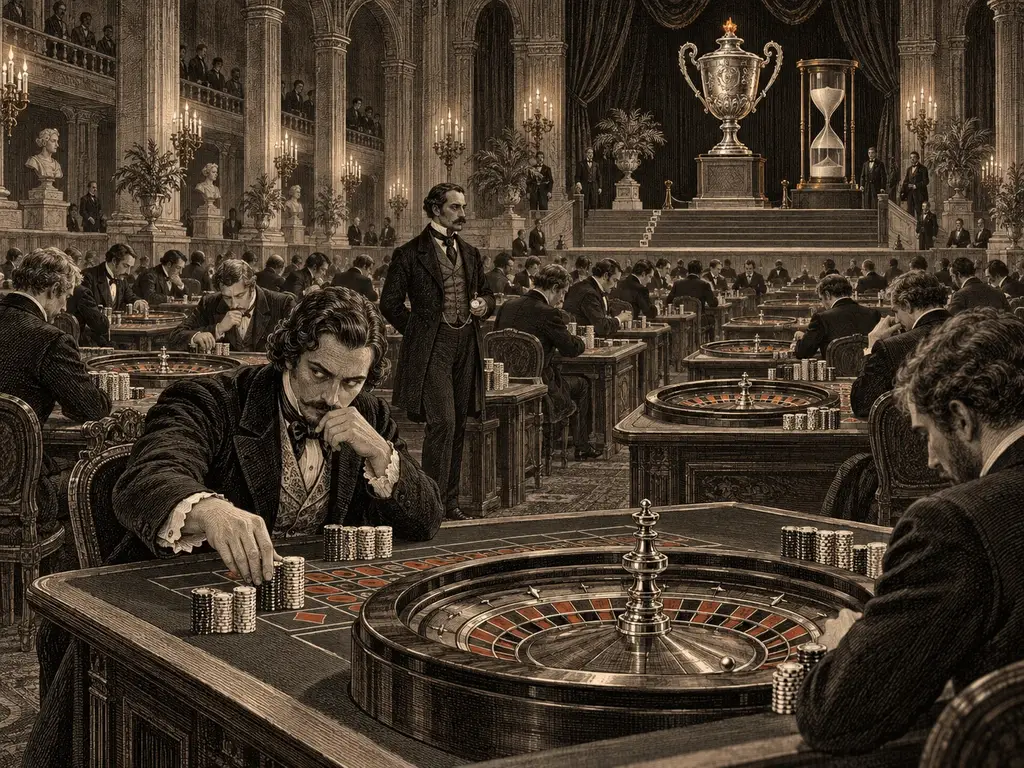
A roulette tournament can reward relative position rather than the cash value of a chip stack. Entry costs, rebuys, compulsory bets, scoring and prizes vary. A bet that can close a gap is not necessarily the best bet, and a mathematical example is not a universal strategy.
ꯔꯨꯂꯦꯠ ꯇꯨꯔꯅꯥꯃꯦꯟꯇ ꯑꯃꯅ ꯀꯔꯝꯅ ꯊꯕꯛ ꯇꯧꯕꯒꯦ?
ꯆꯪꯅꯕꯒꯤ ꯐꯤ, ꯇꯨꯔꯅꯥꯃꯦꯟꯇꯀꯤ ꯆꯤꯞꯁꯤꯡꯁꯦꯜꯆꯤꯞꯂꯦꯞꯂꯕ ꯁꯦꯜꯒꯤ ꯃꯃꯜ ꯇꯥꯛꯄ ꯇꯣꯀꯟ, ꯕꯦꯠ ꯊꯝꯅꯕ ꯂꯦꯑꯥꯎꯠꯇ ꯊꯝꯃꯤ꯫ ꯑꯇꯣꯞꯄ ꯃꯃꯤꯡ: ꯆꯦꯛ꯫ꯃꯄꯨꯡ ꯄꯥꯕꯤꯌꯨ → ꯃꯥꯟꯅꯕ ꯃꯁꯤꯡ, ꯍꯣꯡꯗꯕ ꯁ꯭ꯄꯤꯟꯒꯤ ꯃꯁꯤꯡ (ꯌꯥꯃꯗ꯭ꯔꯕ 20 ꯗꯒꯤ 50) ꯅꯠꯔꯒꯥ ꯃꯇꯃꯒꯤ ꯉꯝꯈꯩ, ꯑꯃꯁꯨꯡ ꯃꯊꯛꯇ ꯂꯣꯏꯁꯤꯟꯕꯁꯤꯡꯗ ꯄꯤꯕ ꯈꯨꯗꯣꯂꯒꯤ ꯁꯦꯜ꯫ ꯇꯨꯔꯅꯥꯃꯦꯟꯇꯀꯤ ꯆꯤꯞꯁꯤꯡꯒꯤ ꯁꯦꯜꯒꯤ ꯃꯃꯜ ꯂꯩꯇꯦ; ꯈꯨꯗꯣꯜ ꯑꯗꯨ ꯈꯛꯇꯅ ꯑꯁꯦꯡꯕ ꯁꯦꯜꯅꯤ꯫ ꯑꯣꯅꯂꯥꯏꯟ ꯔꯨꯂꯦꯠ ꯇꯨꯔꯅꯥꯃꯦꯟꯇ ꯑꯃꯥ ꯂꯤꯗꯔꯕꯣꯔꯗ ꯂꯩꯕ RNG ꯅꯠꯔꯒꯥ ꯂꯥꯏꯕ ꯇꯦꯕꯜ ꯑꯃꯗ ꯆꯠꯂꯤ; ꯀꯦꯁꯤꯅꯣ ꯐ꯭ꯂꯣꯔꯒꯤ ꯃꯈꯂꯁꯤꯡ ꯃꯇꯝ ꯃꯇꯃꯗ ꯈꯛꯇ ꯊꯣꯀꯄ ꯊꯧꯔꯃꯁꯤꯡꯅꯤ꯫
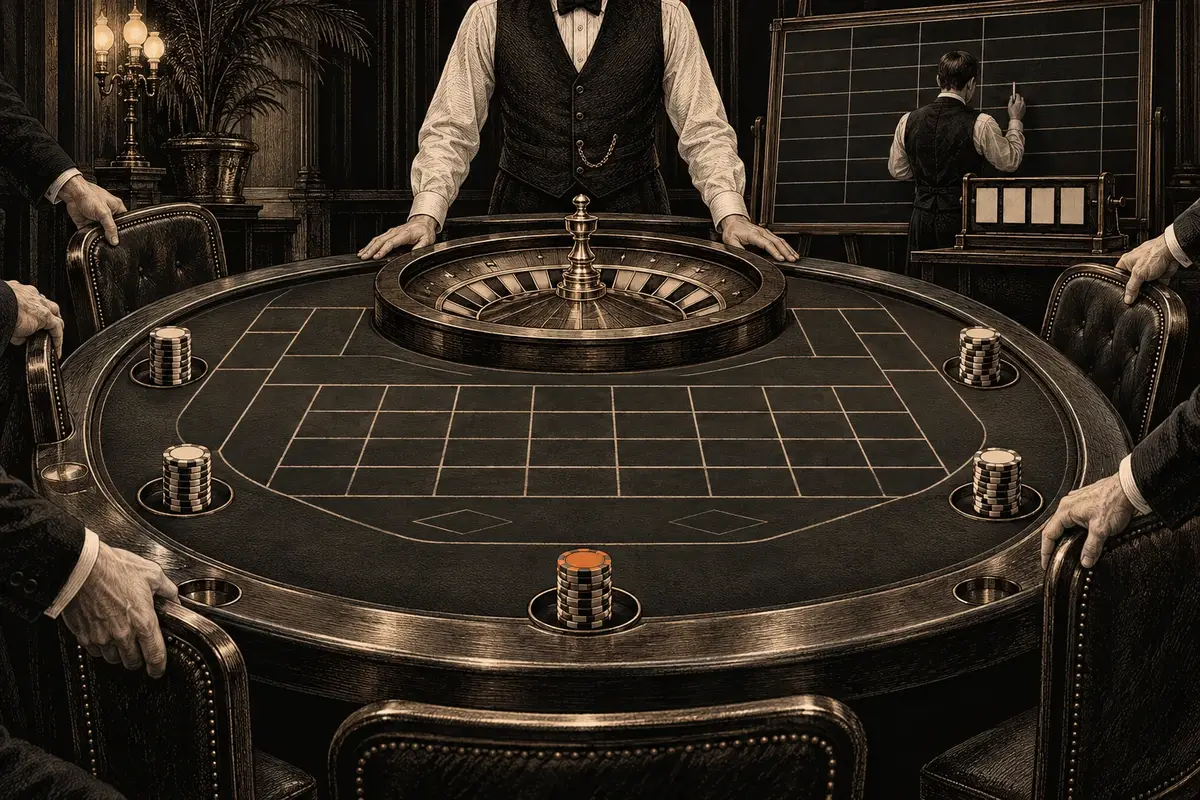
ꯃꯐꯝ ꯑꯁꯤꯗ ꯀꯔꯤꯒꯤ ꯊꯧꯔꯥꯡ ꯂꯩꯕꯒꯦ
A tournament score and a cash-game balance are different objectives. If several places pay, preserving a place can matter even when first place looks unlikely. If only first place pays, closing the gap may be more important than retaining a stack that cannot win.
The useful choice depends on the entire outcome distribution, not varianceꯃꯦꯊꯃꯦꯇꯤꯛꯁꯚꯦꯌꯔꯤꯌꯦꯟꯁꯃꯍꯩꯁꯤꯡ ꯐꯪꯒꯗꯕ ꯃꯃꯂꯒꯤ ꯑꯀꯣꯌꯕꯗ ꯀꯌꯥ ꯁꯟꯗꯣꯛꯅ ꯂꯩꯕꯒꯦ ꯍꯥꯌꯕꯒꯤ ꯆꯥꯡ꯫ ꯁ꯭ꯇ꯭ꯔꯦꯠ-ꯑꯞꯇ ꯋꯥꯡꯏ, ꯆꯞ ꯃꯥꯟꯅꯕ ꯕꯦꯠꯁꯤꯡꯗ ꯅꯦꯝꯏ꯫ꯃꯄꯨꯡ ꯄꯥꯕꯤꯌꯨ → alone. Opponents’ bets matter too: players betting on the same spin have correlated results. Matching a bet can sometimes preserve a lead, but minimums, maximums and hidden wagers may prevent it.
ꯃꯇꯨꯡ ꯏꯟꯅꯕꯒꯤ ꯃꯁꯤꯡ ꯊꯤꯕ
Consider a simplified example: you have 200 chips, a leader stays at 500, and at most three independent fair single-zeroꯆꯛꯔꯖꯤꯔꯣꯆꯞ ꯃꯥꯟꯅꯕ, ꯗꯖꯟ ꯅꯠꯔꯒ ꯀꯂꯝ ꯕꯦꯠ ꯑꯃꯠꯇꯅ ꯀꯨꯞꯇꯕ ꯑꯁꯪꯕ ꯄꯣꯀꯦꯠ ꯑꯃꯈꯛꯇ; ꯍꯥꯎꯁ ꯑꯦꯖꯀꯤ ꯍꯧꯔꯀꯐꯝꯅꯤ꯫ ꯑꯇꯣꯞꯄ ꯃꯃꯤꯡ: ꯁꯤꯡꯒꯜ ꯖꯤꯔꯣ, 0꯫ꯃꯄꯨꯡ ꯄꯥꯕꯤꯌꯨ → spins remain. Standard payoutsꯁꯦꯜꯄꯦꯑꯥꯎꯠꯃꯥꯏꯄꯥꯛꯄ ꯕꯦꯠ ꯑꯃꯅ ꯍꯜꯂꯛꯄ ꯁꯦꯜ, ꯍꯜꯂꯀꯄ ꯊꯝꯂꯕ ꯁꯦꯜꯒꯤ ꯃꯊꯛꯇ “X ꯗꯒꯤ 1” ꯍꯥꯌꯅ ꯍꯥꯌꯏ꯫ꯃꯄꯨꯡ ꯄꯥꯕꯤꯌꯨ → apply, no minimum bet forces further play, and you stop once your stack exceeds 500. A tie does not count as success. These assumptions exclude an opponent who keeps betting.
Two successful all-in even-money betsꯕꯦꯠꯆꯞ ꯃꯥꯟꯅꯕ ꯕꯦꯠꯑꯉꯥꯡꯕ/ꯑꯃꯨꯕ, ꯕꯤꯖꯣꯔ/ꯖꯣꯔ, ꯑꯋꯥꯡꯕ/ꯑꯅꯦꯝꯕ꯫ ꯃꯁꯤꯡ 18, 1:1 ꯄꯦꯑꯥꯎꯠ꯫ꯃꯄꯨꯡ ꯄꯥꯕꯤꯌꯨ → turn 200 into 400 and then 800; a loss ends that attempt. An all-in dozenꯕꯦꯠꯗꯖꯟ1–12, 13–24 ꯅꯠꯔꯒ 25–36, 2:1 ꯄꯦꯑꯥꯎꯠ꯫ꯃꯄꯨꯡ ꯄꯥꯕꯤꯌꯨ → bet reaches 600 on its first win but loses the whole stack on a miss. A 10-chip straight-up win can beat 500 even after two prior losses: 200 − 20 + 350 = 530.
For 20-chip splitsꯕꯦꯠꯁ꯭ꯞꯂꯤꯠꯌꯨꯝꯂꯣꯟꯅꯕ ꯃꯁꯤꯡ ꯑꯅꯤ, 17:1 ꯄꯦꯑꯥꯎꯠ꯫ꯃꯄꯨꯡ ꯄꯥꯕꯤꯌꯨ → and 50-chip cornersꯕꯦꯠꯀꯣꯔꯅꯔꯂꯦꯑꯥꯎꯠꯇ ꯀꯣꯟꯅꯥ ꯑꯃꯥ ꯁꯦꯌꯔ ꯇꯧꯅꯔꯤꯕ ꯃꯁꯤꯡ ꯃꯔꯤ, 8:1 ꯄꯦꯑꯥꯎꯠ꯫ꯃꯄꯨꯡ ꯄꯥꯕꯤꯌꯨ →, a first win after two losses reaches exactly 500, not more. Only a win on the first or second attempt meets this example’s target. That difference is easy to miss if you calculate “at least one hit in three spins” without checking the remaining stack.
ꯀꯔꯤ ꯍꯣꯡꯗꯕꯒꯦ
The leaderboard does not change a fair wheel’s probabilities. Under standard single-zero payouts with full loss on zero, the expected net chip result is −1/37 of the amount staked. Additional zeros, special payouts and half-back rules require different calculations.
Expected chip loss is not the same as expected cash loss from an event. To evaluate cash value, include entry costs, any additional purchases, the prize structure and your probabilityꯃꯦꯊꯃꯦꯇꯤꯛꯁꯊꯣꯛꯄꯒꯤ ꯈꯨꯗꯣꯡꯆꯥꯕꯃꯍꯩ ꯑꯃꯥ ꯊꯣꯛꯄꯒꯤ ꯈꯨꯗꯣꯡꯆꯥꯕ, 0 ꯗꯒꯤ 1 ꯐꯥꯑꯣꯕ ꯅꯠꯔꯒ 0% ꯗꯒꯤ 100% ꯐꯥꯑꯣꯕ꯫ ꯃꯁꯤꯡ ꯑꯃꯥ: 1/37 = 2.70%꯫ꯃꯄꯨꯡ ꯄꯥꯕꯤꯌꯨ → of receiving each prize. A negative expectation in chips alone does not determine that calculation.
ꯑꯆꯨꯝꯕ ꯈꯪꯖꯤꯅꯒꯠꯄ
ꯅꯍꯥꯛꯅ ꯔꯨꯂꯦꯠ ꯅꯨꯡꯉꯥꯏꯕ ꯑꯃꯁꯨꯡ ꯒꯦꯝ ꯑꯗꯨꯗ ꯋꯥꯔꯦꯞ ꯂꯧꯒꯗꯕꯁꯤꯡ ꯂꯩꯍꯟꯕ ꯄꯥꯝꯂꯕꯗ, ꯇꯨꯔꯅꯥꯃꯦꯟꯇ ꯑꯃꯅ ꯃꯈꯣꯌ ꯄꯤ꯫ ꯆꯪꯅꯕꯒꯤ ꯐꯤ ꯑꯗꯨ ꯃꯃꯂꯅꯤ; ꯀꯦꯁꯤꯅꯣꯅ ꯈꯨꯗꯣꯂꯒꯤ ꯁꯦꯜꯗꯒꯤ ꯃꯁꯥꯒꯤ ꯁꯔꯨꯛ ꯂꯧꯏ; ꯑꯇꯣꯞꯄ ꯑꯗꯨ ꯆꯛꯔ ꯑꯗꯨꯃꯛꯀꯤ ꯃꯃꯥꯡꯗ ꯂꯩꯔꯤꯕ ꯃꯤꯁꯤꯡꯒꯤ ꯃꯔꯛꯇ ꯚꯦꯌꯔꯤꯌꯦꯟꯁ ꯁꯟꯗꯣꯛꯄꯒꯤ ꯃꯥꯏꯄꯥꯛꯅꯕꯅꯤ꯫
ꯋꯥꯍꯪꯁꯤꯡ
ꯌꯥꯗꯦ꯫ ꯇꯨꯔꯅꯥꯃꯦꯟꯇꯀꯤ ꯆꯤꯞꯁꯤꯡꯒꯤ ꯁꯦꯜꯒꯤ ꯃꯃꯜ ꯂꯩꯇꯦ꯫
ꯃꯥꯡꯗ ꯂꯩꯔꯕꯗ ꯚꯦꯌꯔꯤꯌꯦꯟꯁ ꯅꯦꯝꯕ, ꯃꯇꯨꯡꯗ ꯂꯩꯔꯕꯗ ꯋꯥꯡꯕ, ꯑꯃꯁꯨꯡ ꯑꯇꯣꯞꯄꯁꯤꯡꯒꯤ ꯆꯤꯞꯁꯤꯡ ꯌꯦꯡꯕꯤꯌꯨ꯫ ꯆꯛꯔ ꯑꯗꯨ ꯃꯤ ꯈꯨꯗꯤꯡꯒꯤꯗꯃꯛ ꯑꯗꯨꯃꯛꯅꯤ꯫
ꯆꯪꯅꯕꯒꯤ ꯐꯤꯁꯤꯡꯗꯒꯤ ꯑꯃꯁꯨꯡ ꯃꯇꯨꯡꯗ ꯑꯁꯦꯡꯕ ꯇꯦꯕꯜꯁꯤꯡꯗ ꯐꯝꯂꯤꯕ ꯁꯥꯟꯅꯔꯤꯕꯁꯤꯡꯗꯒꯤ꯫
ꯅꯣꯛꯅꯕꯒꯤ ꯀꯃꯤꯛ
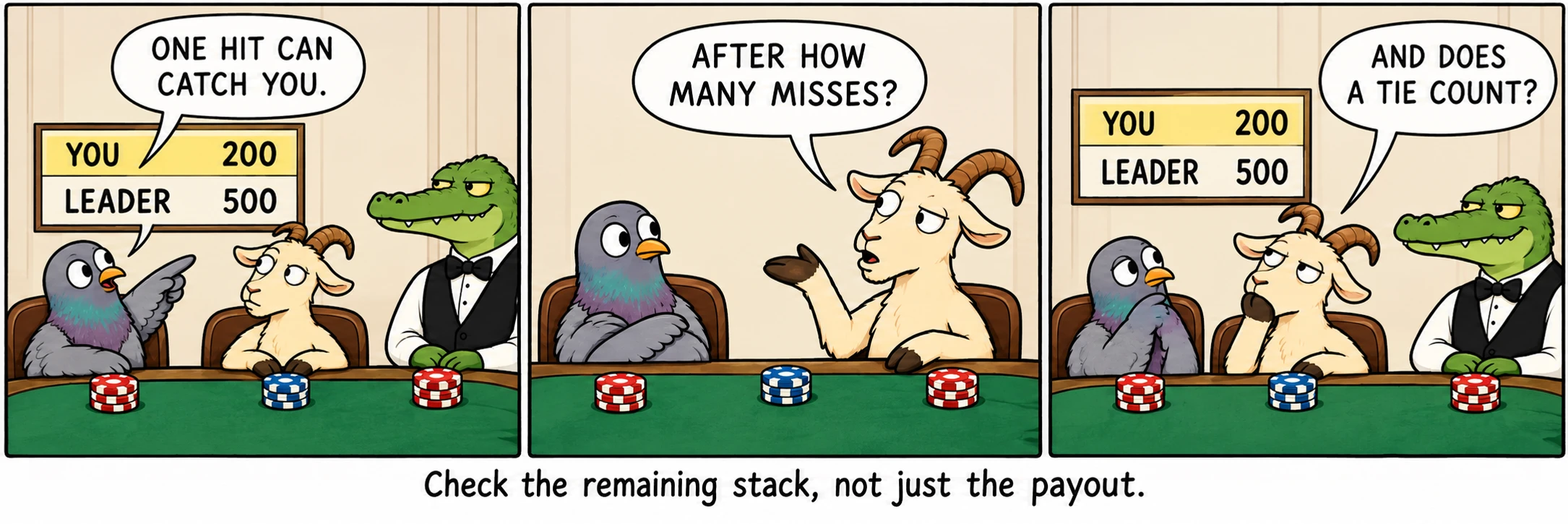
ꯆꯛꯔꯒꯤ ꯃꯥꯌꯣꯛꯇ, ꯊꯧꯔꯥꯡ ꯂꯩꯇꯦ꯫ ꯑꯇꯣꯞꯄ ꯁꯥꯟꯅꯔꯤꯕꯁꯤꯡꯒꯤ ꯃꯥꯌꯣꯛꯇ, ꯚꯦꯌꯔꯤꯌꯦꯟꯁ ꯑꯁꯤ ꯊꯧꯔꯥꯡ ꯑꯃꯅꯤ꯫
ꯍꯧꯔꯛꯐꯃꯁꯤꯡ
- Ethier, S. N. The Doctrine of Chances: Probabilistic Aspects of Gambling.