ꯁꯦꯁꯟꯒꯤ ꯃꯇꯝ ꯑꯃꯁꯨꯡ ꯃꯃꯜ
ꯂꯦꯞꯂꯕ ꯊꯝꯂꯕ ꯁꯦꯜ ꯑꯃꯗ ꯕꯦꯡꯀꯔꯣꯜ ꯑꯃꯥ ꯀꯌꯥ ꯁꯥꯡꯅ ꯂꯩꯒꯅꯤ, ꯑꯃꯁꯨꯡ ꯄꯨꯡꯁꯤꯡ ꯑꯗꯨꯒꯤ ꯃꯃꯜ ꯀꯌꯥ ꯆꯥꯡꯒꯅꯤ꯫ ꯁꯥꯟꯅꯔꯤꯕ ꯀꯌꯥꯅ ꯀꯩꯗꯧꯉꯩꯗꯁꯨ ꯊꯤꯖꯤꯟꯗꯕ ꯑꯗꯨꯕꯨ ꯀꯌꯥꯅ ꯊꯤꯖꯤꯟꯒꯗꯕ ꯃꯁꯤꯡꯁꯤꯡ꯫
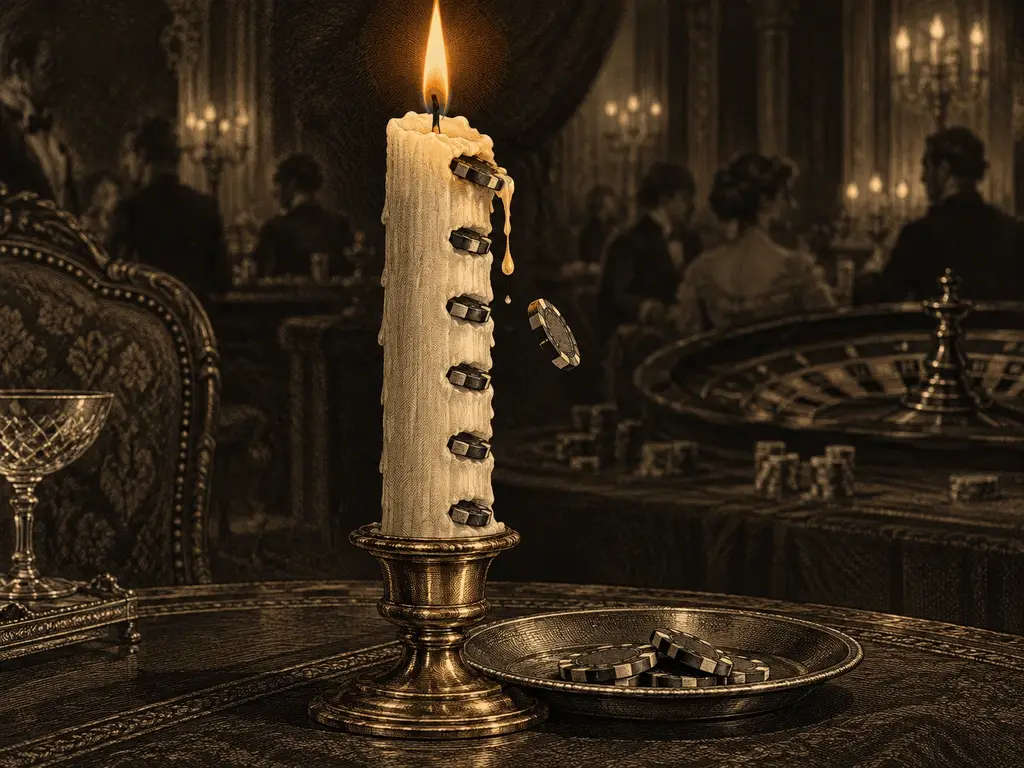
ꯆꯞ ꯃꯥꯟꯅꯕ ꯐ꯭ꯂꯦꯠ ꯕꯦꯇꯤꯡꯅ, ꯑꯦꯚꯔꯦꯖꯗ, ꯕꯦꯡꯀꯔꯣꯜꯗ ꯂꯩꯕ ꯊꯝꯂꯕ ꯁꯦꯜ ꯈꯨꯗꯤꯡꯗ ꯁ꯭ꯄꯤꯟ 37 ꯂꯩ, ꯑꯗꯨꯕꯨ ꯁꯦꯁꯟ ꯄꯨꯝꯅꯃꯛꯀꯤ ꯇꯉꯥꯏ ꯃꯗꯨꯗꯒꯤ ꯊꯨꯅ ꯂꯣꯏꯏ; ꯄꯨꯡ ꯈꯨꯗꯤꯡꯒꯤ ꯃꯥꯡꯒꯗꯕ ꯃꯃꯜ = ꯊꯝꯂꯕ ꯁꯦꯜ × ꯄꯨꯡ ꯈꯨꯗꯤꯡꯒꯤ ꯁ꯭ꯄꯤꯟ / 37꯫ ꯃꯈꯣꯌ ꯑꯅꯤꯅ ꯅꯨꯃꯤꯗꯥꯡ ꯑꯃꯥ ꯍꯧꯗ꯭ꯔꯤꯉꯩꯗ ꯃꯗꯨꯒꯤ ꯃꯃꯜ ꯊꯤꯕ ꯌꯥꯍꯜꯂꯤ꯫
ꯕꯦꯡꯀꯔꯣꯜ ꯑꯃꯥ ꯀꯌꯥ ꯁꯥꯡꯅ ꯂꯩꯕꯒꯦ
Assume standard single-zeroꯆꯛꯔꯖꯤꯔꯣꯆꯞ ꯃꯥꯟꯅꯕ, ꯗꯖꯟ ꯅꯠꯔꯒ ꯀꯂꯝ ꯕꯦꯠ ꯑꯃꯠꯇꯅ ꯀꯨꯞꯇꯕ ꯑꯁꯪꯕ ꯄꯣꯀꯦꯠ ꯑꯃꯈꯛꯇ; ꯍꯥꯎꯁ ꯑꯦꯖꯀꯤ ꯍꯧꯔꯀꯐꯝꯅꯤ꯫ ꯑꯇꯣꯞꯄ ꯃꯃꯤꯡ: ꯁꯤꯡꯒꯜ ꯖꯤꯔꯣ, 0꯫ꯃꯄꯨꯡ ꯄꯥꯕꯤꯌꯨ → rules, independent spinsꯃꯦꯊꯃꯦꯇꯤꯛꯁꯃꯔꯤ ꯂꯩꯅꯗꯕ ꯁ꯭ꯄꯤꯟꯁꯤꯡꯍꯥꯟꯅꯒꯤ ꯃꯍꯩ ꯀꯔꯤꯒꯨꯝꯕ ꯑꯣꯏꯔꯕꯁꯨ ꯁ꯭ꯄꯤꯟ ꯈꯨꯗꯤꯡꯃꯛꯀꯤ ꯊꯣꯛꯄꯒꯤ ꯈꯨꯗꯣꯡꯆꯥꯕ ꯃꯥꯟꯅꯩ꯫ ꯋꯦꯕꯁꯥꯏꯠ ꯑꯁꯤꯒꯤ ꯊꯤꯕ ꯈꯨꯗꯤꯡꯃꯛꯀꯤ ꯌꯨꯝꯐꯝꯅꯤ꯫ꯃꯄꯨꯡ ꯄꯥꯕꯤꯌꯨ →, a fixed stake s, a bankrollꯁꯦꯜꯕꯦꯡꯀꯔꯣꯜꯁꯥꯟꯅꯅꯕ ꯇꯣꯉꯥꯟꯅ ꯊꯝꯂꯕ ꯁꯦꯜ ꯄꯨꯝꯅꯃꯛ꯫ ꯕꯦꯡꯀꯔꯣꯜ ꯃꯦꯅꯦꯖꯃꯦꯟꯠ ꯍꯥꯌꯕꯁꯤ ꯃꯗꯨꯒꯤ ꯀꯌꯥ ꯕꯦꯠ ꯈꯨꯗꯤꯡꯗ ꯑꯃꯁꯨꯡ ꯁꯦꯁꯟ ꯈꯨꯗꯤꯡꯗ ꯈꯨꯗꯣꯡꯊꯤꯕꯗ ꯊꯃꯒꯗꯒꯦ ꯍꯥꯌꯕ ꯋꯥꯔꯦꯞ ꯂꯧꯕꯅꯤ꯫ꯃꯄꯨꯡ ꯄꯥꯕꯤꯌꯨ → B that is an integer multiple of s, and play continuing until the balance reaches zero. With these assumptions, the bankroll drifts down by s/37 a spin on average and swings by about s a spin either way. The drift alone sets the average: the bankroll lasts 37 × B/s spins, since that is how long it takes to lose B at s/37 a spin. The swings make the lengths uneven. Some sessions die early on a bad run, a few last far longer, and the median, the length half of all sessions fail to reach, sits below the average. A $500 bankroll at $10 (B/s = 50) lasts 1,850 spins on average and 1,364 at the median, about 27 hours at an illustrative 50 spins per hour. At $50 (B/s = 10) the median is 136 spins, under three hours.
ꯄꯨꯡꯁꯤꯡ ꯑꯗꯨꯒꯤ ꯃꯃꯜ ꯀꯌꯥꯒꯦ
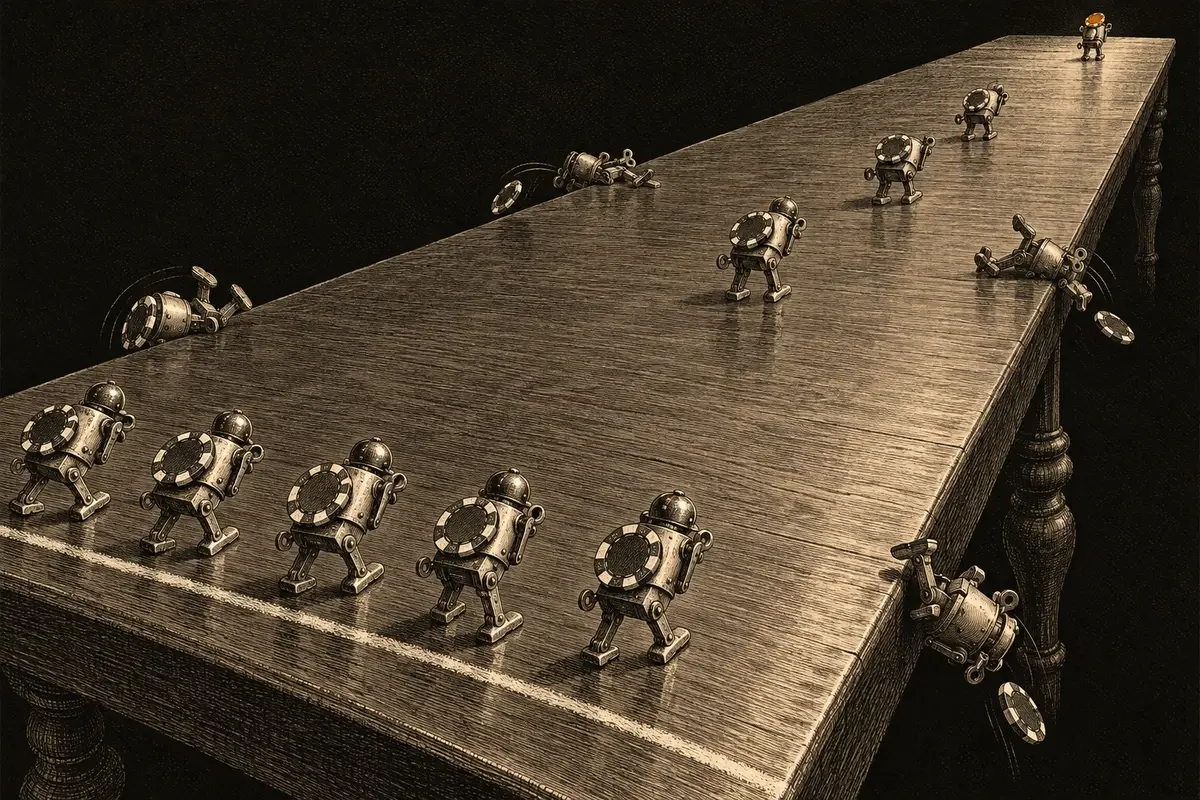
Expected lossꯃꯦꯊꯃꯦꯇꯤꯛꯁꯃꯥꯡꯒꯗꯕ ꯁꯦꯜꯐꯪꯒꯗꯕ ꯃꯃꯂꯕꯨ ꯕꯦꯠ ꯊꯝꯂꯕ ꯁꯦꯜ ꯄꯨꯝꯅꯃꯛꯅ ꯃꯅꯥꯡꯕ; ꯁꯦꯁꯟ ꯅꯠꯔꯒ ꯃꯇꯝ ꯑꯃꯒꯤ ꯃꯅꯨꯡꯗ ꯃꯥꯡꯕ ꯑꯦꯚꯔꯦꯖ ꯁꯦꯜ꯫ꯃꯄꯨꯡ ꯄꯥꯕꯤꯌꯨ → per hour = stake × spins per hour / 37. The two numbers you control are the stake and the pace. If all planned spins are played, $10 standard single-zero bets at 50 spins per hour have an expected hourly loss of $13.51. La partageꯅꯤꯌꯝꯂꯥ ꯄꯥꯔꯇꯥꯖꯐ꯭ꯔꯦꯟꯆ ꯅꯤꯌꯝ: ꯖꯤꯔꯣ ꯊꯣꯛꯂꯕꯗꯤ ꯆꯞ ꯃꯥꯟꯅꯕ ꯕꯦꯠꯀꯤ ꯊꯝꯂꯕ ꯁꯦꯜꯒꯤ ꯁꯔꯨꯛ ꯑꯍꯦꯟꯕ ꯍꯜꯂꯀꯏ꯫ ꯕꯦꯠ ꯑꯗꯨꯁꯤꯡꯒꯤ ꯍꯥꯎꯁ ꯑꯦꯖ 1.35% ꯐꯥꯑꯣꯕ ꯁꯔꯨꯛ ꯑꯅꯤꯗ ꯊꯥꯖꯤꯜꯂꯤ꯫ꯃꯄꯨꯡ ꯄꯥꯕꯤꯌꯨ → on eligible even-money betsꯕꯦꯠꯆꯞ ꯃꯥꯟꯅꯕ ꯕꯦꯠꯑꯉꯥꯡꯕ/ꯑꯃꯨꯕ, ꯕꯤꯖꯣꯔ/ꯖꯣꯔ, ꯑꯋꯥꯡꯕ/ꯑꯅꯦꯝꯕ꯫ ꯃꯁꯤꯡ 18, 1:1 ꯄꯦꯑꯥꯎꯠ꯫ꯃꯄꯨꯡ ꯄꯥꯕꯤꯌꯨ → reduces that to $6.76. Doubling the pace to 100 spins per hour doubles the standard expected loss to $27.03. These are averages, not hourly fees or loss limits.
ꯃꯈꯣꯌ ꯑꯅꯤ ꯄꯨꯟꯁꯤꯟꯕ
Consider $500 for up to 200 standard single-zero redꯕꯦꯠꯑꯉꯥꯡꯕꯑꯉꯥꯡꯕ ꯃꯁꯤꯡ 18 ꯗ ꯊꯝꯕ ꯆꯞ ꯃꯥꯟꯅꯕ ꯕꯦꯠ꯫ ꯐ꯭ꯔꯦꯟꯆ: ꯔꯨꯖ꯫ꯃꯄꯨꯡ ꯄꯥꯕꯤꯌꯨ → bets. At a fixed $25 stake, the chance of reaching zero within those spins is about 25.9%. A median ruin time of 394 spins therefore does not make a 200-spin session safe. If play stops at ruin or after 200 spins, expected turnoverꯁꯦꯜꯇꯔꯅꯑꯣꯚꯔꯁꯦꯁꯟ ꯅꯠꯔꯒ ꯃꯇꯝ ꯑꯃꯒꯤ ꯃꯅꯨꯡꯗ ꯕꯦꯠ ꯊꯝꯂꯕ ꯁꯦꯜ ꯄꯨꯝꯅꯃꯛ, ꯑꯃꯨꯛ ꯍꯟꯅꯥ ꯊꯝꯂꯕ ꯃꯥꯏꯄꯥꯛꯇꯨꯅ ꯐꯪꯂꯕ ꯁꯦꯜꯁꯨ ꯌꯥꯎꯅ꯫ ꯑꯇꯣꯞꯄ ꯃꯃꯤꯡ: ꯍꯦꯟꯗꯜ, ꯑꯦꯛꯁꯟ꯫ꯃꯄꯨꯡ ꯄꯥꯕꯤꯌꯨ → gives an expected loss of about $122.52; $135.14 is the figure assuming all 200 bets are made. At a $10 stake, the ruin probabilityꯃꯦꯊꯃꯦꯇꯤꯛꯁꯊꯣꯛꯄꯒꯤ ꯈꯨꯗꯣꯡꯆꯥꯕꯃꯍꯩ ꯑꯃꯥ ꯊꯣꯛꯄꯒꯤ ꯈꯨꯗꯣꯡꯆꯥꯕ, 0 ꯗꯒꯤ 1 ꯐꯥꯑꯣꯕ ꯅꯠꯔꯒ 0% ꯗꯒꯤ 100% ꯐꯥꯑꯣꯕ꯫ ꯃꯁꯤꯡ ꯑꯃꯥ: 1/37 = 2.70%꯫ꯃꯄꯨꯡ ꯄꯥꯕꯤꯌꯨ → falls to about 0.143%, with an expected loss of about $54.05. Choose stakes within a loss budget; none of these figures guarantees survival.
- p10 −$500
- p25 −$500
- ꯃꯤꯗꯤꯌꯥꯟ −$500
- p75 −$50
- p90 +$350
ꯁ꯭ꯇ꯭ꯔꯦꯠ-ꯑꯞ ꯁꯦꯁꯟꯁꯤꯡ
A straight-up bet has much greater variability per unitꯁꯦꯜꯌꯨꯅꯤꯠꯁꯤꯁ꯭ꯇꯦꯝ ꯅꯠꯔꯒ ꯁꯥꯟꯅꯔꯤꯕ ꯑꯃꯅ ꯁꯤꯖꯤꯟꯅꯕ ꯃꯔꯨꯑꯣꯏꯕ ꯊꯝꯂꯕ ꯁꯦꯜ꯫ ꯄ꯭ꯔꯣꯒ꯭ꯔꯦꯁꯅꯁꯤꯡ ꯌꯨꯅꯤꯠꯇ ꯁꯟꯗꯣꯛꯂꯤ, ꯃꯔꯝ ꯑꯗꯨꯅ ꯃꯈꯣꯌ ꯀꯔꯤꯒꯨꯝꯕ ꯇꯦꯕꯜꯗ ꯆꯠꯂꯤ꯫ꯃꯄꯨꯡ ꯄꯥꯕꯤꯌꯨ → staked than red: standard deviationꯃꯦꯊꯃꯦꯇꯤꯛꯁꯁ꯭ꯇꯦꯟꯗꯔꯗ ꯗꯤꯚꯤꯌꯦꯁꯟꯚꯦꯌꯔꯤꯌꯦꯟꯁꯀꯤ ꯁ꯭ꯀ꯭ꯋꯦꯌꯔ ꯔꯨꯠ; ꯃꯍꯩ ꯑꯃꯅ ꯐꯪꯒꯗꯕ ꯃꯃꯜꯗꯒꯤ ꯌꯥꯝꯅ ꯂꯥꯞꯄ ꯃꯑꯣꯡ꯫ꯃꯄꯨꯡ ꯄꯥꯕꯤꯌꯨ → about 5.84 units versus 1. Over a 200-spin single-zero session, a bankroll of 13 fixed red stakes has about a 49.1% chance of ruin. For one straight-up number, 56 stakes gives about 52.7% ruin and 57 stakes about 47.5%. These comparisons depend on the horizon and bet; there is no universal four-times-bankroll rule. With only 20 straight-up stakes, the first 20 spins all miss about 57.8% of the time, ending the session immediately.
ꯆꯨꯝꯕ ꯃꯃꯂꯒꯤ ꯂꯤꯁ꯭ꯠ
ꯔꯨꯂꯦꯠꯀꯤ ꯃꯃꯜ = ꯊꯝꯂꯕ ꯁꯦꯜ × ꯁ꯭ꯄꯤꯟ / 37꯫ ꯑꯇꯩ ꯄꯨꯝꯅꯃꯛ, ꯁꯤꯁ꯭ꯇꯦꯝ, ꯂꯥꯛ ꯐꯕ ꯃꯁꯤꯡ, ꯍꯦꯖꯤꯡ, ꯅꯨꯃꯤꯗꯥꯡ ꯑꯗꯨꯒꯤ ꯃꯑꯣꯡ ꯂꯦꯞꯊꯣꯀꯏ, ꯃꯗꯨꯒꯤ ꯃꯃꯜ ꯅꯠꯇꯦ꯫ ꯃꯃꯜ ꯑꯗꯨ ꯑꯍꯥꯅꯕꯗ ꯊꯤꯖꯤꯟꯗꯨꯅ ꯄꯤꯕꯗ ꯅꯨꯡꯉꯥꯏꯕ ꯊꯝꯂꯕ ꯁꯦꯜ ꯑꯃꯥ ꯈꯅꯕ ꯁꯥꯟꯅꯔꯤꯕ ꯑꯃꯅ ꯊꯕꯛ ꯄꯥꯡꯊꯣꯀꯄ ꯊꯧꯔꯥꯡꯒꯤ ꯁꯔꯨꯛ ꯑꯃꯈꯛꯇ ꯑꯗꯨ ꯇꯧꯔꯦ꯫
ꯐꯣꯔꯃꯨꯂꯥ
ꯋꯥꯍꯪꯁꯤꯡ
ꯆꯨꯝꯕ ꯑꯃꯗꯤ ꯂꯩꯇꯦ꯫ ꯑꯄꯤꯛꯄ ꯕꯦꯡꯀꯔꯣꯜ ꯑꯃꯗ ꯍꯣꯡꯂꯛ-ꯍꯣꯡꯊꯛꯁꯤꯡꯅ ꯃꯄꯥꯉ꯭ꯒꯜ ꯍꯦꯟꯅꯩ ꯑꯃꯁꯨꯡ ꯃꯤꯗꯤꯌꯥꯟ ꯑꯁꯤ ꯆꯨꯝꯃꯤꯟꯅꯕ ꯄꯥꯏꯁꯥ ꯑꯃꯒꯨꯝꯅ (B/s)² ꯃꯔꯥꯡ ꯀꯥꯏꯅ ꯍꯦꯅꯒꯠꯂꯛꯏ꯫ ꯆꯥꯎꯕ ꯑꯃꯗ ꯍꯥꯎꯁ ꯑꯦꯖꯅ ꯃꯄꯥꯉ꯭ꯒꯜ ꯍꯦꯟꯅꯩ ꯑꯃꯁꯨꯡ ꯃꯤꯗꯤꯌꯥꯟ ꯑꯁꯤ ꯑꯦꯚꯔꯦꯖ, 37 × B/s, ꯗ ꯅꯛꯊꯔꯀꯏ꯫ ꯊꯝꯂꯕ ꯁꯦꯜ 20 ꯃꯔꯥꯡ ꯀꯥꯏꯗ (B/s)² ꯅꯤꯌꯝ ꯑꯁꯤ ꯆꯨꯝꯕ ꯃꯤꯗꯤꯌꯥꯟ, ꯁ꯭ꯄꯤꯟ 394, ꯒꯥ ꯆꯥꯟꯅꯕ ꯃꯥꯟꯅꯩ; ꯃꯁꯤꯒꯤ ꯃꯈꯥꯗ ꯃꯁꯤ ꯍꯟꯅ ꯂꯩ ꯑꯃꯁꯨꯡ ꯃꯊꯛꯇ ꯍꯦꯟꯅ ꯂꯩ꯫
Stopping reduces expected turnover and therefore expected loss. A stated stop-lossꯊꯧꯔꯥꯡꯁ꯭ꯇꯣꯞ-ꯂꯣꯁꯃꯃꯥꯡꯗ ꯂꯦꯞꯂꯕ ꯃꯥꯡꯈꯤꯕ ꯁꯦꯜ, ꯃꯗꯨ ꯌꯧꯔꯕꯗꯤ ꯁꯦꯁꯟ ꯂꯣꯏꯁꯤꯜꯂꯤ꯫ꯃꯄꯨꯡ ꯄꯥꯕꯤꯌꯨ → can be exceeded by the final losing bet unless the remaining allowance limits that stake. It does not improve the odds of the bets already placed.
La partage halves expected loss per eligible even-money bet. Dividing bankroll by the mean loss per full stake suggests 74 × B/s spins, but this is not an exact session-length formula: half-losses can leave less than a full stake, and table minimums or smaller final bets change the stopping process.
ꯃꯦꯊꯃꯦꯇꯤꯛꯁꯀꯥ ꯁꯥꯟꯅꯕ
ꯃꯁꯤꯁꯤꯡ ꯑꯍꯥꯅꯕꯗ ꯅꯍꯥꯛ ꯃꯁꯥꯃꯛꯅ ꯍꯣꯠꯅꯕꯤꯌꯨ꯫ ꯄꯥꯎꯈꯨꯝ ꯈꯨꯗꯤꯡꯃꯛ ꯊꯨꯡꯗꯨꯅ ꯊꯝꯂꯤ; ꯁꯦꯝ ꯁꯥꯔꯕ ꯃꯇꯃꯗ ꯍꯥꯡꯗꯣꯛꯄꯤꯌꯨ꯫
Start with $500 and bet $10 on redꯕꯦꯠꯑꯉꯥꯡꯕꯑꯉꯥꯡꯕ ꯃꯁꯤꯡ 18 ꯗ ꯊꯝꯕ ꯆꯞ ꯃꯥꯟꯅꯕ ꯕꯦꯠ꯫ ꯐ꯭ꯔꯦꯟꯆ: ꯔꯨꯖ꯫ꯃꯄꯨꯡ ꯄꯥꯕꯤꯌꯨ → on each independent, uniform single-zeroꯆꯛꯔꯖꯤꯔꯣꯆꯞ ꯃꯥꯟꯅꯕ, ꯗꯖꯟ ꯅꯠꯔꯒ ꯀꯂꯝ ꯕꯦꯠ ꯑꯃꯠꯇꯅ ꯀꯨꯞꯇꯕ ꯑꯁꯪꯕ ꯄꯣꯀꯦꯠ ꯑꯃꯈꯛꯇ; ꯍꯥꯎꯁ ꯑꯦꯖꯀꯤ ꯍꯧꯔꯀꯐꯝꯅꯤ꯫ ꯑꯇꯣꯞꯄ ꯃꯃꯤꯡ: ꯁꯤꯡꯒꯜ ꯖꯤꯔꯣ, 0꯫ꯃꯄꯨꯡ ꯄꯥꯕꯤꯌꯨ → spin. Stop only when the bankrollꯁꯦꯜꯕꯦꯡꯀꯔꯣꯜꯁꯥꯟꯅꯅꯕ ꯇꯣꯉꯥꯟꯅ ꯊꯝꯂꯕ ꯁꯦꯜ ꯄꯨꯝꯅꯃꯛ꯫ ꯕꯦꯡꯀꯔꯣꯜ ꯃꯦꯅꯦꯖꯃꯦꯟꯠ ꯍꯥꯌꯕꯁꯤ ꯃꯗꯨꯒꯤ ꯀꯌꯥ ꯕꯦꯠ ꯈꯨꯗꯤꯡꯗ ꯑꯃꯁꯨꯡ ꯁꯦꯁꯟ ꯈꯨꯗꯤꯡꯗ ꯈꯨꯗꯣꯡꯊꯤꯕꯗ ꯊꯃꯒꯗꯒꯦ ꯍꯥꯌꯕ ꯋꯥꯔꯦꯞ ꯂꯧꯕꯅꯤ꯫ꯃꯄꯨꯡ ꯄꯥꯕꯤꯌꯨ → reaches zero, with no upper target and a bank that can always pay. How many spins does the bankroll last on average?
ꯄꯥꯎꯈꯨꯝ ꯎꯠꯄ
ꯄꯥꯎꯈꯨꯝ ꯁ꯭ꯄꯤꯟ 1,850: ꯊꯝꯂꯕ ꯁꯦꯜ 50 ꯈꯨꯗꯤꯡꯒꯤꯗꯃꯛ ꯁ꯭ꯄꯤꯟ 37꯫
Each spin costs, on average, 1/37 of the stake: $10/37, about 27 cents. The bankroll holds 50 stakes, and losing 50 stakes at 1/37 of a stake a spin takes 50 × 37 = 1,850 spins.
The swings do not change this average, because a session can only end at zero and every spin before that costs the same 27 cents on average. They change the spread: half of all sessions are over by spin 1,364, and about one in twenty runs past 5,000, which pulls the average up.
For this fixed-stake even-money random walk, with no upper boundary, the mean time to zero is the initial number of stakes divided by the house edgeꯃꯦꯊꯃꯦꯇꯤꯛꯁꯍꯥꯎꯁ ꯑꯦꯖꯊꯝꯂꯕ ꯁꯦꯜ ꯈꯨꯗꯤꯡꯗꯒꯤ ꯀꯦꯁꯤꯅꯣꯅ ꯑꯦꯚꯔꯦꯖꯗ ꯊꯃꯖꯤꯜꯂꯤꯕ ꯁꯔꯨꯛ: ꯌꯨꯔꯣꯄꯤꯌꯟ ꯔꯨꯂꯦꯠꯇ 2.70%꯫ꯃꯄꯨꯡ ꯄꯥꯕꯤꯌꯨ →. On a standard double-zero wheel the same $500 bankroll at $10 per spin therefore lasts 50 ÷ (2/38) = 950 spins on average. A time limit, profit target or changing stakes defines a different stopping problem.
ꯅꯣꯛꯅꯕꯒꯤ ꯀꯃꯤꯛ
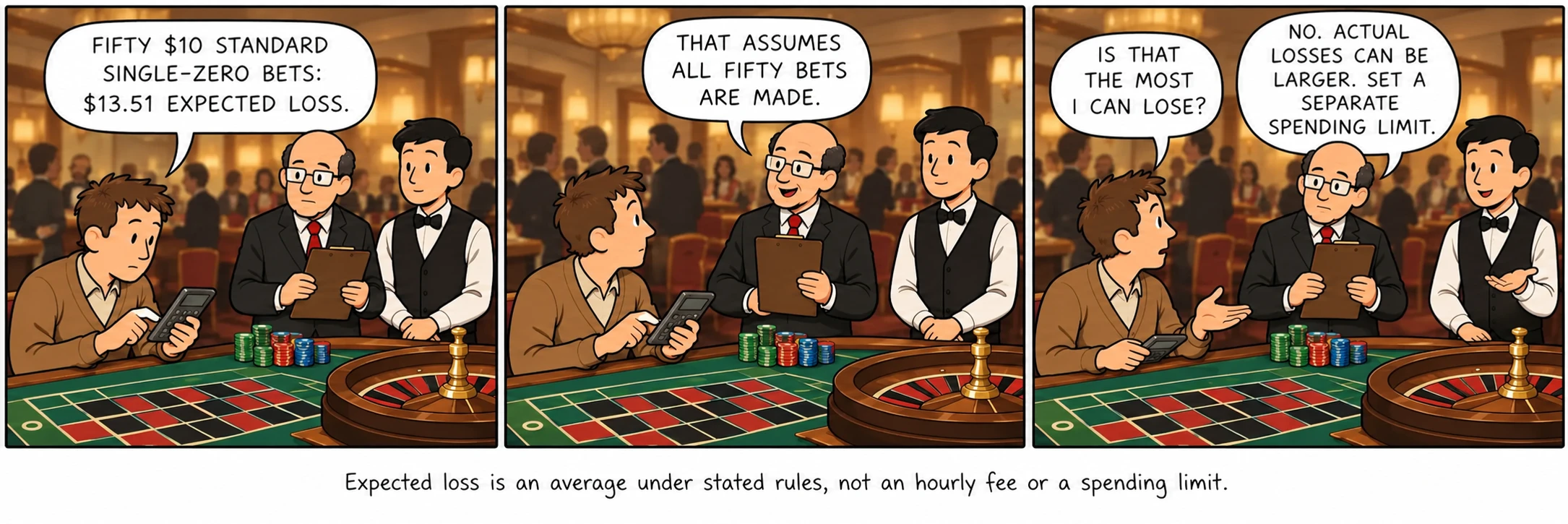
ꯊꯝꯂꯕ ꯁꯦꯜ × ꯁ꯭ꯄꯤꯟ / 37꯫ ꯅꯨꯃꯤꯗꯥꯡ ꯑꯗꯨ ꯍꯧꯗ꯭ꯔꯤꯉꯩꯗ ꯃꯗꯨꯒꯤ ꯃꯃꯜ ꯊꯤꯕꯤꯌꯨ꯫
ꯍꯧꯔꯛꯐꯃꯁꯤꯡ
- Feller, W. An Introduction to Probability Theory and Its Applications, Vol. 1.
- Ethier, S. N. The Doctrine of Chances: Probabilistic Aspects of Gambling.
- Epstein, R. A. The Theory of Gambling and Statistical Logic, 2nd ed.