ꯐꯤꯜꯃꯗ ꯔꯨꯂꯦꯠ
One wager, a spinning ballꯈꯨꯠꯂꯥꯏꯕꯣꯜꯔꯣꯇꯔꯒꯤ ꯃꯥꯌꯣꯛꯇ ꯇ꯭ꯔꯦꯛꯇ ꯊꯥꯗꯣꯛꯄ ꯑꯄꯤꯛꯄ ꯕꯣꯜ꯫ ꯍꯧꯖꯤꯛꯀꯤ ꯕꯣꯜꯁꯤꯡ ꯑꯥꯏꯚꯣꯔꯤꯟ ꯅꯠꯔꯒ ꯇꯦꯐ꯭ꯂꯣꯅꯅ ꯁꯦꯝꯃꯤ, 18–21 mm꯫ꯃꯄꯨꯡ ꯄꯥꯕꯤꯌꯨ → and a result: roulette gives filmmakers a compact way to stage suspense. The drama is worth enjoying, but it is not a guide to the odds.
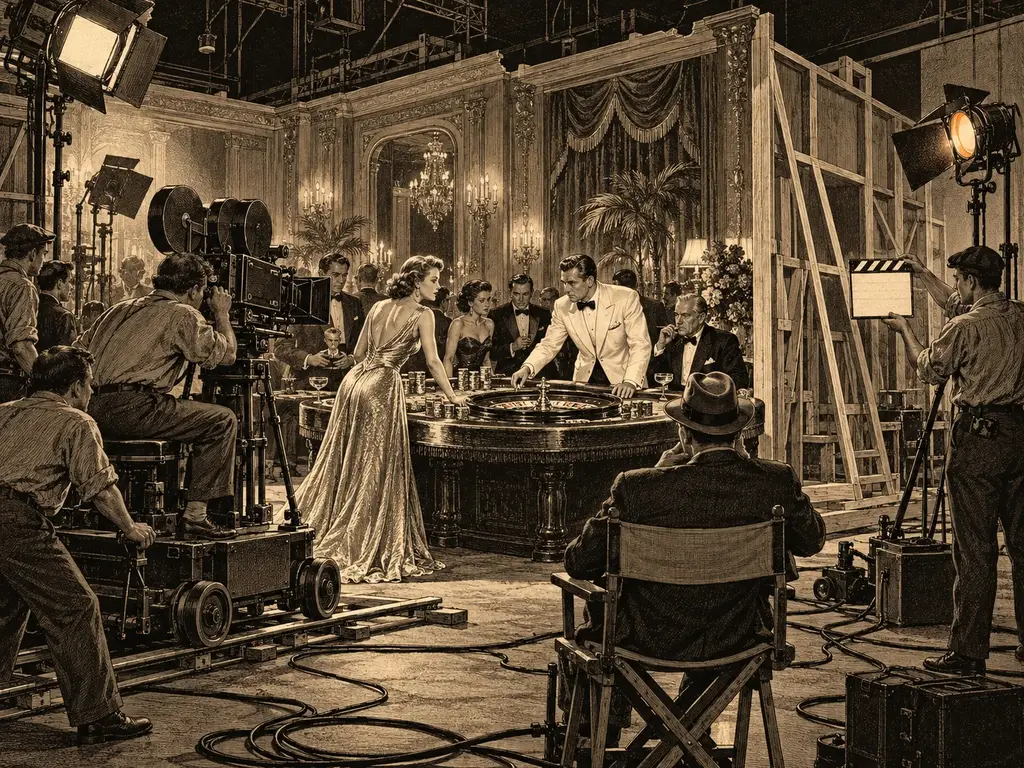
ꯐꯤꯜꯃꯁꯤꯡꯗ ꯔꯨꯂꯦꯠ ꯑꯁꯤ ꯂꯥꯏꯕꯛ, ꯆꯦꯀꯁꯤꯟꯗꯕ ꯅꯠꯔꯒꯥ ꯀꯨꯜ ꯑꯣꯏꯕꯒꯤ ꯊꯨꯅ ꯈꯨꯗꯝ ꯑꯣꯏꯅ ꯊꯣꯀꯏ꯫ ꯕꯦꯠꯁꯤꯡ ꯌꯥꯝꯅꯥ ꯀꯌꯥꯗ ꯑꯔꯥꯟꯕꯅꯤ, ꯑꯣꯗꯁꯁꯤꯡꯒꯤ ꯃꯇꯥꯡꯗ ꯀꯩꯗꯧꯉꯩꯗꯁꯨ ꯍꯥꯌꯗꯦ, ꯑꯃꯁꯨꯡ ꯕꯣꯜ ꯑꯗꯨ ꯃꯇꯝ ꯄꯨꯝꯕꯗ ꯑꯔꯣꯏꯕ ꯆꯦꯛꯀꯟꯗꯇ ꯂꯦꯞꯀꯅꯤ꯫ ꯐꯤꯜꯝ ꯈꯔꯅ ꯇꯦꯕꯜ ꯑꯗꯨ ꯆꯨꯝꯅꯥ ꯎꯠꯂꯤ꯫
ꯐꯤꯜꯃꯁꯤꯡꯅ ꯎꯠꯄ
Roulette offers a simple dramatic structure: someone risks something, waits, and learns the result. A close-up can show the selected number; a reaction shot can tell us why it matters. The meaning of that result depends on the story.
That is a reading of the device, not a survey of every roulette scene. There is no need to claim that all screen bets win, that no film mentions the house edgeꯃꯦꯊꯃꯦꯇꯤꯛꯁꯍꯥꯎꯁ ꯑꯦꯖꯊꯝꯂꯕ ꯁꯦꯜ ꯈꯨꯗꯤꯡꯗꯒꯤ ꯀꯦꯁꯤꯅꯣꯅ ꯑꯦꯚꯔꯦꯖꯗ ꯊꯃꯖꯤꯜꯂꯤꯕ ꯁꯔꯨꯛ: ꯌꯨꯔꯣꯄꯤꯌꯟ ꯔꯨꯂꯦꯠꯇ 2.70%꯫ꯃꯄꯨꯡ ꯄꯥꯕꯤꯌꯨ →, or that a particular bet is cinema’s most common choice.
ꯐꯤꯜꯃꯁꯤꯡꯅ ꯑꯔꯥꯟꯅꯥ ꯎꯠꯄ
ꯕꯦꯠ ꯊꯝꯂꯤꯕ ꯎꯠꯂꯕ ꯃꯇꯨꯡꯗ ꯕꯣꯜ ꯊꯥꯗꯣꯀꯏ, ꯃꯁꯤ ꯆꯨꯝꯃꯤ, ꯑꯗꯨꯕꯨ ꯃꯁꯤ ꯆꯦꯛꯀꯟꯗ ꯑꯍꯨꯃꯒꯤ ꯃꯅꯨꯡꯗ ꯂꯦꯞꯏ, ꯃꯁꯤ ꯆꯨꯃꯗꯦ: ꯑꯁꯦꯡꯕ ꯁ꯭ꯄꯤꯟ ꯑꯃꯥ ꯆꯦꯛꯀꯟꯗ ꯅꯤꯄꯥꯟꯗꯒꯤ ꯀꯨꯟ ꯐꯥꯑꯣꯕ ꯆꯠꯂꯤ꯫ ꯃꯤꯑꯣꯏꯁꯤꯡꯅ ꯕꯣꯜ ꯂꯦꯃꯍꯧꯔꯀꯄꯒꯤ ꯃꯇꯨꯡꯗ ꯕꯦꯠ ꯊꯝꯃꯤ, ꯃꯁꯤ ꯗꯤꯂꯔ ꯑꯃꯠꯇꯅ ꯌꯥꯍꯜꯂꯣꯏ꯫ ꯄꯦꯑꯥꯎꯠꯁꯤꯡꯁꯦꯜꯄꯦꯑꯥꯎꯠꯃꯥꯏꯄꯥꯛꯄ ꯕꯦꯠ ꯑꯃꯅ ꯍꯜꯂꯛꯄ ꯁꯦꯜ, ꯍꯜꯂꯀꯄ ꯊꯝꯂꯕ ꯁꯦꯜꯒꯤ ꯃꯊꯛꯇ “X ꯗꯒꯤ 1” ꯍꯥꯌꯅ ꯍꯥꯌꯏ꯫ꯃꯄꯨꯡ ꯄꯥꯕꯤꯌꯨ → ꯃꯌꯦꯛ ꯁꯦꯡꯗꯅꯥ ꯐꯣꯡꯗꯣꯀꯏ (35:1ꯗ $100ꯒꯤ ꯆꯤꯞ ꯑꯃꯗ “ꯅꯍꯥꯛꯅ ꯍꯧꯖꯤꯛ ꯂꯟ-ꯊꯨꯝ ꯃꯥꯏꯄꯥꯀꯈ꯭ꯔꯦ” ꯍꯥꯌꯕ ꯑꯁꯤ $3,500ꯅꯤ)꯫ ꯑꯃꯁꯨꯡ ꯆꯛꯔ ꯑꯗꯨ ꯑꯃꯦꯔꯤꯀꯥꯒꯤ ꯁꯦꯠꯁꯤꯡꯗ ꯌꯥꯝꯅꯥ ꯀꯌꯥꯗ ꯑꯃꯦꯔꯤꯀꯟ ꯑꯃꯁꯨꯡ ꯌꯨꯔꯣꯄꯇ ꯌꯨꯔꯣꯄꯤꯌꯟ ꯑꯣꯏ, ꯃꯁꯤ ꯆꯨꯝꯃꯤ, ꯑꯃꯁꯨꯡ ꯑꯦꯖꯒꯤ ꯃꯇꯥꯡꯗ ꯀꯩꯗꯧꯉꯩꯗꯁꯨ ꯈꯣꯟꯖꯦꯜ ꯊꯣꯀꯍꯟꯗꯅꯥ ꯍꯥꯌꯗꯦ, ꯃꯁꯤꯁꯨ ꯃꯤꯁꯤꯡꯅ ꯋꯥ ꯉꯥꯡꯕꯒꯤ ꯃꯑꯣꯡꯒꯥ ꯆꯨꯝꯃꯤ꯫
Casablanca, 1942
Rick helps a young couple win enough at roulette to leave Casablanca. The AFI catalogue’s synopsis identifies that act of help as part of the plot. The scene matters because Rick’s behavior reveals something about him, beyond the amount of money won.
A fictional intervention is not evidence that a dealer on an ordinary fair wheel can choose a result. Equally, an unlikely real-world sequence is not proof of interference. On two independent spinsꯃꯦꯊꯃꯦꯇꯤꯛꯁꯃꯔꯤ ꯂꯩꯅꯗꯕ ꯁ꯭ꯄꯤꯟꯁꯤꯡꯍꯥꯟꯅꯒꯤ ꯃꯍꯩ ꯀꯔꯤꯒꯨꯝꯕ ꯑꯣꯏꯔꯕꯁꯨ ꯁ꯭ꯄꯤꯟ ꯈꯨꯗꯤꯡꯃꯛꯀꯤ ꯊꯣꯛꯄꯒꯤ ꯈꯨꯗꯣꯡꯆꯥꯕ ꯃꯥꯟꯅꯩ꯫ ꯋꯦꯕꯁꯥꯏꯠ ꯑꯁꯤꯒꯤ ꯊꯤꯕ ꯈꯨꯗꯤꯡꯃꯛꯀꯤ ꯌꯨꯝꯐꯝꯅꯤ꯫ꯃꯄꯨꯡ ꯄꯥꯕꯤꯌꯨ → of a fair single-zeroꯆꯛꯔꯖꯤꯔꯣꯆꯞ ꯃꯥꯟꯅꯕ, ꯗꯖꯟ ꯅꯠꯔꯒ ꯀꯂꯝ ꯕꯦꯠ ꯑꯃꯠꯇꯅ ꯀꯨꯞꯇꯕ ꯑꯁꯪꯕ ꯄꯣꯀꯦꯠ ꯑꯃꯈꯛꯇ; ꯍꯥꯎꯁ ꯑꯦꯖꯀꯤ ꯍꯧꯔꯀꯐꯝꯅꯤ꯫ ꯑꯇꯣꯞꯄ ꯃꯃꯤꯡ: ꯁꯤꯡꯒꯜ ꯖꯤꯔꯣ, 0꯫ꯃꯄꯨꯡ ꯄꯥꯕꯤꯌꯨ → wheel, a particular number chosen in advance has probabilityꯃꯦꯊꯃꯦꯇꯤꯛꯁꯊꯣꯛꯄꯒꯤ ꯈꯨꯗꯣꯡꯆꯥꯕꯃꯍꯩ ꯑꯃꯥ ꯊꯣꯛꯄꯒꯤ ꯈꯨꯗꯣꯡꯆꯥꯕ, 0 ꯗꯒꯤ 1 ꯐꯥꯑꯣꯕ ꯅꯠꯔꯒ 0% ꯗꯒꯤ 100% ꯐꯥꯑꯣꯕ꯫ ꯃꯁꯤꯡ ꯑꯃꯥ: 1/37 = 2.70%꯫ꯃꯄꯨꯡ ꯄꯥꯕꯤꯌꯨ → 1/37², or 1 in 1,369, of winning both times. That event is unusual, not impossible.
ꯈꯉꯒꯗꯕ ꯑꯇꯣꯞꯄ ꯁꯤꯅꯁꯤꯡ
The Honeymoon Machine (1961) turns a Navy computer and a Venice casino into a comedy. TCM’s account describes the scheme and its escalating misunderstandings. A fictional computer’s success does not show what a real prediction device can achieve. Physical prediction depends on measurements, model accuracy and the actual wheel; it also raises legal issues.
In Run Lola Run (1998), roulette becomes part of Lola’s attempt to find urgently needed money. Film Education’s study guide connects her choice of 20 with the story’s twenty-minute deadline. That gives the number a narrative role, not a mathematical advantage.
Croupierꯃꯤꯑꯣꯏꯀ꯭ꯔꯨꯄꯤꯌꯦꯔꯨꯂꯦꯠ ꯇꯦꯕꯜ ꯑꯃꯗ ꯂꯩꯕ ꯗꯤꯂꯔ꯫ꯃꯄꯨꯡ ꯄꯥꯕꯤꯌꯨ → (1998), directed by Mike Hodges, shifts attention to life behind the table. The British Council’s film entry describes the story through a croupier’s perspective. That makes it a useful contrast with stories centered on the gambler, without treating a fictional thriller as a dealer-training manual.
Casablanca: 22, ꯍꯤꯔꯣꯒꯤꯗꯃꯛ ꯃꯤꯅꯝꯂꯕ꯫
The Honeymoon Machine: ꯅꯦꯚꯤꯒꯤ ꯀꯝꯞꯌꯨꯇꯔ ꯑꯃꯅ ꯃꯁꯤꯡ ꯈꯅꯏ꯫
Casino Royale (ꯅꯣꯚꯦꯜ): ꯕꯣꯟꯗꯅ ꯗꯖꯟ ꯑꯅꯤꯗ ꯇꯦꯕꯜꯒꯤ ꯈ꯭ꯕꯥꯏꯗꯒꯤ ꯋꯥꯡꯕ ꯕꯦꯠ ꯊꯝꯃꯤ꯫
Diamonds Are Forever: ꯂꯥꯁ ꯚꯦꯒꯥꯁꯀꯤ ꯇꯦꯕꯜꯁꯤꯡꯗ ꯕꯣꯟꯗ꯫
ꯁ꯭ꯛꯔꯤꯟꯗ ꯃꯁꯤ ꯀꯔꯤꯒꯤ ꯊꯕꯛ ꯇꯧꯕꯒꯦ
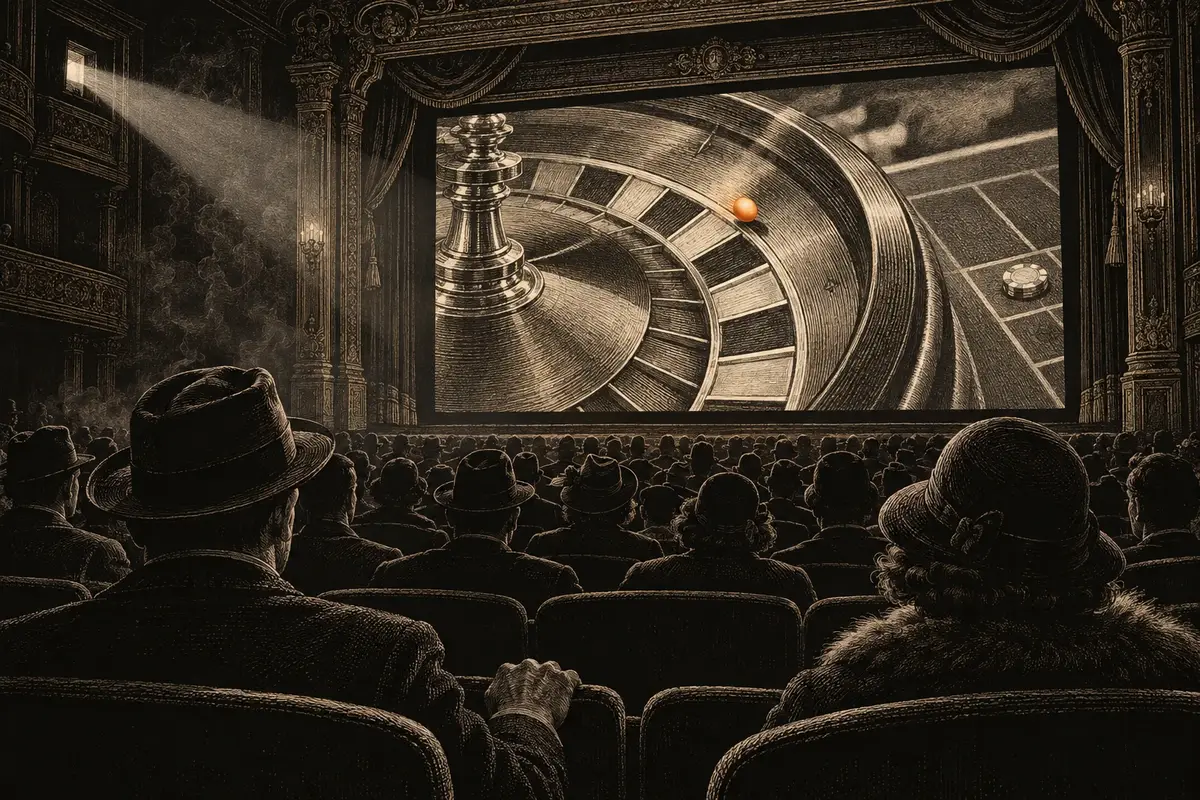
ꯔꯨꯂꯦꯠ ꯁ꯭ꯄꯤꯟ ꯑꯃꯥ ꯆꯦꯛꯀꯟꯗ ꯇꯔꯥꯃꯉꯥꯗ ꯃꯄꯨꯡ ꯐꯥꯕ ꯋꯥꯔꯤ ꯑꯃꯅꯤ: ꯊꯝꯂꯕ ꯁꯦꯜ, ꯑꯀꯤꯕ-ꯉꯥꯏꯕ, ꯂꯣꯏꯁꯤꯅꯕ꯫ ꯃꯁꯤꯗ ꯇꯥꯀꯄꯤꯕ ꯑꯃꯁꯨꯡ ꯃꯥꯌꯣꯛꯅꯔꯤꯕ ꯃꯊꯧ ꯇꯥꯗꯦ꯫ ꯐꯤꯜꯝ ꯁꯦꯝꯕ ꯃꯤ ꯑꯗꯨꯅ ꯃꯍꯩ ꯑꯗꯨ ꯀꯟꯠꯔꯣꯜ ꯇꯧꯏ, ꯃꯁꯤ ꯑꯁꯦꯡꯕ ꯁꯥꯟꯅꯔꯤꯕ ꯑꯃꯅ ꯇꯧꯕ ꯉꯃꯗꯕ ꯄꯣꯠ ꯑꯃꯈꯛꯇꯅꯤ, ꯑꯃꯁꯨꯡ ꯃꯤꯑꯣꯏꯁꯤꯡꯗꯒꯤ ꯍꯦꯟꯅꯥ ꯑꯣꯗꯁ ꯈꯉꯗꯕ ꯌꯦꯡꯂꯤꯕꯁꯤꯡꯅ 2.70%ꯒꯤ ꯁꯣꯠ ꯑꯗꯨ ꯂꯦꯞꯄ ꯑꯁꯤ ꯐ꯭ꯔꯣꯗ ꯑꯣꯏꯅ ꯅꯠꯇꯅꯥ ꯗ꯭ꯔꯥꯃꯥ ꯑꯣꯏꯅ ꯂꯧꯏ꯫
ꯋꯥꯍꯪꯁꯤꯡ
ꯃꯑꯣꯡꯒꯤꯗꯃꯛ Croupier (1998); ꯁꯥꯟꯅꯔꯤꯕꯒꯤ ꯋꯥꯈꯂꯒꯤ ꯐꯤꯚꯃꯒꯤꯗꯃꯛ The Gambler꯫
ꯃꯤꯅꯝꯂꯕ ꯆꯛꯔ ꯑꯃꯗ ꯈꯛꯇꯅꯤ꯫ ꯆꯨꯝꯃꯤꯟꯅꯕ ꯆꯛꯔ ꯑꯃꯗ ꯃꯈꯥ ꯆꯠꯅꯅ 22 ꯑꯃꯨꯛ ꯑꯅꯤ ꯊꯣꯀꯄ ꯑꯁꯤ 1,369ꯗ 1ꯅꯤ꯫
ꯈꯔꯅ ꯇꯧꯍꯜꯂꯤ, ꯊꯕꯛ ꯂꯣꯏꯔꯕꯥ ꯃꯇꯨꯡꯗ꯫ ꯐꯤꯜꯃꯒꯤ ꯇꯦꯕꯜ ꯃꯌꯥꯝ ꯑꯃꯗꯤ ꯀꯟꯁꯜꯇꯦꯟꯇ ꯑꯣꯏꯅ ꯂꯧꯈꯤꯕ ꯑꯁꯦꯡꯕ ꯗꯤꯂꯔꯁꯤꯡꯒꯥ ꯂꯣꯌꯅꯅ ꯁꯦꯃꯈꯤꯕ ꯁꯦꯠꯁꯤꯡꯅꯤ꯫
ꯅꯣꯛꯅꯕꯒꯤ ꯀꯃꯤꯛ
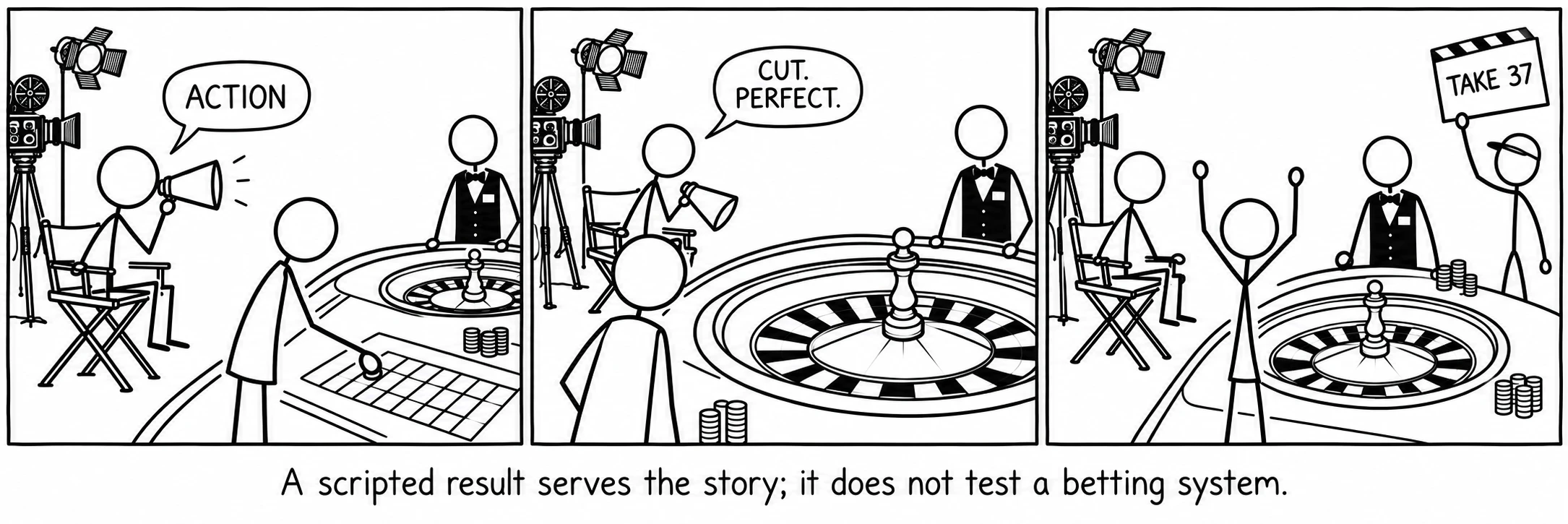
ꯁ꯭ꯛꯔꯤꯟꯗ ꯕꯣꯜ ꯑꯗꯨ ꯁ꯭ꯛꯔꯤꯞꯇꯅ ꯍꯥꯌꯔꯤꯕ ꯃꯐꯃꯗ ꯂꯦꯞꯏ꯫ ꯑꯇꯣꯞꯄ ꯃꯐꯝ ꯑꯃꯠꯇꯗ ꯅꯠꯇꯦ꯫
ꯍꯧꯔꯛꯐꯃꯁꯤꯡ
- Schwartz, D. G. Roll the Bones: The History of Gambling.
- Kavanagh, T. M. Dice, Cards, Wheels: A Different History of French Culture.
- Thorp, E. O. The Mathematics of Gambling.
- British Council UK Films Database, Croupier (1998)