ꯄꯨꯡ ꯑꯃꯒꯤ ꯃꯃꯜ, ꯆꯥꯡꯗꯝꯅꯗꯨꯅ
ꯔꯨꯂꯦꯠꯀꯤ ꯄꯨꯡ ꯑꯃꯒꯤ ꯑꯦꯚꯔꯦꯖꯗ ꯃꯃꯜ ꯀꯌꯥ ꯂꯩꯕꯒꯦ, ꯃꯤꯁꯤꯡꯅ ꯁꯦꯜ ꯄꯤꯕ ꯑꯇꯣꯞꯄ ꯄꯣꯠꯁꯤꯡꯒꯤ ꯄꯨꯡ ꯑꯃꯒꯥ ꯆꯥꯡꯗꯝꯅꯗꯨꯅ꯫
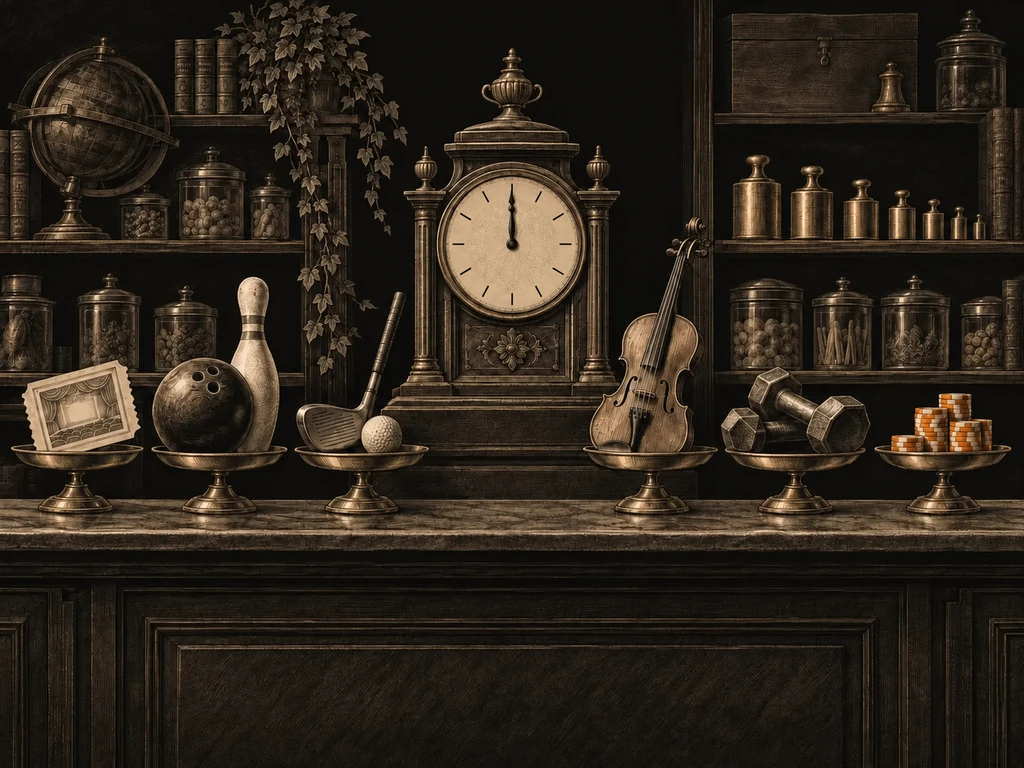
At an assumed 50 bets per hour and $10 per bet, standard single-zero roulette has an expected loss of $13.51. Eligible half-back even-money bets reduce that to $6.76. Your actual result can differ sharply; compare an uncertain gambling result with a known entertainment price carefully.
ꯔꯨꯂꯦꯠꯀꯤ ꯀꯂꯝ
Expected lossꯃꯦꯊꯃꯦꯇꯤꯛꯁꯃꯥꯡꯒꯗꯕ ꯁꯦꯜꯐꯪꯒꯗꯕ ꯃꯃꯂꯕꯨ ꯕꯦꯠ ꯊꯝꯂꯕ ꯁꯦꯜ ꯄꯨꯝꯅꯃꯛꯅ ꯃꯅꯥꯡꯕ; ꯁꯦꯁꯟ ꯅꯠꯔꯒ ꯃꯇꯝ ꯑꯃꯒꯤ ꯃꯅꯨꯡꯗ ꯃꯥꯡꯕ ꯑꯦꯚꯔꯦꯖ ꯁꯦꯜ꯫ꯃꯄꯨꯡ ꯄꯥꯕꯤꯌꯨ → equals total wagering multiplied by the relevant house edgeꯃꯦꯊꯃꯦꯇꯤꯛꯁꯍꯥꯎꯁ ꯑꯦꯖꯊꯝꯂꯕ ꯁꯦꯜ ꯈꯨꯗꯤꯡꯗꯒꯤ ꯀꯦꯁꯤꯅꯣꯅ ꯑꯦꯚꯔꯦꯖꯗ ꯊꯃꯖꯤꯜꯂꯤꯕ ꯁꯔꯨꯛ: ꯌꯨꯔꯣꯄꯤꯌꯟ ꯔꯨꯂꯦꯠꯇ 2.70%꯫ꯃꯄꯨꯡ ꯄꯥꯕꯤꯌꯨ →. For fixed stakes, total wagering is stake per bet times the number of bets. Standard single-zeroꯆꯛꯔꯖꯤꯔꯣꯆꯞ ꯃꯥꯟꯅꯕ, ꯗꯖꯟ ꯅꯠꯔꯒ ꯀꯂꯝ ꯕꯦꯠ ꯑꯃꯠꯇꯅ ꯀꯨꯞꯇꯕ ꯑꯁꯪꯕ ꯄꯣꯀꯦꯠ ꯑꯃꯈꯛꯇ; ꯍꯥꯎꯁ ꯑꯦꯖꯀꯤ ꯍꯧꯔꯀꯐꯝꯅꯤ꯫ ꯑꯇꯣꯞꯄ ꯃꯃꯤꯡ: ꯁꯤꯡꯒꯜ ꯖꯤꯔꯣ, 0꯫ꯃꯄꯨꯡ ꯄꯥꯕꯤꯌꯨ → bets with full loss on zero use an edge of 1/37; eligible even-money betsꯕꯦꯠꯆꯞ ꯃꯥꯟꯅꯕ ꯕꯦꯠꯑꯉꯥꯡꯕ/ꯑꯃꯨꯕ, ꯕꯤꯖꯣꯔ/ꯖꯣꯔ, ꯑꯋꯥꯡꯕ/ꯑꯅꯦꯝꯕ꯫ ꯃꯁꯤꯡ 18, 1:1 ꯄꯦꯑꯥꯎꯠ꯫ꯃꯄꯨꯡ ꯄꯥꯕꯤꯌꯨ → with half back on zero use 1/74.
The examples below specify the pace rather than claiming measured speeds for live, automatic or RNG tables. If you stop early or change stakes, the total wagered changes.
ꯆꯥꯡꯗꯝꯅꯕ
ꯃꯈꯥꯗ ꯂꯩꯕ ꯃꯃꯂꯁꯤꯡ ꯑꯁꯤ ꯑꯆꯧꯕ ꯁꯍꯔ ꯑꯃꯒꯤ 2026 ꯒꯤ ꯈꯟꯊꯕ ꯑꯦꯚꯔꯦꯖꯁꯤꯡꯅꯤ; ꯅꯍꯥꯛꯀꯤ ꯃꯐꯃꯗ ꯈꯦꯟꯅꯒꯅꯤ꯫ ꯃꯔꯨꯑꯣꯏꯕ ꯑꯗꯨ ꯃꯁꯤꯡꯒꯤ ꯆꯥꯡꯅꯤ, ꯑꯃꯁꯨꯡ ꯑꯆꯨꯝꯕ ꯃꯃꯜ ꯊꯤꯔꯕꯗ ꯔꯨꯂꯦꯠ ꯑꯁꯤ ꯃꯍꯧꯁꯥꯒꯤ ꯁꯦꯜ ꯄꯤꯗꯨꯅ ꯇꯧꯕ ꯅꯨꯡꯉꯥꯏꯕ ꯄꯣꯠꯁꯤꯡꯗꯒꯤ ꯇꯣꯉꯥꯟꯅ ꯂꯩꯗꯅ ꯃꯈꯣꯌꯒꯤ ꯃꯔꯛꯇ ꯂꯩ꯫
ꯚꯦꯌꯔꯤꯌꯦꯟꯁꯅ ꯀꯔꯤ ꯄꯤꯕꯒꯦ
Varianceꯃꯦꯊꯃꯦꯇꯤꯛꯁꯚꯦꯌꯔꯤꯌꯦꯟꯁꯃꯍꯩꯁꯤꯡ ꯐꯪꯒꯗꯕ ꯃꯃꯂꯒꯤ ꯑꯀꯣꯌꯕꯗ ꯀꯌꯥ ꯁꯟꯗꯣꯛꯅ ꯂꯩꯕꯒꯦ ꯍꯥꯌꯕꯒꯤ ꯆꯥꯡ꯫ ꯁ꯭ꯇ꯭ꯔꯦꯠ-ꯑꯞꯇ ꯋꯥꯡꯏ, ꯆꯞ ꯃꯥꯟꯅꯕ ꯕꯦꯠꯁꯤꯡꯗ ꯅꯦꯝꯏ꯫ꯃꯄꯨꯡ ꯄꯥꯕꯤꯌꯨ → describes the spread of possible results around the expectation. It does not establish why people choose an activity, and it does not make an expected loss a safe budget.
For example, 50 independent $10 bets on redꯕꯦꯠꯑꯉꯥꯡꯕꯑꯉꯥꯡꯕ ꯃꯁꯤꯡ 18 ꯗ ꯊꯝꯕ ꯆꯞ ꯃꯥꯟꯅꯕ ꯕꯦꯠ꯫ ꯐ꯭ꯔꯦꯟꯆ: ꯔꯨꯖ꯫ꯃꯄꯨꯡ ꯄꯥꯕꯤꯌꯨ → on a fair single-zero wheel, with full loss on zero, have an expected net result of −$13.51 and a standard deviationꯃꯦꯊꯃꯦꯇꯤꯛꯁꯁ꯭ꯇꯦꯟꯗꯔꯗ ꯗꯤꯚꯤꯌꯦꯁꯟꯚꯦꯌꯔꯤꯌꯦꯟꯁꯀꯤ ꯁ꯭ꯀ꯭ꯋꯦꯌꯔ ꯔꯨꯠ; ꯃꯍꯩ ꯑꯃꯅ ꯐꯪꯒꯗꯕ ꯃꯃꯜꯗꯒꯤ ꯌꯥꯝꯅ ꯂꯥꯞꯄ ꯃꯑꯣꯡ꯫ꯃꯄꯨꯡ ꯄꯥꯕꯤꯌꯨ → of about $70.68. The standard deviation is a measure of spread, not a guaranteed range. The probabilityꯃꯦꯊꯃꯦꯇꯤꯛꯁꯊꯣꯛꯄꯒꯤ ꯈꯨꯗꯣꯡꯆꯥꯕꯃꯍꯩ ꯑꯃꯥ ꯊꯣꯛꯄꯒꯤ ꯈꯨꯗꯣꯡꯆꯥꯕ, 0 ꯗꯒꯤ 1 ꯐꯥꯑꯣꯕ ꯅꯠꯔꯒ 0% ꯗꯒꯤ 100% ꯐꯥꯑꯣꯕ꯫ ꯃꯁꯤꯡ ꯑꯃꯥ: 1/37 = 2.70%꯫ꯃꯄꯨꯡ ꯄꯥꯕꯤꯌꯨ → of finishing ahead also depends on the bet, number of spins and stopping rule; there is no universal percentage for a winning hour.
ꯄꯨꯡ ꯑꯗꯨ ꯁꯥꯡꯍꯟꯕ
For the same rules and number of bets, halving the stake halves expected loss. Placing half as many bets at the same stake has the same effect. Half back on zero halves the edge on eligible single-zero even-money bets, but does not apply to every wager or every table described as French.
At an assumed 50 rounds per hour, placing 25 bets of $5 with half back on zero gives an expected loss of $125/74, about $1.69. That is not a promise that the session will cost $1.69 or that a small bankrollꯁꯦꯜꯕꯦꯡꯀꯔꯣꯜꯁꯥꯟꯅꯅꯕ ꯇꯣꯉꯥꯟꯅ ꯊꯝꯂꯕ ꯁꯦꯜ ꯄꯨꯝꯅꯃꯛ꯫ ꯕꯦꯡꯀꯔꯣꯜ ꯃꯦꯅꯦꯖꯃꯦꯟꯠ ꯍꯥꯌꯕꯁꯤ ꯃꯗꯨꯒꯤ ꯀꯌꯥ ꯕꯦꯠ ꯈꯨꯗꯤꯡꯗ ꯑꯃꯁꯨꯡ ꯁꯦꯁꯟ ꯈꯨꯗꯤꯡꯗ ꯈꯨꯗꯣꯡꯊꯤꯕꯗ ꯊꯃꯒꯗꯒꯦ ꯍꯥꯌꯕ ꯋꯥꯔꯦꯞ ꯂꯧꯕꯅꯤ꯫ꯃꯄꯨꯡ ꯄꯥꯕꯤꯌꯨ → will last.
ꯑꯆꯨꯝꯕ ꯈꯪꯖꯤꯅꯒꯠꯄ
Choose a spending and time limit based on what you can afford to lose, not only on the expected loss. Stakes, number of bets and rules affect the average; they do not let you control the result of a session. If comparing roulette with another activity, keep the uncertainty visible alongside the price.
ꯋꯥꯍꯪꯁꯤꯡ
ꯃꯥꯟꯅꯕ ꯊꯝꯂꯕ ꯁꯦꯜꯗ ꯄꯨꯡ ꯈꯨꯗꯤꯡꯗ, ꯌꯥꯃꯗ꯭ꯔꯕ ꯍꯣꯌ: ꯁ꯭ꯂꯣꯠꯁꯤꯡ ꯍꯦꯟꯅꯥ ꯊꯨꯅ ꯆꯠꯂꯤ ꯑꯃꯁꯨꯡ ꯍꯦꯟꯅꯥ ꯋꯥꯡꯕ ꯍꯥꯎꯁ ꯑꯦꯖ ꯂꯩ꯫
ꯃꯔꯃꯗꯤ ꯑꯁꯦꯡꯕ ꯃꯃꯜ ꯑꯗꯨ ꯃꯃꯥꯡꯗ ꯈꯉꯗꯦ ꯑꯃꯁꯨꯡ ꯐꯪꯒꯗꯕ ꯃꯃꯜ ꯑꯗꯨꯅ ꯅꯍꯥꯛꯅ ꯊꯧꯔꯥꯡ ꯁꯦꯝꯕ ꯌꯥꯕ ꯃꯁꯤꯡ ꯑꯃꯈꯛꯇꯅꯤ꯫
ꯅꯠꯇꯦ꯫ ꯃꯁꯤꯅ ꯚꯦꯌꯔꯤꯌꯦꯟꯁꯅ ꯄꯤꯈꯤ ꯍꯥꯌꯕꯅꯤ꯫ ꯃꯊꯪꯒꯤ ꯄꯨꯡꯒꯤ ꯃꯃꯜ ꯍꯣꯡꯗꯦ꯫
ꯅꯣꯛꯅꯕꯒꯤ ꯀꯃꯤꯛ
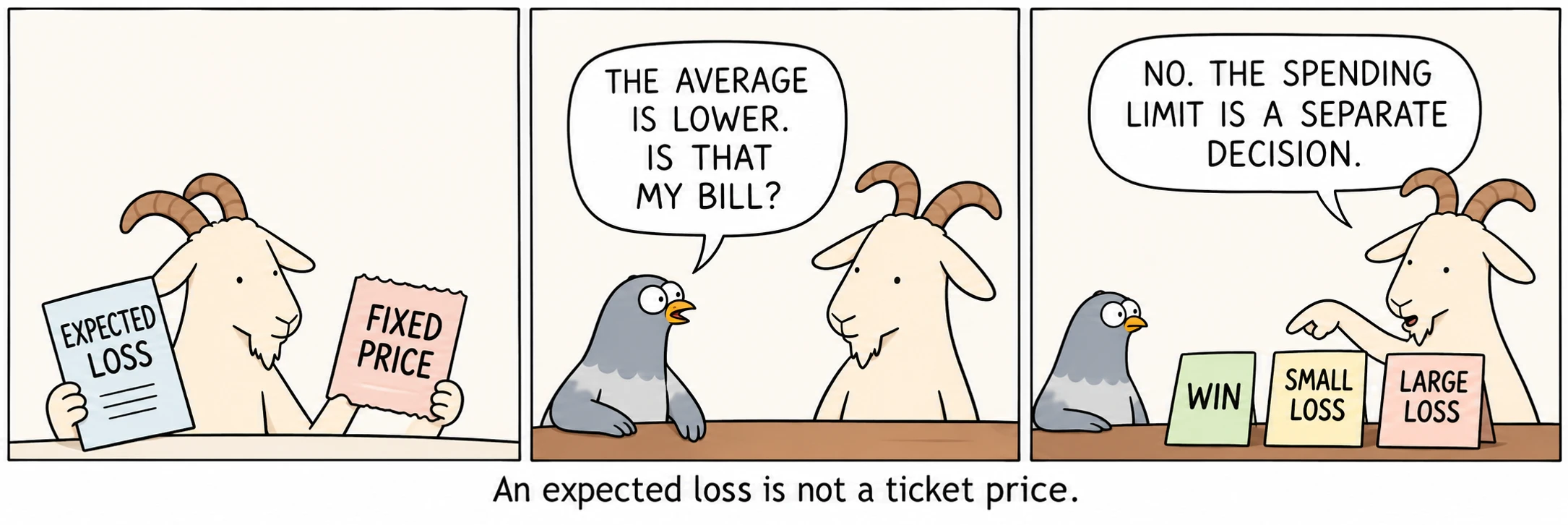
ꯑꯆꯨꯝꯕ ꯃꯃꯜ ꯊꯤꯔꯕꯗ, ꯔꯨꯂꯦꯠ ꯑꯁꯤ ꯌꯥꯝꯅ ꯄꯥꯛꯄ ꯚꯦꯌꯔꯤꯌꯦꯟꯁ ꯂꯩꯕ ꯃꯃꯜ ꯃꯌꯥꯏ ꯑꯣꯏꯕ ꯅꯨꯡꯉꯥꯏꯕ ꯄꯣꯠ ꯑꯃꯅꯤ꯫
ꯍꯧꯔꯛꯐꯃꯁꯤꯡ
- Ethier, S. N. The Doctrine of Chances: Probabilistic Aspects of Gambling.