ꯕꯦꯡꯛ ꯊꯨꯒꯥꯏꯈꯤꯕ ꯃꯤꯑꯣꯏ
ꯐ꯭ꯔꯣꯗ ꯇꯧꯕ ꯃꯤ ꯑꯃꯥ, ꯑꯉꯛꯄ ꯁꯤꯁ꯭ꯇꯦꯝ ꯑꯃꯥ, ꯑꯉꯀꯄ ꯍꯞꯇꯥ ꯑꯃꯥ, ꯑꯃꯁꯨꯡ ꯃꯈꯣꯌ ꯄꯨꯝꯅꯃꯛꯇꯒꯤ ꯍꯦꯟꯅꯥ ꯁꯥꯡꯅꯥ ꯍꯤꯡꯈꯤꯕ ꯃ꯭ꯌꯨꯖꯤꯛ-ꯍꯣꯂꯒꯤ ꯏꯁꯩ ꯑꯃꯥ꯫
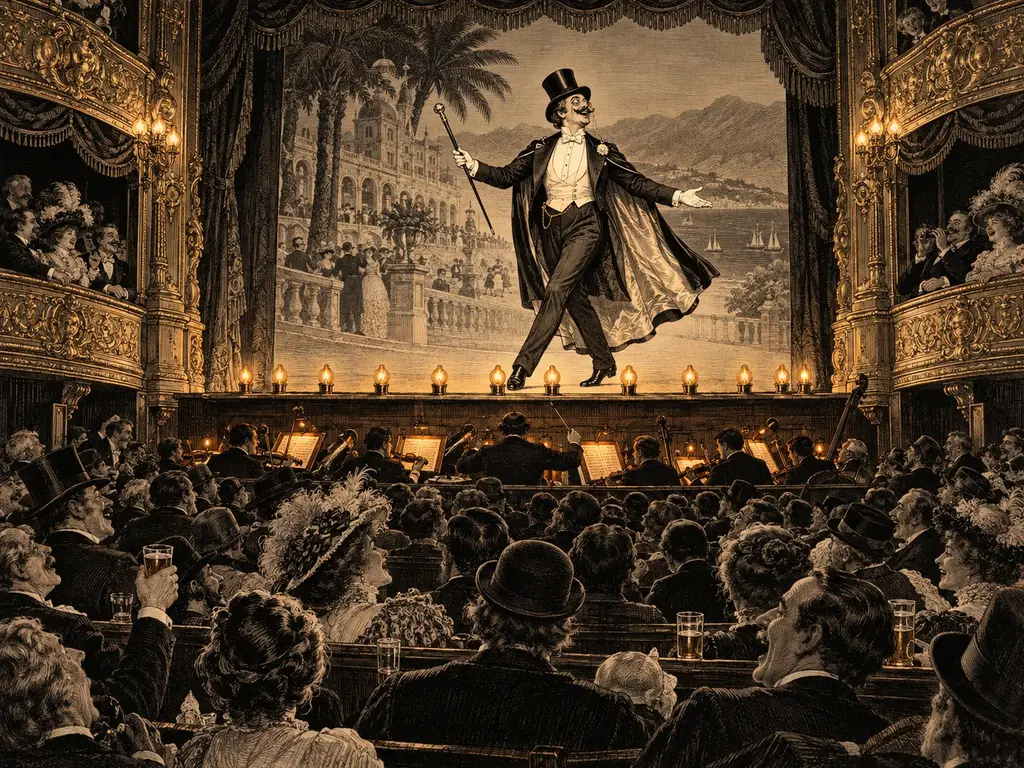
1891ꯗ ꯆꯥꯔꯂꯁ ꯋꯦꯂꯁ (Charles Wells)ꯅ ꯂꯥꯛꯀꯤ ꯁ꯭ꯇ꯭ꯔꯤꯛ ꯑꯃꯥ ꯑꯃꯁꯨꯡ ꯃꯍꯥꯛꯅ ꯀꯩꯗꯧꯉꯩꯗꯁꯨ ꯇꯥꯀꯄꯤꯈꯤꯗꯕ ꯁꯤꯁ꯭ꯇꯦꯝ ꯑꯃꯒꯥ ꯂꯣꯌꯅꯅ ꯃꯣꯟꯇꯦ ꯀꯥꯔꯂꯣꯗ ꯀꯌꯥ ꯍꯟꯅꯥ ꯕꯦꯉ꯭ꯛ ꯊꯨꯒꯥꯏꯈꯤ꯫ 1892ꯗ ꯃꯍꯥꯛꯀꯤ ꯃꯇꯥꯡꯗ ꯏꯈꯤꯕ ꯏꯁꯩ ꯑꯗꯨꯅ “ꯕꯦꯉ꯭ꯛ ꯊꯨꯒꯥꯏꯕ” ꯍꯥꯌꯕ ꯋꯥꯍꯩ ꯑꯁꯤ ꯁꯦꯃꯈꯤ꯫ ꯃꯍꯥꯛꯅ ꯅꯤꯡꯊꯝ ꯊꯥ ꯑꯗꯨꯗ ꯁꯦꯜꯒꯤ ꯁꯔꯨꯛ ꯈꯔꯥ ꯑꯃꯨꯛ ꯍꯟꯅꯥ ꯃꯥꯡꯈꯤ ꯑꯃꯁꯨꯡ ꯐ꯭ꯔꯣꯗꯀꯤꯗꯃꯛ ꯆꯍꯤ ꯀꯌꯥ ꯖꯦꯂꯗ ꯂꯩꯈꯤ꯫
ꯃꯍꯥꯛ ꯀꯅꯥꯅꯣ
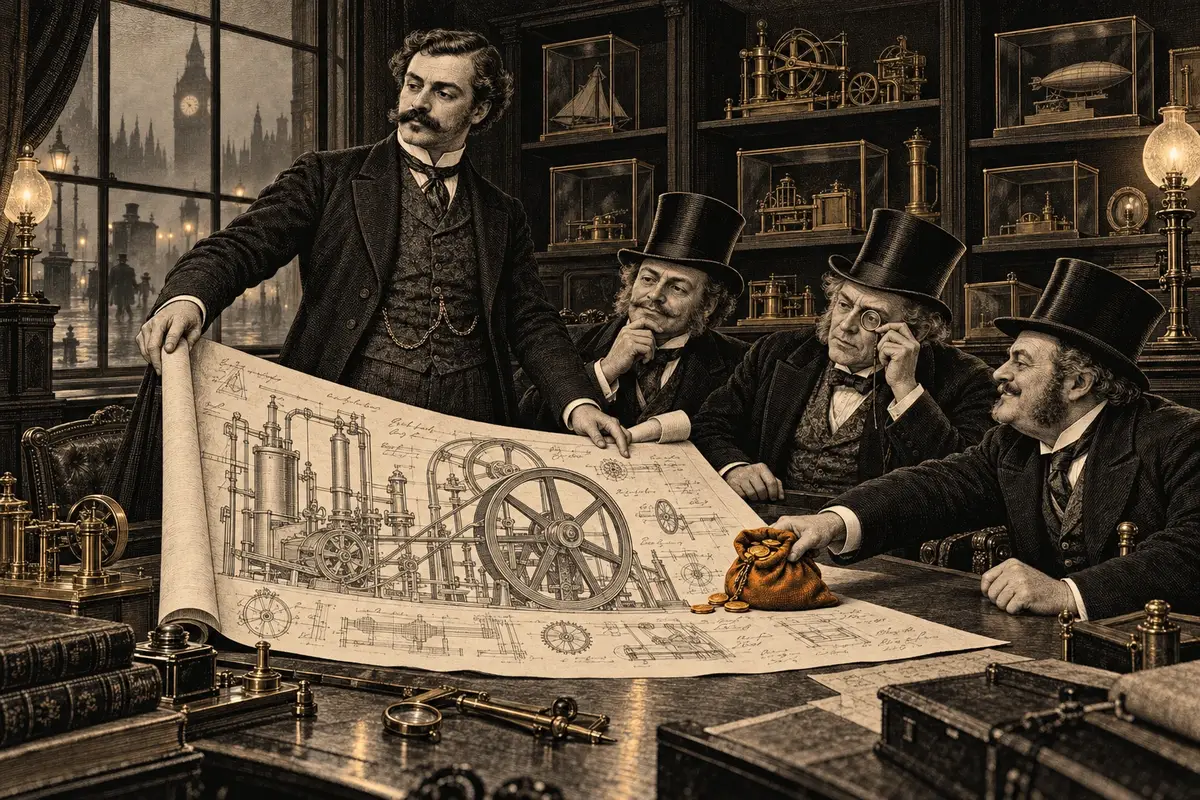
ꯆꯥꯔꯂꯁ ꯗꯦꯚꯤꯜ ꯋꯦꯂꯁ (1841–1922) ꯑꯁꯤ ꯏꯟꯖꯤꯅꯤꯌꯔ ꯑꯃꯁꯨꯡ ꯂꯦꯞꯇꯅꯥ ꯐ꯭ꯔꯣꯗ ꯇꯧꯕ ꯃꯤ ꯑꯃꯅꯤ, ꯃꯍꯥꯛꯅ ꯂꯩꯇꯕ ꯑꯅꯧꯕ ꯄꯣꯠꯁꯤꯡꯒꯤꯗꯃꯛ ꯏꯅꯚꯦꯁ꯭ꯇꯔꯁꯤꯡꯗꯒꯤ ꯁꯦꯜ ꯈꯣꯃꯖꯤꯜꯂꯝꯃꯤ꯫ ꯖꯨꯂꯥꯏ 1891ꯗ ꯃꯍꯥꯛ ꯑꯁꯤꯒꯨꯝꯕ ꯁꯦꯜ £4,000 ꯄꯨꯗꯨꯅ ꯃꯣꯟꯇꯦ ꯀꯥꯔꯂꯣꯗ ꯂꯥꯀꯈꯤ꯫ ꯅꯨꯃꯤꯠ ꯃꯉꯥꯒꯤ ꯃꯅꯨꯡꯗ ꯃꯍꯥꯛꯅ ꯀꯌꯥ ꯍꯟꯅꯥ ꯕꯦꯉ꯭ꯛ ꯊꯨꯒꯥꯏꯈꯤ, ꯍꯥꯌꯕꯗꯤ ꯇꯦꯕꯜ ꯑꯃꯒꯤ ꯊꯃꯖꯕ ꯁꯦꯜ ꯂꯣꯏꯍꯅꯈꯤ, ꯑꯃꯁꯨꯡ ꯃꯍꯥꯛꯀꯤ ꯃꯁꯥꯒꯤ ꯋꯥꯔꯤꯗ £40,000 ꯃꯇꯧ ꯄꯨꯗꯨꯅ ꯆꯠꯈꯤ, ꯍꯧꯖꯤꯛꯀꯤ ꯄꯥꯎꯟꯗ ꯃꯤꯂꯤꯌꯟ ꯀꯌꯥ꯫
ꯃꯍꯥꯛꯅ ꯇꯁꯦꯡꯅꯃꯛ ꯇꯧꯈꯤꯕ
A Daily Telegraph report of 9 November 1891, reproduced by biographer Robin Quinn, described substantial winnings and Wells’ confidence in a private system. It also described his play at trente-et-quarante, a card game. Applying roulette’s house edgeꯃꯦꯊꯃꯦꯇꯤꯛꯁꯍꯥꯎꯁ ꯑꯦꯖꯊꯝꯂꯕ ꯁꯦꯜ ꯈꯨꯗꯤꯡꯗꯒꯤ ꯀꯦꯁꯤꯅꯣꯅ ꯑꯦꯚꯔꯦꯖꯗ ꯊꯃꯖꯤꯜꯂꯤꯕ ꯁꯔꯨꯛ: ꯌꯨꯔꯣꯄꯤꯌꯟ ꯔꯨꯂꯦꯠꯇ 2.70%꯫ꯃꯄꯨꯡ ꯄꯥꯕꯤꯌꯨ → to his entire reported campaign would therefore be wrong.
A report of a win cannot, by itself, establish a repeatable advantage. Nor can a later loss prove exactly how an earlier win happened. To evaluate a gambling method, you need the actual rules, stakes, selection method and full record, including unsuccessful attempts.
ꯏꯁꯩ
Fred Gilbert’s song became closely associated with Wells through Charles Coborn’s performances. Dating needs care: Quinn gives late 1891 for publication and a probable February 1892 first performance, while the IMSLP catalogue lists 1892. That disagreement is a reason to distinguish publication from performance, rather than present one unexplained year as settled.
The song helped preserve the story, but it is not a ledger of Wells’ bets or a source for the probabilityꯃꯦꯊꯃꯦꯇꯤꯛꯁꯊꯣꯛꯄꯒꯤ ꯈꯨꯗꯣꯡꯆꯥꯕꯃꯍꯩ ꯑꯃꯥ ꯊꯣꯛꯄꯒꯤ ꯈꯨꯗꯣꯡꯆꯥꯕ, 0 ꯗꯒꯤ 1 ꯐꯥꯑꯣꯕ ꯅꯠꯔꯒ 0% ꯗꯒꯤ 100% ꯐꯥꯑꯣꯕ꯫ ꯃꯁꯤꯡ ꯑꯃꯥ: 1/37 = 2.70%꯫ꯃꯄꯨꯡ ꯄꯥꯕꯤꯌꯨ → of his results.
ꯑꯅꯤꯁꯨꯕ ꯂꯥꯀꯄ ꯑꯃꯁꯨꯡ ꯃꯗꯨꯒꯤ ꯃꯇꯨꯡ
ꯋꯦꯂꯁ ꯂꯝꯍꯥꯡ ꯊꯥ ꯑꯗꯨꯗ ꯑꯃꯨꯛ ꯍꯟꯅꯥ ꯂꯥꯀꯈꯤ ꯑꯃꯁꯨꯡ ꯑꯃꯨꯛ ꯍꯟꯅꯥ ꯃꯥꯏꯄꯥꯛꯈꯤ, ꯃꯗꯨꯒꯤ ꯃꯇꯨꯡꯗ 1891–92ꯒꯤ ꯅꯤꯡꯊꯝ ꯊꯥꯒꯤ ꯂꯥꯀꯄ ꯑꯃꯗ ꯁꯦꯜꯒꯤ ꯁꯔꯨꯛ ꯈꯔꯥ ꯃꯥꯡꯈꯤ꯫ ꯃꯍꯥꯛꯅ ꯏꯅꯚꯦꯁ꯭ꯇꯔꯁꯤꯡꯒꯤ ꯁꯦꯜ ꯁꯤꯖꯤꯟꯅꯗꯨꯅ ꯃꯃꯜ ꯌꯥꯝꯂꯕ ꯌꯥꯠ ꯑꯃꯥ, ꯄꯦꯂꯦ ꯔꯣꯌꯦꯜ (Palais Royale)ꯗ ꯌꯥꯝꯅꯥ ꯁꯦꯜ ꯊꯥꯗꯣꯀꯈꯤ; ꯃꯁꯤ ꯀꯩꯗꯧꯉꯩꯗꯁꯨ ꯃꯣꯟꯇꯦ ꯀꯥꯔꯂꯣ ꯌꯧꯈꯤꯗꯦ꯫ 1892ꯒꯤ ꯑꯔꯣꯏꯕꯗ ꯐ꯭ꯔꯦꯟꯆ ꯄꯨꯂꯤꯁꯅ ꯃꯍꯥꯀꯄꯨ ꯂꯦ ꯍꯥꯚꯔꯗ ꯐꯥꯈꯤ, ꯑꯃꯁꯨꯡ ꯃꯥꯔꯆ 1893ꯗ ꯂꯟꯗꯅꯒꯤ ꯀꯣꯔꯠ ꯑꯃꯅ ꯐ꯭ꯔꯣꯗꯀꯤꯗꯃꯛ ꯃꯍꯥꯀꯄꯨ ꯆꯍꯤ ꯅꯤꯄꯥꯟꯒꯤ ꯄꯤꯅꯦꯜ ꯁꯔꯚꯤꯇ꯭ꯌꯨꯗ ꯄꯤꯈꯤ꯫ ꯃꯍꯥꯛ 1899ꯗ ꯊꯥꯗꯣꯀꯈꯤ, 1906ꯗ ꯑꯇꯣꯞꯄ ꯐ꯭ꯔꯣꯗ ꯑꯃꯒꯤꯗꯃꯛ ꯆꯍꯤ ꯑꯍꯨꯝ ꯍꯦꯟꯅꯥ ꯐꯪꯈꯤ, ꯑꯃꯁꯨꯡ 1911 ꯃꯇꯧꯗ ꯄꯦꯔꯤꯁꯇ ꯅꯨꯃꯤꯠ ꯑꯃꯗ 1% ꯋꯥꯁꯀꯄ ꯑꯔꯥꯟꯕ ꯕꯦꯉ꯭ꯛ ꯑꯃꯥ ꯆꯂꯥꯏꯈꯤ, ꯃꯁꯤꯅ ꯃꯍꯥꯀꯄꯨ ꯐ꯭ꯔꯥꯟꯁꯀꯤ ꯖꯦꯂꯗ ꯊꯥꯈꯤ꯫ ꯃꯍꯥꯛ 1922ꯗ ꯂꯟꯗꯅꯗ ꯁꯤꯈꯤ꯫ 1891ꯗ £40,000 ꯄꯤꯈꯤꯕ ꯑꯃꯁꯨꯡ ꯄꯕ꯭ꯂꯤꯁꯤꯇꯤꯗ ꯃꯗꯨꯗꯒꯤ ꯍꯦꯟꯅꯥ ꯐꯪꯈꯤꯕ ꯀꯦꯁꯤꯅꯣꯅ ꯃꯍꯥꯛꯀꯤ ꯃꯔꯃꯗ ꯌꯥꯝꯅꯥ ꯀꯥꯟꯅꯈꯤ꯫
ꯍꯥꯔꯠꯐꯣꯔꯗꯁꯥꯌꯔꯗ ꯄꯣꯛꯈꯤ꯫
ꯄꯦꯇꯦꯟꯇꯁꯤꯡ ꯑꯃꯁꯨꯡ ꯐ꯭ꯔꯣꯗ ꯏꯅꯚꯦꯁ꯭ꯇꯃꯦꯟꯠ ꯁ꯭ꯀꯤꯃꯁꯤꯡ꯫
ꯃꯣꯟꯇꯦ ꯀꯥꯔꯂꯣ: ꯀꯌꯥ ꯍꯟꯅꯥ ꯕꯦꯉ꯭ꯛ ꯊꯨꯒꯥꯏ; ≈ £40,000 ꯃꯥꯏꯄꯥꯀꯏ꯫
ꯍꯜꯂꯀꯏ; ꯑꯃꯨꯛ ꯍꯟꯅꯥ ꯃꯥꯏꯄꯥꯀꯏ꯫
ꯁꯔꯨꯛ ꯈꯔꯥ ꯑꯃꯨꯛ ꯍꯟꯅꯥ ꯃꯥꯡꯏ꯫ ꯏꯁꯩ, 1892꯫ ꯃꯣꯅꯥꯀꯣꯗ ꯀꯩꯗꯧꯉꯩꯗꯁꯨ ꯆꯠꯈꯤꯗꯕ ꯌꯥꯠ ꯑꯃꯥ꯫
ꯋꯥꯔꯤ ꯑꯁꯤ ꯀꯔꯤꯒꯤ ꯃꯔꯨꯑꯣꯏꯕꯒꯦ
A memorable winner is not a test of a betting system. On a fair independent roulette game with negative-expectation bets, changing stakes according to past outcomes does not remove the house edge. But that general principle does not identify every bet Wells made or prove a precise probability for his reported winnings.
Read the story for what it reveals about publicity, confidence and evidence. Keep the mathematical model separate from historical details that the surviving records do not settle.
ꯋꯥꯍꯪꯁꯤꯡ
ꯇꯦꯕꯜꯁꯤꯡꯗ ꯃꯁꯤꯒꯤ ꯈꯨꯗꯝ ꯂꯩꯇꯦ꯫ ꯃꯍꯥꯛꯀꯤ ꯐ꯭ꯔꯣꯗꯁꯤꯡ ꯑꯇꯣꯞꯄ ꯃꯐꯃꯗꯅꯤ꯫
ꯊꯥꯛꯄꯒꯤ ꯃꯑꯣꯡ ꯌꯥꯝꯅꯥ ꯀꯌꯥꯗ, ꯄꯥꯎꯟꯗ ꯃꯤꯂꯤꯌꯟ ꯀꯌꯥ꯫
ꯇꯦꯕꯜ ꯈꯨꯗꯤꯡꯃꯛꯇ ꯊꯃꯖꯕ ꯁꯦꯜ ꯂꯩꯈꯤ; ꯃꯗꯨ ꯂꯣꯏꯔꯀꯄꯗ, ꯇꯦꯕꯜ ꯑꯗꯨ ꯂꯦꯞꯂꯝꯃꯤ ꯑꯃꯁꯨꯡ ꯍꯦꯟꯅꯥ ꯄꯨꯔꯛꯂꯝꯃꯤ꯫ ꯀꯦꯁꯤꯅꯣꯒꯤ ꯁꯦꯜ ꯀꯩꯗꯧꯉꯩꯗꯁꯨ ꯂꯣꯏꯈꯤꯗꯦ꯫
ꯅꯣꯛꯅꯕꯒꯤ ꯀꯃꯤꯛ
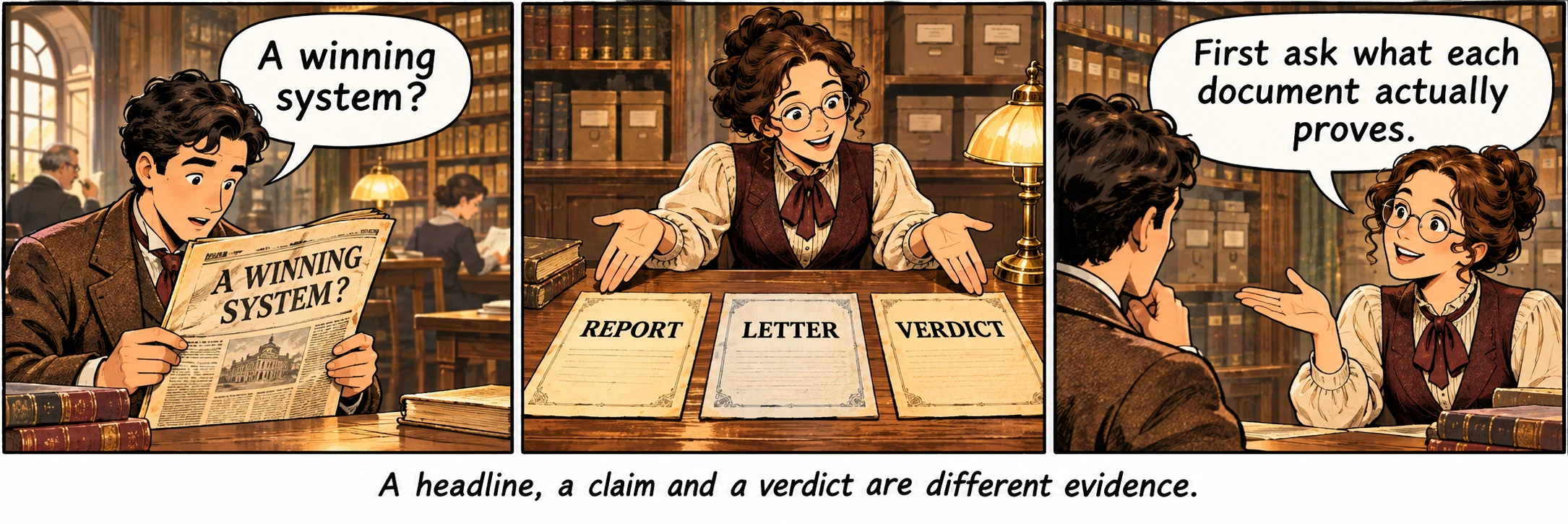
ꯀꯦꯁꯤꯅꯣꯅ ꯍꯞꯇꯥ ꯑꯃꯥ ꯃꯥꯡꯈꯤ ꯑꯃꯁꯨꯡ ꯆꯍꯤ ꯆꯥꯃꯥ ꯑꯃꯒꯤ ꯑꯦꯗꯚꯔꯇꯥꯏꯖꯃꯦꯟꯠ ꯂꯩꯈꯤ꯫
ꯍꯧꯔꯛꯐꯃꯁꯤꯡ
- Quinn, R. The Man Who Broke the Bank at Monte Carlo.
- Old Bailey Proceedings Online. Trial of Charles Wells, March 1893 (t18930306-349).
- Schwartz, D. G. Roll the Bones: The History of Gambling.
- Kavanagh, T. M. Dice, Cards, Wheels: A Different History of French Culture.