ꯑꯔꯥꯟꯕ ꯋꯥꯈꯜ ꯊꯤꯗꯣꯀꯎ
ꯇꯦꯕꯜꯗꯒꯤ ꯂꯧꯕ ꯋꯥ ꯊꯨꯅꯕꯁꯤꯡ꯫ ꯊꯕꯛ ꯇꯧꯔꯤꯕ ꯕꯥꯏꯌꯥꯁ ꯑꯗꯨꯒꯤ ꯃꯃꯤꯡ ꯍꯥꯌꯕꯤꯌꯨ: ꯖꯨꯌꯥ ꯁꯥꯟꯅꯔꯤꯕꯒꯤ ꯑꯔꯥꯟꯕ ꯋꯥꯈꯜ, ꯍꯣꯠ ꯍꯦꯟꯗ, ꯀꯟꯠꯔꯣꯜ ꯇꯧꯕꯒꯤ ꯑꯔꯥꯟꯕ ꯐꯥꯑꯣꯕ, ꯃꯥꯡꯈꯤꯕ ꯁꯦꯜ ꯍꯟꯅꯥ ꯐꯪꯅꯕ ꯍꯣꯠꯅꯕ ꯅꯠꯔꯒꯥ ꯈꯟꯗꯨꯅ ꯅꯤꯡꯁꯤꯡꯕ꯫
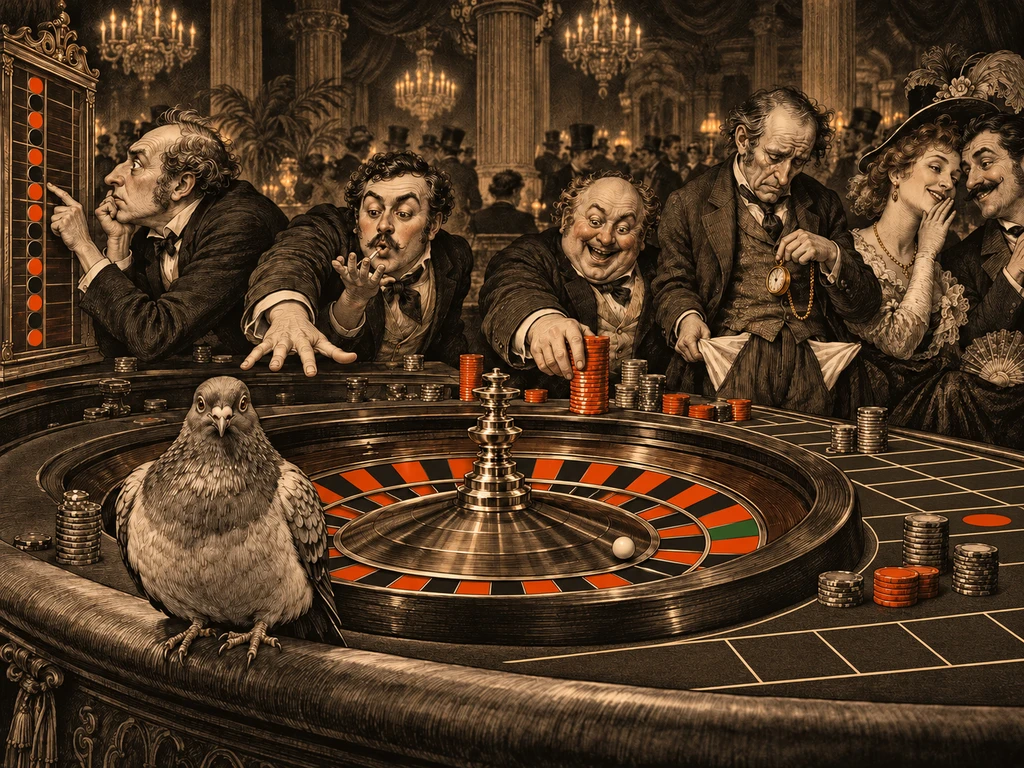
ꯋꯥ ꯇꯔꯥꯃꯉꯥꯒꯤ ꯄꯨꯜ ꯑꯃꯗꯒꯤ ꯋꯥ ꯇꯔꯥ, ꯕꯥꯏꯌꯥꯁ ꯃꯉꯥ, ꯈꯨꯗꯤꯡꯃꯛꯀꯤ ꯑꯆꯨꯝꯕ ꯄꯥꯎꯈꯨꯝ ꯑꯃꯈꯛ꯫ ꯃꯈꯣꯌ ꯄꯨꯝꯅꯃꯛ ꯉꯁꯤꯒꯤ ꯅꯨꯃꯤꯗꯥꯡ ꯔꯨꯂꯦꯠ ꯇꯦꯕꯜ ꯑꯃꯗ ꯀꯅꯥꯒꯨꯝꯕ ꯑꯃꯅ ꯍꯥꯌꯈ꯭ꯔꯦ꯫
ꯁ꯭ꯀꯣꯔ
10: all ten answers correct.
8–9: a strong result; review the explanations for anything you missed.
5–7: a useful start. Follow the reading links to revisit the topics that need practice.
0–4: take your time with the explanations, then try another set when you feel ready.
The score is a learning guide, not a professional qualification or a prediction of gambling results.
ꯈꯅꯕ ꯃꯉꯥ
Gambler’s fallacy: treating a result as due because of earlier outcomes. Hot handꯑꯔꯥꯟꯕ ꯊꯥꯖꯕꯍꯣꯠ ꯍꯦꯟꯗꯃꯥꯏꯄꯥꯛꯄꯒꯤ ꯁ꯭ꯇ꯭ꯔꯤꯛ, ꯅꯠꯔꯒ ꯃꯍꯩ ꯑꯃꯒꯤ ꯁ꯭ꯇ꯭ꯔꯤꯛ ꯑꯃꯅ ꯑꯇꯣꯞꯄ ꯑꯃꯥ ꯊꯣꯛꯅꯕ ꯍꯦꯟꯅꯥ ꯌꯥꯍꯜꯂꯤ ꯍꯥꯌꯅ ꯊꯥꯖꯕ꯫ ꯆꯛꯔꯗ ꯃꯁꯤ ꯖꯨꯌꯥ ꯁꯥꯟꯅꯔꯤꯕꯒꯤ ꯑꯔꯥꯟꯕ ꯋꯥꯈꯜ ꯑꯗꯨ ꯑꯣꯟꯊꯣꯛꯂꯕꯅꯤ꯫ꯃꯄꯨꯡ ꯄꯥꯕꯤꯌꯨ →: treating recent success as evidence that success will continue. Illusion of control: attributing an outcome to an action that does not affect its probabilities. Chasing losses: treating past losses as a reason that another wager must be made. Selective memory: giving remembered hits more weight than overlooked misses.
ꯃꯈꯥ ꯃꯔꯨꯑꯣꯏ
ꯔꯨꯂꯦꯠꯀꯤ ꯈꯨꯗꯃꯁꯤꯡꯅ ꯃꯔꯤ ꯂꯩꯅꯗꯕ, ꯈꯨꯗꯣꯡꯆꯥꯕ ꯃꯥꯟꯅꯕ ꯃꯍꯩꯁꯤꯡ ꯂꯧꯏ꯫ ꯁ꯭ꯇ꯭ꯔꯤꯛ ꯑꯃꯈꯛꯇꯅ ꯍꯛꯆꯥꯡꯒꯤ ꯕꯥꯏꯌꯥꯁ ꯂꯩ ꯍꯥꯌꯕꯗꯨ ꯎꯠꯄꯤꯗꯦ꯫ ꯕꯥꯏꯌꯥꯁꯀꯤ ꯈꯨꯗꯃꯒꯤꯗꯃꯛ ꯃꯁꯤꯡ ꯑꯃꯥ ꯁꯥꯠꯂꯤ ꯍꯥꯌꯕꯒꯤ ꯐꯤꯜ ꯇꯧꯕꯒꯤ ꯃꯍꯨꯠꯇ ꯍꯥꯌꯔꯕ ꯇꯦꯁ꯭ꯠ ꯑꯃꯥ ꯑꯃꯁꯨꯡ ꯇꯣꯉꯥꯟꯅ ꯌꯦꯡꯁꯤꯟꯕ ꯃꯊꯧ ꯇꯥꯏ꯫
ꯋꯥꯍꯪꯁꯤꯡ
ꯔꯨꯂꯦꯠꯇꯗꯤ ꯅꯠꯇꯦ꯫ ꯁꯀꯤꯜ ꯃꯊꯧ ꯇꯥꯕ ꯁ꯭ꯄꯣꯔꯠ ꯈꯔꯗ ꯈꯨꯗꯝꯁꯤꯡ ꯃꯤꯟꯊꯣꯛꯂꯤ꯫ ꯆꯛꯔꯒꯤ “ꯁꯥꯠꯄ” ꯑꯣꯏꯅꯕ ꯁꯀꯤꯜ ꯂꯩꯇꯦ꯫
ꯃꯥꯡꯈꯤꯕ ꯁꯦꯜ ꯍꯟꯅꯥ ꯐꯪꯅꯕ ꯍꯣꯠꯅꯕ, ꯌꯥꯝꯅ ꯍꯦꯟꯅ꯫ ꯑꯇꯣꯞꯄꯁꯤꯡꯅ ꯅꯍꯥꯛꯅ ꯀꯔꯝꯕ ꯕꯦꯠ ꯊꯝꯕꯒꯦ ꯍꯥꯌꯕ ꯍꯣꯡꯗꯣꯀꯏ; ꯍꯣꯠꯅꯕ ꯑꯁꯤꯅ ꯀꯌꯥ ꯊꯝꯕꯒꯦ ꯍꯥꯌꯕ ꯍꯣꯡꯗꯣꯀꯏ꯫
ꯅꯣꯛꯅꯕꯒꯤ ꯀꯃꯤꯛ
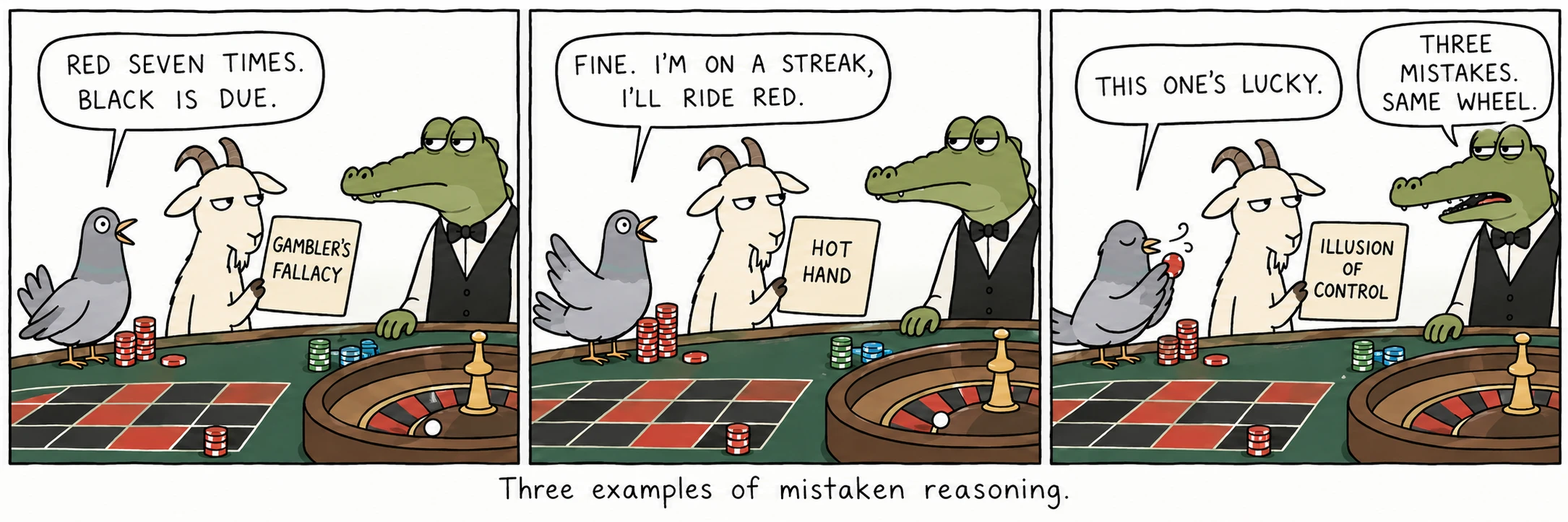
ꯕꯥꯏꯌꯥꯁ ꯃꯉꯥ꯫ ꯄꯤꯖꯟ ꯑꯃꯥ꯫
ꯍꯧꯔꯛꯐꯃꯁꯤꯡ
- Tversky, A. and Kahneman, D. “Judgment under uncertainty: heuristics and biases.”
- Langer, E. “The illusion of control.”