ꯐ꯭ꯂꯦꯠ ꯕꯦꯇꯤꯡ ꯔꯨꯂꯦꯠ ꯊꯧꯔꯥꯡ
ꯁ꯭ꯄꯤꯟ ꯈꯨꯗꯤꯡꯃꯛꯇ ꯊꯝꯂꯕ ꯁꯦꯜ ꯑꯗꯨꯃꯛ꯫ ꯐ꯭ꯂꯦꯠ ꯕꯦꯇꯤꯡꯊꯧꯔꯥꯡꯐ꯭ꯂꯦꯠ ꯕꯦꯇꯤꯡꯁ꯭ꯄꯤꯟ ꯈꯨꯗꯤꯡꯗ ꯁꯦꯜ ꯃꯥꯟꯅꯕ ꯊꯝꯕ꯫ ꯄ꯭ꯔꯣꯒ꯭ꯔꯦꯁꯟ ꯈꯨꯗꯤꯡꯃꯛ ꯆꯥꯡꯗꯝꯅꯕ ꯃꯔꯨꯑꯣꯏꯕ ꯃꯈꯥꯌꯣꯜꯅꯤ꯫ꯃꯄꯨꯡ ꯄꯥꯕꯤꯌꯨ → ꯔꯨꯂꯦꯠ ꯊꯧꯔꯥꯡ ꯑꯁꯤ ꯄ꯭ꯔꯣꯒ꯭ꯔꯦꯁꯟ ꯈꯨꯗꯤꯡꯃꯛ ꯆꯥꯡꯗꯝꯅꯒꯗꯕ ꯌꯨꯝꯐꯝꯅꯤ꯫
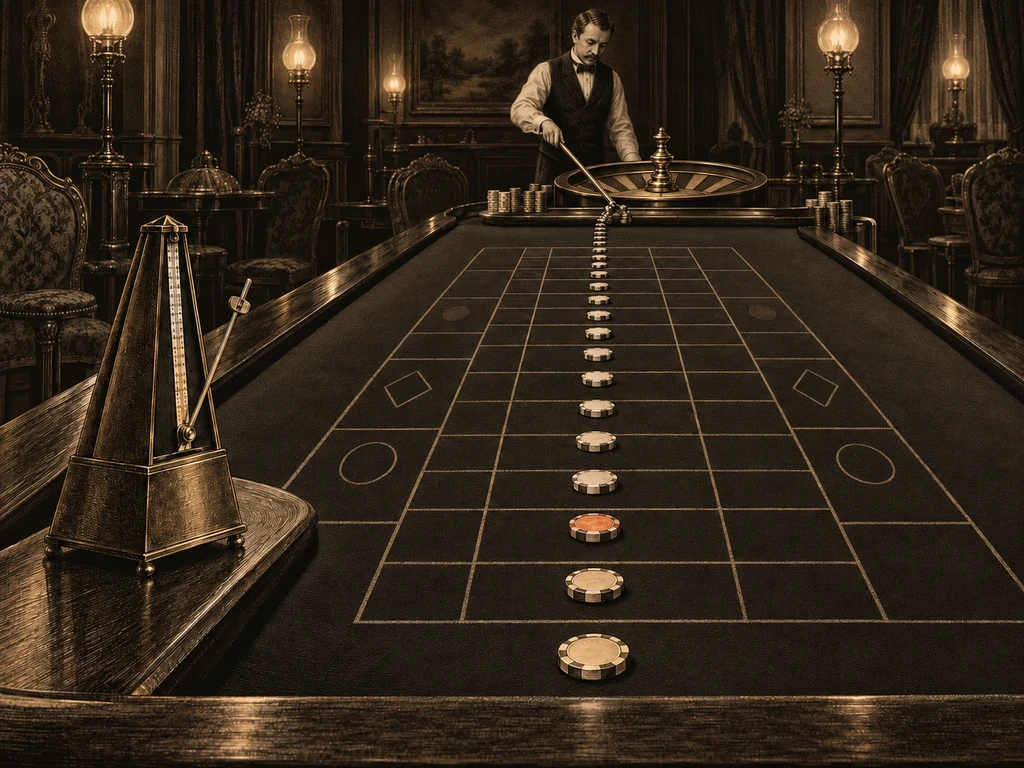
For a fixed number of fully funded standard single-zero bets, expected loss is stake × spins / 37. The chosen bet still determines the spread of outcomes.
ꯃꯁꯤ ꯀꯔꯤꯒꯤ ꯌꯨꯝꯐꯝ ꯑꯣꯏꯕꯅꯣ
For a fixed stake and a fixed number of funded spins, turnoverꯁꯦꯜꯇꯔꯅꯑꯣꯚꯔꯁꯦꯁꯟ ꯅꯠꯔꯒ ꯃꯇꯝ ꯑꯃꯒꯤ ꯃꯅꯨꯡꯗ ꯕꯦꯠ ꯊꯝꯂꯕ ꯁꯦꯜ ꯄꯨꯝꯅꯃꯛ, ꯑꯃꯨꯛ ꯍꯟꯅꯥ ꯊꯝꯂꯕ ꯃꯥꯏꯄꯥꯛꯇꯨꯅ ꯐꯪꯂꯕ ꯁꯦꯜꯁꯨ ꯌꯥꯎꯅ꯫ ꯑꯇꯣꯞꯄ ꯃꯃꯤꯡ: ꯍꯦꯟꯗꯜ, ꯑꯦꯛꯁꯟ꯫ꯃꯄꯨꯡ ꯄꯥꯕꯤꯌꯨ → is known in advance: stake × spins. Under standard single-zeroꯆꯛꯔꯖꯤꯔꯣꯆꯞ ꯃꯥꯟꯅꯕ, ꯗꯖꯟ ꯅꯠꯔꯒ ꯀꯂꯝ ꯕꯦꯠ ꯑꯃꯠꯇꯅ ꯀꯨꯞꯇꯕ ꯑꯁꯪꯕ ꯄꯣꯀꯦꯠ ꯑꯃꯈꯛꯇ; ꯍꯥꯎꯁ ꯑꯦꯖꯀꯤ ꯍꯧꯔꯀꯐꯝꯅꯤ꯫ ꯑꯇꯣꯞꯄ ꯃꯃꯤꯡ: ꯁꯤꯡꯒꯜ ꯖꯤꯔꯣ, 0꯫ꯃꯄꯨꯡ ꯄꯥꯕꯤꯌꯨ → rules, expected lossꯃꯦꯊꯃꯦꯇꯤꯛꯁꯃꯥꯡꯒꯗꯕ ꯁꯦꯜꯐꯪꯒꯗꯕ ꯃꯃꯂꯕꯨ ꯕꯦꯠ ꯊꯝꯂꯕ ꯁꯦꯜ ꯄꯨꯝꯅꯃꯛꯅ ꯃꯅꯥꯡꯕ; ꯁꯦꯁꯟ ꯅꯠꯔꯒ ꯃꯇꯝ ꯑꯃꯒꯤ ꯃꯅꯨꯡꯗ ꯃꯥꯡꯕ ꯑꯦꯚꯔꯦꯖ ꯁꯦꯜ꯫ꯃꯄꯨꯡ ꯄꯥꯕꯤꯌꯨ → is that amount divided by 37. A progressionꯊꯧꯔꯥꯡꯄ꯭ꯔꯣꯒ꯭ꯔꯦꯁꯟꯃꯃꯥꯡꯒꯤ ꯃꯍꯩꯁꯤꯡꯒꯤ ꯃꯈꯥꯗ ꯊꯝꯂꯕ ꯁꯦꯜ ꯍꯣꯡꯍꯟꯕ ꯅꯤꯌꯝ ꯀꯔꯤꯒꯨꯝꯕ꯫ ꯅꯦꯒꯦꯇꯤꯕ ꯄ꯭ꯔꯣꯒ꯭ꯔꯦꯁꯅꯁꯤꯡꯅ ꯃꯥꯏꯊꯤꯔꯕꯥ ꯃꯇꯨꯡꯗ ꯍꯦꯅꯒꯠꯍꯜꯂꯤ, ꯄꯣꯖꯤꯇꯤꯕꯁꯤꯡꯅ ꯃꯥꯏꯄꯥꯛꯂꯕꯥ ꯃꯇꯨꯡꯗ꯫ꯃꯄꯨꯡ ꯄꯥꯕꯤꯌꯨ → that stakes at least this same base on every one of those spins cannot have lower turnover. Early stopping, reduced stakes or different rules change the comparison.
ꯃꯑꯣꯡ
For 100 independent $10 redꯕꯦꯠꯑꯉꯥꯡꯕꯑꯉꯥꯡꯕ ꯃꯁꯤꯡ 18 ꯗ ꯊꯝꯕ ꯆꯞ ꯃꯥꯟꯅꯕ ꯕꯦꯠ꯫ ꯐ꯭ꯔꯦꯟꯆ: ꯔꯨꯖ꯫ꯃꯄꯨꯡ ꯄꯥꯕꯤꯌꯨ → bets, the chance of net profit is 35.53%. The exact result is a scaled binomial distribution, with mean −$27.03 and standard deviationꯃꯦꯊꯃꯦꯇꯤꯛꯁꯁ꯭ꯇꯦꯟꯗꯔꯗ ꯗꯤꯚꯤꯌꯦꯁꯟꯚꯦꯌꯔꯤꯌꯦꯟꯁꯀꯤ ꯁ꯭ꯀ꯭ꯋꯦꯌꯔ ꯔꯨꯠ; ꯃꯍꯩ ꯑꯃꯅ ꯐꯪꯒꯗꯕ ꯃꯃꯜꯗꯒꯤ ꯌꯥꯝꯅ ꯂꯥꯞꯄ ꯃꯑꯣꯡ꯫ꯃꯄꯨꯡ ꯄꯥꯕꯤꯌꯨ → about $100. The chance of ending more than $200 above or below the starting balance is about 4.19%. For 100 $10 straight-up bets, profit probabilityꯃꯦꯊꯃꯦꯇꯤꯛꯁꯊꯣꯛꯄꯒꯤ ꯈꯨꯗꯣꯡꯆꯥꯕꯃꯍꯩ ꯑꯃꯥ ꯊꯣꯛꯄꯒꯤ ꯈꯨꯗꯣꯡꯆꯥꯕ, 0 ꯗꯒꯤ 1 ꯐꯥꯑꯣꯕ ꯅꯠꯔꯒ 0% ꯗꯒꯤ 100% ꯐꯥꯑꯣꯕ꯫ ꯃꯁꯤꯡ ꯑꯃꯥ: 1/37 = 2.70%꯫ꯃꯄꯨꯡ ꯄꯥꯕꯤꯌꯨ → is 50.94% and standard deviation about $584. A larger profit probability does not imply a better expected return.
- p10 −$420
- p25 −$280
- ꯃꯤꯗꯤꯌꯥꯟ −$140
- p75 +$20
- p90 +$160
ꯊꯝꯂꯕ ꯁꯦꯜ ꯈꯅꯕ
ꯄꯨꯡ ꯈꯨꯗꯤꯡꯒꯤ ꯃꯥꯡꯒꯗꯕ ꯁꯦꯜ ꯑꯁꯤ ꯊꯝꯂꯕ ꯁꯦꯜ × ꯄꯨꯡ ꯈꯨꯗꯤꯡꯒꯤ ꯁ꯭ꯄꯤꯟ / 37 ꯅꯤ꯫ ꯄꯨꯡ ꯑꯃꯒꯤ ꯁꯥꯟꯅꯕ ꯑꯁꯤ ꯅꯨꯡꯉꯥꯏꯕ ꯑꯣꯏꯅ ꯅꯍꯥꯛꯀꯤꯗꯃꯛ ꯀꯌꯥ ꯃꯃꯜ ꯂꯩꯕꯒꯦ ꯂꯦꯄꯄꯤꯌꯨ, ꯅꯍꯥꯛꯅ ꯁꯥꯟꯅꯒꯗꯕ ꯇꯦꯕꯜꯒꯤ ꯄꯨꯡ ꯈꯨꯗꯤꯡꯒꯤ ꯁ꯭ꯄꯤꯟꯅ ꯈꯥꯌꯕꯤꯌꯨ, ꯑꯃꯁꯨꯡ 37 ꯅ ꯃꯨꯟꯊꯤꯟꯕꯤꯌꯨ꯫ ꯁ꯭ꯄꯤꯟ 50 ꯒꯤ ꯂꯥꯏꯕ ꯇꯦꯕꯜ ꯑꯃꯗ, ꯄꯨꯡ ꯈꯨꯗꯤꯡꯒꯤ $10 ꯒꯤ ꯕꯖꯦꯠꯅ $7.40 ꯒꯤ ꯊꯝꯂꯕ ꯁꯦꯜ ꯊꯝꯕ ꯌꯥꯍꯜꯂꯤ꯫ ꯃꯤ ꯌꯥꯝꯅꯥꯅ ꯍꯤꯁꯥꯕ ꯑꯁꯤꯅ ꯃꯌꯦꯛ ꯁꯦꯡꯅ ꯎꯍꯜꯂꯤ ꯑꯃꯁꯨꯡ ꯈꯔꯥ ꯊꯋꯥꯌ ꯇꯥꯍꯜꯂꯤ ꯍꯥꯌꯅ ꯈꯟꯊꯣꯀꯏ꯫
ꯂꯦꯞꯄꯒꯤ ꯅꯤꯌꯝ ꯂꯩꯕ ꯐ꯭ꯂꯦꯠ ꯕꯦꯇꯤꯡ
A precommitted loss limit can restrict spending if you stop and do not place a stake that could exceed it. A profit target does not guarantee you will reach it. With stopping, the number of bets is random, so calculate expected loss from expected turnover rather than assuming the full scheduled number of spins.
ꯐ꯭ꯂꯦꯠ ꯕꯦꯇꯤꯡꯅ ꯇꯧꯕ ꯉꯃꯗꯕ ꯋꯥꯐꯃꯁꯤꯡ
It cannot make standard independent spinsꯃꯦꯊꯃꯦꯇꯤꯛꯁꯃꯔꯤ ꯂꯩꯅꯗꯕ ꯁ꯭ꯄꯤꯟꯁꯤꯡꯍꯥꯟꯅꯒꯤ ꯃꯍꯩ ꯀꯔꯤꯒꯨꯝꯕ ꯑꯣꯏꯔꯕꯁꯨ ꯁ꯭ꯄꯤꯟ ꯈꯨꯗꯤꯡꯃꯛꯀꯤ ꯊꯣꯛꯄꯒꯤ ꯈꯨꯗꯣꯡꯆꯥꯕ ꯃꯥꯟꯅꯩ꯫ ꯋꯦꯕꯁꯥꯏꯠ ꯑꯁꯤꯒꯤ ꯊꯤꯕ ꯈꯨꯗꯤꯡꯃꯛꯀꯤ ꯌꯨꯝꯐꯝꯅꯤ꯫ꯃꯄꯨꯡ ꯄꯥꯕꯤꯌꯨ → positive in expectation. The 35.53% figure applies to exactly 100 equal red bets without special zero treatment; different lengths, bets and stopping rules give different profit probabilities.
ꯁꯤꯃꯨꯂꯦꯇꯔ · ꯐ꯭ꯂꯦꯠ
$1,000ꯒꯤ ꯕꯦꯡꯀꯔꯣꯜꯗꯒꯤ ꯍꯧꯔꯒꯥ ꯆꯞ ꯃꯥꯟꯅꯕ ꯕꯦꯠꯁꯤꯡꯒꯤ ꯁꯦꯁꯟ 2,000꯫
ꯍꯧꯔꯛꯐꯃꯒꯤ ꯕꯦꯠ $10 · ꯇꯦꯕꯜꯒꯤ ꯉꯝꯈꯩ $500 · ꯁꯦꯁꯟ ꯈꯨꯗꯤꯡꯗ ꯁ꯭ꯄꯤꯟ 100
ꯋꯥꯍꯪꯁꯤꯡ
ꯃꯁꯤ ꯊꯧꯔꯥꯡ ꯑꯃꯥ ꯂꯩꯇꯕꯅꯤ, ꯃꯔꯝ ꯑꯗꯨꯅ ꯃꯁꯤ ꯈ꯭ꯕꯥꯏꯗꯒꯤ ꯌꯥꯎꯗꯕꯅꯤ꯫
Even-money betsꯕꯦꯠꯆꯞ ꯃꯥꯟꯅꯕ ꯕꯦꯠꯑꯉꯥꯡꯕ/ꯑꯃꯨꯕ, ꯕꯤꯖꯣꯔ/ꯖꯣꯔ, ꯑꯋꯥꯡꯕ/ꯑꯅꯦꯝꯕ꯫ ꯃꯁꯤꯡ 18, 1:1 ꯄꯦꯑꯥꯎꯠ꯫ꯃꯄꯨꯡ ꯄꯥꯕꯤꯌꯨ → have smaller per-stake swings than straight upsꯕꯦꯠꯁ꯭ꯇ꯭ꯔꯦꯠ-ꯑꯞꯃꯁꯤꯡ ꯑꯃꯈꯛꯇ, 35:1 ꯄꯦꯑꯥꯎꯠ꯫ꯃꯄꯨꯡ ꯄꯥꯕꯤꯌꯨ →. With the same funded turnover and standard zero treatment, expected loss is the same; neither choice guarantees session length.
La partageꯅꯤꯌꯝꯂꯥ ꯄꯥꯔꯇꯥꯖꯐ꯭ꯔꯦꯟꯆ ꯅꯤꯌꯝ: ꯖꯤꯔꯣ ꯊꯣꯛꯂꯕꯗꯤ ꯆꯞ ꯃꯥꯟꯅꯕ ꯕꯦꯠꯀꯤ ꯊꯝꯂꯕ ꯁꯦꯜꯒꯤ ꯁꯔꯨꯛ ꯑꯍꯦꯟꯕ ꯍꯜꯂꯀꯏ꯫ ꯕꯦꯠ ꯑꯗꯨꯁꯤꯡꯒꯤ ꯍꯥꯎꯁ ꯑꯦꯖ 1.35% ꯐꯥꯑꯣꯕ ꯁꯔꯨꯛ ꯑꯅꯤꯗ ꯊꯥꯖꯤꯜꯂꯤ꯫ꯃꯄꯨꯡ ꯄꯥꯕꯤꯌꯨ → halves the edge on eligible single-zero even-money bets. Other bets are unchanged, and en prisonꯅꯤꯌꯝꯑꯣꯡ ꯄ꯭ꯔꯤꯖꯣꯡꯐ꯭ꯔꯦꯟꯆ ꯅꯤꯌꯝ: ꯖꯤꯔꯣ ꯊꯣꯛꯂꯕꯗꯤ ꯆꯞ ꯃꯥꯟꯅꯕ ꯕꯦꯠ ꯑꯗꯨ ꯃꯥꯡꯗꯅ ꯃꯊꯪꯒꯤ ꯁ꯭ꯄꯤꯟꯒꯤꯗꯃꯛ ꯊꯝꯃꯤ꯫ ꯕꯦꯠ ꯑꯗꯨꯁꯤꯡꯗ ꯍꯥꯎꯁ ꯑꯦꯖ ꯁꯔꯨꯛ ꯑꯅꯤꯗ ꯊꯥꯖꯤꯜꯂꯤ꯫ꯃꯄꯨꯡ ꯄꯥꯕꯤꯌꯨ → depends on its detailed rules. Check the terms rather than the name.
ꯅꯣꯛꯅꯕꯒꯤ ꯀꯃꯤꯛ
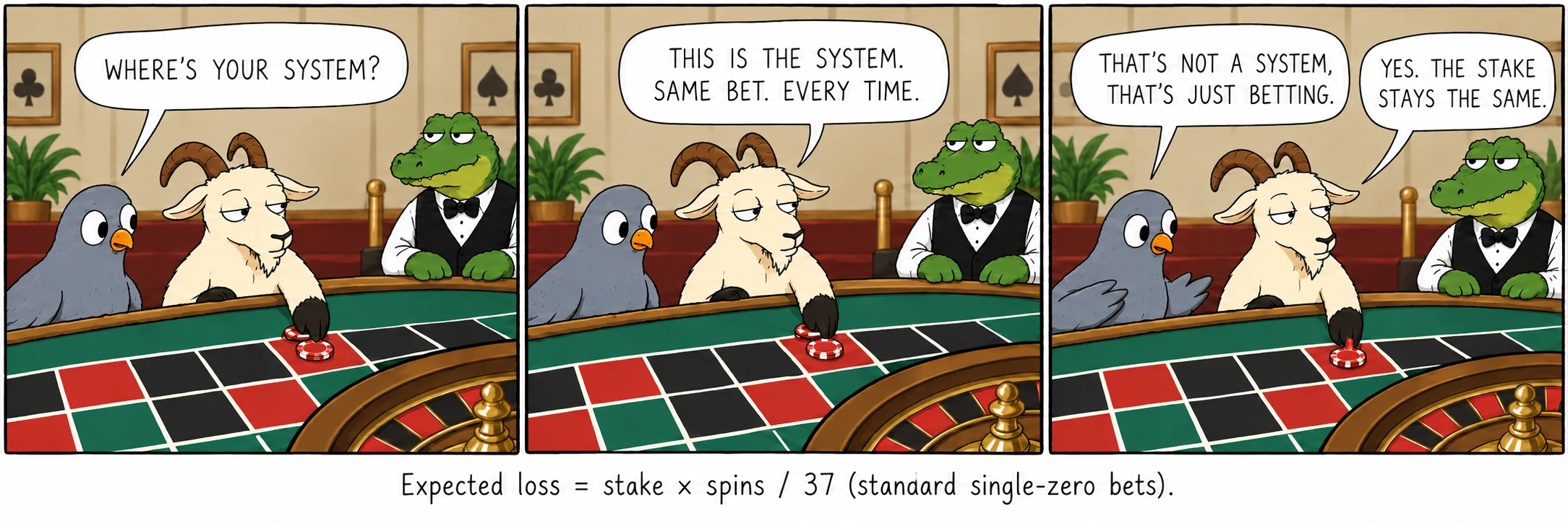
ꯊꯝꯂꯕ ꯁꯦꯜ × ꯁ꯭ꯄꯤꯟ / 37꯫ ꯂꯣꯠꯂꯕ ꯀꯔꯤꯒꯨꯝꯕ ꯑꯃꯠꯇ ꯂꯩꯇꯦ꯫
ꯍꯧꯔꯛꯐꯃꯁꯤꯡ
- RouletteDoc꯫ ꯊꯧꯔꯥꯡꯒꯤ ꯃꯔꯣꯜ ꯑꯃꯁꯨꯡ ꯈꯨꯗꯃꯁꯤꯡ꯫
- Roulette77꯫ ꯊꯧꯔꯥꯡꯒꯤ ꯃꯔꯣꯜ ꯑꯃꯁꯨꯡ ꯈꯨꯗꯃꯁꯤꯡ꯫
- Ethier, S. N. The Doctrine of Chances: Probabilistic Aspects of Gambling.